
Results
-
 £134.99
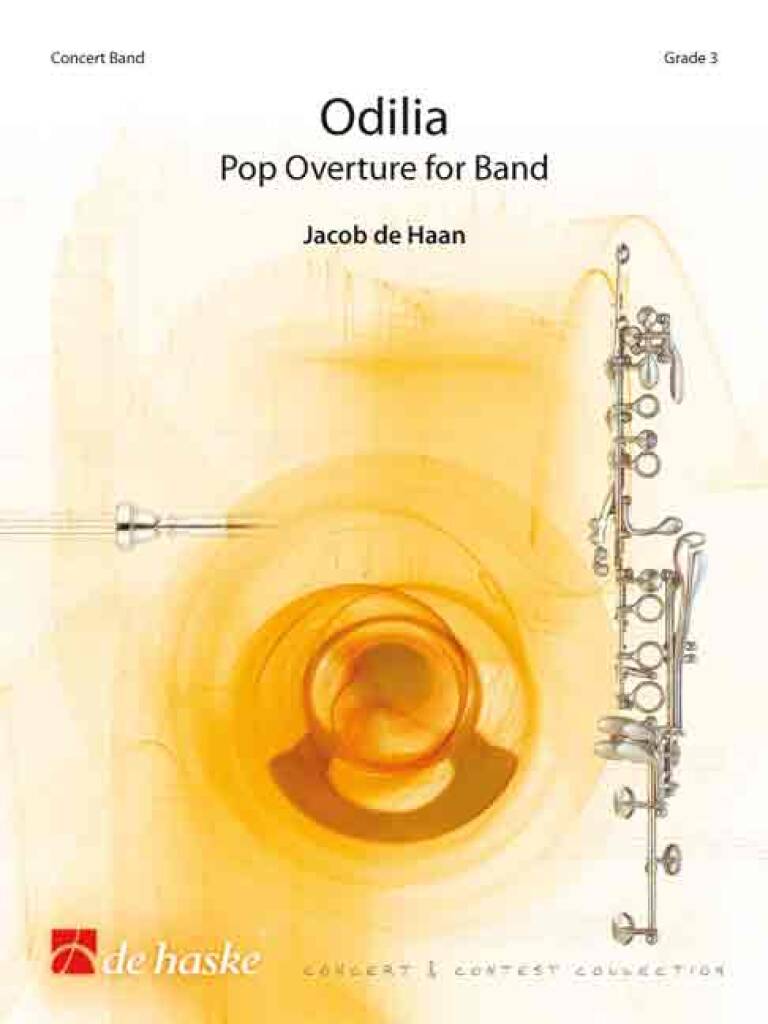
Odilia - Jacob de Haan
Odilia is an up-tempo and joyful ode to Baume-les-Dames, a village in the department of Doubs in Franche-Comt, Eastern France.The title is derived from the legend of Odilia of Alsace (venerated as Saint Odilia, or Odile), the daughter of the Duke of Alsace. She was born blind, and literally saw the light at the age of twelve at the convent of Baume-les-Dames. From this miraculous occurrence, she was dubbed Odilia -- child of light.Jacob de Haan was inspired by medieval dance music for the opening of this composition. In the slow movement that follows, a lyrical minor theme builds to a dramatic climax, which is followed by a calm passage featuring the repeatedlyrical theme. Finally, the medieval motif returns, this time presented in a festive gospel version.
Estimated dispatch 7-14 working days
-
 £89.99
A Festival Prelude - Alfred Reed
Composed nearly 50 years ago (1957), this masterpiece from the late Alfred Reed displays his characteristic style and total command of wind band orchestration. Composed using a single theme and two fanfare figures that are woven throughout, this concise work stands out as a true classic in the repertoire. (4:30) This recording used with permission from the Klavier Music Productions CD K 11130. Alfred Reed Live! Volume 4 - Acclamation! by the Otonowa Wind Symphonica - Toro Ito, conductor
Estimated dispatch 7-14 working days
-
 £104.99
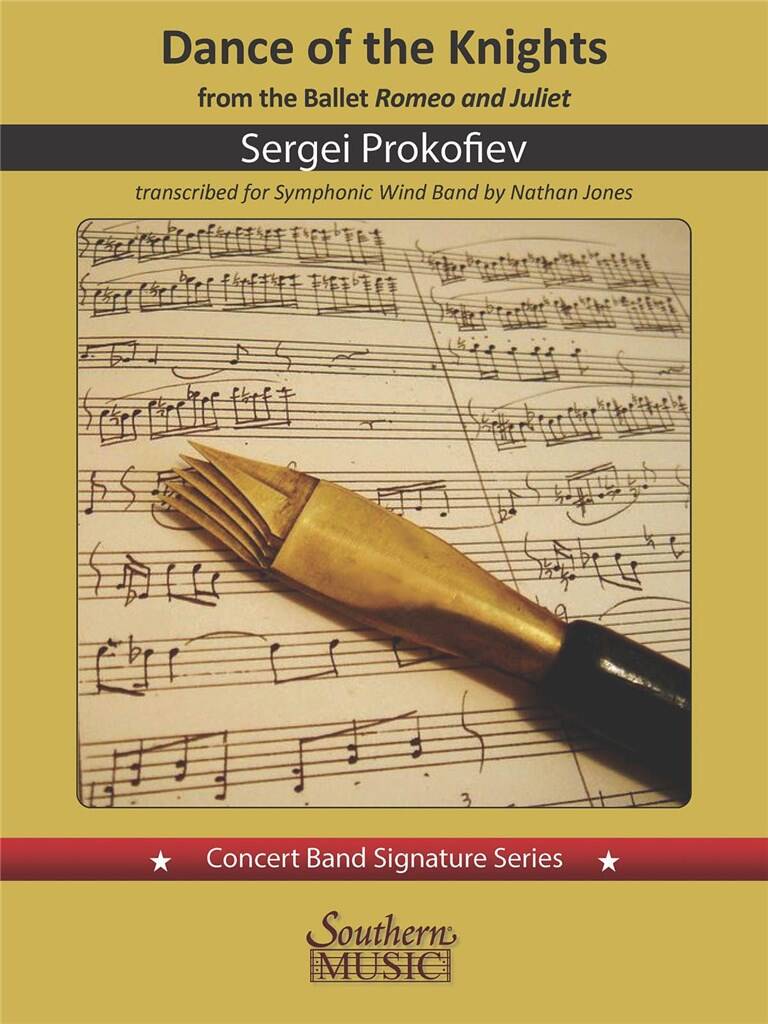
Dance of the Knights from Romeo and Juliet - Sergei Prokofiev
This publication marks the first-ever symphonic wind band edition of the Dance of the Knights, from Scene 2 Capulet's Ball of Prokofiev's ballet Romeo and Juliet. [The ballet] led to one of the most beloved dance works in the repertory and a series of famous orchestral suites... but the celebrated legacy of Romeo and Juliet belies its tortured history: It left Prokofiev broken and emerged from a period that left many of his colleages dead. (New York Times). Nathan Jones' scoring for symphonic wind band faithfully captures the magic of the original orchestraion of this famous work, which has been heard in numerous films and TV shows, including The Simpsons, Warm Machine, Good Morning Britain and Gotham, among many others. This piece is an ideal opener or closer for intermediate to advanced band.
Estimated dispatch 7-14 working days
-
 £76.99
Chant and Jubilo - W. Francis McBeth
New flex band arrangement by Clarence Barber, playable on any SSATB combination of woodwind, brass, or string players with optional percussion. This title has been recognized as one of the most outstanding of the composer's works and is justly regarded as one of the classics of the band repertoire. In anticipation of the composer's 35th Anniversary with Southern Music, the editors reexamined this masterwork in 1996 in order to prepare a new edition embodying the composer's experience in conducting this work for many years.
Estimated dispatch 7-14 working days
-
 £114.99
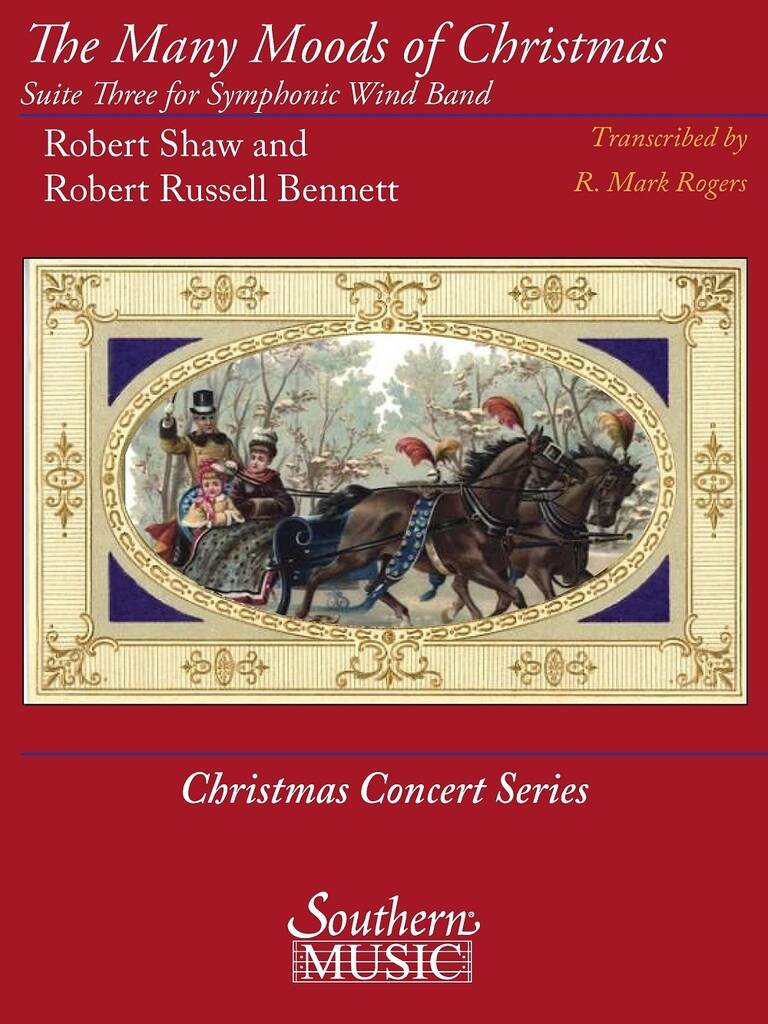
The Many Moods of Christmas: Suite No. 3 - Robert Russell Bennett
Included within this first-ever setting for band alone of THE MANY MOODS OF CHRISTMAS, SUITE THREE, are What Child Is This, Hark! The Herald Angels Sing, Bring a Torch, Jeanette, Isabella, concluding with a spectacular rendition of Angels We Have Heard on High. It should be noted that What Child Is This can be omitted or performed separately from the remainder of the suite.
Estimated dispatch 7-14 working days
-
 £134.99
Twilight In The Wilderness - Christopher Tucker
This intermediate band work shares its title with a painting by Frederic Edwin Church of surpassing magnificence and brilliance. Church lived around the time of the Civil War and became known particularly for his striking portrayals of sunsets in the American landscape. The form consists of two main sections connected by an interlude providing both a macro and micro soundscape which reflects and celebrates Church's masterful canvas. Recorded birdsong accompaniment is available from the publisher for this work by emailing [email protected]. Track 1 includes birdsong to be used at the beginning of the piece, track 2 includes 15 seconds of silence, and track 3 includes birdsong to be started at measure 72. The birdsong was recorded during many various wilderness walks, mixed with special panning effects, and produced with audio levels in mind. This means the birdsong will not require the use of outside volume adjustment during the performance. Grade 3. Duration ca. 9'.
Estimated dispatch 7-14 working days
-
 £72.99
Let Freedom Ring (Medley)
This inspiring 6-minute medley for choir, band, and optional strings is an ideal patriotic feature for school, church, or community performances. Includes: This Land is Your Land, Let Freedom Ring, God Bless the U.S.A., and America the Beautiful. Note that this can be paired with the Christopher/Moss arrangement of 'God Bless America' (#08740036=SATB) for a spectacular concert finale. Available: SATB, SAB, 2-Part, ShowTrax Cassette, Concert Band (Grade 3) and String Pak.
Estimated dispatch 7-14 working days
-
 £64.99
An Irish Party in Third Class
An Irish Party In Third Class is the music taken from one of the most memorable moments in the motion picture Titanic - the Irish dancing scene in the steerage section of the ship. The music for this scene was provided by the group Gaelic Storm.Your concert band will love the energy of this version, which features the woodwind section throughout. This piece has been adapted by Richard Saucedo. The score and complete set of parts are included.
Estimated dispatch 7-14 working days
-
 £57.50
Copacabana (At the Copa) - Barry Manilow
Even though this was a hit for Barry Manilow in the 70's, the hot Latin beat and steamy melodies have kept this one popular through the years. Richard gives the percussion section a workout in this outstanding arrangement for alittle change-of-pace excitement.
Estimated dispatch 7-14 working days
-
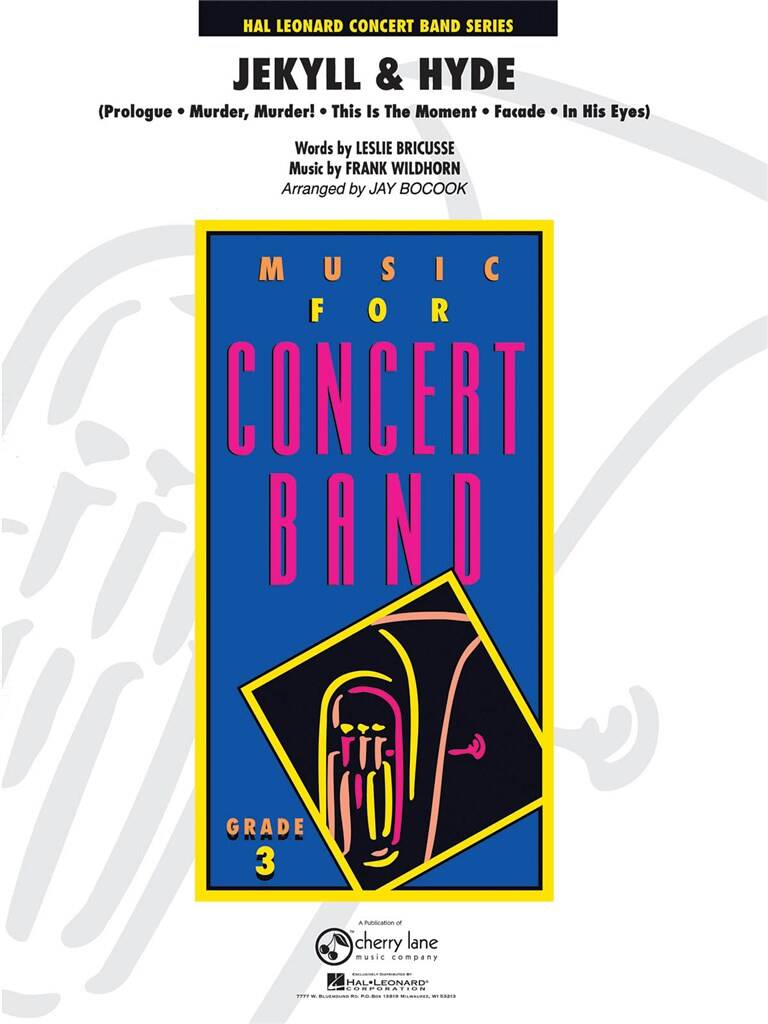 £64.99
Jekyll and Hyde - Frank Wildhorn
The writing genius of these veteran songwriters is evident in this dramatic arrangement that captures the deep emotion and intensity of this acclaimed Broadway production. Includes: Prologue, This Is The Moment, Facade, Murder, Murder!, and In His Eyes.
Estimated dispatch 7-14 working days
 View Music