
Results
-
 £57.50
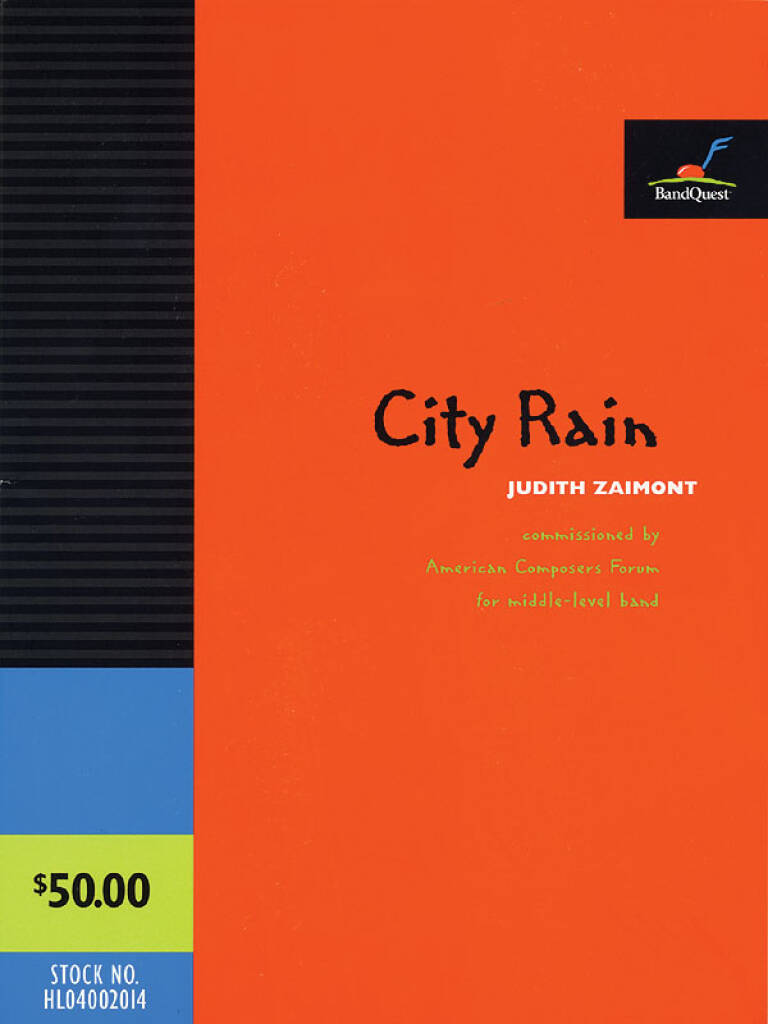
City Rain - Judith Lang Zaimont
In her tone poem City Rain, Judith Zaimont captures the spirit and vitality of a summer shower as it falls on a busy city street. This piece draws a lively picture of a passing storm and is unified by the jazz-like rhythmic motive based on the pattern of the title words city rain. Zaimont paints the image of rain through the rhythmic motive and the use of body percussion and alternative instruments (such as tapping patterns on music stands). As the music unfolds, each section of the band is spotlighted at different times. The instruments also join together to produce layers of sound that create interesting and complex jazz chords. BandQuest, an exciting series of new music and accompanying curricula for band, is a program published by the American Composers Forum. The series was started as a response to feedback from music educators that there is a pressing need for new, fresh band music. The heart of this program is new works written by a diverse group of leading American composers who have created challenging pieces that are a true departure from standard middle school repertoire. Every BandQuest project includes a residency component in which the composer works collaboratively with a middle school as they create their new piece. Many BandQuest pieces are accompanied by an interdisciplinary curriculum designed to assist students as they learn the music and to integrate each piece with non-music studies. Visit www.bandquest.org to learn more about this innovative series, and email [email protected] to request a free downloadable audio catalog.
Estimated dispatch 7-14 working days
-
 £47.50
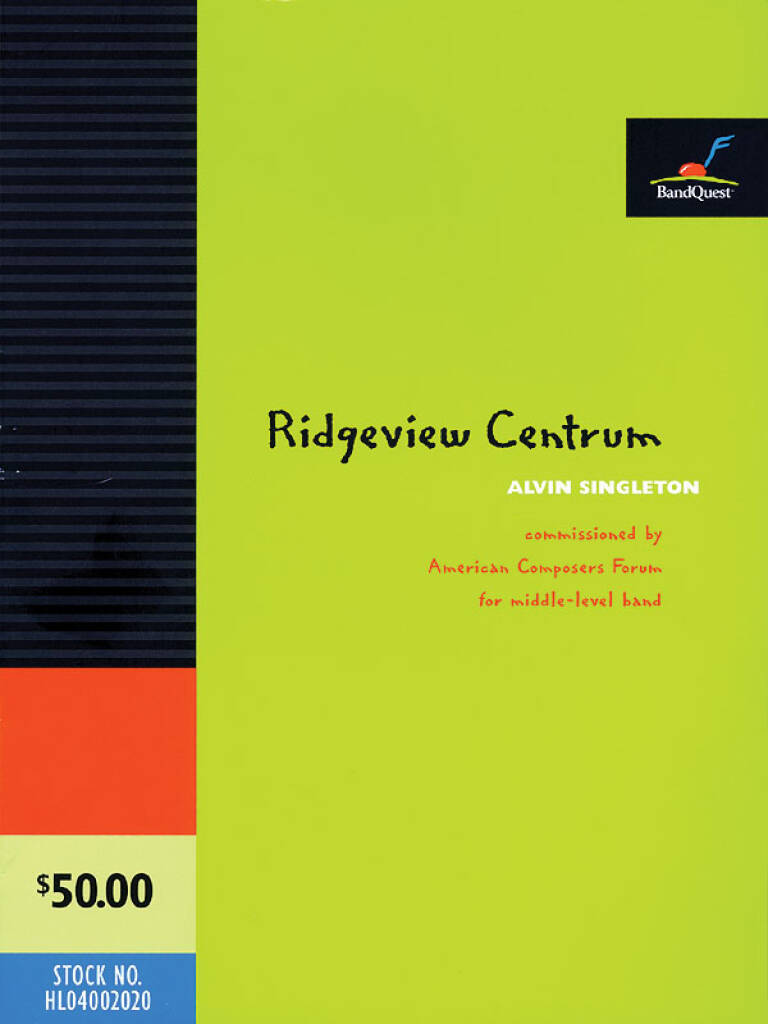
Ridgeview Centrum - Alvin Singleton
Ridgeview Centrum is a fanfare written in composer Alvin Singleton's style of subtle spontaneity, which is experienced through a fusion of classical and folk music elements. In the historic tradition of fanfares, this work was written by Singleton in honor of the students and band teacher he worked with during his BandQuest residency at Ridgeview Middle School in Atlanta, Georgia. (Includes score and parts.) BandQuest, an exciting series of new music and accompanying curricula for band, is a program published by the American Composers Forum. The series was started as a response to feedback from music educators that there is a pressing need for new, fresh band music. The heart of this program is new works written by a diverse group of leading American composers who have created challenging pieces that are a true departure from standard middle school repertoire. Every BandQuest project includes a residency component in which the composer works collaboratively with a middle school as they create their new piece. Many BandQuest pieces are accompanied by an interdisciplinary curriculum designed to assist students as they learn the music and to integrate each piece with non-music studies. Visit www.bandquest.org to learn more about this innovative series, and email [email protected] to request a free downloadable audio catalog.
Estimated dispatch 7-14 working days
-
 £60.99
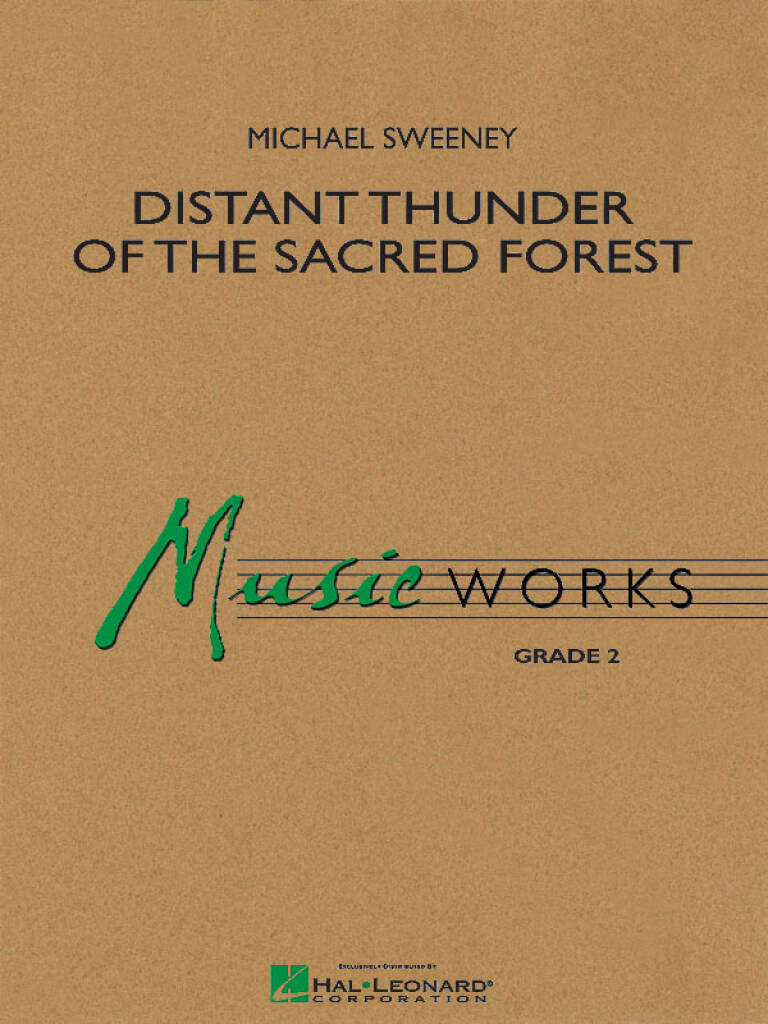
Distant Thunder of the Sacred Forest - Michael Sweeney
This amazing work opens with the sounds of distant villages as their drumming echoes through the African rain forests (or school gymnasium). As the players return to their normal seats in the band, the various elements of this composition gradually come together in a joyous unified celebration. Thoroughly researched to include authentic African patterns, Michael Sweeney has created a stunningly effective work that is playable by young ensembles. Includes performance and program notes on how to make your own percussion instruments and involve other departments in your school. Not just a piece of music...this is an event! Dur: 4:45
Estimated dispatch 7-14 working days
-
 £57.50
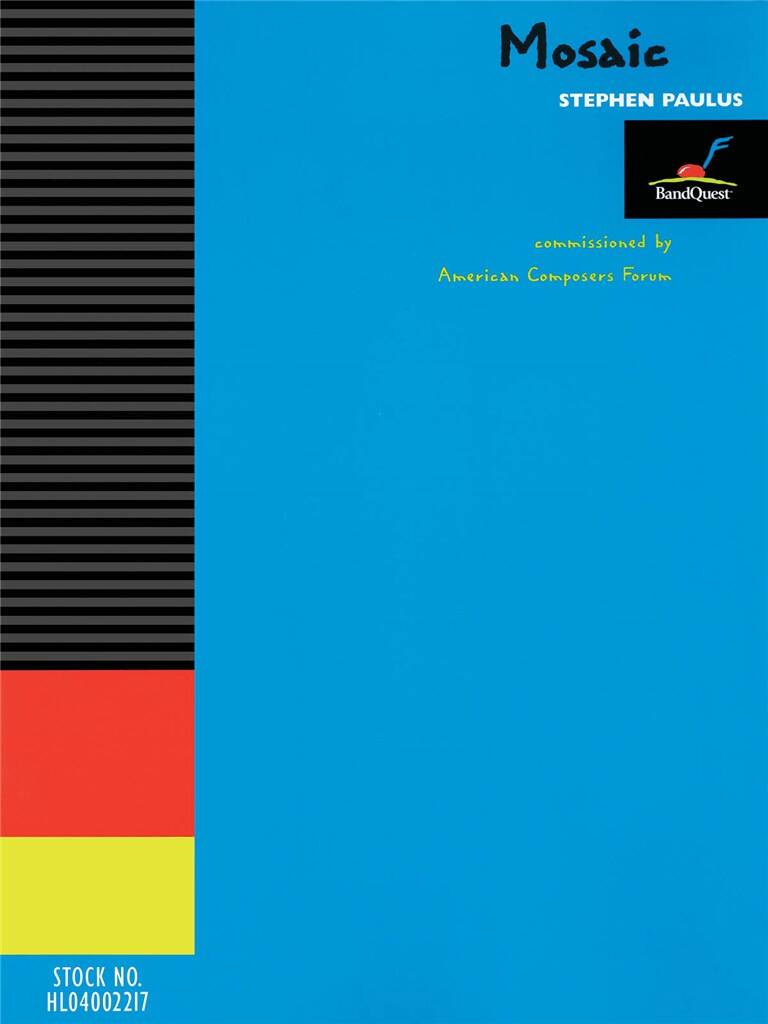
Mosaic - Stephen Paulus
Mosaic is an aural representation of the varied qualities each of us possess and contribute to the whole of our American society. As a kaleidoscope of various musical elements coming together, this work evokes a visual of mosaics - tiny tiles individually glued together to create a broader image. Composer Stephen Paulus integrates layers of sound with varying meters that feature every instrument in the band. Learn more on YouTube! BandQuest, an exciting series of new music and accompanying curricula for band, is a program published by the American Composers Forum. The series was started as a response to feedback from music educators that there is a pressing need for new, fresh band music. The heart of this program is new works written by a diverse group of leading American composers who have created challenging pieces that are a true departure from standard middle school repertoire. Every BandQuest project includes a residency component in which the composer works collaboratively with a middle school as they create their new piece. Many BandQuest pieces are accompanied by an interdisciplinary curriculum designed to assist students as they learn the music and to integrate each piece with non-music studies. Visit www.bandquest.org to learn more about this innovative series, and email [email protected] to request a free downloadable audio catalog.
Estimated dispatch 7-14 working days
-
 £42.50
Carnaval - Michael Sweeney
MusicWorks - Grade 1 The magic of Cuban carnaval music is the basis for this lively and very infectious easy work. Listen as the parade slowly approaches and the trumpets lead the ensemble with the main theme. Following this are question and answer statements typical of the style and a feature spot for percussion (who will have a field day with the unique instruments). While this is playable with as few as 4 percussionists, having more players will add to the festive atmosphere. (2:50)
Estimated dispatch 7-14 working days
-
 £89.99
MetaMarch - Steven Bryant
The Music of BCM International In this third installment of a series of pieces that quote and rework familiar band themes (after Chester Leaps In and ImPercynations), composer Steven Bryant uses the classic march themes Americans We, Liberty Bell March and National Emblem as the basis of this humorous and unexpected take on the traditional march. Slightly warped, but unmistakably entertaining, this well-constructed novelty is sure to bring a smile. (4:00)
Estimated dispatch 7-14 working days
-
 £109.99
Dusk - Steven Bryant
Concert Band - Grade 4 - Score and Parts. This simple, chorale-like work captures the reflective calm of dusk, paradoxically illuminated by the fiery hues of sunset. The dual nature of this experience is impressive, as if witnessing an event of epic proportions silently occurring in slow motion. Dusk is intended as a short, passionate evocation of this moment of dramatic stillness.
Estimated dispatch 7-14 working days
-
 £57.50
Rhythm Stand - Jennifer Higdon
Rhythm Stand pays tribute to the constant presence of rhythm in our lives: from the pulse of a heartbeat to the rhythmic sounds of the world around us. Celebrating the regular order in our lives, composer Jennifer Higdon incorporates traditional and non-traditional sounds within a 4/4 swing style setting to heighten student awareness and enhance their creativity. Organized in unique compositional and rhythmic patterns, this work invites students to explore multiple ways of organizing sounds and making music. A free downloadable interdisciplinary curriculum for teaching Rhythm Stand is available at www.BandQuest.org. Learn more on YouTube! BandQuest, an exciting series of new music and accompanying curricula for band, is a program published by the American Composers Forum. The series was started as a response to feedback from music educators that there is a pressing need for new, fresh band music. The heart of this program is new works written by a diverse group of leading American composers who have created challenging pieces that are a true departure from standard middle school repertoire. Every BandQuest project includes a residency component in which the composer works collaboratively with a middle school as they create their new piece. Many BandQuest pieces are accompanied by an interdisciplinary curriculum designed to assist students as they learn the music and to integrate each piece with non-music studies. Visit www.bandquest.org to learn more about this innovative series, and email [email protected] to request a free downloadable audio catalog.
Estimated dispatch 7-14 working days
-
 £53.50
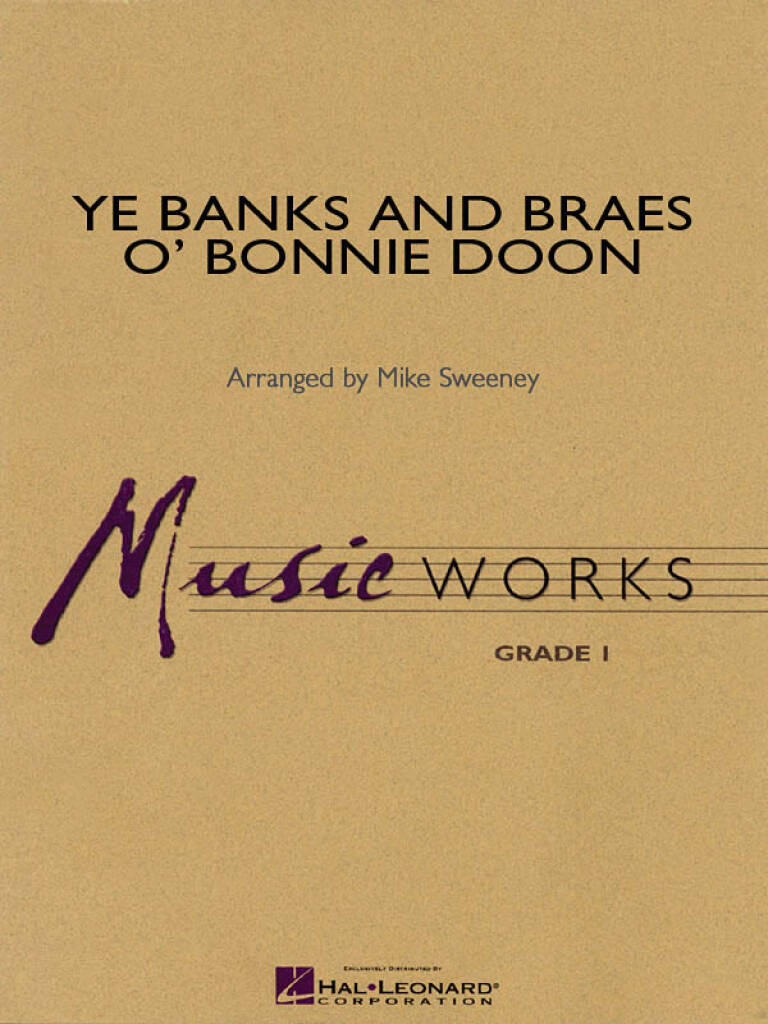
Ye Banks and Braes o' Bonnie Doon
Michael takes this tender and lyrical folk song and creates a marvelous setting for beginning players. Even at this easy level, this arrangement provides a wealth of musicality through creative harmonies and skilled scoring. Every section gets a chance to play the melody at some point. Dur: 2:20 (Includes Full Performance CD)
Estimated dispatch 7-14 working days
-
 £72.99
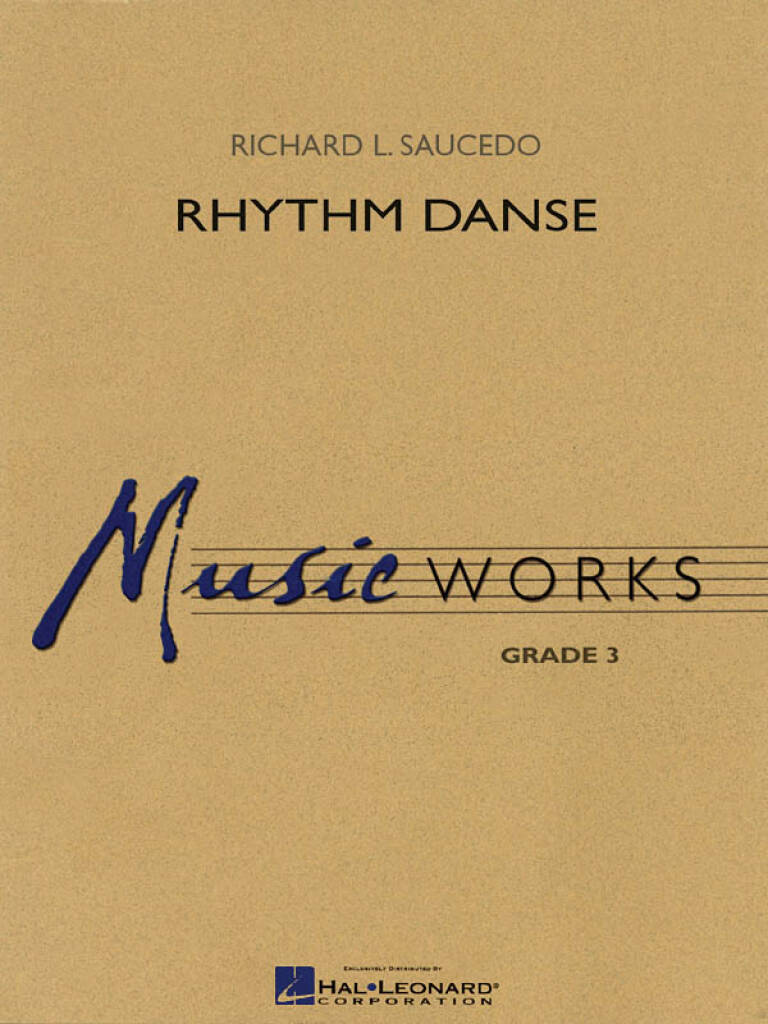
Rhythm Danse - Richard L. Saucedo
Written entirely in 5/4, this captivating and rhythmically dynamic work explores a variety of moods and styles within this single meter. After the initial fanfare, the piece winds through creative textures and hypnotic patternsuntil reaching a glorious full ensemble climatic section. Providing interesting and important roles for every section (particularly percussion) this will be a joy to prepare and perform. Dur: 3:05 (Includes audio of fullperformance) Audio is accessed online using the unique code inside the book and can be streamed or downloaded. The audio files include PLAYBACK+, a multi-functional audio player that allows you to slow down audio without changingpitch, set loop points, change keys, and pan left or right.
Estimated dispatch 7-14 working days