
Results
-
 £119.99
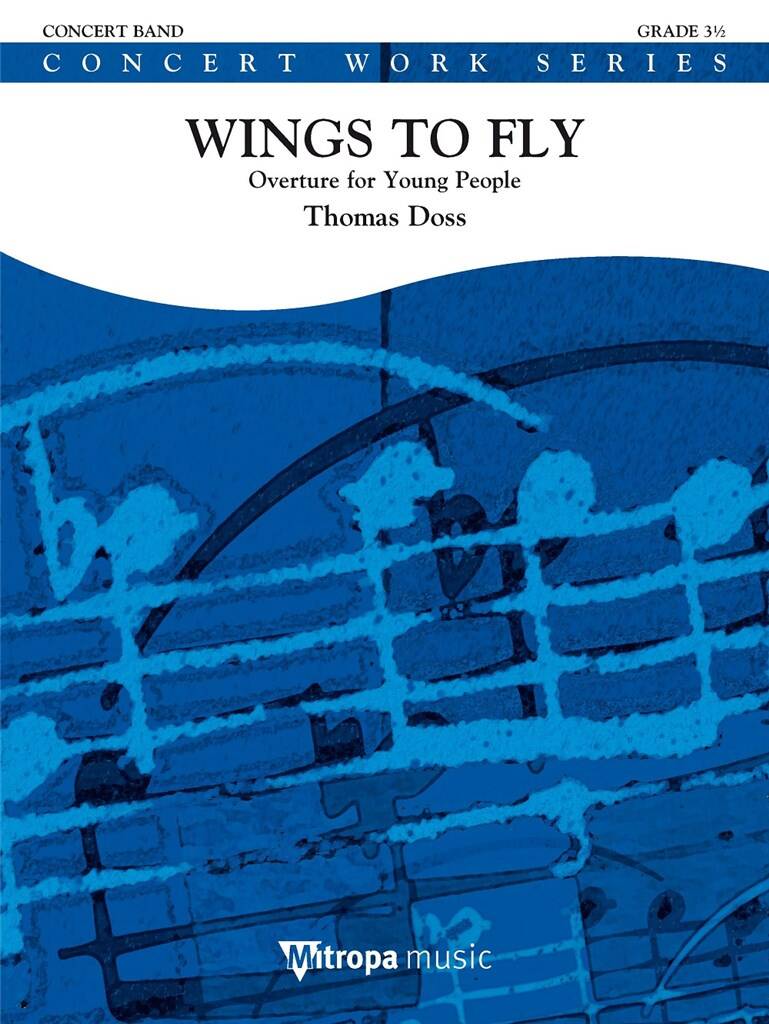
Wings to Fly - Thomas Doss
This piece was composed for the youth wind band at the Marienschule in Saarbrcken, Germany. The title praises the importance of an education emphasizing freedom, responsibility and getting to know and accepting one's limitations in order to become a well-educated and good-hearted citizen. During the piece, the composer refers to aspects of a typical school-age experience, such as friendship, disappointments, challenges, values and goals. The point is that education gives us all 'Wings to fly'. This is a noble piece, full of variety, with nice sections for all instrumental groups.
Estimated dispatch 7-14 working days
-
 £134.99
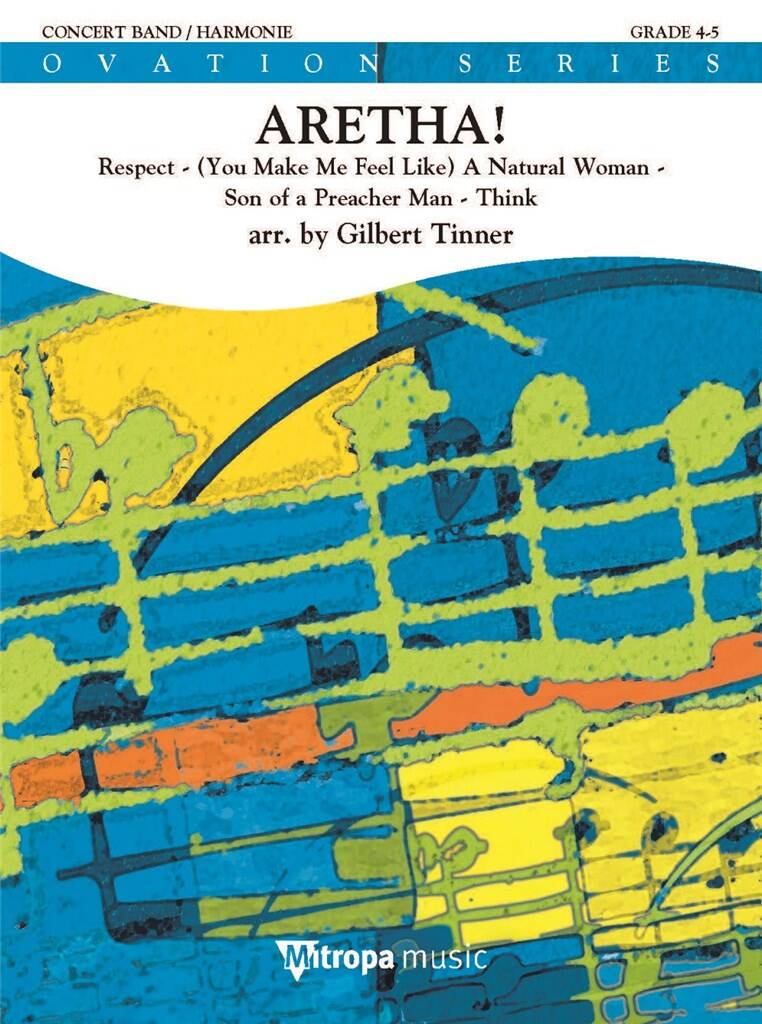
Aretha!
Aretha Franklin - the 'Queen of Soul' - was an icon and inspiration for women all around the world, and the first female artist to enter the 'Rock and Roll Hall of Fame' in 1987. This medley by Gilbert Tinner contains Aretha Franklin's most famous hits: 'Respect', '(You Make Me Feel Like) A Natural Woman', 'Son of a Preacher Man' and of course 'Think', one of the greatest up-tempo tracks of all time.
Estimated dispatch 7-14 working days
-
 £159.99
Tribute to a Maestro - Jan de Haan
Tribute to a Maestro is an homage to Jean-Philippe Rameau (1683 1764), one of the most important French Baroque composers. Rameau was a hugely significant composer, organist, harpsichordist and music teacher: he also published several authoritative books on music theory. Jan de Haan based this tribute on a theme from 'Les Sauvages' (The Savages), the fourth act of Rameau's ballet-opera, Les Indes Galantes (The Amorous Indies). The work begins with two variations, whereupon the striking theme can be heard. After a short intermezzo, four more variations follow, of which the last one is composed in Baroque style.
Estimated dispatch 7-14 working days
-
 £134.99
Philadelphia - Dirk Brossé
In the summer of 2010 Dirk Bross was appointed music director of The Chamber Orchestra of Philadelphia. During his inauguration concert in September that year he brought a musical surprise to the city in which he would work for the next ten years. Philadelphia, an American Overture is dedicated to the people of America's first capital city. We hear the energy, the power, the freedom and the vitality of the multi-ethnic 'City of Brotherly Love.'
Estimated dispatch 7-14 working days
-
 £134.99
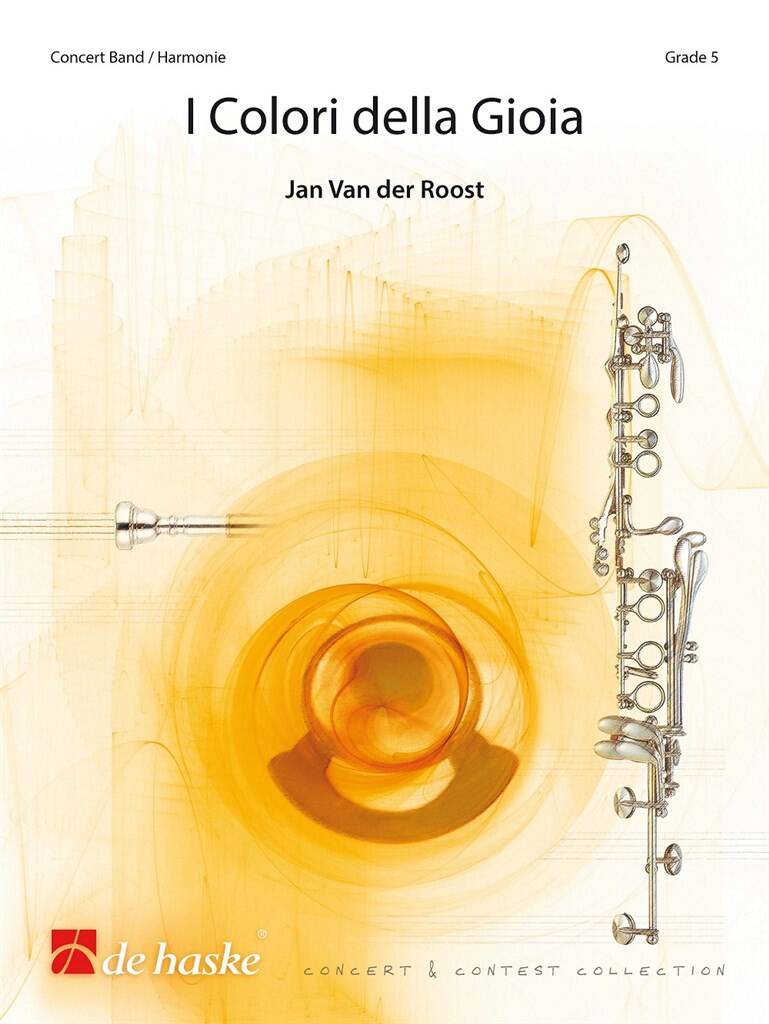
I Colori della Gioia - Jan Van der Roost
This work for soprano and concert band was originally written for a special occasion: the wedding of one of the composer's children. It therefore matches another piece written for a similar occasion "I Shall Love But Thee". The lyrics are from the book Respiro Neve by the internationally renowned art photographer Luca Artioli who possesses poetic talent as well. The first movement is stately and serene as where the contrasting allegro is much more dynamic and cheerful, requiring the solid high register of the singer. The conclusion is festive and radiant, partly thanks to the contribution of a piccolo trumpet! This work is a wonderful addition to the bandrepertoire wanting to perform with an excellent vocal soloist!
Estimated dispatch 7-14 working days
-
 £102.70
Faber Suite - Michele Grassani
Faber is the ancient Latin name that was used to designate artisans. The Suite, which is divided into three movements, pays tribute to them, in the hope that their activities will not completely disappear. The first movement (Maestoso) represents the carpenter who, after completing his creation admires it with satisfaction. The second movement (Adagio) describes the work of the tailor: the first part is more meditative and portrays the use of needle and thread, while the second, characterized by forceful rhythmic strettos, describes the ancient and complex use of the weighted loom. The last movement (Presto), characterized by irregular rhythms and constant changes of tempo, introduces us to a blacksmith's shop full of intense and loud metallic noises.
Estimated dispatch 7-14 working days
-
 £593.99
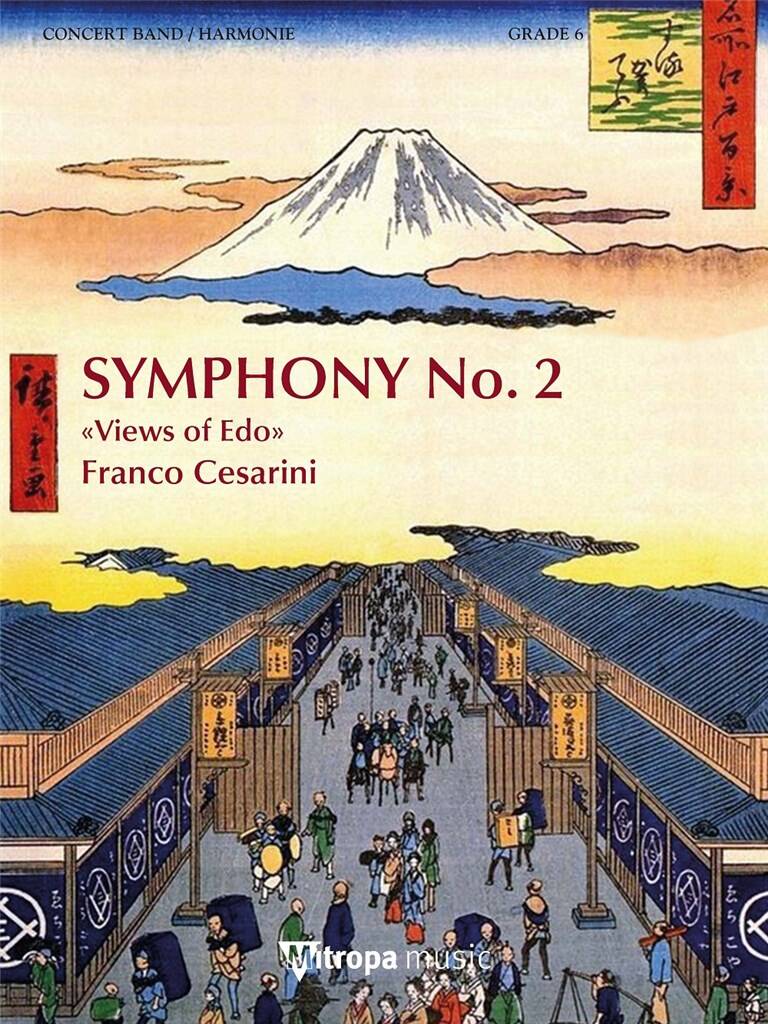
Symphony No. 2 - Views of Edo - Franco Cesarini
Edo is the ancient name for the city of Tokyo. Inspired by a series of woodcuts by the artist Utagawa Hiroshige (1797-1858) entitled 'One Hundred Famous Views of Edo', Cesarini's symphony is based upon a few traditional Japanese melodies. The composition is divided into five movements in arch form: a structure in which the individual sections are arranged symmetrically around a centre. Each movement takes its title from a print from the 'One Hundred Views'.
Estimated dispatch 7-14 working days
-
 £159.99
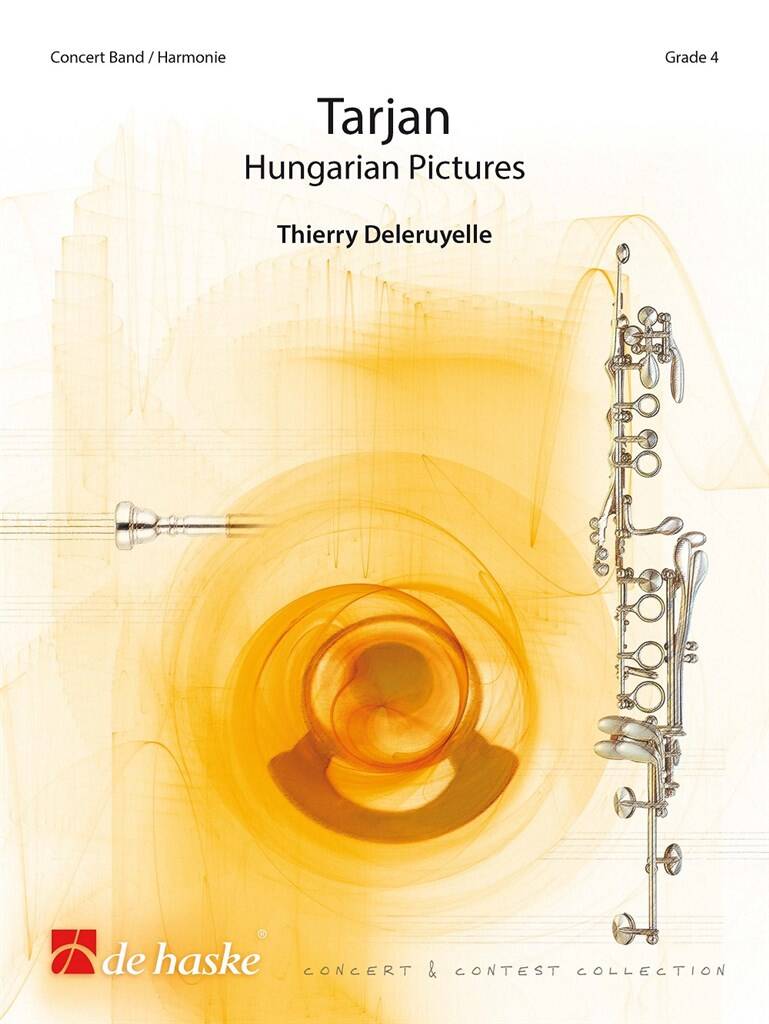
Tarjan - Thierry Deleruyelle
Tarjan, Hungarian Pictures is a work in three movements commissioned by the town of Vesoul and its concert band. This work pays tribute to Jean-Marie Goux, the band's former musical director, who had forged strong links with Hungary: whether in the village of Tarjn or Budapest itself, he had shared his zest for life with the Hungarian people. This colourful work consists of three movements: 'The 7th Tribe', 'Eternal Fidelty' and 'Conquest of the Homeland'. It offers not only strong musical content, but also historical insight about a beautiful region with a great tradition.
Estimated dispatch 7-14 working days
-
 £149.40
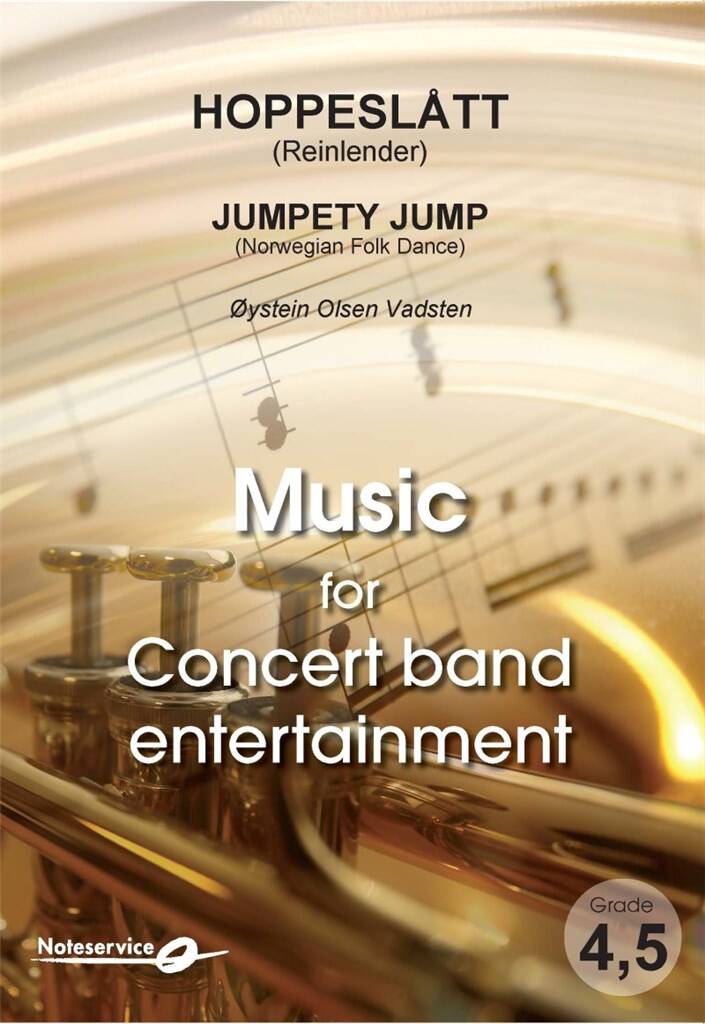
Hoppesltt - Øystein Olsen Vadsten
This is an original piece of music composed by ystein Olsen Vadsten, inspired by old Norwegian folk dances. "Jumpety Jump" actually started out as a "reinlender" (Norwegian Folk Dance) which origins from Rhinland. The reinlender is well disguised in this arrangement by adding the shuffle- and swing style to it. The piece is first of all meant as a "happy go lucky" tune, but is full of rhythmical and technical challenges. Its put up as a jazz-tune, first presenting the melody, then "improvisasations" by the different instrument groups, before going back to the first theme. The title "Jumpety Jump" refers to the kind of jumping feeling the shuffle groove gives.
Estimated dispatch 7-14 working days
-
 £89.99
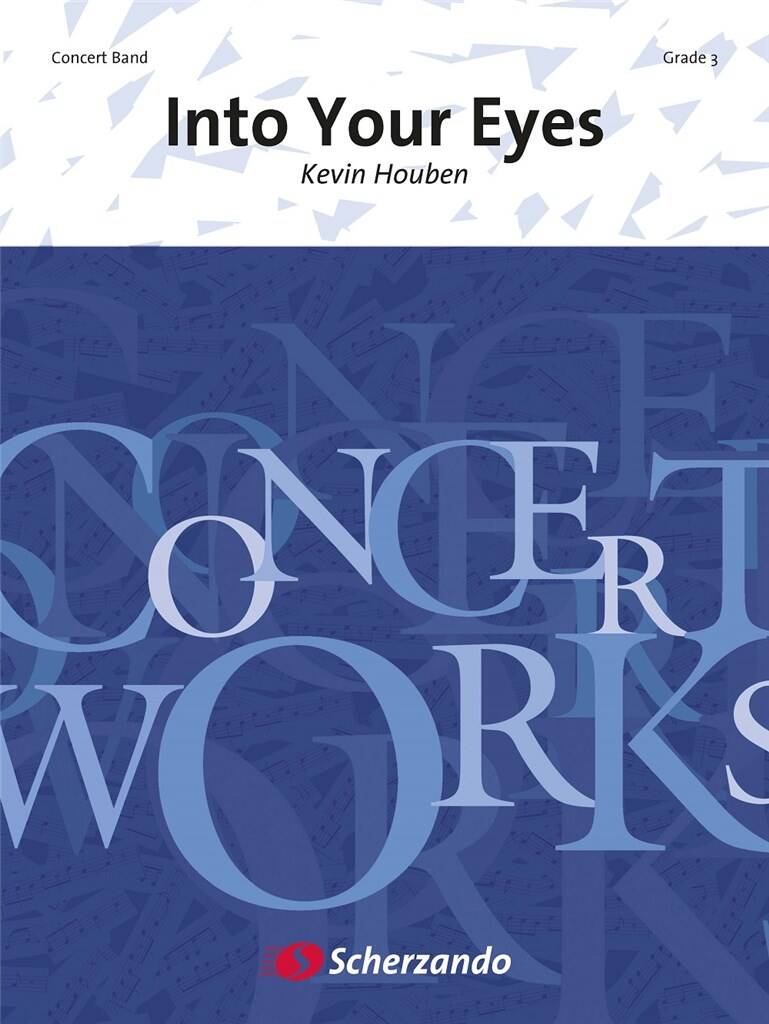
Into Your Eyes - Kevin Houben
Into Your Eyes was commissioned by the Nielse ConcertBand (Belgium) to celebrate its tenth anniversary. The band was formed through the fusion of two existing music societies by the late Michel Versavel, who was the combined ensemble's first conductor. This wonderful chorale is a hymn to his memory, and is dedicated to the further growth and advancement of the band.
Estimated dispatch 7-14 working days
 View Music