
Results
-
 £118.99
Das Ultimative Xavier Naidoo Medley
This accessible medley of songs from the controversial German pop singer Xavier Naidoo contains his biggest hits including: Alles kann besser werden, Dieser Weg, Bitte hr nicht auf zu Traumen, Abschied nehmen and Wowillst du hin?
Estimated dispatch 7-14 working days
-
 £121.50
Storm And Urge - Edward Fairlie
Edward Fairlie's Storm and Urge is a significant work for wind band and portrays a journey of emotional turbulence. The title comes from the German "Sturm und Drang," a literary and musical movement of the late 1700s which focused on extremes of emotion. Opening with a simple and reflective theme, we are then taken through a range of emotional settings from uncertainty to resistance, and then calm resolve and self-knowledge. With a variety of textures and vivid imagery, this is a masterful work for the contemporary ensemble.
Estimated dispatch 7-14 working days
-
 £84.99
Wir Sind Kameraden
Feuerwehr Song, As performed by Andreas Fulterer. This song was a big hit in the German charts. It's a tribute to all voluntary firefighters around the world who regularly risk their lives to save others.
Estimated dispatch 7-14 working days
-
£53.95
Morris Dance - E. German
Estimated dispatch 7-14 working days
-
 £149.99
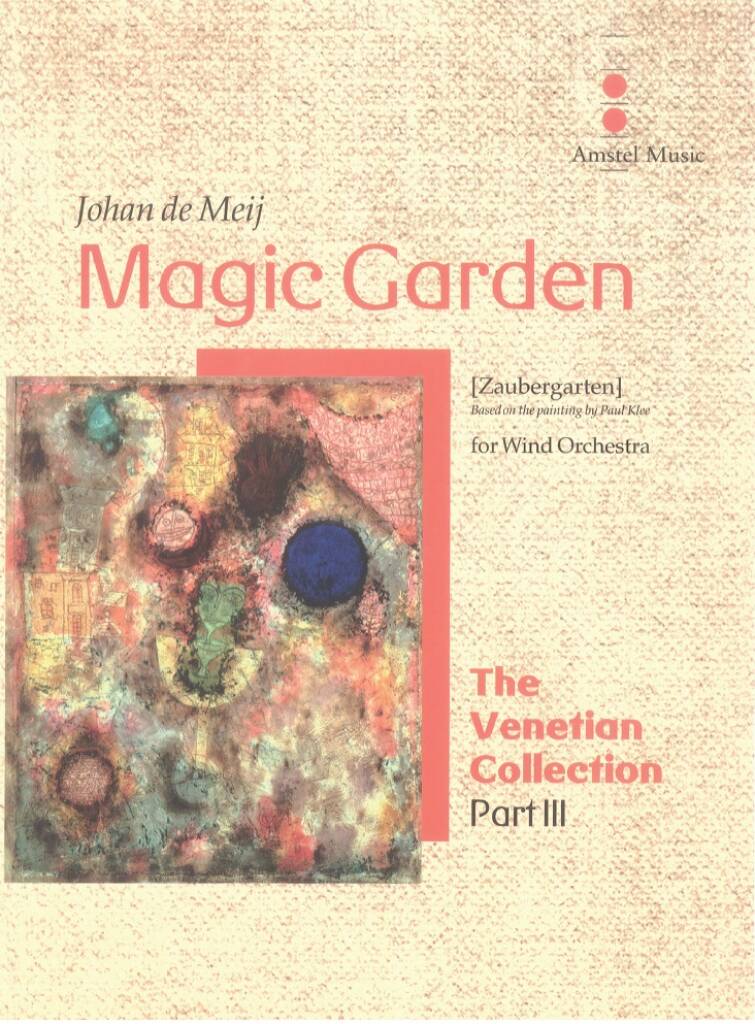
Magic Garden - Johan de Meij
Inspired by a painting by German artist Paul Klee [1879 - 1940], this work forms the third movement of The Venetian Collection. Completely different than the other parts of the cycle, this movement illustrates Klee's colorful,naive dream world by means of a fragile, transparent texture, bringing the woodwinds into the limelight. The rather abrupt conclusion is preceded by a breathtakingly fast unison passage for the complete woodwind group. (Duration8:00)
Estimated dispatch 7-14 working days
-
 £123.95
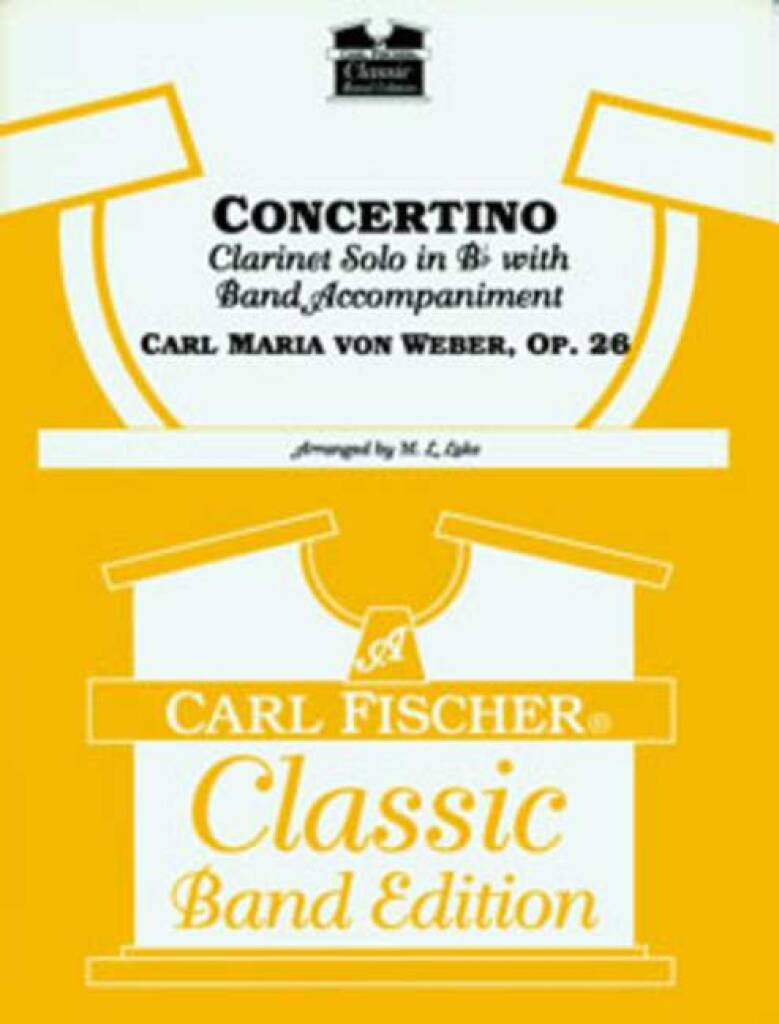
Concertino, Op. 26 - Carl Maria von Weber
Carl Maria von Weber (1786-1826) originally wrote his Concertino in Eb, Op. 26 in 1811 for famed German clarinetist Heinrich Baermann and it is typical of the florid, early romantic period style of Weber's instrumental concertos. The piece has become well-known to American performers because of this celebrated band transcription by Mayhew Lake. Written within the technical abilities of younger, gifted players, Concertino will be a fine way to demonstrate the clarinetist's potential for brilliant display and heartfelt lyricism. This reissue of the famous transcription includes a corrected and edited version of the Clarinet solo part by Denise Schmidt.
Estimated dispatch 7-14 working days
-
£104.99
Partita Piccola - Henk van Belcum
As the title suggests, this work is a partita: it consists of a number of variations on a chorale melody. The partita has been popular for centuries, especially when it comes to organ music. Henk van Belcum, who is active in the choir world, chose for his Partita Piccola the German hymn Wunderbarer Knig as a starting point. Partita Piccola consists of four variations and a choral setting. After a majestic opening fanfare, the second variation follows, based on a canon by Pachelbel. Hndel's Sarabande is the basis of the third variation. Next comes the chorale setting, after which the work ends festively with a dance that has been written in the form of a courante. PartitaPiccola is an asset for church services and for concert platforms.
Estimated dispatch 7-14 working days
-
 £92.00
Country Dance - Edward German
Estimated dispatch 7-14 working days
-
 £78.20
The President - William German
Estimated dispatch 7-14 working days
-
£37.95
O Tannenbones
Show off your trombone section with this upbeat, delightful swing setting of the beloved German carol O Tannenbaum, as arranged for Concert Band by Timothy Loest. Expertly scored, this fun-filled arrangement will keep your students fully engaged and your audience smiling. The spooky middle section presents a clever stylistic twist in which the trombones begin to haunt the band while supported by a variety of percussion instruments, including brake drum and flex-a-tone. Easy to put together and fun to perform!For concert or symphonic band, available here is the conductor's score and set of parts.
Estimated dispatch 7-14 working days
 View Music