
Results
-
 £47.50
The Magic Mirror - Robert Buckley
Looking at a perfectly still body of water, images appear right side up and upside down at the same time. The Magic Mirror creates this illusion with upper and lower instrument groups moving in contrary motion. Effective even for beginners, this piece sounds more advanced than it is, and everyone gets a chance to play melody! The First Concepts Series features simplified instrumentations, unison bass lines, optional advanced snare drum parts, and optional piano accompaniments.
Estimated dispatch 7-14 working days
-
 £72.99
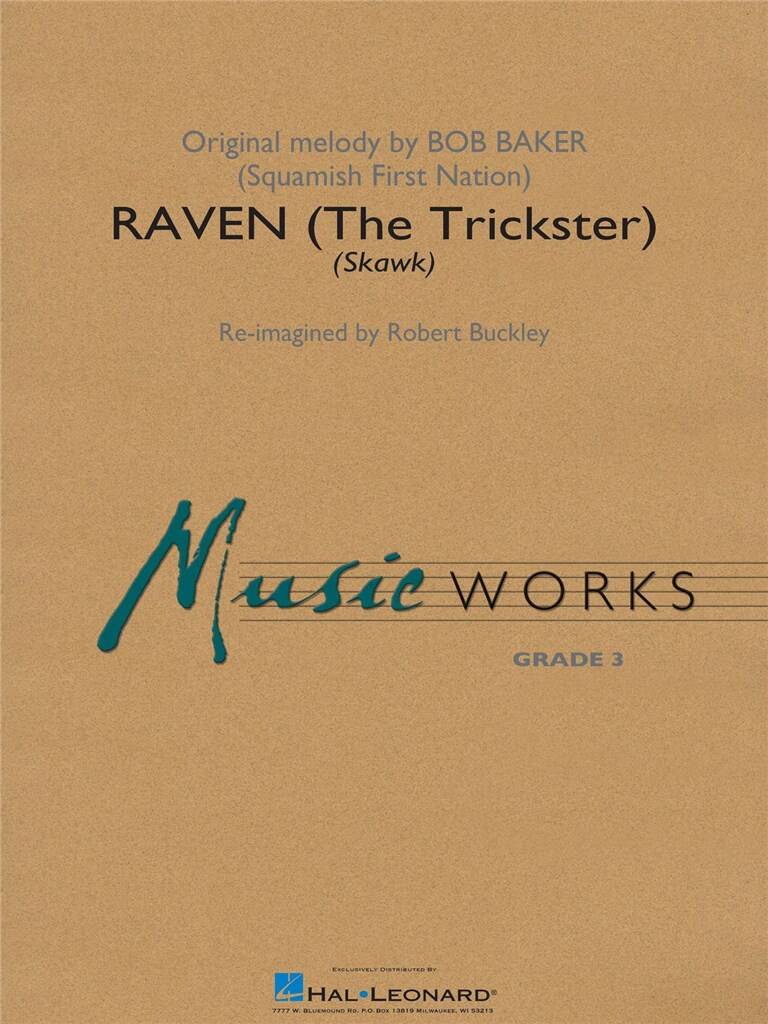
Raven (The Trickster) - Bob Baker
From a song shared by Squamish First Nation artist and performer Bob Baker, comes this distinctive work for concert band shaped by Robert Buckley that will allow your students to experience the music of one of North America'sFirst Peoples. Raven flows from a playful pentatonic melody and uses falloffs to imitate the original vocal style of the Eagle Song Dancers.
Estimated dispatch 7-14 working days
-
 £72.70
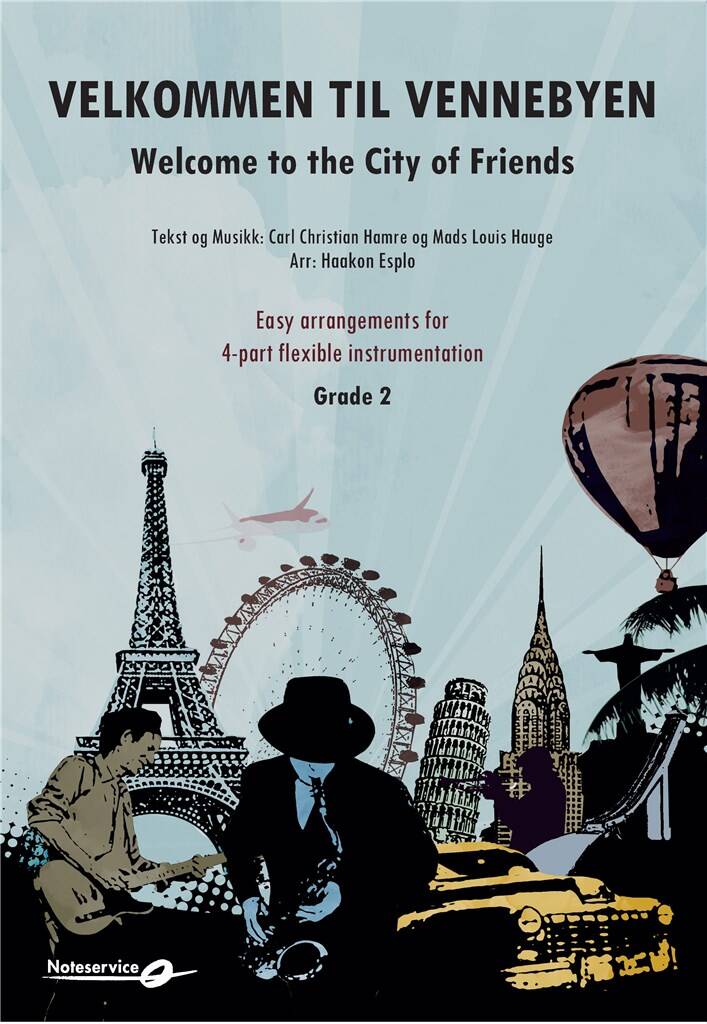
Welcome to the City of Friends - Carl Christian Hamre
"The City of Friends" is a Norwegian animation series for children that was broadcasted on TV2 in Norway for the first time in 2011. The story was created by police officer Carl Christian Hamre. It's inspired by children's fascination with the emergency services. The three main characters in "The City of Friends" are the monkey "Apa" (Police), the elephant "Elfie" (Fire Brigade) and the bear "Ted" (Emergency Ambulance). Your young musicians will find it fun to play the title song "Welcome to the City of Friends" from the hugely popular TV-series!
Estimated dispatch 7-14 working days
-
 £79.99
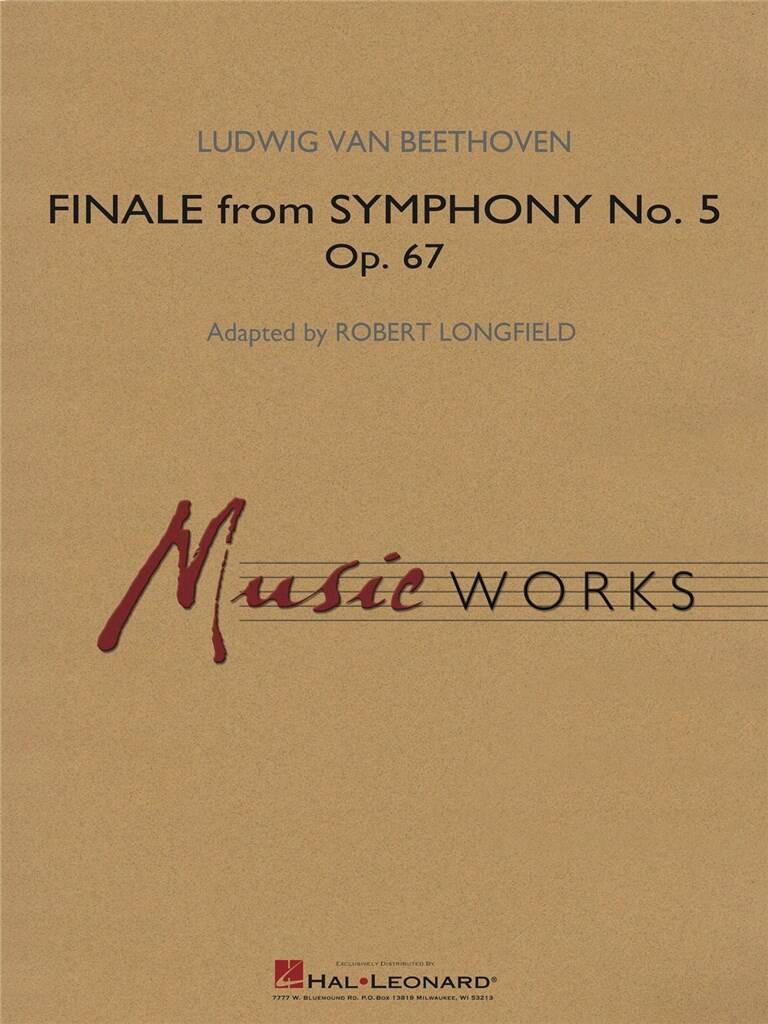
Finale from Symphony No. 5 - Ludwig van Beethoven
The year 2020 marks the 250th anniversary of the birth of Ludwig van Beethoven. While the first movement of his famous fifth symphony is more often performed, the majestic and triumphant finale beautifully exemplifies thecraftsmanship and genius of one of the greatest composers of all time. Slightly truncated in form, this masterful adaptation for concert band still retains the thematic material, power, and excitement found in the original.(MusicWorks)
Estimated dispatch 7-14 working days
-
 £91.99
March Prelude: Alnwick Town - Philip Sparke
March Prelude: Alnwick Town was commissioned by the Alnwick Playhouse Concert Band (with Ray Thompson as conductor) to celebrate their first 25 years. It opens majestically with answering phrases between various sections of the band, leading to a faster march-like section its main theme echoes the rhythms of the opening material. A bridge passage featuring snippets for saxophones and trumpets leads to a new theme, more legato in nature and repeated after a change of key. The bridge passage returns to herald a restatement of the main theme before the opening material reappears to close the work with a flourish.
Estimated dispatch 7-14 working days
-
 £144.99
The Air Race - Otto M. Schwarz
In 1934, the city of Melbourne celebrated its centenary and marked the occasion with the MacRobertson International Air Race. KLM's entry was its first DC-2, PH-AJU 'Uiver' (Stork), which took off on 20 October 1934. Shortly before the finish, the plane had to make an emergency landing due to poor weather conditions. The following morning, the entire town turned out to dig the aircraft out of the mud, enabling to resume its flight. Nonetheless, the distance was covered in three days, 18 hours and 17 minutes: a winning performance! This programmatic piece tells the story describing the start of the engines in bar one, the flight over the clouds, the thunderstorm, theemergency landing and many more scenes!
Estimated dispatch 7-14 working days
-
 £174.10
Waltz for Debby - Bill Evans
"Waltz for Debby" was written by American jazz pianist and composer Bill Evans (1929-1980). It was heard for the first time on his 1956 debut record "New Jazz Conceptions". This recording made the tune his most famous one, included on several later recordings both for solo piano and his usual trio format. It also became a favorite on almost all his concerts. The tune is a kind of a musical portrait of Evans' niece, Debby Evans. In Scandinavia, Swedish singer Monica Zetterlund made it popular for a wider audience through her 1964-recording accompanied by Evans and his trio. On this recording, the song was renamed "Monicas vals".
Estimated dispatch 7-14 working days
-
 £104.99
Pilgrims of Wolfryt - Jacob de Haan
The work Pilgrims of Wolfryt tells the story of the legend Walfridus (also known as Wolfryt), a resident of the town of Bedum in the Netherlands who was born in the 11th century. Wilfridus had an eventful life: he introduced Christianity to Bedum and helped the town build its first legal system, but ultimately his story ended in demise murdered alongside his son at the hands of the Vikings. Pilgrims of Wolfryt is a symphonic poem-like masterpiece, full of evocative melodies in a mix of tonalities to make the most of the impressive rhythmic material.
Estimated dispatch 7-14 working days
-
 £149.40
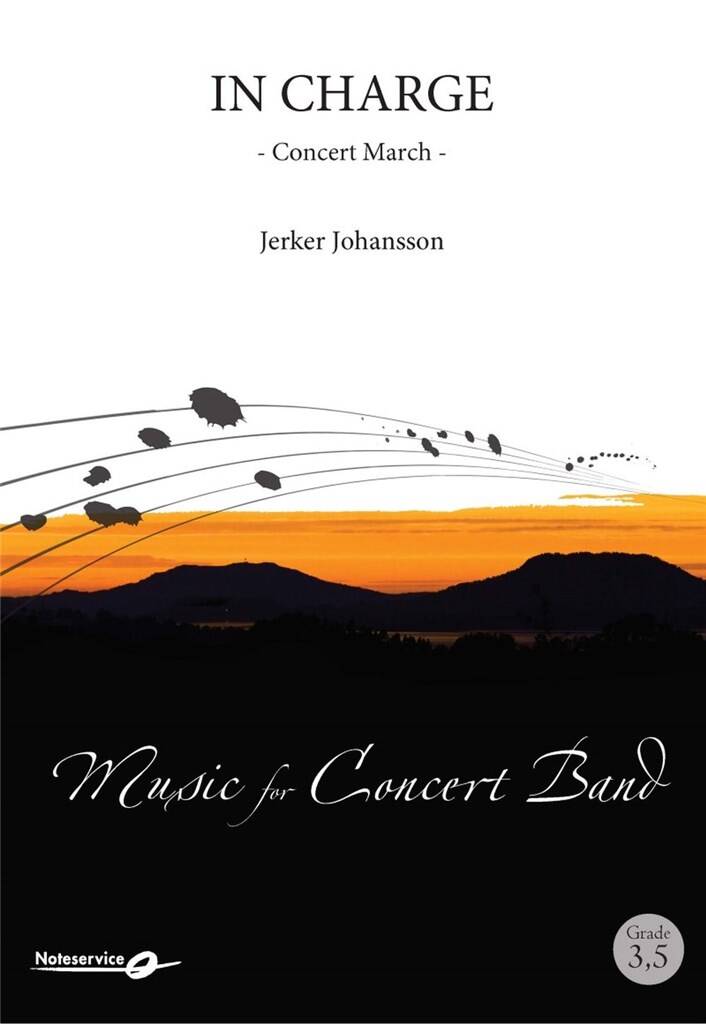
In Charge - Concert March - Jerker Johansson
In Charge was commissioned by the Home Guard Band of Eksj to honour Thomas Samuelsson, whose efforts with the orchestra have been of great significance. He was a driving person within Swedish military music and furthermore project manager for Eksj International Tattoo. Thomas worked at Eksj Energy and the title of this work hints both to his occupation and his administrative leadership in the band. The first part of this concert march concentrates a lot on syncopation, while the second part is more robust with a traditional and lyrical trio part. In Charge was premiered by the Home Guard Band of Eksj on the 22th of December 2018, conducted by Maria Sandberg.
Estimated dispatch 7-14 working days
-
 £104.99
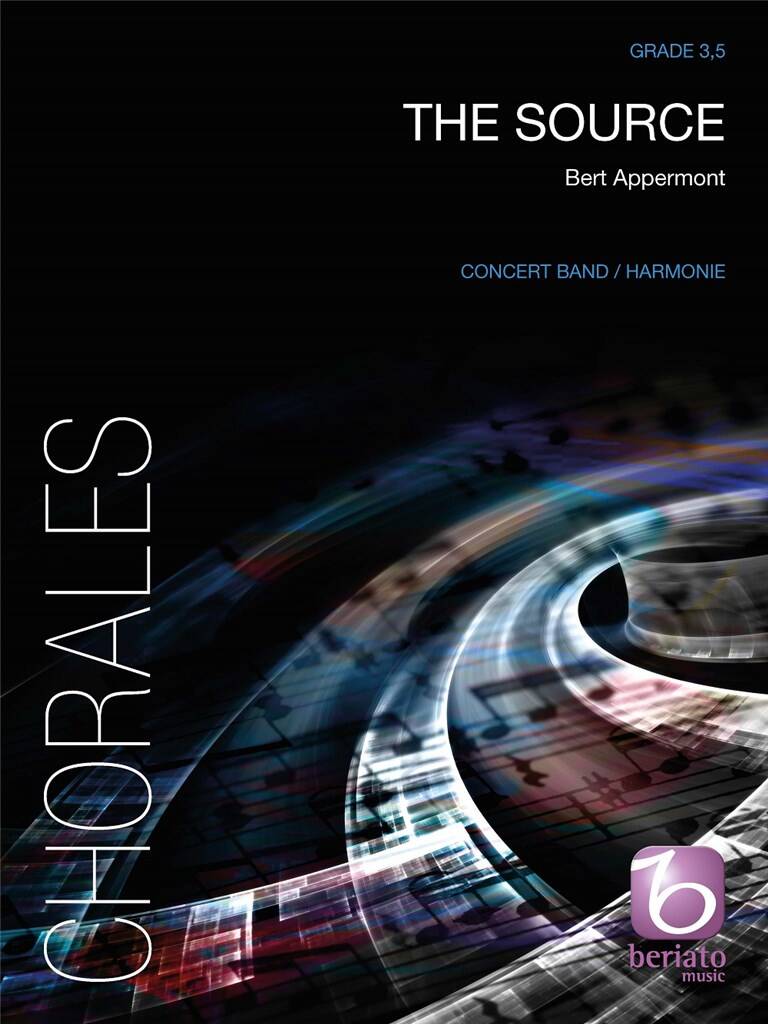
The Source - Bert Appermont
At the heart of this piece are several elements that inspired the composer. First of all: nature, infinite and inexhaustible, giving life and power, something bigger than humans can grasp. The composer used the Gregorian hymn 'Veni Creator Spiritus' as a leitmotiv to reflect this idea. A second element was the passing of David Maslanka, a dear friend of the composer, honoured in the work by a few musical 'echoes'. At the end of the work, there is a passage for optional choir in different possible settings. The Source was commissioned by the Banda Giovanlie Regionale ANBIMA FVG, Italy, and is an impressive, stirring and moving piece of music.
Estimated dispatch 7-14 working days
 View Music