
Results
-
 £64.99
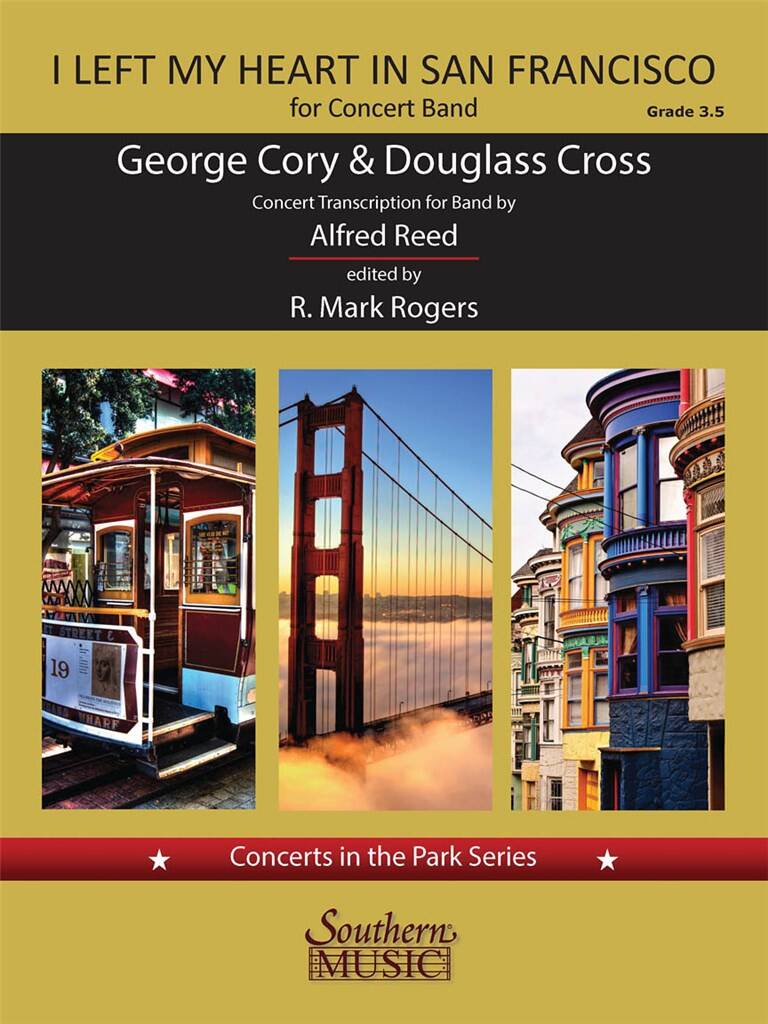
I Left My Heart in San Francisco - George Cory
I Left My Heart in San Francisco is a popular song which has become a timeless favorite, spanning across generations. With music by George Cory and lyric by Douglass Cross, it became most well-known as the signature song of Tony Bennett. This band arrangement by Alfred Reed displays the wistful melody in a lush sonic canvas rich with the instrumental colors unique to a symphonic band. This edition includes a full score and newly engraved parts, carefully edited and adapted for modern concert bands by Mark Rogers. (Grade 3.5)
Estimated dispatch 7-14 working days
-
 £149.40
Make You Feel My Love - Bob Dylan
This melody is the Norwegian version of "Make You Feel My Love" composed by Bob Dylan. The lyrics is translated by Bjarne Hjelmeland and the song performed by, among others, Norwegian singer Ingebjrg Bratland. The English version is also widely covered, notably by Adele. The lyrics is a tribute to love, and the song is a popular song for weddings. Watch balance all times, both regarding foreground/background and within instrument groups. The piece is in soft and middle soft dynamics. Make sure that it is not too loud, while maintaining marked dynamic variations.
Estimated dispatch 7-14 working days
-
 £99.99
Watch Your Step! - Philip Sparke
Watch Your Step! was commissioned by Stadtmusik Biel from Switzerland and is dedicated to the mayor of Biel/Bienne, Erich Fehr. The title was chosen to represent Biel as the watch-making capital of Switzerland. Watch Your Step! is one part of a series of 'up tempo' Sparke marches such as Slipstream, The Bandwagon and Jubiloso. After a bright opening, a syncopated first theme is played, firstly by clarinets and saxophones, and then by the full band. A 'bass strain' is followed by a contrasting second subject, which is played twice. The bass melody returns to herald a truncated version of the main theme, before the opening fanfarereappears as a coda.
Estimated dispatch 7-14 working days
-
 £224.99
Glorioso - Jan Van der Roost
Glorioso was commissioned by, and is dedicated to, the 'Siena Wind Orchestra'. The work opens after a short aleatoric intro, with an energetic and brassy 'one tone fanfare'. The note F acts as an omnipresent note, and is also used as a bridge into the second, rather static movement. A noble sounding theme leads to an impressive climax, shortly followed by the spectacular and virtuoso finale, which is built on the musical elements that have been heard before. Stylistically, this sparkling finale is clearly influenced by Dmitri Shostakovich, hence the use of the famous signature used by the Russian Master: C D E flat B (or C flat). A glorious finish to a special workthat highlights various facets of the modern concert band.
Estimated dispatch 7-14 working days
-
 £104.99
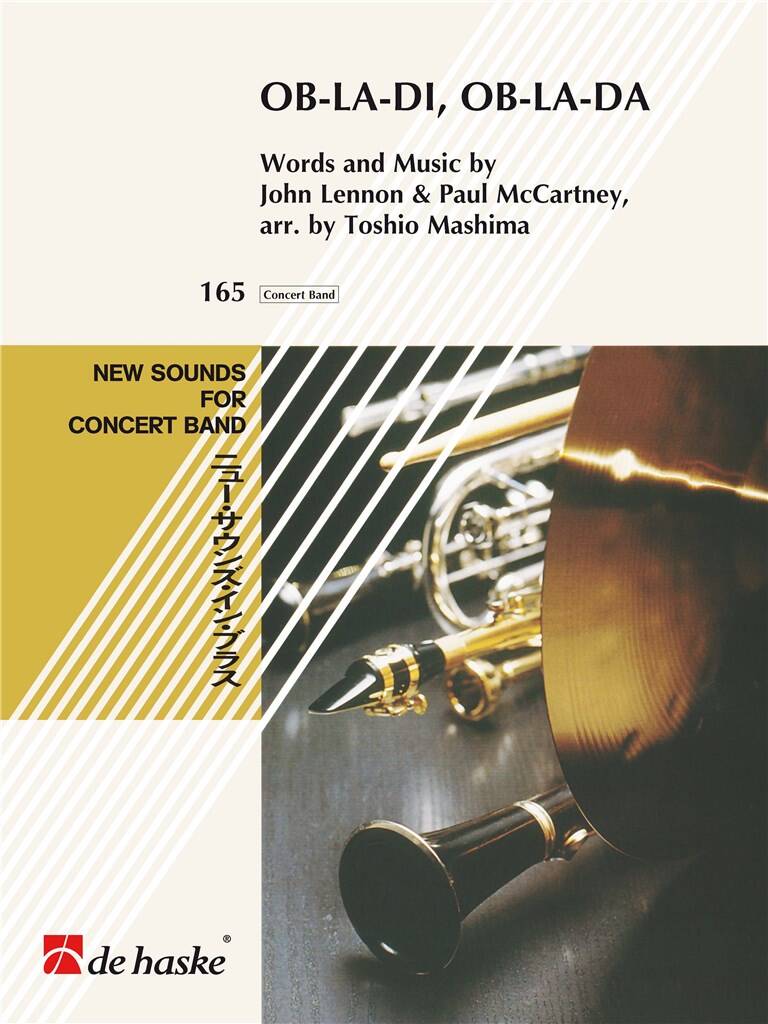
Ob-La-Di, Ob-La-Da - John Lennon
Ob-La-Di, Ob-La-Da is a song by The Beatles from their 1968 album The Beatles (often called the 'White Album'). Although credited to Lennon McCartney, the song was written solely by Paul McCartney. The tag line "ob-la-di, ob-la-da, life goeson, brah" was an expression used by Nigerian conga player Jimmy Scott-Emuakpor, an acquaintance of McCartney. This high profi le 'New Sounds' arrangement by Toshio Mashima is perfect to use as an encore for your next concert!
Estimated dispatch 7-14 working days
-
 £57.50
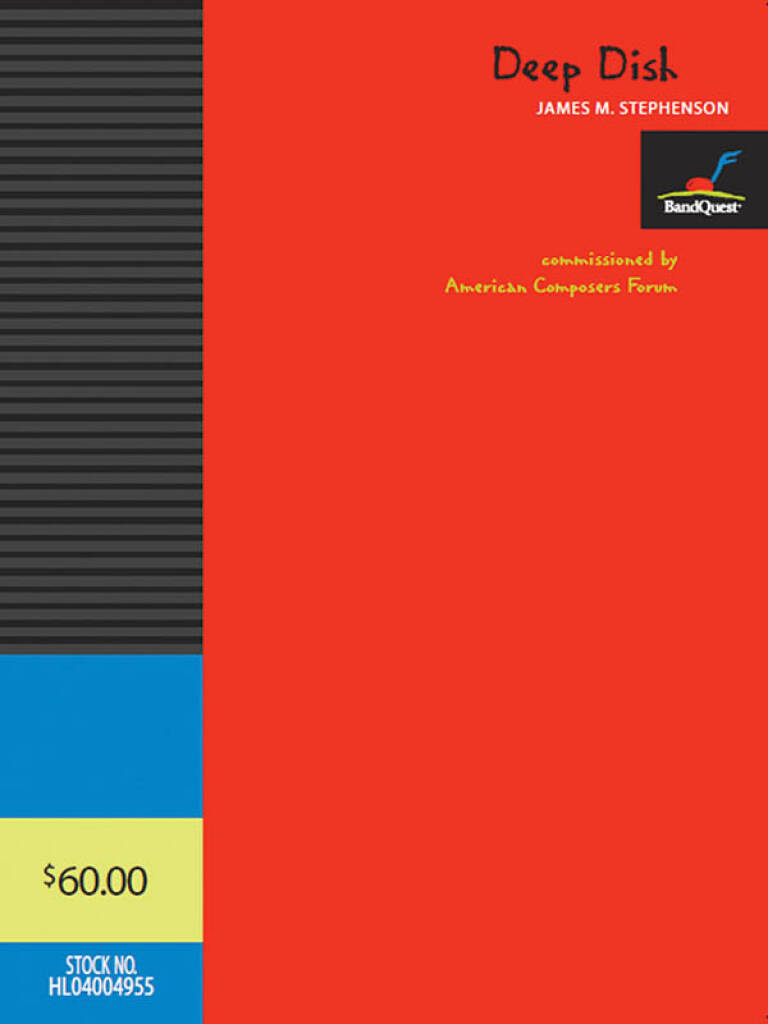
Deep Dish
Deep Dish is an engaging new piece for band inspired by the quintessential pizza in Chicago, from where composer James M. Stephenson hails. Deep Dish serves up a bluesy feel with challenging chromatic passages and saucy harmonies,and gives students the opportunity to create their own percussive sounds with kitchen utensils. A free downloadable interdisciplinary curriculum for teaching Deep Dish is available for download at www.BandQuest.org. Learn more on YouTube! BandQuest, anexciting series of new music and accompanying curricula for band, is a program published by the American Composers Forum. The series was started as a response to feedback from music educators that there is a pressing need for new,fresh band music. The heart of this program is new works written by a diverse group of leading American composers who have created challenging pieces that are a true departure from standard middle school repertoire. EveryBandQuest project includes a residency component in which the composer works collaboratively with a middle school as they create their new piece.Many BandQuest pieces are accompanied by an interdisciplinary curriculum designed toassist students as they learn the music and to integrate each piece with non-music studies. Visit www.bandquest.org to learn more about this innovative series, and email [email protected] to request a free downloadableaudio catalog.
Estimated dispatch 7-14 working days
-
 £112.50
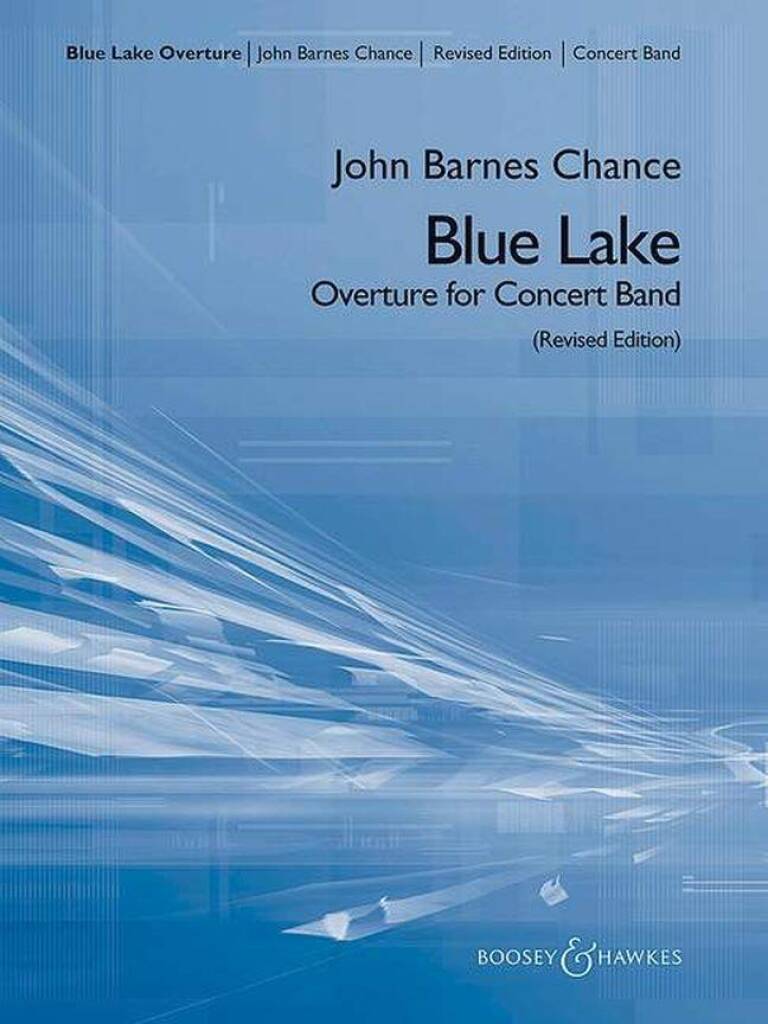
Blue Lake - John Barnes Chance
Commissioned by the Blue Lake Fine Arts Camp in Michigan and premiered in 1971, this dynamic composition by John Barnes Chance has a unique history. The outer sections of the work feature a rhythmic intensity created in part by Chance's free use of eight-note groupings of 2 and 3. However, when first published, the meter was changed to 4/4 resulting in awkward notation of these figures. Through painstaking research by Carl Bjerregaard, Donald Flickinger, and Myron Welch (all connected with Blue Lake) this revised edition restores the asymmetric meters as the composer originally intended.
Estimated dispatch 7-14 working days
-
 £57.50
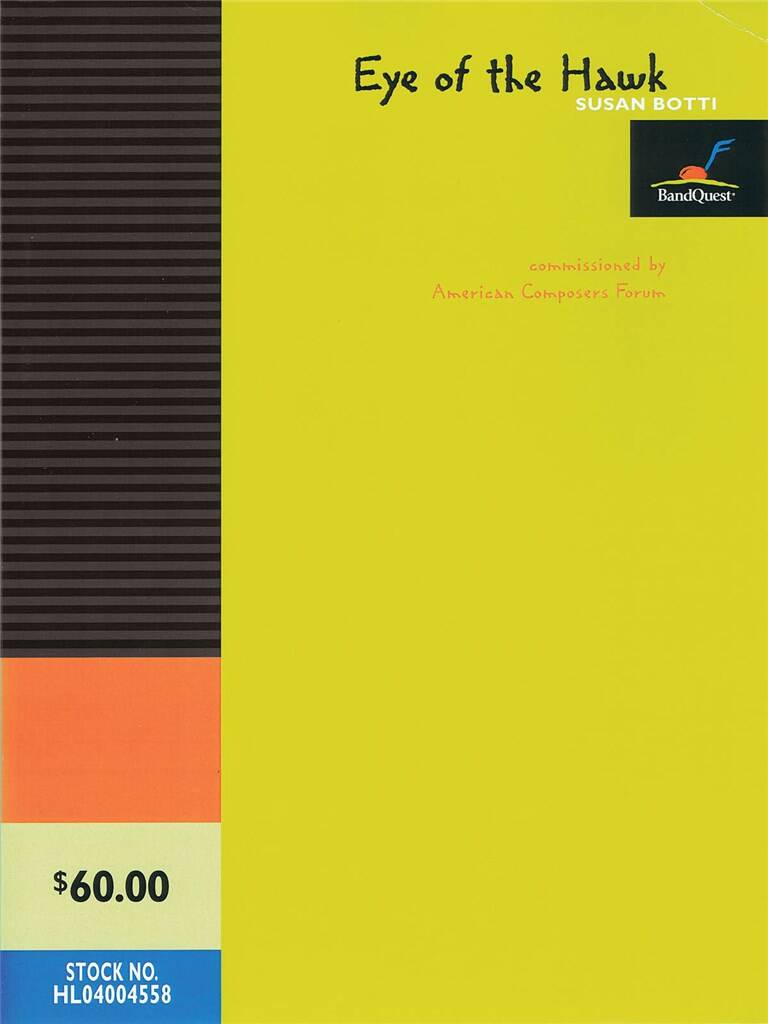
Eye of the Hawk - Susan Botti
Eye of the Hawk was inspired by the beautiful and majestic Hudson Valley. I wanted to base the piece on something that would resonate with the band who would be premiering it ... my local, exceptional, middle school band. The hawkbecame our spirit animal, and represented to me many of the qualities that are inherent in a young person of that age - bold, instinctive, elegant - a fierce creature who owns the sky. The music conveys power, freedom, andconfidence. Just like the students. -Susan Botti. A free downloadable interdisciplinary curriculum for teaching Eye of the Hawk is available for download at www.BandQuest.org. Learn more on YouTube! BandQuest, an exciting series of new music and accompanying curricula forband, is a program published by the American Composers Forum. The series was started as a response to feedback from music educators that there is a pressing need for new, fresh band music. The heart of this program is new workswritten by a diverse group of leading American composers who have created challenging pieces that are a true departure from standard middle school repertoire. Every BandQuest project includes a residency component in which thecomposer works collaboratively with a middle school as they create their new piece.Many BandQuest pieces are accompanied by an interdisciplinary curriculum designed to assist students as they learn the music and to integrate eachpiece with non-music studies. Visit www.bandquest.org to learn more about this innovative series, and email [email protected] to request a free downloadable audio catalog.
Estimated dispatch 7-14 working days
-
 £79.99
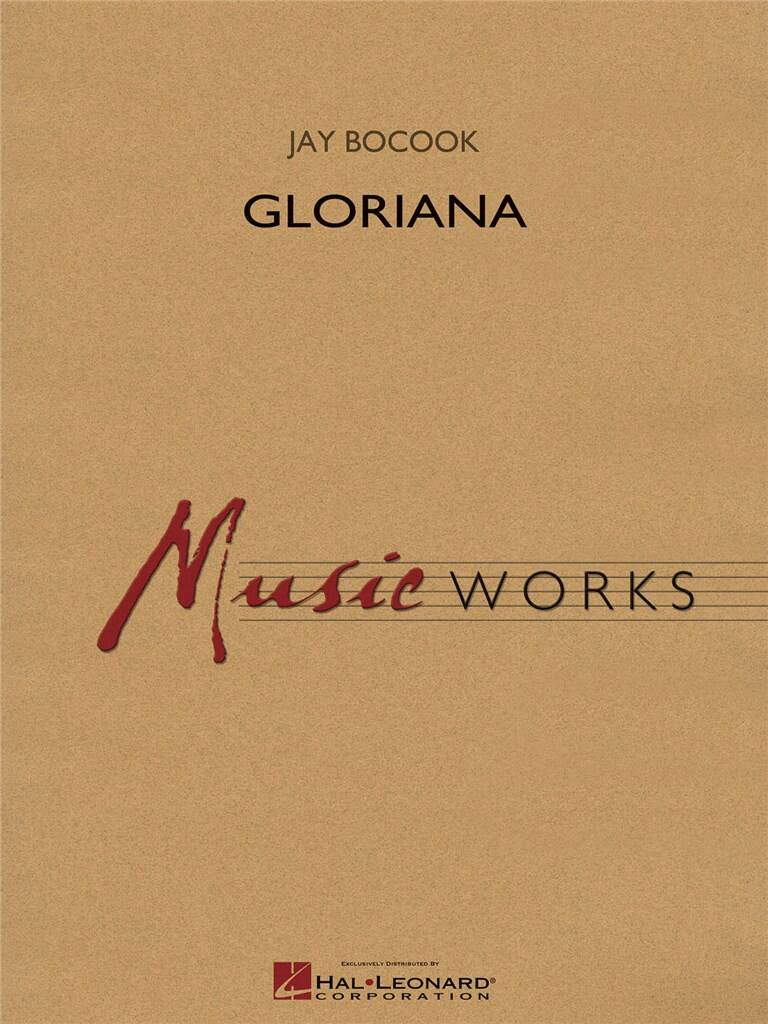
Gloriana - Jay Bocook
Commissioned by Furman University for the inauguration of its 12th president, Jay Bocook's Gloriana is based on The Faerie Queene, an incomplete English epic poem written by Edmund Spenser and dedicated to Queen Elizabeth I. Inthe poem, Queen Elizabeth is represented as the faerie queene herself, Gloriana. This stately work for winds and percussion has a regal quality enhanced by soaring melodies and punctuated with fanfare-like brass figures. Theoptional organ part provides an added dimension to the overall uplifting effect. Dur: 3:20 (Recorded by the Furman University Wind Ensemble - Leslie Hicken, conductor)
Estimated dispatch 7-14 working days
-
 £57.50
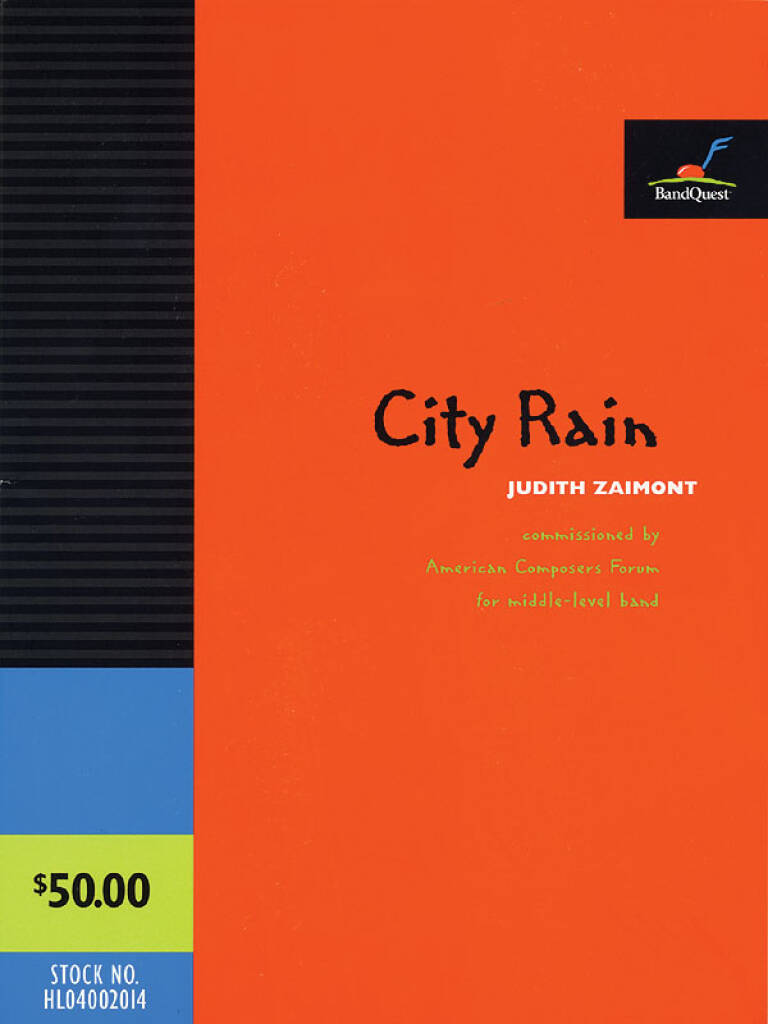
City Rain - Judith Lang Zaimont
In her tone poem City Rain, Judith Zaimont captures the spirit and vitality of a summer shower as it falls on a busy city street. This piece draws a lively picture of a passing storm and is unified by the jazz-like rhythmic motive based on the pattern of the title words city rain. Zaimont paints the image of rain through the rhythmic motive and the use of body percussion and alternative instruments (such as tapping patterns on music stands). As the music unfolds, each section of the band is spotlighted at different times. The instruments also join together to produce layers of sound that create interesting and complex jazz chords. BandQuest, an exciting series of new music and accompanying curricula for band, is a program published by the American Composers Forum. The series was started as a response to feedback from music educators that there is a pressing need for new, fresh band music. The heart of this program is new works written by a diverse group of leading American composers who have created challenging pieces that are a true departure from standard middle school repertoire. Every BandQuest project includes a residency component in which the composer works collaboratively with a middle school as they create their new piece. Many BandQuest pieces are accompanied by an interdisciplinary curriculum designed to assist students as they learn the music and to integrate each piece with non-music studies. Visit www.bandquest.org to learn more about this innovative series, and email [email protected] to request a free downloadable audio catalog.
Estimated dispatch 7-14 working days
 View Music