
Results
-
 £128.80
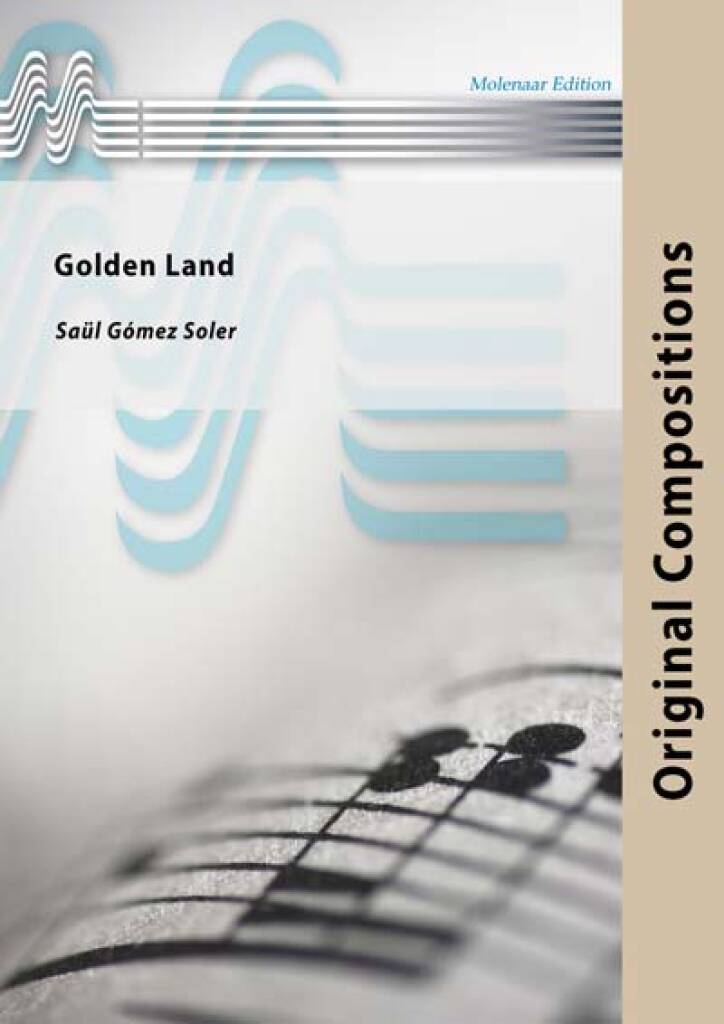
Golden Land - Saul Gomez Soler
This Symphonic Poem was dedicated to the Musical Union El Xquer from Sumacrcer and its conductor, Josep Ros. The work is inspired by the people from Sumacrcer trying to tell the different characteristic things that identify it: its people, its festivals, the Xquer river, the Penya-Roja castle, its orange groves and streets. We can find different languages throughout the work to narrate it, all of them are related to each others by a small generator motive about all the musical idea. The work has been written to take part in the 129th edition of the International Competition of Valencia.
Estimated dispatch 7-14 working days
-
 £64.99
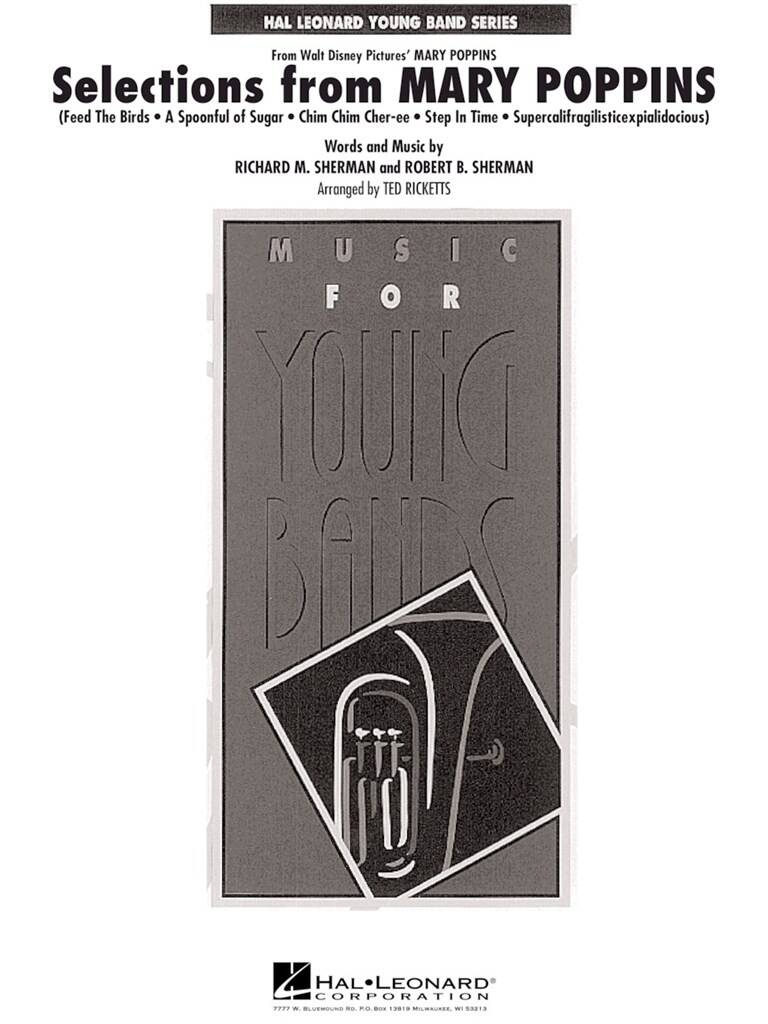
Selections from Mary Poppins
One of the most endearing musicals of all time is this Disney classic featuring Julie Andrews and Dick Van Dyke. From top to bottom the quality and appeal of all the songs is unmatched. This medley is a guaranteed audience favorite and includes: Step in Time, Supercalifragilisticexpialidocious, Chim Chim Cher-ee, Feed the Birds and A Spoonful of Sugar.
Estimated dispatch 7-14 working days
-
 £60.99
X Factor - Michael Oare
Composed entirely in a single fast tempo, this distinctive work uses a 2-measure rhythmic pattern as the underlying unifying element. Intensity and pacing are skillfully created using dynamics along with instrument groups added in layers, all culminating in an exciting finish.Featuring some unpredictable twists and turns, this one is fun for all sections of the band!
Estimated dispatch 7-14 working days
-
£103.20
Eternal Harmony - Kevin Houben
In memory of Ralph Lenssen - dedicated to the Royal Wind Orchestra St. Philomena Chevremont on the occasion of its 125th anniversaryEternal Harmony is a restrained yet powerful tribute in which memory, connection, and musical tradition come together. The work was composed in memory of Ralph Lenssen and dedicated to the Royal Wind Orchestra St. Philomena Chevremont, which celebrates an impressive musical legacy with this anniversary.At the heart of the composition lies an intensely lyrical melody that runs like a guiding thread throughout the piece. This musical core is continuously illuminated, deepened, and transformed, giving rise to a rich and layered sound world.Throughout the work, an expressive journey unfolds, filled with subtle and enchanting turns. The wind orchestra is used in all its facets: from intimate, transparent passages to full, sustained soundscapes. This interplay creates a spectrum of contrasts in which musicality, balance, and tone color take center stage.Warm harmonies and organically flowing chord progressions contribute to an atmosphere of serenity and reflection. At the same time, the music builds toward moments of intensity and emotional depth, in which the orchestra reveals its full sonic richness.Eternal Harmony is thus more than a composition: it is a musical remembrance, a quiet dialogue between past and present, and a tribute to both a cherished individual and an orchestra that has embodied music and community for 125 years.
Estimated dispatch 7-14 working days
-
 £60.99
Hip, Hip, Jorge! - Jorge L. Vargas
This percussion leads the party in this sensational Latin work with a catchy title and even catchier melody that will keep your kids practicing and your audience dancing. Based on the son clave rhythm, this work is full of syncopations and salsa rhythms and covers a wide variety of dynamics and articulations. All sections enjoy amazing parts. A must-have in every library!
Estimated dispatch 7-14 working days
-
 £57.50
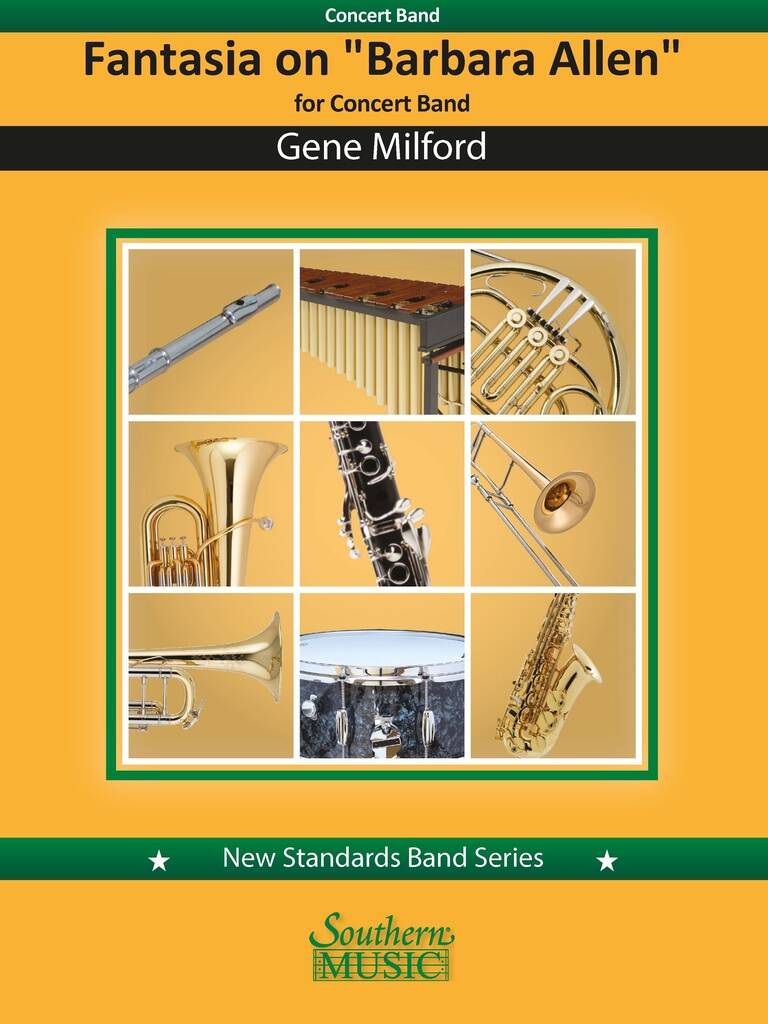
Fantasia on Barbara Allen
Beautiful solo and ensemble playing highlights this lovely folk song treatment from Gene Milford. The work features interesting parts for all players and demonstrates a mastery of concert band sonority.
Estimated dispatch 7-14 working days
-
 £65.99
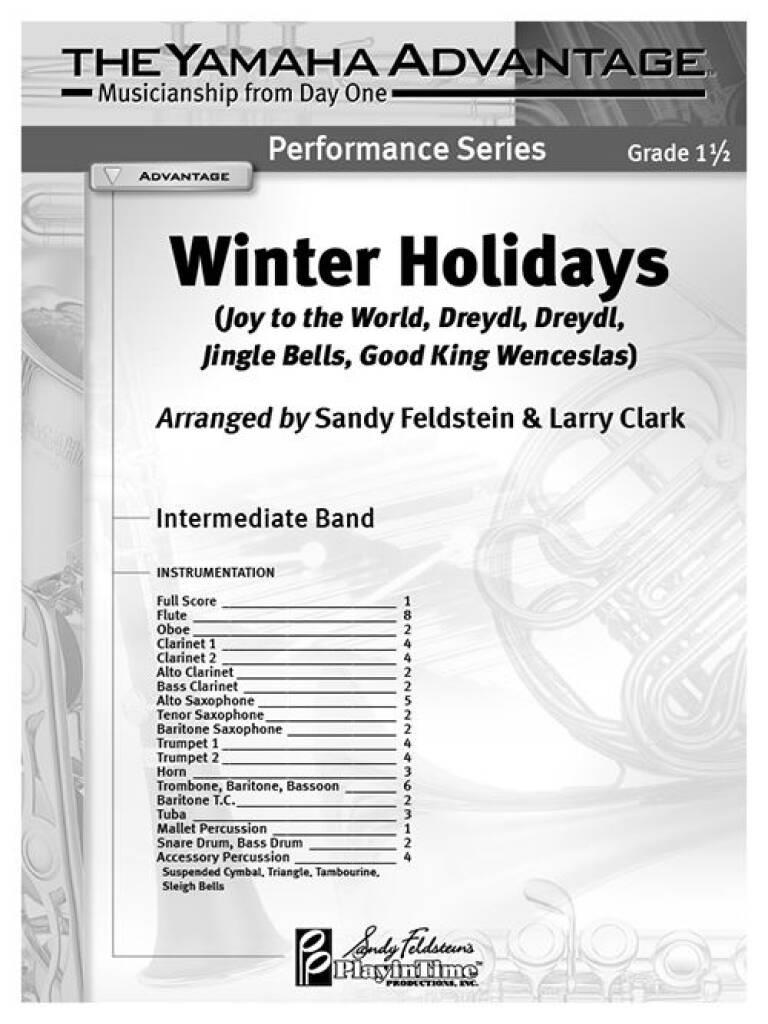
Winter Holidays - Sandy Feldstein
This unique medley combines four beloved Christmas and Hanukkah songs into a festive musical celebration! The songs can be heard individually and together throughout the piece, and at one point, are combined all at once!
Estimated dispatch 7-14 working days
-
 £60.50
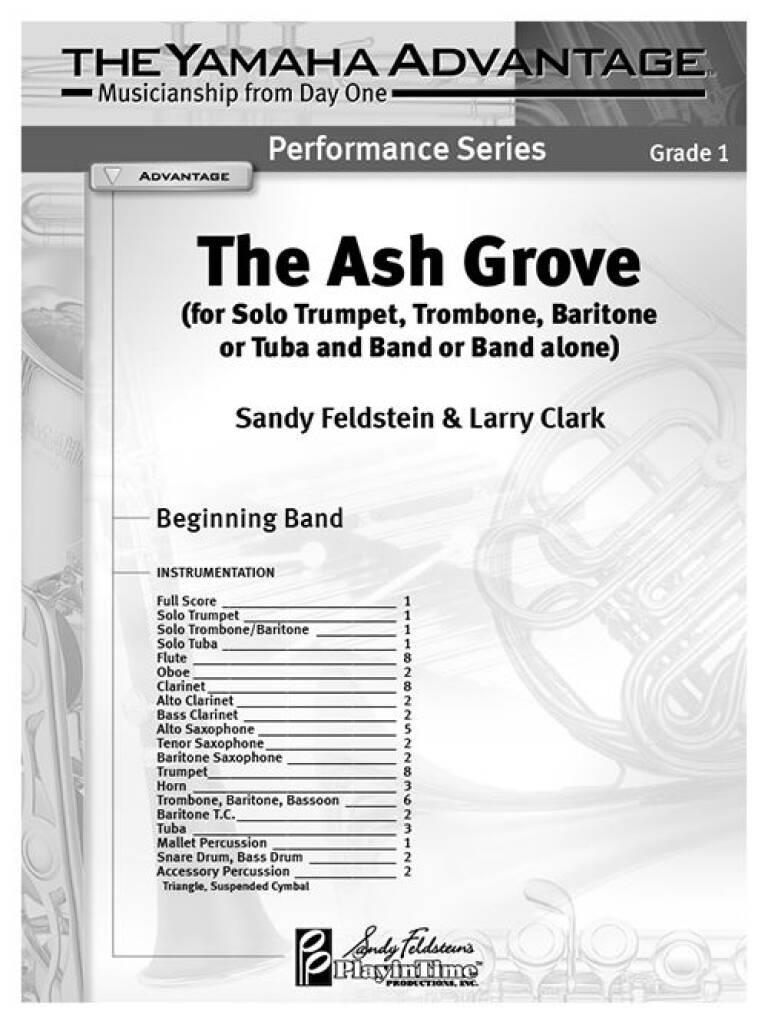
The Ash Grove - Sandy Feldstein
Designed to give your best Trumpet, Trombone, Euphonium, or Tuba player an opportunity to play a solo with Band accompaniment. It should serve as the culmination of study for the soloist upon completion of "The Yamaha Advantage" Book 1, or any comparable method. The piece has all of the solo material cued in the Band, so if a soloist is not available, the piece can be performed with Band alone.
Estimated dispatch 7-14 working days
-
 £60.50
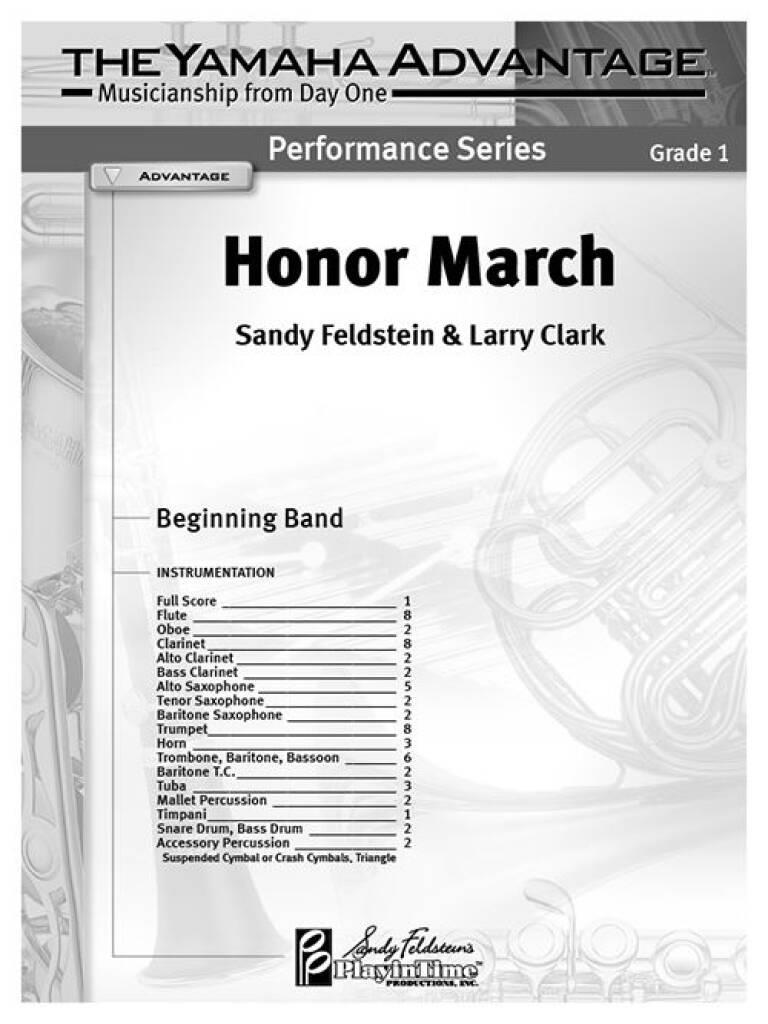
Honor March - Sandy Feldstein
Perfect for introducing your young Band to March form and style. Playing Marches is an important part of the Wind Band heritage, and is an art that all Band students should become familiar with.
Estimated dispatch 7-14 working days
-
 £71.50
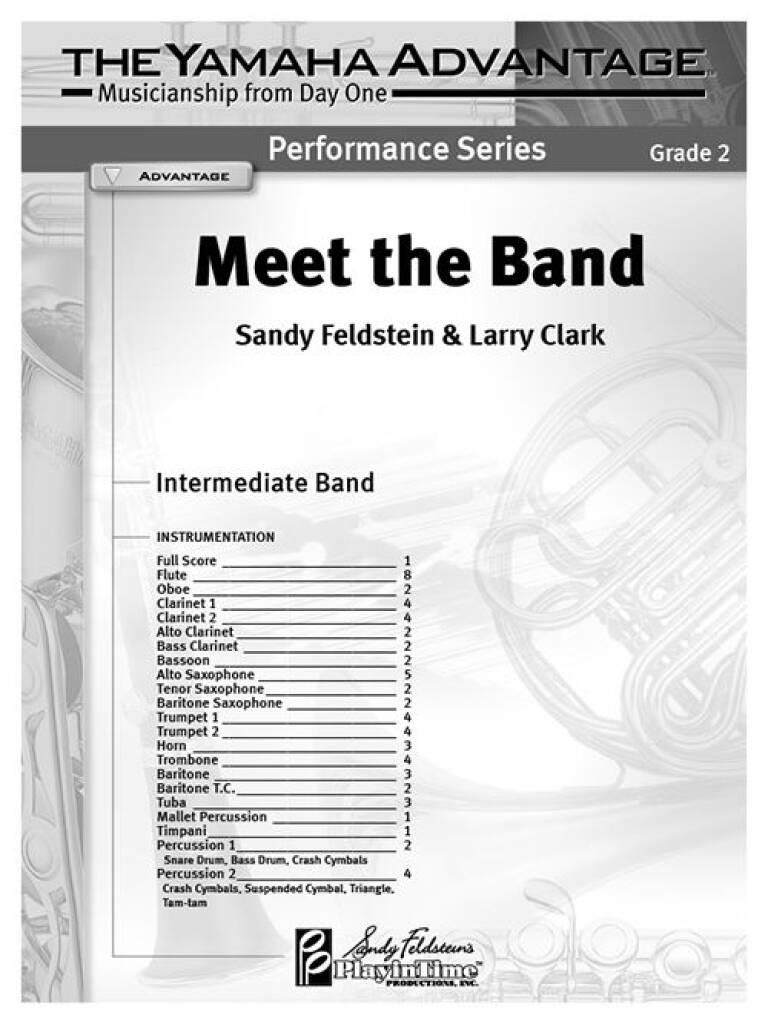
Meet the Band - Sandy Feldstein
The perfect piece for a recruitment concert! Join narrator "Sam the Snare Drum" as he takes students on a musical journey that introduces all of the instruments and sections of the band. Many of the instrumental themes will be familiar to students who have used the "Yamaha Advantage Recorder Plus" method. Each section, as well as the whole Band, get chances to shine in this entertaining recruitment tool.
Estimated dispatch 7-14 working days
 View Music