
Results
-
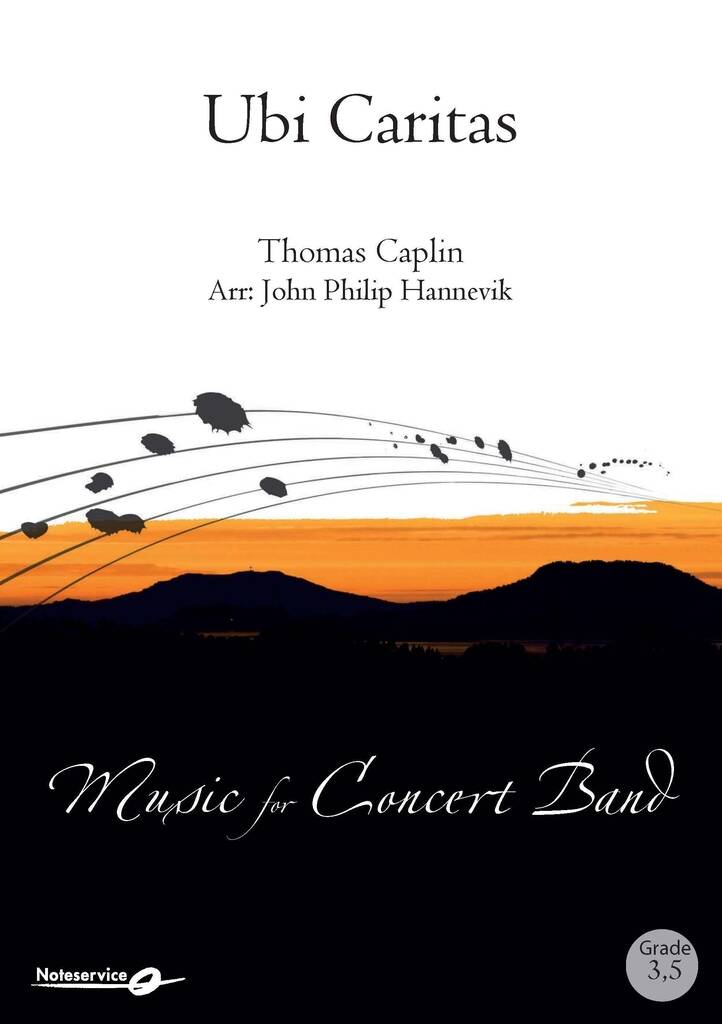 £149.40
Ubi Caritas - Thomas Caplin
Thomas Caplin is a Swedish professor of choral conducting. He works at the Inland Norway University of Applied Sciences in Hamar. He composed this beautiful opus for choir based on the ancient text Ubi caritas.The text is often used during Maundy Thursday, describing Jesus washing the feet of his disciples: Where charity and love are, there God isIn this arrangement, a smaller group of players are soloists. The arrangement will work well if the group can be placed on a gallery or at the back of the concert hall.
Estimated dispatch 7-14 working days
-
 £179.99
Austrian Overture - Thomas Doss
Austria is an industrious country. During the last century--which was characterized by extreme changes--the hard-working and ambitious people achieved a great deal, enduring two world wars and numerous political skirmishes. Despite all the problems involved in a change from a dual monarchy to a small state, Austria has found its independence. With his Austrian Overture, Thomas Doss looks toward the future. The first part of the composition provides an optimistic outlook; along with the happiness and energy, some musical humor is also present: while the horns powerfully express joy, small yodeling melodies sound throughout. As the rhythm continues insearch of new ways to go, catchy tunes compete to be heard. However, in addition to the energetic, diligent Austria, there's also the quiet landscape where one can enjoy repose and beauty. These aspects - as well as the freedom of spirit and cultural life -are conveyed in the second part of the work through the surprising linking of chords, romantic phrasing, and tender melodies. But life never stands still: creativity, ambition, and work are the driving forces of our existence. Embracing this thought, a reprise of the first part provides a compelling ending.
Estimated dispatch 7-14 working days
-
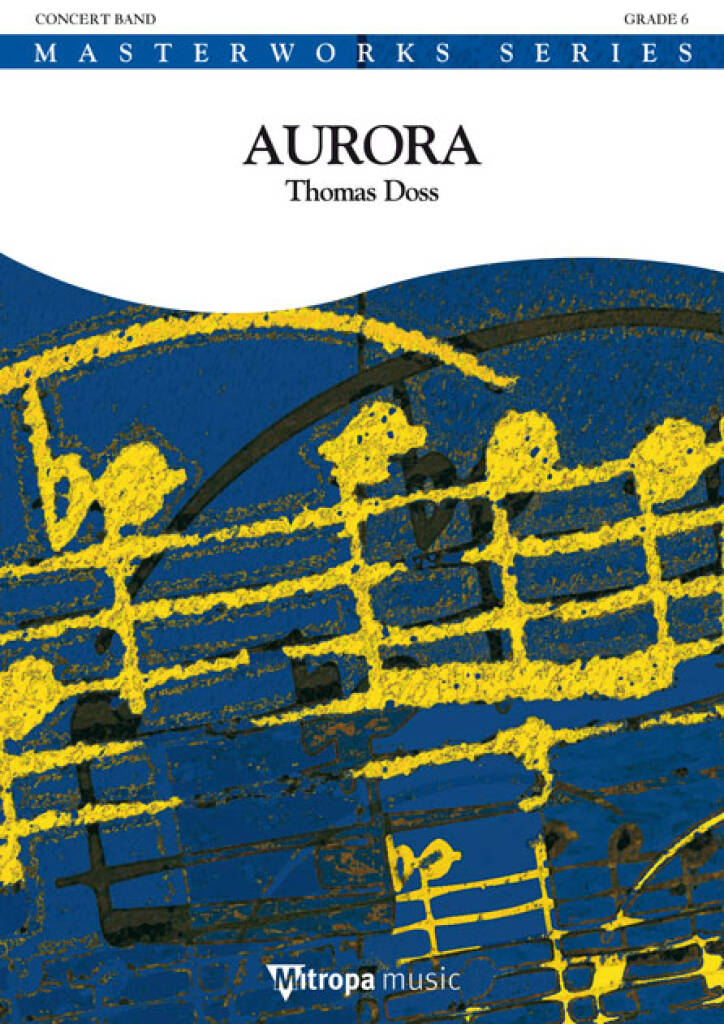 £194.99
Aurora - Thomas Doss
Aurora was the Greek goddess of dawn. Through the ages dawn has had a significant spiritual meaning - daylight conquering the ominous darkness of the night. This exciting work by Thomas Doss uses musical imagery to reflect the meaning of dawn by cultures throughout the world. The emphasis lies on oriental sounds - symbolizing the daily aurora in the Far East.
Estimated dispatch 7-14 working days
-
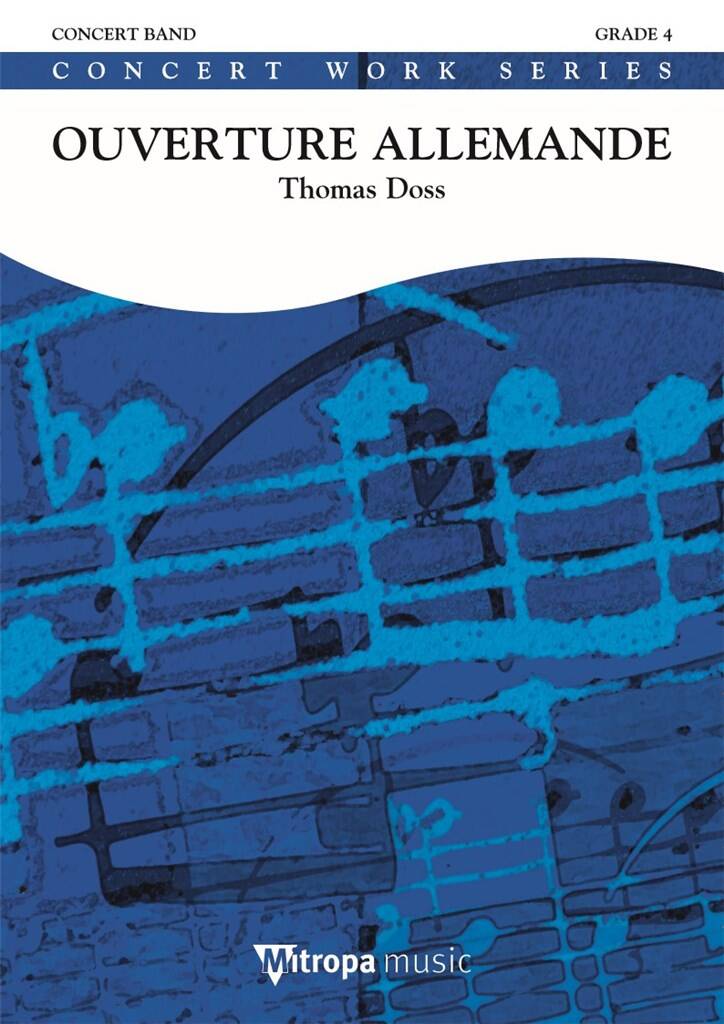 £154.99
Ouverture Allemande - Thomas Doss
This festive overture by the Austrian composer Thomas Doss, whose father was German, is intended to be a symbol of the friendship between Germany and Austria, and the countries that border on these two states. In times of union and cooperation, the European thinking should be one of tolerance and openness when it comes to national identities and cultures. European culture has many faces - that is what makes it unique. The shadows of the past, however, should never be forgotten, but they must not obscure the present and the future. Many ghosts wander through this overture, and those who listen carefully will also hear a great master of classical music ghost around. Acreative new opening work for any concert.
Estimated dispatch 7-14 working days
-
 £69.99
Tallis' Canon - Thomas Tallis
The well-known 16th Century canon by Thomas Tallis is as effective as it is simple. This arrangement includes four verses of the melody: the first in the form of canon; the second for brass; the third for woodwind and the fourth for the entire orchestra. Philip Sparke's arrangement is also well suited for incomplete brass ensembles.
Estimated dispatch 7-14 working days
-
 £89.99
Montana Fanfare - Thomas Doss
This piece was composed as a birthday present for the Austrian conductor Walter Rescheneder to acknowledge the strong support he has given to the composer, Thomas Doss. Doss drew the inspiration for this fanfare from a mountain hike in the Salzkammergut. A powerful fanfare reveals enthusiasm and triumph. It is an exulting feeling and gives boundless freedom to look down into the depths from high up giving a view of the stunning landscape. The main melodic theme represents the feeling of vastness one experiences by taking just one quick glance into the distance. A musical treat!
Estimated dispatch 7-14 working days
-
 £104.99
Fanfare del Popolo - Thomas Doss
Fanfare del Popolo - fanfare of the people - is a reminder of the terrible periods of fascism and dictatorship in world history. It describes a revolution of the oppressed against the tyrant. The people storm the bastions of the dominion and take their fate into their own hands. This fanfare was commissioned by the Symphonic Band Vorarlberg and its conductor Thomas Ludescher. It is dedicated to all people who currently have to live in countries under dictatorship. This item makes an ideal opening work for any concert.
Estimated dispatch 7-14 working days
-
 £134.99
La Danza - Thomas Doss
La Danza was written for the 20th anniversary of the North-Italian Sdtiroler Jugendblasorchester. Dancing is a form of expression that has been with us humans since the beginning of our existence; just like singing, it is a spontaneous demonstration of emotion. So, what could be better than a dance for an anniversary celebration? Thomas Doss has it covered!
Estimated dispatch 7-14 working days
-
 £87.99
Glow - Thomas Doss
The alpenglow - a reddish light on the mountains before sunrise or after sunset - has a magical effect on us humans. It inspires, arouses desire, creates spirituality as well as inner peace, and it closes or opens the course of the day. At the same time, it shows us our mortality. Thomas Doss has written a beautifully sensitive composition based on a motif by Anita Wallner, which touches performers and listeners alike.
Estimated dispatch 7-14 working days
-
 £104.99
A Northern Jubilee Fanfare - Thomas Doss
A city celebrating a jubilee is always a very special occasion - this is certainly the case for the fiftieth anniversary of the German city of Norderstedt. In light of this milestone, composer Thomas Doss has written a festive work which conveys pride, joyfulness, ideals and the thirst for action. The joy in the music is so palpable that sparks will fly - everyone is guaranteed to have a good time.
Estimated dispatch 7-14 working days
 View Music