
Results
-
 £189.99
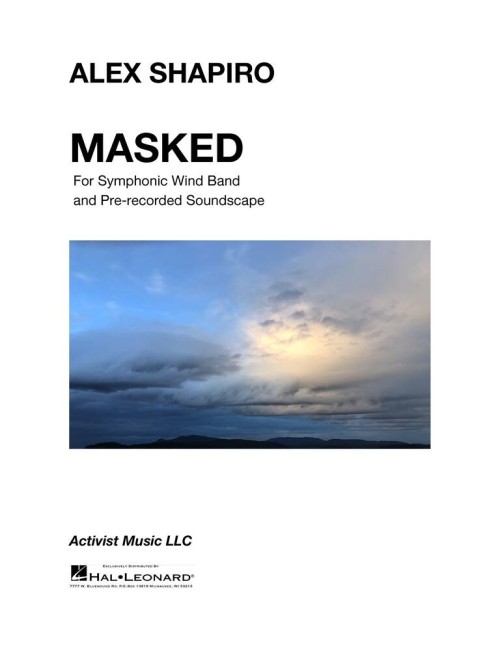
Masked (Prerecorded Soundscape with Concert Band - Score and Parts) - Shapiro, Alex
Movement 3 from SuspendedMasked by Alex Shapiro is composed in the exact shape of a Classical Minuet and Trio waltz, though the music--a whimsical if somewhat demented masked ball (or, balls, in this case)--bears little connection to that of Mozart or Haydn. Historically, third movement Minuets gave way to the joke-like Scherzo, and the Trio section tips its hat to some welcome levity. This is one of four movements in Suspended, a piece is composed in the tradition of an 18th century Classical symphony: four contrasting movements which serve specific functions and reveal a story. The work begins in absolute rage and chaos, then alternates between moments of grief and bleakness. Grim reality shifts to a macabre, circus-like insanity, and by the end, flickers of genuine hope contrast a pervasive sense of dread, and finally arrive at more optimistic possibilities.To perform the piece, you'll need an audio system capable of playing the pre-recorded audio tracks from a laptop computer via a small digital audio interface connected to an audio mixer. Download information is provided in the printed piece.Duration: 5.00
Estimated dispatch 7-14 working days
-
 £149.99
Crystal Magic (Concert Band - Score and Parts) - Appermont, Bert
The source of inspiration for this work is the magical world of gemstones. The special powers of four of these stones appealed to composer Bert Appermonts' imagination. In this work, different distinguishing atmospheres are evoked. The work is composed as a suite containing four movements: Carnelian: The Stone of Perseverance, Opal: The Stone of Misfortune, Amethyst: The Stone of Wisdom and Amazonite: The Stone of Playfulness. This is a challenging and striking piece of music to inspire your audience in a concert or a jury during a contest.Duration: 9.45
Estimated dispatch 7-14 working days
-
 £58.50
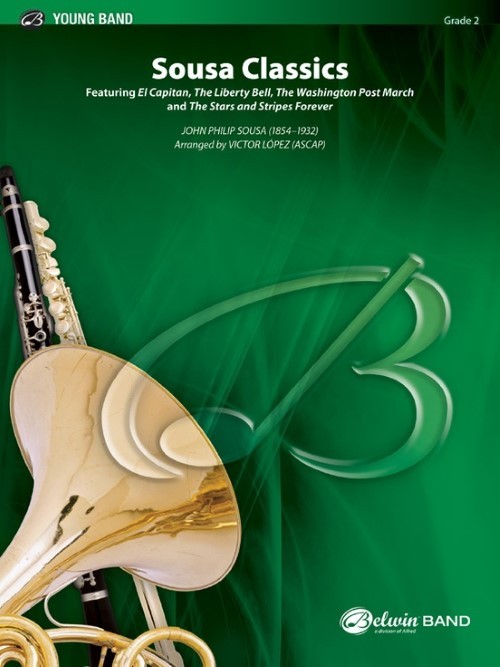
Sousa Classics (Concert Band - Score and Parts) - Sousa, John Philip - Lopez, Victor
Written for the Young Band series and arranged by Victor Lopez, this piece features "El Capitan," "The Liberty Bell," "The Washington Post March," and "The Stars and Stripes Forever"---four trio sections of John Philip Sousa's greatest marches. You can never go wrong with a march, and this dynamic arrangement has four of Sousa's best.Duration: 2:30
Estimated dispatch 7-14 working days
-
 £60.50
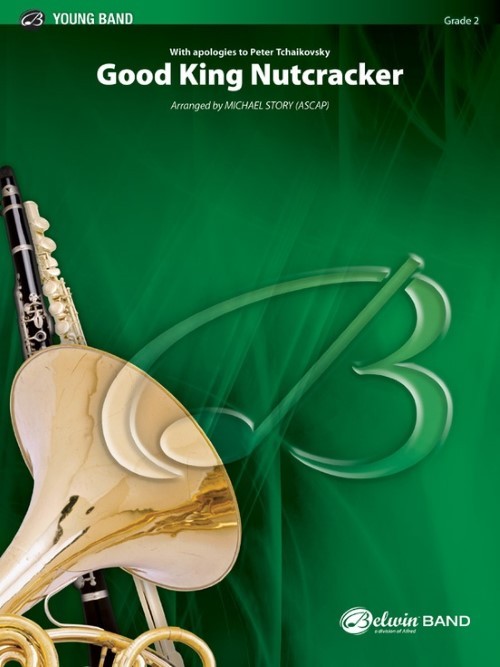
Good King Nutcracker (Concert Band - Score and Parts) - Tchaikovsky, Peter Ilyich - Story, Michael
Good King Nutcracker is based on the popular holiday carol Good King Wenceslas, set in four variations mimicking the style and setting of four scenes from Tchaikovsky's ballet, The Nutcracker. Have all your holiday bases covered with this creative and inspiring work. Duration: 3.15
Estimated dispatch 7-14 working days
-
 £73.50
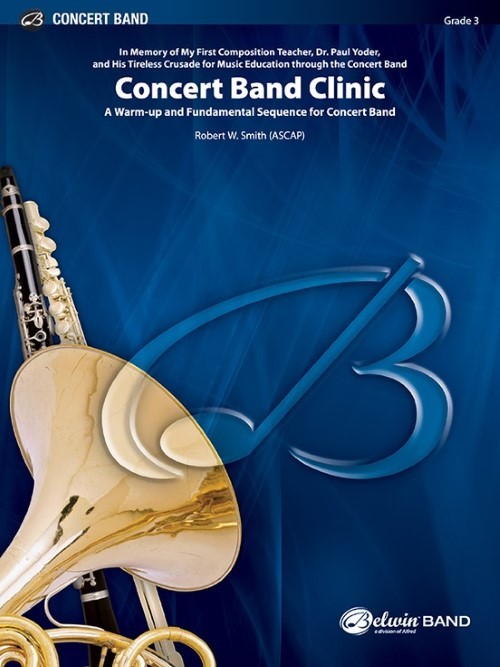
Concert Band Clinic (Concert Band - Score and Parts) - Smith, Robert W.
A Warm-Up and Fundamental Sequence for Concert Band. Progressive in depth and organization, this is the third of four comprehensive warm-up programs used by Robert W. Smith at the podium of every honor band he guest conducts. This warm up program is designed for use in any key with just a standard student part to be included in the band's folders. This Clinic will provide everything you need for your daily warm-up and support your teaching objectives, as well as accommodate the National Standards for Music Education. There are four segments in each Clinic: tone, technique, theory and composition, and chorale. The recording included is only the fourth portion; the chorale.
Estimated dispatch 7-14 working days
-
 £84.50
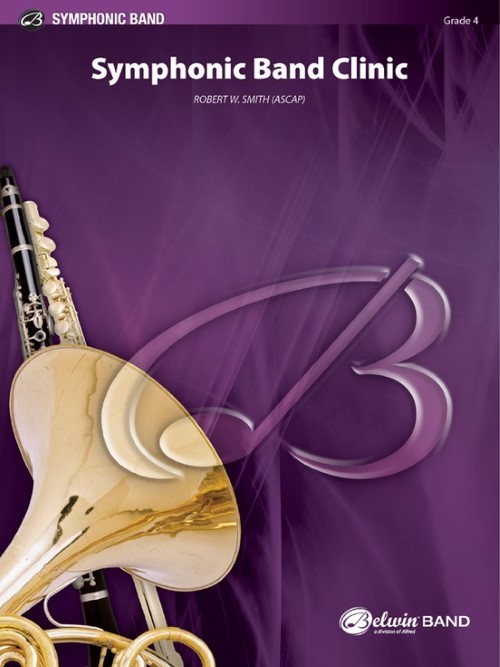
Symphonic Band Clinic (Concert Band - Score and Parts) - Smith, Robert W.
A Warm-Up and Fundamental Sequence for Concert Band. Progressive in depth and organization, this is the fourth of four comprehensive warm-up programs used by Robert W. Smith at the podium of every honor band he guest conducts. This warm up program is designed for use in any key with just a standard student part to be included in the band's folders. This "Clinic" will provide everything you need for your daily warm-up and support your teaching objectives, as well as accommodate the National Standards for Music Education. There are four segments in each Clinic: tone, technique, theory and composition, and chorale. The recording included is only the fourth portion; the chorale. Chorale only duration: 1:10
Estimated dispatch 7-14 working days
-
 £58.50
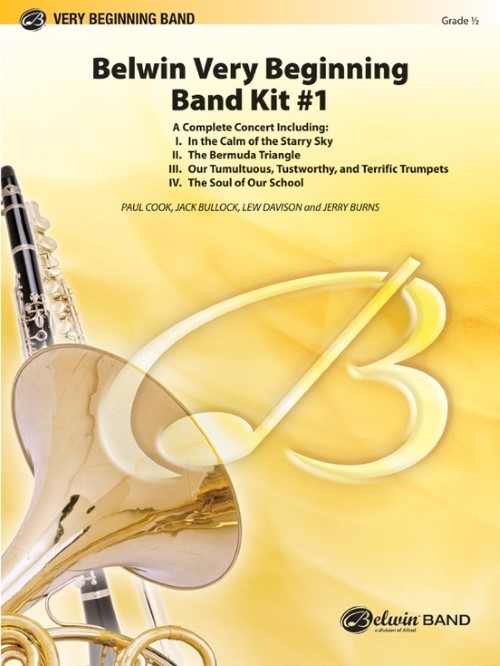
Belwin Very Beginning Band Kit No.1 (Concert Band - Score and Parts)
Four brand new original band composers have been joined to create an excellent choice for your entire first concert. Accommodating your beginners' endurance, all of these four short works appear on a single two-page spread. You can play them all at one concert or one-at-a-time in different programs. This great new kit includes Paul Cook's "In the Calm of the Starry Sky," Jack Bullock's "The Bermuda Triangle," a trumpet feature by Lew Davison called "Our Tumultuous, Trustworthy, Terrific Trumpeters," and closes with Jerry Burns' "The Soul of Our School." The Belwin Very Beginning Band Kit No.1 will be a great, value-packed addition to your library.Duration: 3:30
Estimated dispatch 7-14 working days
-
 £60.50
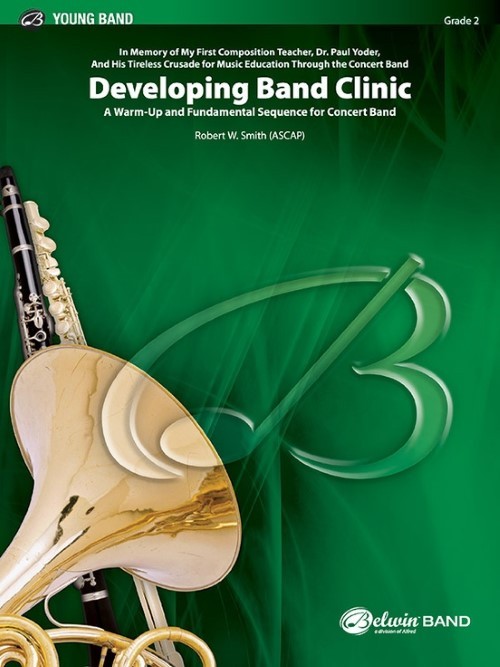
Developing Band Clinic (Concert Band - Score and Parts) - Smith, Robert W.
A Warm-Up and Fundamental Sequence for Concert Band. Progressive, in-depth and highly organized, this is the second of four comprehensive warm-up programs used by Robert W. Smith at the podium of every honor band he guest conducts. This warm up program is designed for use in any key with just a standard student part to be included in the band's folders. This Clinic will meet your daily warm-up needs, support your teaching objectives, and accommodate the National Standards for Music Education. There are four segments in each Clinic: tone, technique, theory and composition, and chorale. The recording included is only the fourth portion; the choral.
Estimated dispatch 7-14 working days
-
 £53.95
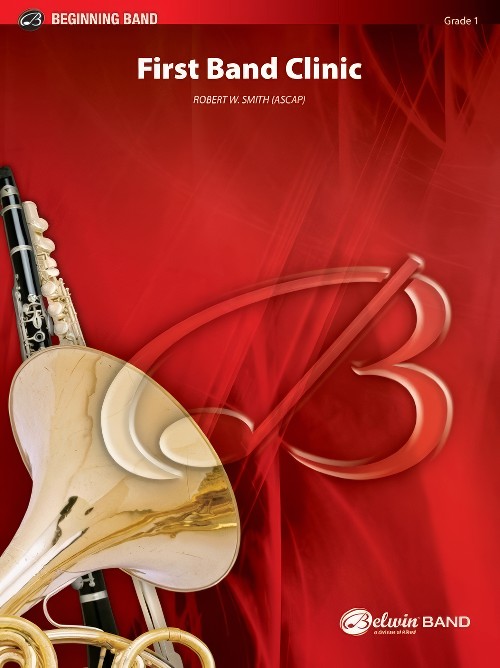
First Band Clinic (Concert Band - Score and Parts) - Smith, Robert W.
This warm-up program is designed for student transposition to any appropriate key. This single band part for inclusion in the students' folders will exceed your daily warm-up and teaching objectives while meeting the National Standards. There are four segments in each "clinic": tone, technique, theory and composition, and a chorale. Progressive, in-depth and highly organized, this is the first of four comprehensive warm up programs used by Robert W. Smith from the podium at every honor band he guest conducts. The recording included is only the fourth segment; the chorale.
Estimated dispatch 7-14 working days
-
 £470.99
Earth, Water, Sun, Wind (Symphony No.1) (Concert Band - Score and Parts) - Sparke, Philip
Earth, Water, Sun, Wind is a four movement work with the unifying theme of these four elements. The music varies from being purely descriptive of the movements' titles to specific sound painting - Earth, for example, is pure music and non programmatic whereas Sun attempts to paint a specific sound picture. The Symphony as a whole concerns itself with man's relationship with these monumental aspects of nature.Duration 31:30Recorded on Anglo Records AR001-3 Earth, Water Sun, Wind
Estimated dispatch 7-14 working days
 View Music