
Results
-
 £8.95
£8.95True Love Ways (Concert Band - Score Only) - Farnon, David
Buddy Holly wrote one of the most important chapters in the history of rock music and created a legend. Born in Texas, his early interest was in country and western music, and his first releases were with The Crickets. Thatll Be the Day went to number one in 1957 and a string of million-selling hits followed including True Loves Ways. His death in a plane crash in 1959 cut short his career but his influence remains strong.
Estimated dispatch 7-14 working days
-
 £86.50
An American in Paris (Concert Band - Score and Parts) - Gershwin, George - Brubaker, Jerry
The honking of auto horns conjures up a vision of Parisian drivers careening and lurching around the streets of this fabulous city. We're off on a madcap whirl from the genius of George Gershwin. Close your eyes and listen to the colors---you'll know exactly where you are. A stunning setting!
Estimated dispatch 7-14 working days
-
 £53.95
The Conestoga Trail (Concert Band - Score and Parts) - Story, Michael
The charm of the days of the wild, wild west never grows old. It is a part of our history (whether we're native or naturalised) that romances a time of wagons, horses, hardship and discovery. Mike Story's easy salute stylizes the sounds of the era. The enjoyment is built-in!Duration: 2.00
Estimated dispatch 7-14 working days
-
 £44.99
The Addams Family (Concert Band - Score and Parts) - Mizzy, Vic - Lavender, Paul
They're spooky and kooky...TV's favourite family were also featured in a hit movie. But the theme stays the same and it's all fun. Clever and easy percussion effects for beginners.
Estimated dispatch 7-14 working days
-
 £109.99
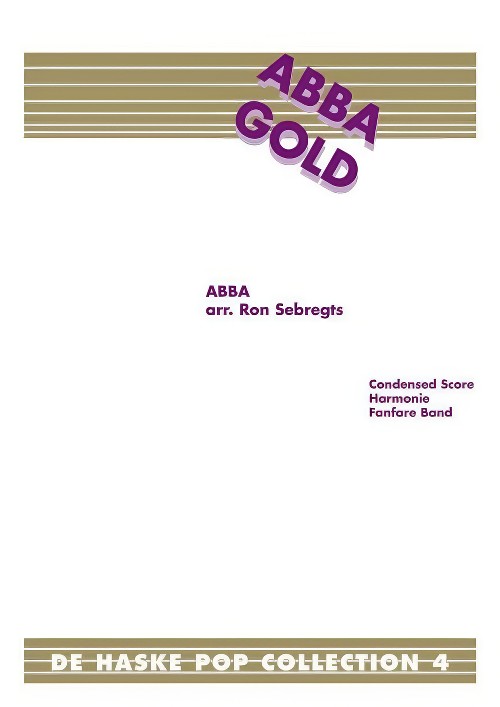
ABBA Gold (Concert Band - Score and Parts) - Andersson & Ulvaeus - Sebregts, Ron
ABBA always wins over any audience. The countless hits of the legendary pop band are as popular today as they were when they first came out. New fans are turning up every day, and who can blame them? Party along with Ron Sebregts' medley!Duration: 6:30
Estimated dispatch 7-14 working days
-
 £47.95
Three Scottish Songs (Concert Band - Score and Parts) - Stuart, Hugh
This unique work features three original song settings which were inspired by three poems written by an obscure Scottish poet. Images of a fickle bonnie lass, monsters in the mist and the banks of Loch Ness are conjured up in the poems and are beautifully interpreted in the music. Simple rhythms, easy instrument ranges and lilting Scottish-style melodies make this piece highly accessible to maturing players. A great addition to any concert, any time of the year. Duration: 6.30
Estimated dispatch 7-14 working days
-
 £49.95
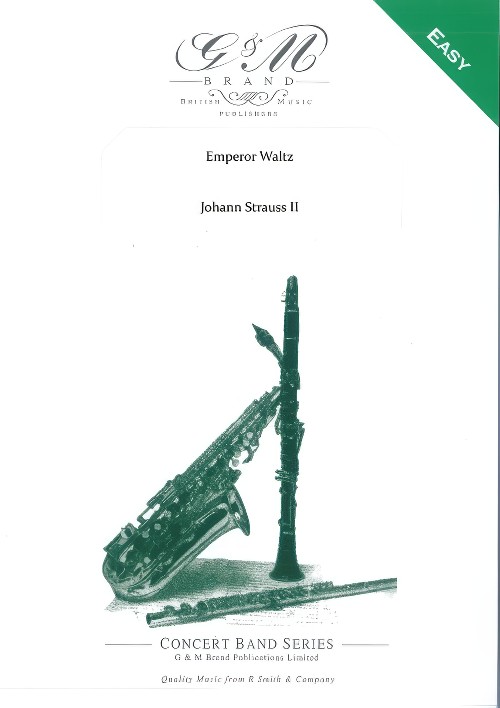
Emperor Waltz (Concert Band - Score and Parts) - Johnson, Stuart
Johann Strauss (the younger) was only six when he wrote his first waltz and it was obvious at an early stage that he would rival and outshine his father. His waltzes were meant for dancing - the opening bar is for partners to bow by way of introduction to each other - and when the "Emporor Waltz" was written in 1888, Strauss was director of the Imperial Court Balls in Vienna.
Estimated dispatch 7-14 working days
-
£9.95
Emperor Waltz (Concert Band - Score Only) - Johnson, Stuart
Johann Strauss (the younger) was only six when he wrote his first waltz and it was obvious at an early stage that he would rival and outshine his father. His waltzes were meant for dancing - the opening bar is for partners to bow by way of introduction to each other - and when the "Emporor Waltz" was written in 1888, Strauss was director of the Imperial Court Balls in Vienna.
Estimated dispatch 7-14 working days
-
 £89.99
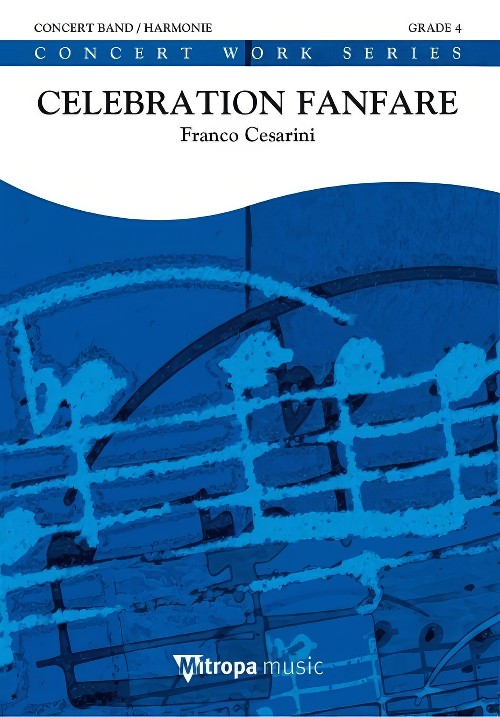
Celebration Fanfare (Concert Band - Score and Parts) - Cesarini, Franco
Cesarini wrote this lively fanfare to enhance the grand fireworks that were organised in 1991 as part of the festivities commemorating the 700th anniversary of the Swiss alliance in Cham. It is a sparkling work that will add a festive flavour to any concert programme.Duration: 4.00
Estimated dispatch 7-14 working days
-
 £209.99
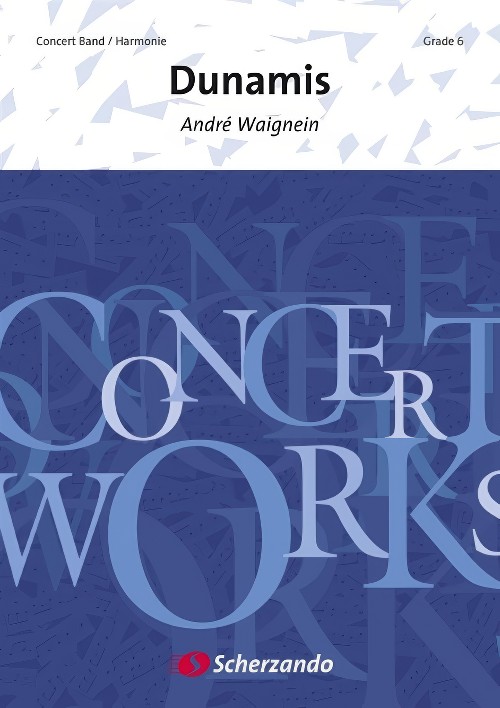
Dunamis (Concert Band - Score and Parts) - Waignein, Andre
Major Yvon Ducene wanted a new lush and colourful composition for his Guides military band, with Andr Waignein as its composer. Early in 1979 the composer began his assignment and in October of the same year, the finished full score was on the music stands of this prestigious military band of the Belgian Army.The introduction (Grave) mirrors an atmosphere full of serenity in which the theme, played by the oboes and the English horn is predominant and immediately holds the listener spell-bound. It is taken up again as central element of the slow movement.The Allegro breaks away from the quiet passion of the introduction. Here, the band can really show its capabilities to the full. Based on a very precise rhythm, an idiom of sudden desperation and adversity develops which, fused with a crushing aggression, culminates in a kind of eruption, soon calmed down by a Lento : peace and quiet has returned thanks to a melody by the horns and soon taken over by the clarinets. In the meantime, the saxophone - an instrument full of human emotion - express the main spatial dimension in contemporary psyche. Following a harmonic transition the brass-players take up the theme again in forte whilst the basses and the woodwinds intertwine in technical arabesques.The movings of the mind and the heart get an audible and almost touchable shape in the ensuing Allegro, a movement characterised by a rhythmic dialogue in which the whole orchestra participates and where the exposition contains a wealth of sound and technical contrasts. The Lento finally uses the central theme of the slow movement again, with some occasional references to the two allegros. The last page is of unprecedented grandeur. All the instruments display their most beautiful sound which were named by Jacques Ferschotte, when speaking about Honneger, "harmonies d'intensits" harmonies of the unmeasurable.Duration: 14:30
Estimated dispatch 7-14 working days
 View Music