
Results
-
 £59.95
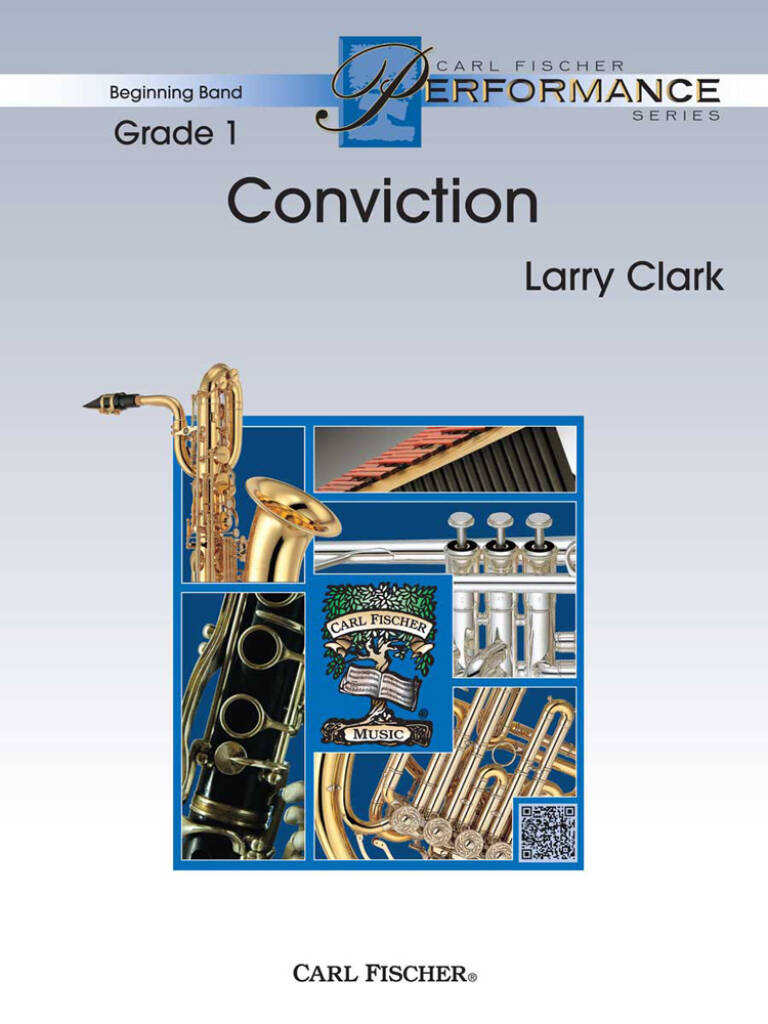
Conviction - Larry Clark
For several years, Larry Clark's music for beginning band has set the standard for musical excellence. He always finds a way to make his pieces fresh and sophisticated, incorporating contemporary harmonies with tuneful melodies that students love to play. He is also a master at knowing exactly what this level is capable of and writes technically easy music that still makes any band sound and feel great!
Estimated dispatch 7-14 working days
-
 £140.80
Belvedere Suite - Wilhelm Koenen
Part One: 'Danse mditerranenne'This part is composed of stylized folkmusic elements from several regions of Mediterra-nean countries. If this music recalls memories of your holidays on the sunny beaches, the composer will have reached his goal.Part Two: 'Impression'This part is meant as a contrast with the first and the third parts. The conductor should not stick to the metronome tempo, but he can express his own interpretation by means of 'rubato playing'. This 'impression' was inspired by the Provence landscape.Part Three: 'Marche grotesque'We deliberately used non-typical characteristics of the traditional march. The underlying idea is: A band starts playing a march at the ordinary marching tempo. There is already a mistake at measure 4 when some musicians play the wrong bar which causes the fifers to start too early with the drum and fife signals. A grumpy 'Stop' brings and end to the false start by means of a pathetic quaver (eighth note). The drummers however continue to play their drum beats, so the fifers start again and play very quickly in order to catch up with the drummers. They even manage to do so, thanks to that late quaver (eighth note). The band now also starts to play again and reacts to this chaos by laughter. The march that comes next does not match the metric characteristics of the usual march. The woodwinds, dreaming of holidays, get caught in a Tarantella. A compelling signal by the trumpets and the horns, soon joined by all band registers, leads the band back to reality. We deliberately chose well-known 'secondary parts' in order to make the audience accept the 'out-of-tune playing'. Original themes would not have had the same effect. The whole composition is just one great musical joke. If the audiance chuckles the composer will have achieved his aim. The third part is extremely well suited to end a concert or to be used as encore.
Estimated dispatch 7-14 working days
-
 £78.99
Whither Must I Wander? - Ralph Vaughan Williams
Following his incredible success with "Divinum Mysterium," composer James Swearingen has created another powerful and expressive setting of a wonderful classic from the past. This time he has selected the music of Ralph Vaughan Williams as his source of inspiration. A written description fails to do justice to this well-crafted work of musical reverence. The music speaks for itself! This has our highest recommendation!
Estimated dispatch 7-14 working days
-
 £82.50
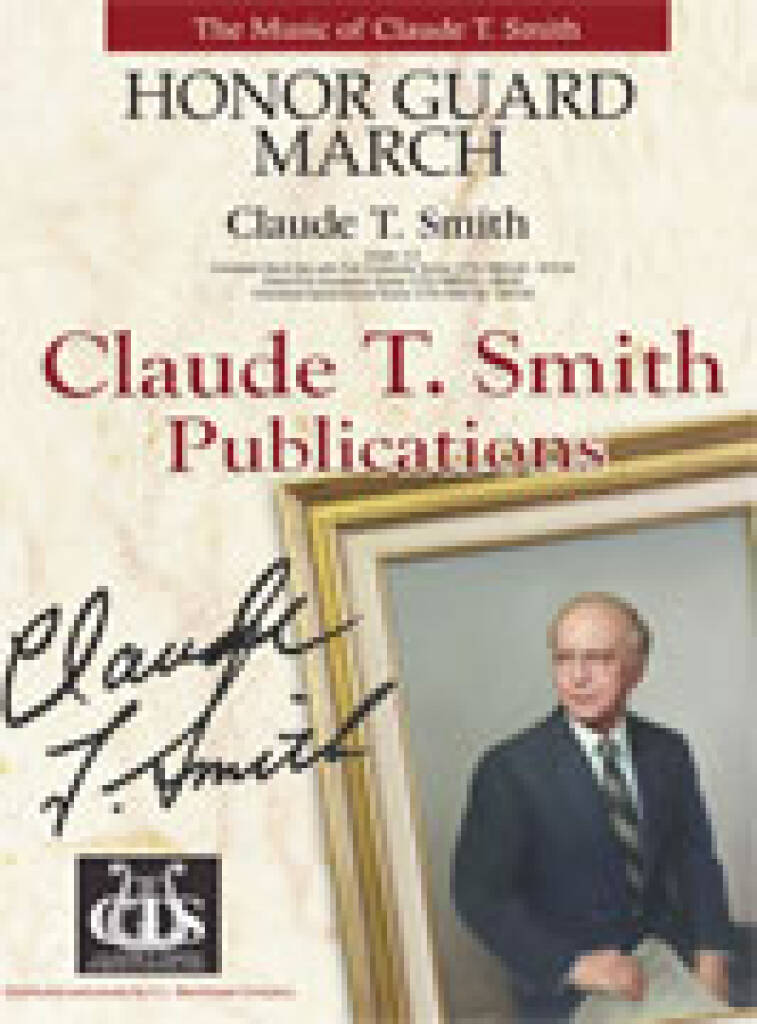
Honor Guard March - C.T. Smith
Previously unpublished, "Honor Guard March" was composed by Claude T. Smith in 1959 while he was teaching in Cozad, NE. Premiered in 1961, this march has remained unknown until now! Written in traditional form, this march contains a contemporary flair and sound that is unique to this composer's distinctive style. Featuring an unusual meter shift (from 6/8 to alla breve at the trio) this march is an excellent choice for concert and festival use!
Estimated dispatch 7-14 working days
-
 £101.30
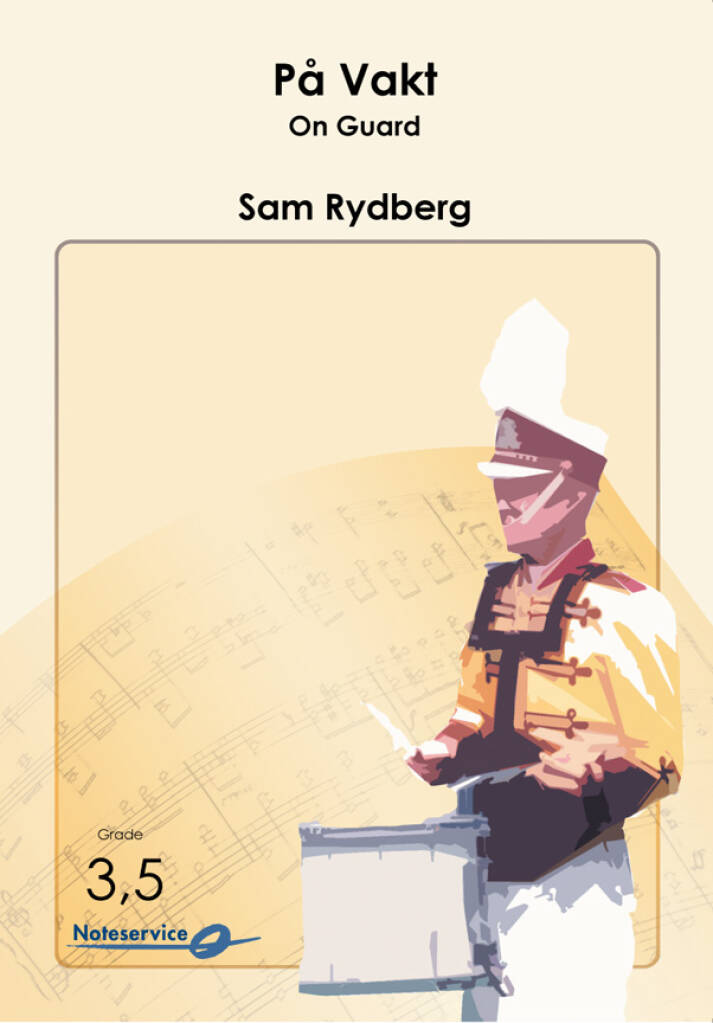
P Vakt - Sam Rydberg
Sam Rydberg wrote "On Guard" to Royal Svea Engineering Corps in 1942. He was connected to this Corps for nearly 30 years, so it was a great honor to the composer when they made this march their own official regiment march.On Guard isoften played as a part of the changing of the Guard-parades and other ceremonies.
Estimated dispatch 7-14 working days
-
 £104.50
Tradition Of Excellence - Robert E. Foster
This original march is dedicated to the memory of Russell L.Wiley who was the director of bands at the University of Kansas for 37 years during which he left a "tradition of excellence" which remains to this day. Contemporary harmonies and fresh rhythmic vitality give this march a worthy spot on festival or concert programs. (3 minutes 42 seconds)
Estimated dispatch 7-14 working days
-
 £76.99
Oingo Boingo in Concert - Danny Elfman
Before Danny Elfman was a celebrated film composer he was the front man and songwriter for the hugely successful rock band Oingo Boingo. This medley of three of their biggest hits, Just Another Day, Weird Science and Dead Man's Party perfectly captures Danny's genius. A nostalgic moment for the parents and the perfect opportunity to introduce your students to this amazing chapter in rock history.
Estimated dispatch 7-14 working days
-
 £59.95
Redhawk - Sean O'Loughlin
Redhawk depicts the power and grace of the majestic bird in this piece written by Sean O'Loughlin, a composer who band directors have come to trust. He continually provides beginning bands with musical, yet easy-to-play compositions, making them feel successful and sound fantastic. This piece makes very limited demands with respect to rhythm and notes.
Estimated dispatch 7-14 working days
-
£134.99
Cos fan tutte - Wolfgang Amadeus Mozart
In 1786 Mozart composed his wonderful opera Le Nozze di Figaro (KV 492). The Italian libretto, based on the play Le mariage de Figaro by Beaumarchais, was written by Lorenzo da Ponte--who also made the libretti of Mozart's opera's Don Giovanni and Cos fan tutte. In the opera Le Nozze di Figaro, Count Almaviva tries to seduce the fiance of Figaro, his valet. Eventually, through four acts full of complicated intrigue, he is outwitted. In his music, Mozart--at times in a humorous way--reflects the numerous social and erotic intrigues with both empathy and insight. The brilliant overture is just as vivacious and witty as the opera itself. Mozart delightfullyanticipates the passion and playful love that is to come. The skillful transcription for concert band by Tohru Takahashi certainly does justice to this appealing music.
Estimated dispatch 7-14 working days
-
 £134.99
Le Nozze di Figaro - Wolfgang Amadeus Mozart
In 1786, Wolfgang Amadeus Mozart composed his wonderful opera Le Nozzi di Figaro. In the opera Count Almaviva tries to seduce the fiance of Figaro, his valet. Eventually, through four acts full of complicated intrigue, he is outwitted. In his music, Mozart, at times in a humorous way, reflects the numerous social and erotic intrigues with both empathy and insight. The brilliant overture is just as vivacious and witty as the opera itself. Mozart delightfully anticipates the passion and playful love that is to come. The skillful transcription for concert band by the Japanese composer Tohru Takahashi certainly does justice to this enchanting music.
Estimated dispatch 7-14 working days
 View Music