
Results
-
 £134.99
Il Barbiere di Siviglia - Gioachino Rossini
The Barber of Seville is based on the first of Beaumarchais' (1732- 1799) two sequential plays, The Marriage of Figaro being the second, although unusually the overture does not contain any themes from the ensuing opera. The music, however, is sparkling and tuneful encompassing the 'spirit' of the story that is about to unfold. The overture follows the form of the classic Italian style, with a slow introduction followed by a brilliant Allegro. Of course, the famous crescendo, so typical of Rossini's works, is also present.
Estimated dispatch 7-14 working days
-
 £84.99
It's Raining Again - Rick Davies
It's Raining Again was pop band Supertramp's second largest hit, following closely behind The Logical Song. Thanks to Peter Kleine Schaars' arrangement, you can now perform one of Supertramp's most popular hits at your next concert. Your audience will be ecstatic!
Estimated dispatch 7-14 working days
-
 £94.99
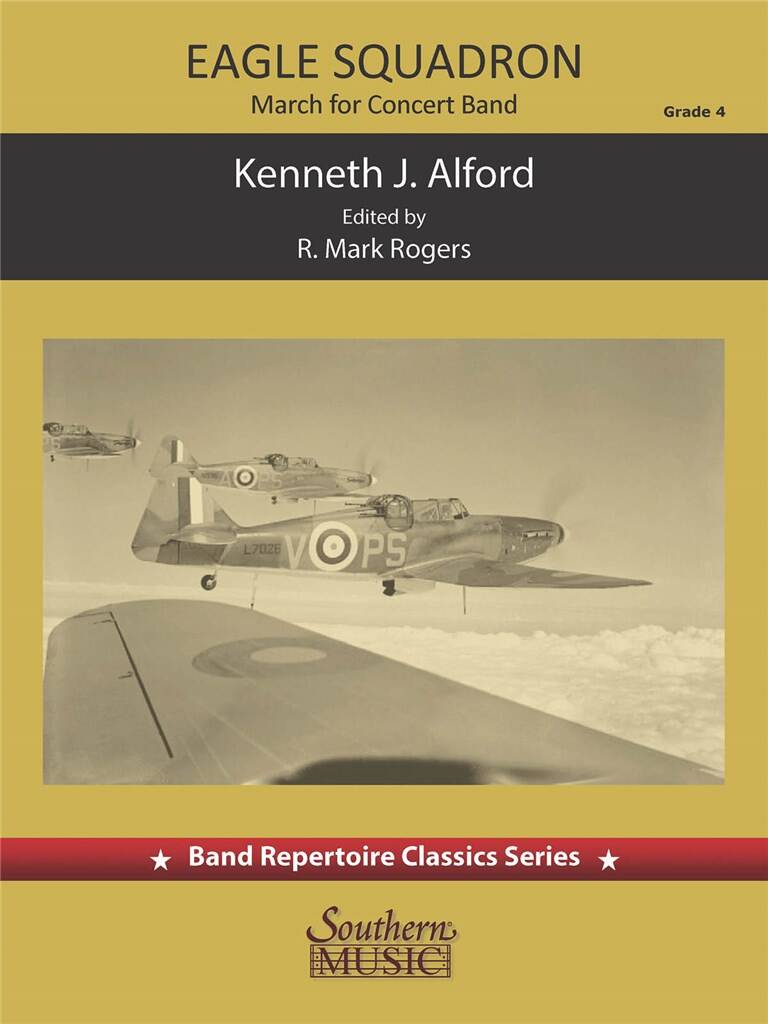
Eagle Squadron March - Kenneth J. Alford
When the Second World War began, the British March King Kenneth J. Alford (pseudonym for Major F. J. Ricketts, R.M.) was increasingly in bad health and had composed relatively little music recently. As Hitler's armies marched victoriously across Europe, Britain was soon alone facing the Nazi peril. Alford's great contribution to the war effort was the composition of two of his great masterpieces, ARMY OF THE NILE, celebrating the first Allied victories over the Germans in North Africa and EAGLE SQUADRON. The latter of these marches celebrates American airmen who travelled to England during the early years of the war (before the entry of the United States into the conflict) to volunteer for service with the Royal Air Force, serving with great distinction during the Battle of Britain. Alford skillfully weaves a number of well-known tunes into the fabric of the music, including the Royal Air Force March and The Star-Spangled Banner, while also including a reference to the Siegfried motive from Wagner's Ring of the Nibelung. Mark Rogers' edition of this classic march includes a handsome full score and concert size set of parts.
Estimated dispatch 7-14 working days
-
 £332.99
Symphony No. 9, Op. 160 - James Barnes
Premiered on September 21, 2018 in Lawrence, Kansas by the University of Kansas Wind Ensemble (Dr. Paul Popiel, conducting), James Barnes' Ninth Symphony was composed between January and late June of that same year. This large work was commissioned by a consortium of twenty-one college bands, community bands, professional bands and individuals to help mark the 70th birthday of the composer (b. 1949). It is an expansive forty-minute work in four movements, of which the composer writes, This is my last symphony... this work represents a compendium of all that I have learned during the fifty years of composing and scoring for this wonderful new medium: the modern wind band. The first movement, subtitled Elegy, is based around G minor. It is the longest movement of the symphony. Tragic and despondent in character, it is cast in sonata-allegro form. The second movement is entitled Scherzo. Barnes claims that I have always wanted to write a waltz, and that is how this movement is cast, in a modified rondo form in D minor. In contrast to the mood of the first movement, the scherzo is a delightful posy of expansive melody, splashy color, humor and rhythm. The third movement, which is in a modified tertiary form, is entitled Night Music. In contrast to the scherzo, this movement begins with a mysterious incantation, first displayed by solo Alto flute. The music becomes even darker and more mysterious, while overall the movement effectively expresses an otherworldly mood, ending with a solo soprano offstage which suddenly emerges, eerily singing a modified version of the opening incantation. Cast in sonata-allegro form, the fourth movement is most definitely a rousing Finale, beginning with a brilliant fanfare and undergoing several mood transformations before emerging into the final coda, ending the symphony with an energetic splash of color.
Estimated dispatch 7-14 working days
-
 £42.50
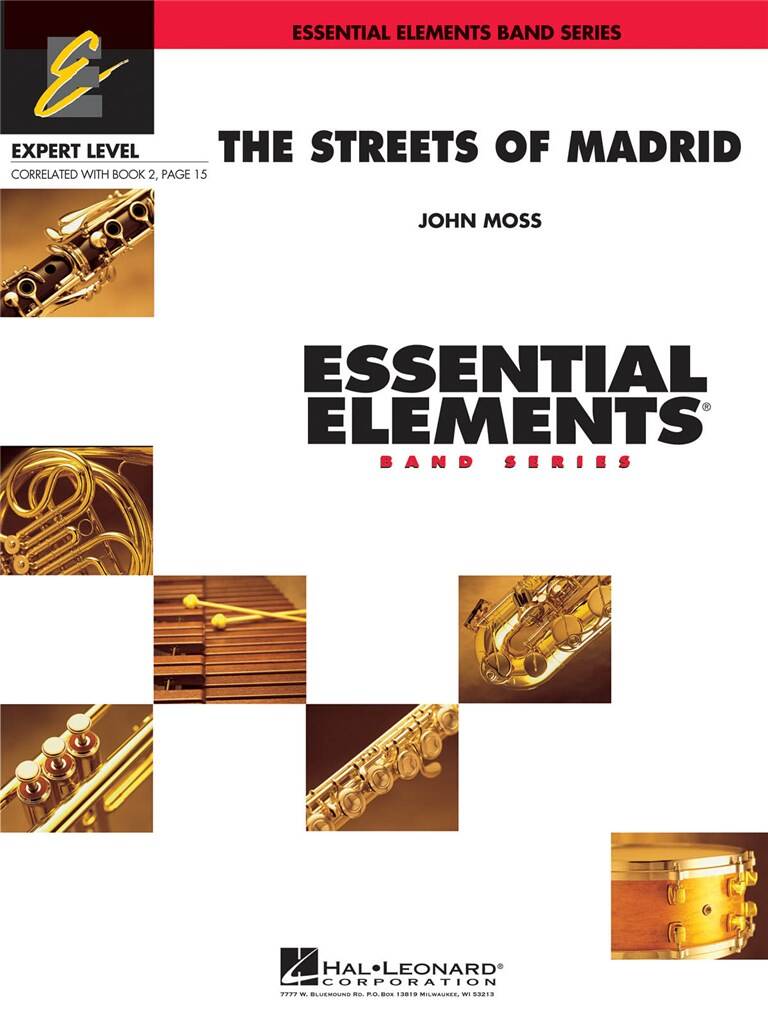
The Streets of Madrid - John Moss
Expert Level (correlates with Book 2, p. 15) John has crafted an outstanding moderate tempo march in a Spanish style. The first strain is bold and elegant with the brass playing the melody. The second strain starts with a legatoclarinet line, then closes with the full ensemble.
Estimated dispatch 7-14 working days
-
 £57.50
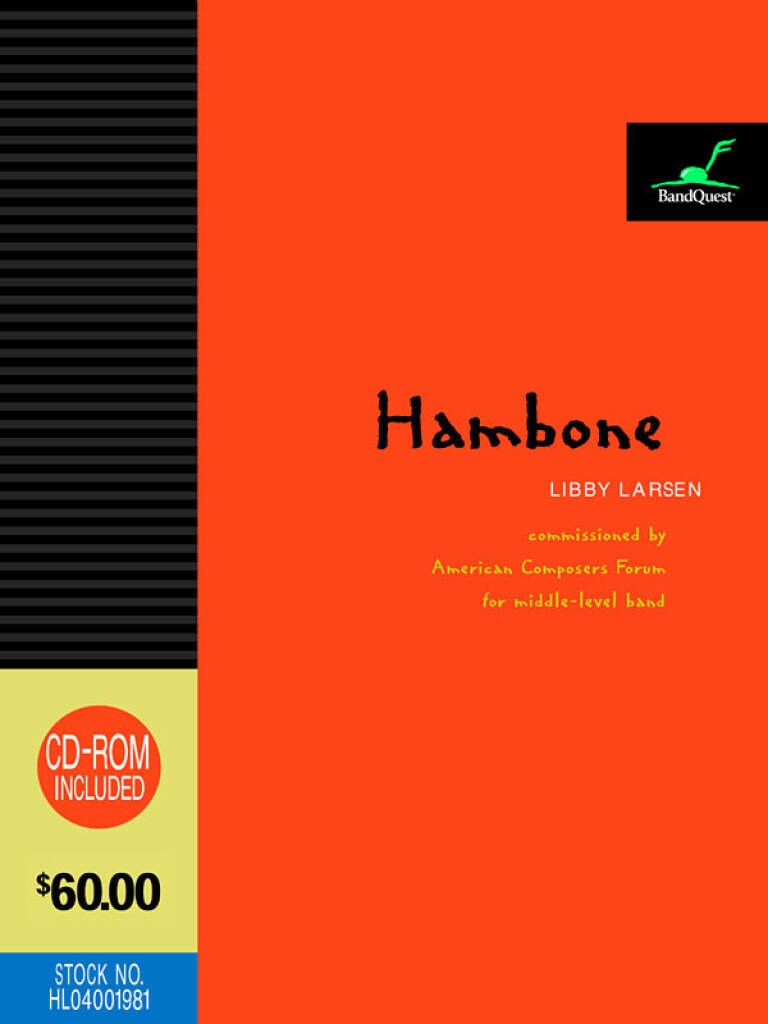
Hambone - Libby Larsen
Libby Larsen used three inspirations from her life to write Hambone. First, she was inspired by early rock 'n roll rhythms, particularly those written by Bo Diddley, from her high school days when she had her own rock band. The second inspiration is the African-American tradition of hamboning - clapping and slapping to create fun, new rhythms, and finally the melodies of the traditional cakewalk, reminiscent of Debussy's Golliwog's Cakewalk. The curriculum explores all three of these inspirations with various musical and visual examples, and explains African American oral traditions, linking this piece to places all over the world, from Ghana and the Ivory Coast to Paris, France. A free downloadable interdisciplinary curriculum for teaching Hambone is available at www.BandQuest.org. Learn more on YouTube! BandQuest, an exciting series of new music and accompanying curricula for band, is a program published by the American Composers Forum. The series was started as a response to feedback from music educators that there is a pressing need for new, fresh band music. The heart of this program is new works written by a diverse group of leading American composers who have created challenging pieces that are a true departure from standard middle school repertoire. Every BandQuest project includes a residency component in which the composer works collaboratively with a middle school as they create their new piece. Many BandQuest pieces are accompanied by an interdisciplinary curriculum designed to assist students as they learn the music and to integrate each piece with non-music studies. Visit www.bandquest.org to learn more about this innovative series, and email [email protected] to request a free downloadable audio catalog.
Estimated dispatch 7-14 working days
-
 £53.50
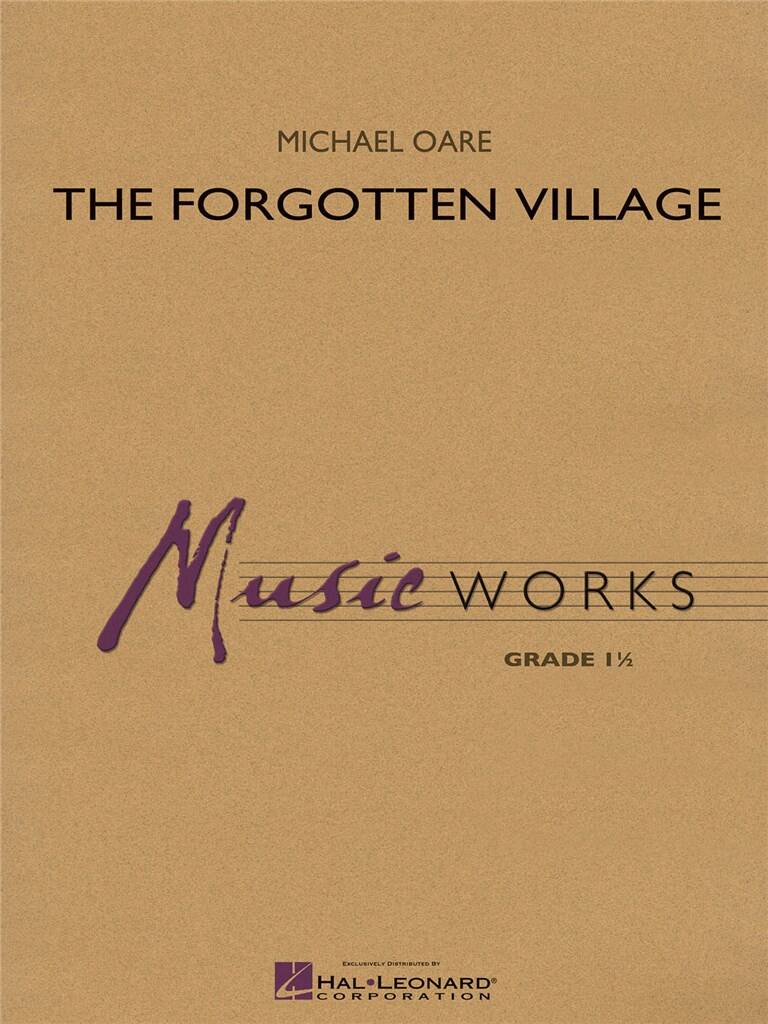
The Forgotten Village - Michael Oare
This overture for second year players tells the musical story of Portsmouth Village, once a bustling sea village on North Carolina's Outer Banks, but now a ghost town with past glories only a memory. In this descriptive work, the slow and reflective opening leads to a vibrant faster section with driving rhythms and melodic lines passed from section to section. Dur: 2:45.
Estimated dispatch 7-14 working days
-
 £64.99
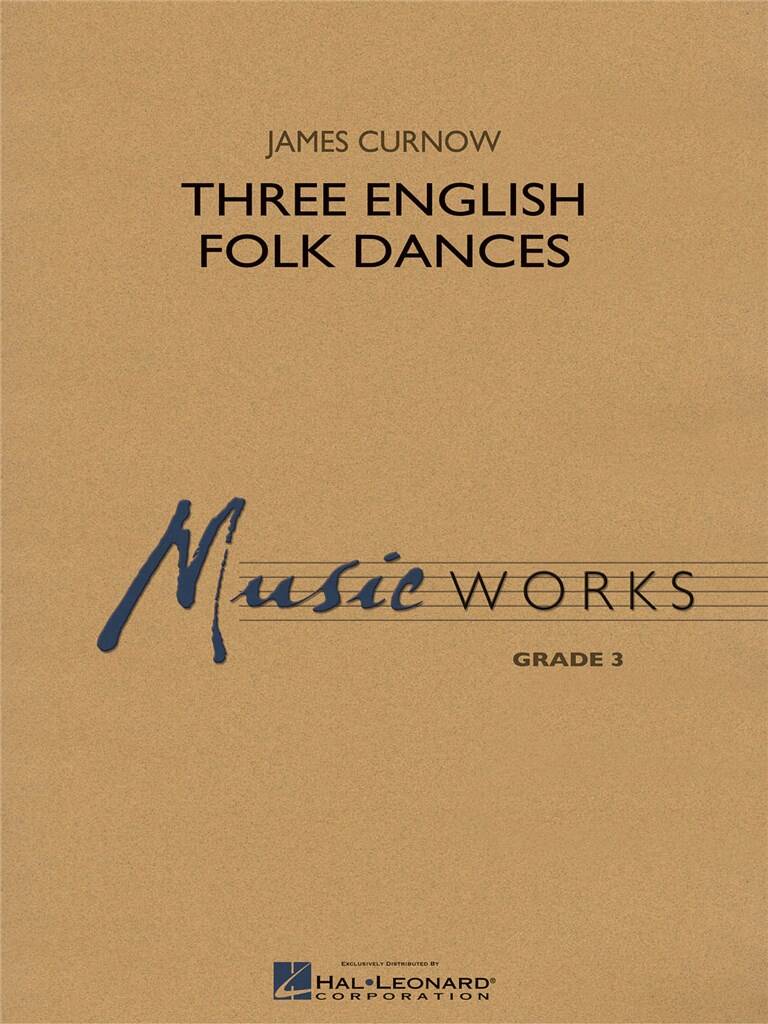
Three English Folk Dances - James Curnow
This nicely paced and skillfully orchestrated suite characterizes the three main categories of ancient English folk dances. The opening Sword Dance is lively in nature and contrasts with the WaltzSong style of the second movement. The concluding movement is a Morris Dance, typified by a rustic nature and dancers with pads of bells to accentuate the rhythm. The result is an elegant work for band with vibrance and energy. Dur: 4:30
Estimated dispatch 7-14 working days
-
 £42.50
Toccata Rhapsodic - Richard L. Saucedo
Composed using a single moderate tempo, Toccata Rhapsodic is a study in articulation and phrasing for second year players. The piece cleverly combines elements of staccato at the same time other players are playing legato phrases, and encourages students to listen for the difference. This can be effective used either as a teaching piece or as an appealing concert number. Dur: 2:25
Estimated dispatch 7-14 working days
-
 £118.99
Hail the Champions - James Curnow
Commissioned for the University of Akron Symphonic Band, this dynamic work celebrates 100 years of music composed for the Olympic Games. Based on three primary themes, the first is a brilliant fanfare that serves as anintroduction as well as a unifying link throughout. Second is the 1896 Olympic Hymn (music by Spyros Samaras) set in a beautiful lyric style which builds to a magnificent climax juxtaposed with the opening fanfare. The finalsection presents a new version of Mr. Curnow's own Olympic Fanfare and Theme for the Olympic Flag which was commissioned for the 1996 Olympic Games in Atlanta and performed again in 2000. The dramatic closing is again combinedwith elements of the opening fanfare. Dur: c. 6:40 (Recorded by the University of Akron Symphony Band - Dr. Galen S. Karriker, Director of Bands. Premiere performance conducted by James Curnow)
Estimated dispatch 7-14 working days
 View Music