
Results
-
 £140.00
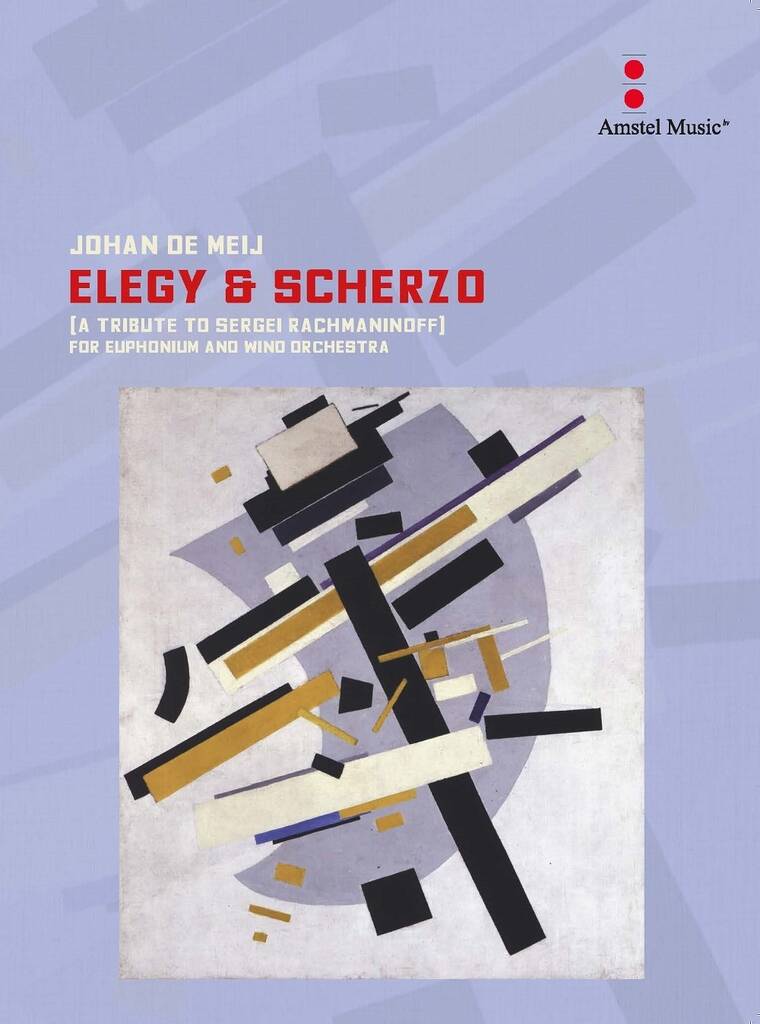
Elegy & Scherzo - Johan de Meij
Elegy & Scherzo was written at the request of cellist Yuki Ito, to commemorate the 150th birthyear in 2023 of Russian composer Sergei Rachmaninoff (1873 - 1943). Composer Johan de Meij used some hints and quotes from Rachmaninoff's 2nd Symphony (opus 27) and the Symphonic Dances (opus 45), to embrace the sound world of the Russian master. Elegy & Scherzo was premiered on October 27, 2023, in the Cankarjev Dom in Ljubljana, Slovenia by the Band of the Slovenian Armed Forces, with Yuki Ito as the cello soloist. Soon after the premiere, the work was adapted for solo euphonium and wind orchestra. It received its premiere during the ITEC, the International Tuba- and Euphonium Conference 2025 in Valencia, Spain, with Shoichiro Hokazono as the soloist, and the composer conducting.
Estimated dispatch 7-14 working days
-
 £66.95
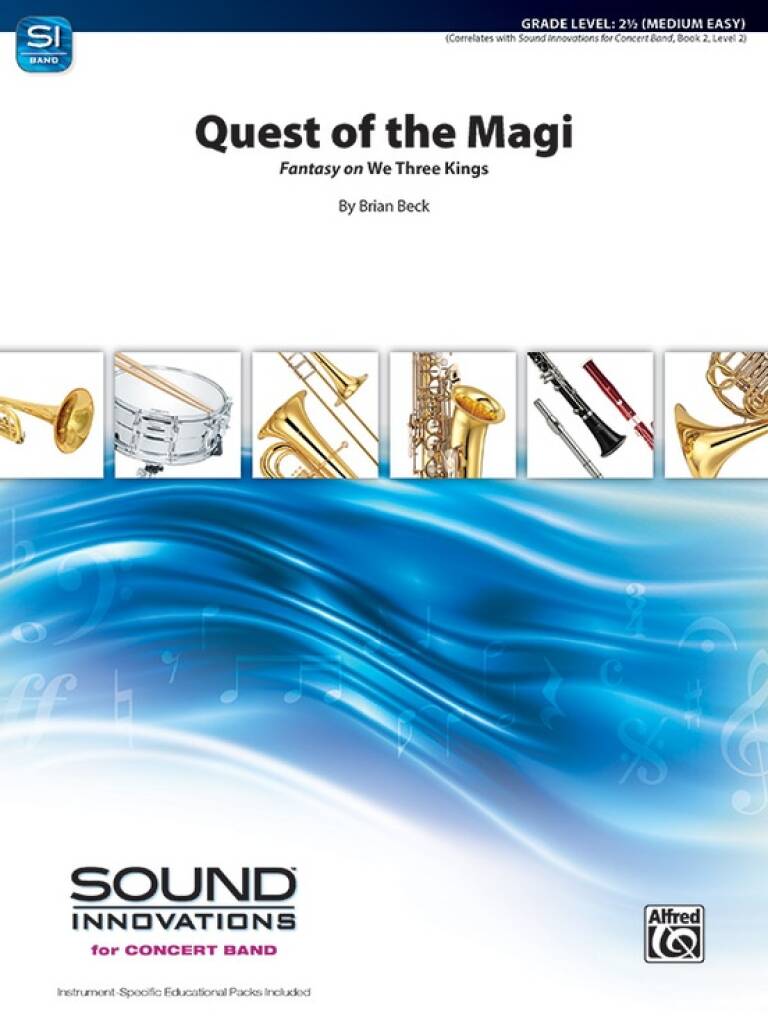
Quest of the Magi - Brian Beck
The Quest of the Magi was one of the working titles for John Henry Hopkins Jr.'s famous carol, "We Three Kings." Written in 1857 for a Christmas pageant in New York City, "We Three Kings" tells the tale of the Magis' journey to find a newly born king in a faraway land and the precious gifts they brought with them. This piece focuses more on the journey of "following yonder star." Traveling across many countries in the first century was a perilous task, full of danger, thievery, and possible death, not to mention these men were traveling with some of the most precious and expensive cargo one could possess. This piece chronicles the magi acquiring myrrh, frankincense, and gold for their journey. Each treasure is represented by its own motif and woven into Hopkins' original carol. (2:45)
Estimated dispatch 7-14 working days
-
 £179.99
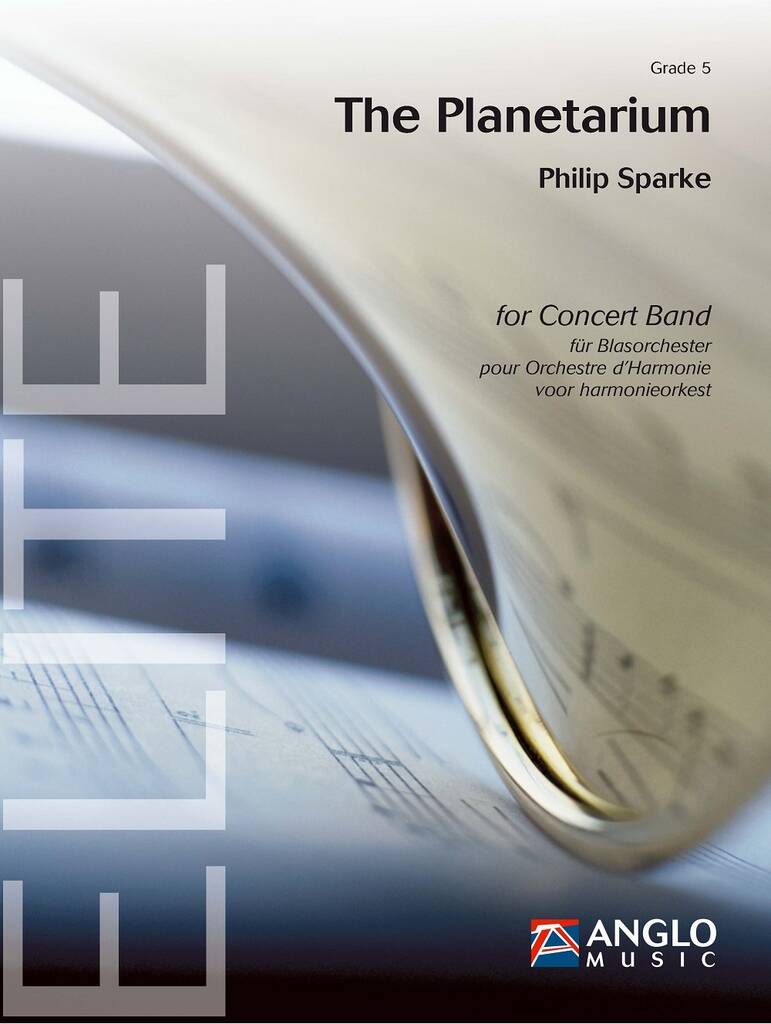
The Planetarium - Philip Sparke
The Planetarium was commissioned by CMV Advendo Franeker to celebrate their 100th Anniversary in 2022. The inspiration for the work is the world-famous Royal Eise Eisinga Planetarium in the orchestra's home town of Franeker in the Netherlands. In this continuous seven-movement work, the composer pictures the sun as well as the planets Mercury, Venus, Earth, Mars, Jupiter and Saturn. Also featured throughout the work is a brief quotation from the chorale 'Psalm 150'. A work that rises above the mundane!
Estimated dispatch 7-14 working days
-
 £87.99
Commonwealth - Robert Sheldon
Located in the Commonwealth of Virginia, Fairfax County has quite an interesting story to tell, from the times of the Revolutionary War to the Civil War, to its prominent position as one of the premiere suburbs of our nation's capital, and most populous jurisdiction in Virginia. This piece serves to acknowledge the history of this region while representing its vibrancy and character. The opening patriotic soundscape offers a backdrop to the energetic piece that follows. A juxtaposition of those themes brings the piece to a close.
Estimated dispatch 7-14 working days
-
 £127.30
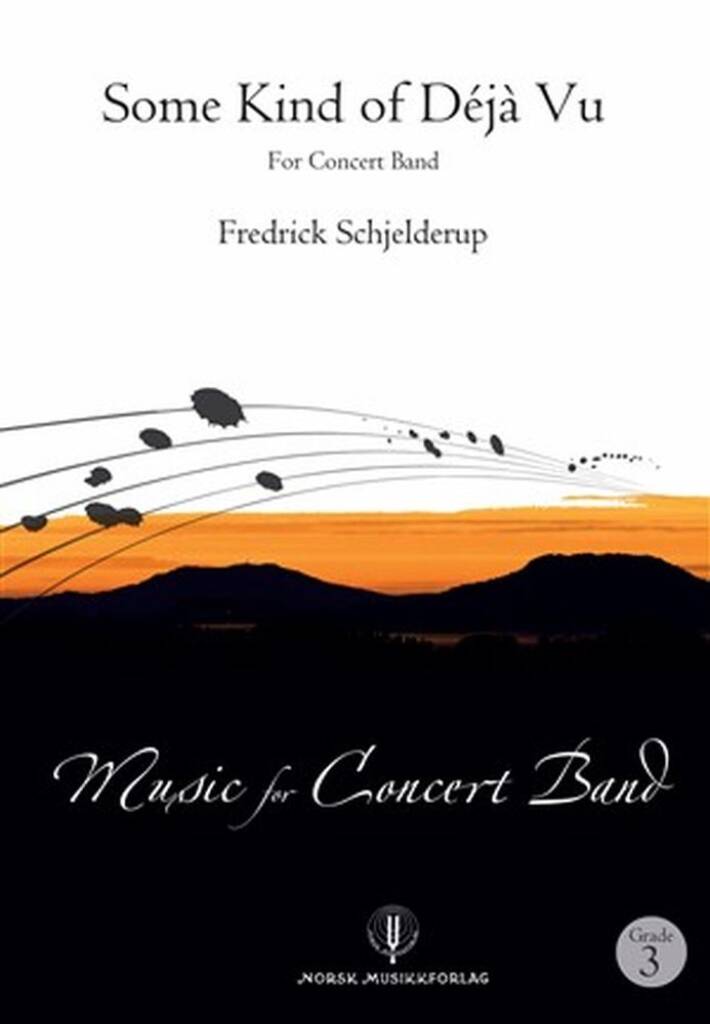
Some Kind of Dj Vu - Fredrick Schjelderup
"Some kind of Dj Vu" is a continuation of the piece "Time for Celebration", written for Sreide & Sandsli Skolekorps's (SSS) Junior Band in 2015.The theme and motif is based on the band's initials "SSS", three similar tones (translated to the sheet music).The motif is played either separately as a signal, or as the beginning of the main melody.The title refers to the term 'Dj Vu', which is a feeling of having experienced something in the past (which one actually experiences for the first time).In this case, it's the musical and thematic reference to "Time for Celebration" that appears as the "Dj Vu" experience.
Estimated dispatch 7-14 working days
-
 £123.00
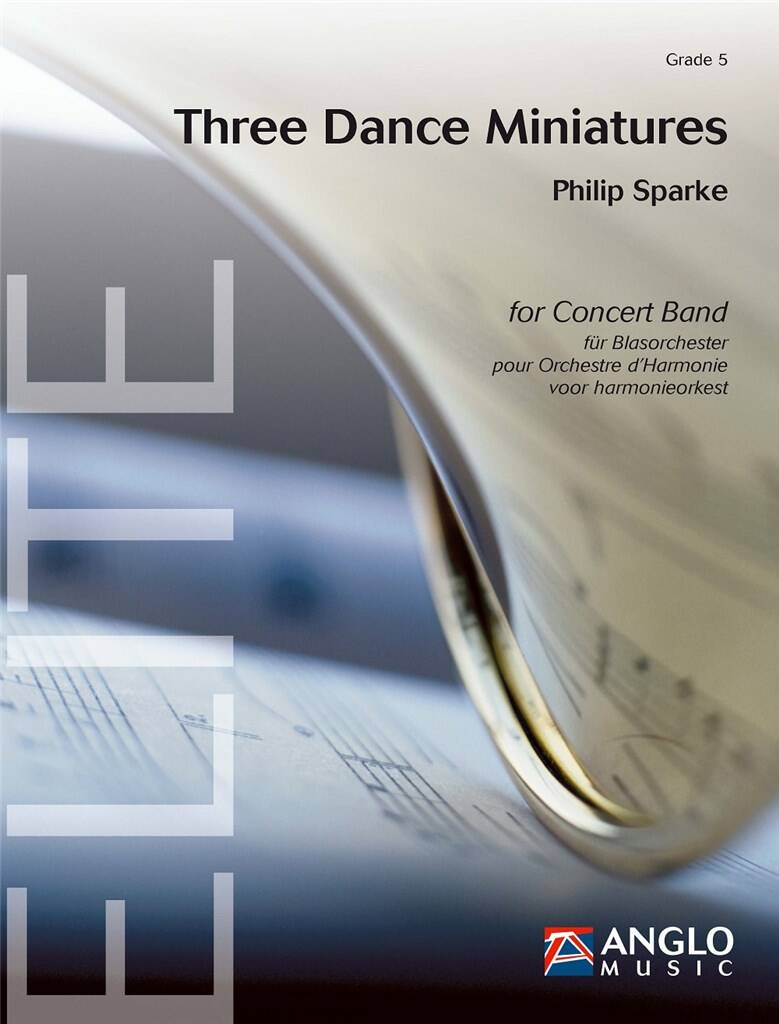
Three Dance Miniatures - Philip Sparke
Three Dance Miniatures was commissioned by Toyoshi and Keiko Namikawa to celebrate the 50th Anniversary of the founding of their Tokyo-based music dealership, Teine Corporation. Composer Philip Sparke has been a friend of the firm's owners for many years and was delighted to be asked to write this celebratory work for them. The piece is in three movements, which are played without a break.
Estimated dispatch 7-14 working days
-
 £102.99
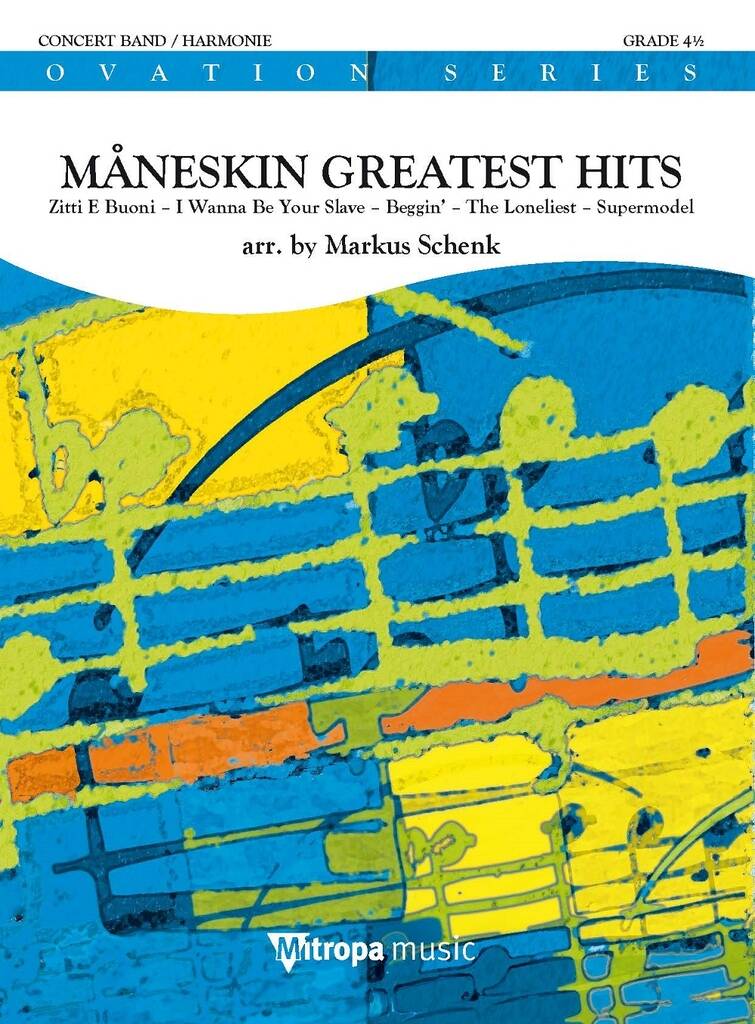
M...NESKIN Greatest Hits
Mneskin is an Italian rock band that first set foot on the international stage in 2021, when it won the 65th Eurovision Song Contest with Zitti e buoni. 2021 was an excellent year for the group in more ways than one, since they were also declared best rock band at the MTV European Music Awards. More successes followed: their cover of the Four Seasons song Beggin' became a worldwide hit and even reached the American Billboard Hot 100, as well as the global Spotify hit list. The band's name was definitively established with songs like I Wanna Be Your Slave, The Loneliest and Supermodel. Markus Schenk has brought together all of these hits in a fantastic pop-rock medley for concert band. Sturdy music that is unsuitable for softies, but it will certainly go down well with the audience!
Estimated dispatch 7-14 working days
-
 £118.99
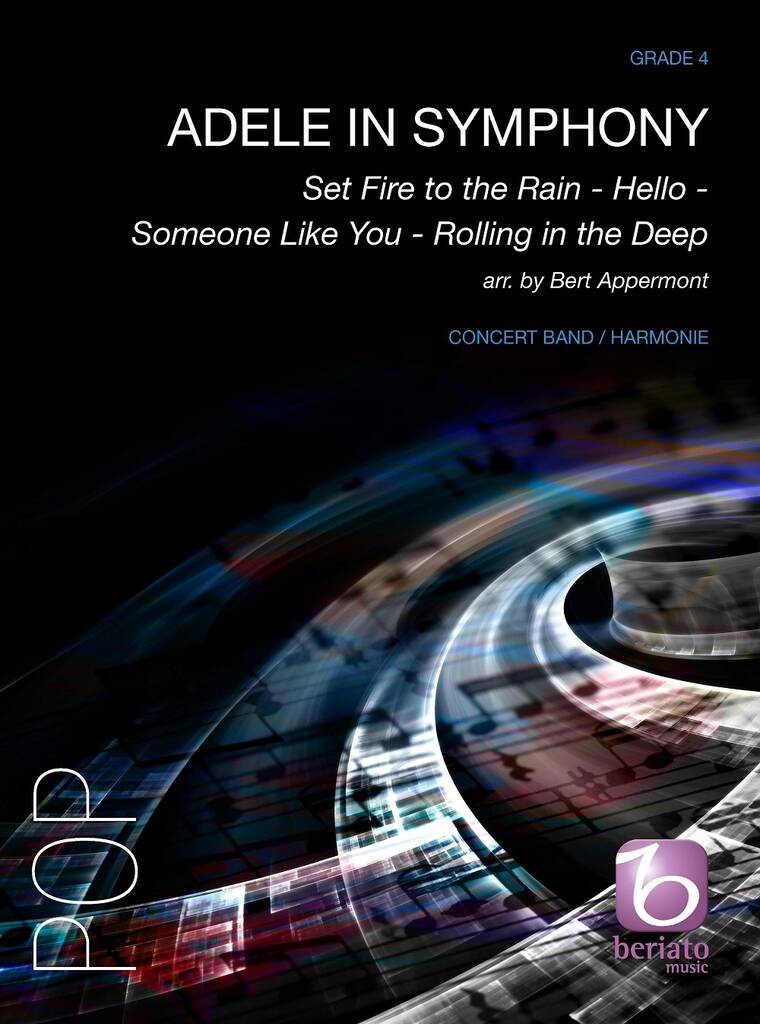
Adele in Symphony - Adele Adkins
Following the success of Coldplay in Symphony, Bert Appermont created a symphonic arrangement for Adele's music in his cinematic writing style. For this medley, he used beautiful melodic elements from her greatest hits, such as 'Set Fire to the Rain', 'Hello', 'Someone Like You' and 'Rolling in the Deep'.
Estimated dispatch 7-14 working days
-
 £70.00
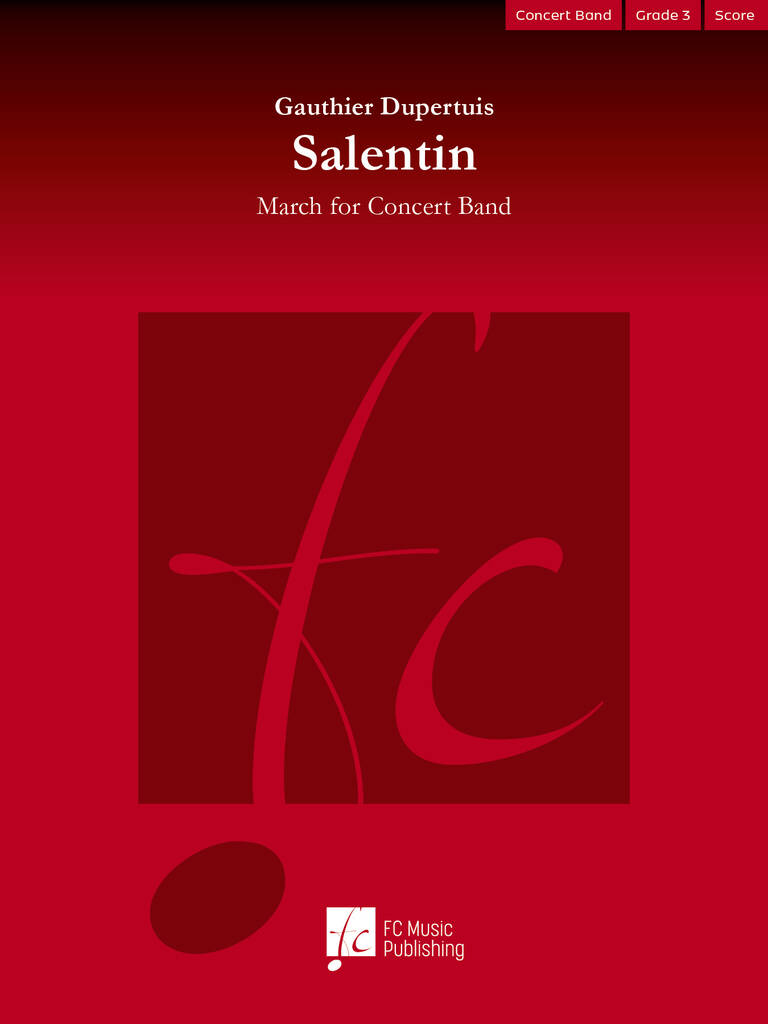
Salentin - Gauthier Dupertuis
Salentin is Gauthier Dupertuis' tribute to the Valais, the Swiss Canton where he was born. Salentin is a mountain from which there is a spectacular view of Vernayaz, the composer's village of origin.This piece is structured in such a way that all registers of the band are highlighted. It is suitable for performance in parade, but also as a concert march.Salentin is dedicated to the Concert Band of Martigny (Valais/Switzerland) and its conductor, Dany Rossier, who premiered Salentin during a concert on 3rd December, 2023.
Estimated dispatch 7-14 working days
-
 £122.00
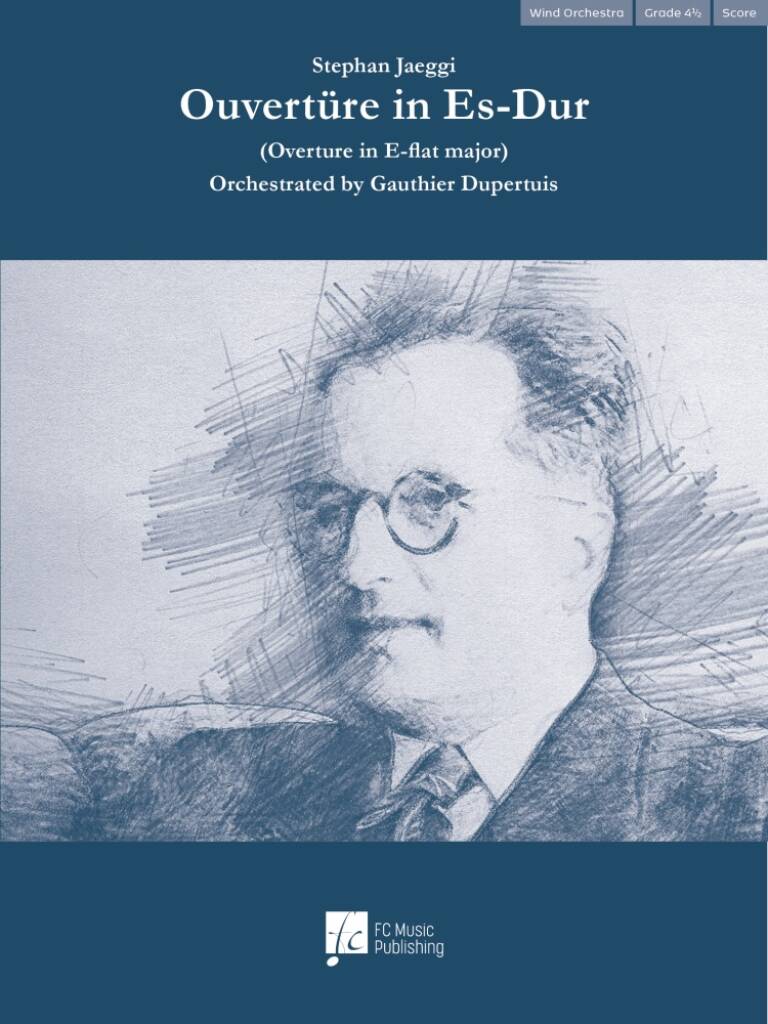
Ouvertre in Es-Dur - Stephan Jaeggi
As part of the year 2023, dedicated to Swiss composers, the Swiss Wind Band Association has commissioned Gauthier Dupertuis to write a new orchestration of the Overture in E-flat major by Stephan Jaeggi. Indeed, an update of the instrumentation was necessary for the interpretation of this work with modern orchestras.Therefore, the orchestration that Gauthier Dupertuis proposes and which he wanted to be faithful to the original while meeting current standards, will allow today's orchestras to performthis piece of classical-romantic inspiration.Stephan Jaeggi was a Swiss composer and conductor who was born into a large family in Fulenbach (Canton of Solothurn) in 1903. He began playing the clarinet at the age of 13, then studied music at the Basel Conservatory and attended his military training with the Swiss Army Band. Thereafter, he became the conductor of several wind orchestras. In this role, and also that of a composer, Stephan Jaeggi went on to achieve great success. His early death in 1957 put a premature end to Stephan Jaeggi's creative life. All the more reason why his work lives on with unbroken power to this day.
Estimated dispatch 7-14 working days
 View Music