
Results
-
 £104.50
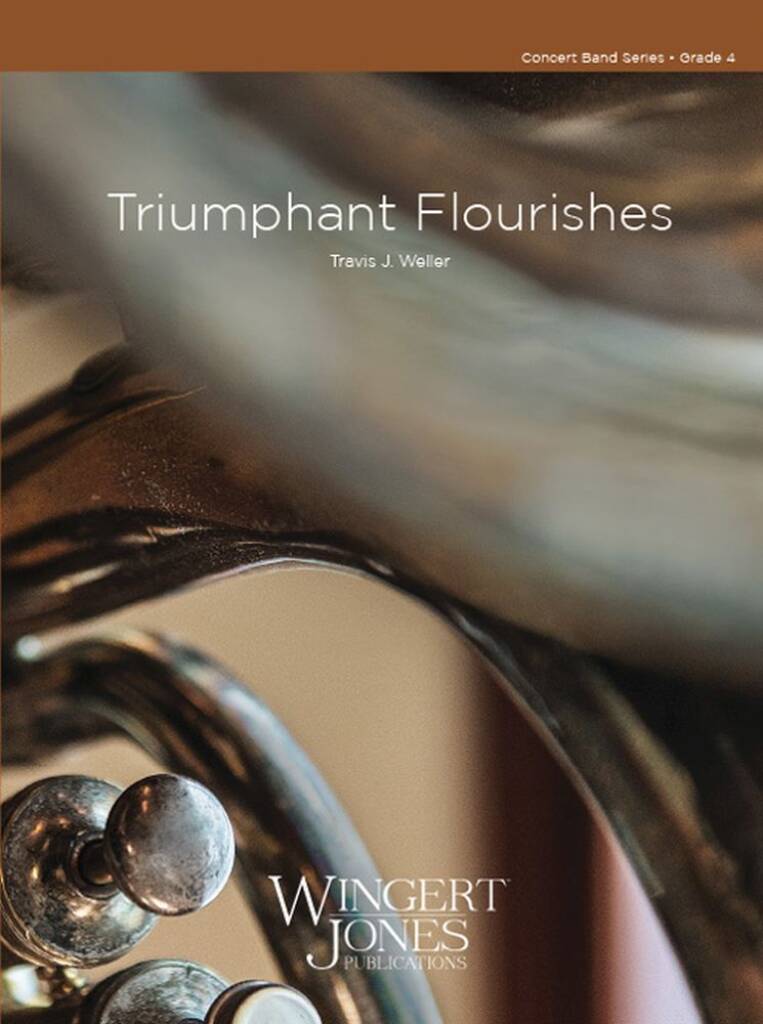
Triumphant Flourishes - Travis J. Weller
This piece is joyful and celebratory, ideal for opening or closing a concert and useful for any time of the year. There are a number of triumphant fanfares throughout followed by short flourishes that create a vibrant sound canvas. Several optional solo parts can give more accomplished musicians an opportunity display their skills and which vary the overall texture of the work. Inspiring, encouraging, and uplifting!
Estimated dispatch 7-14 working days
-
 £84.99
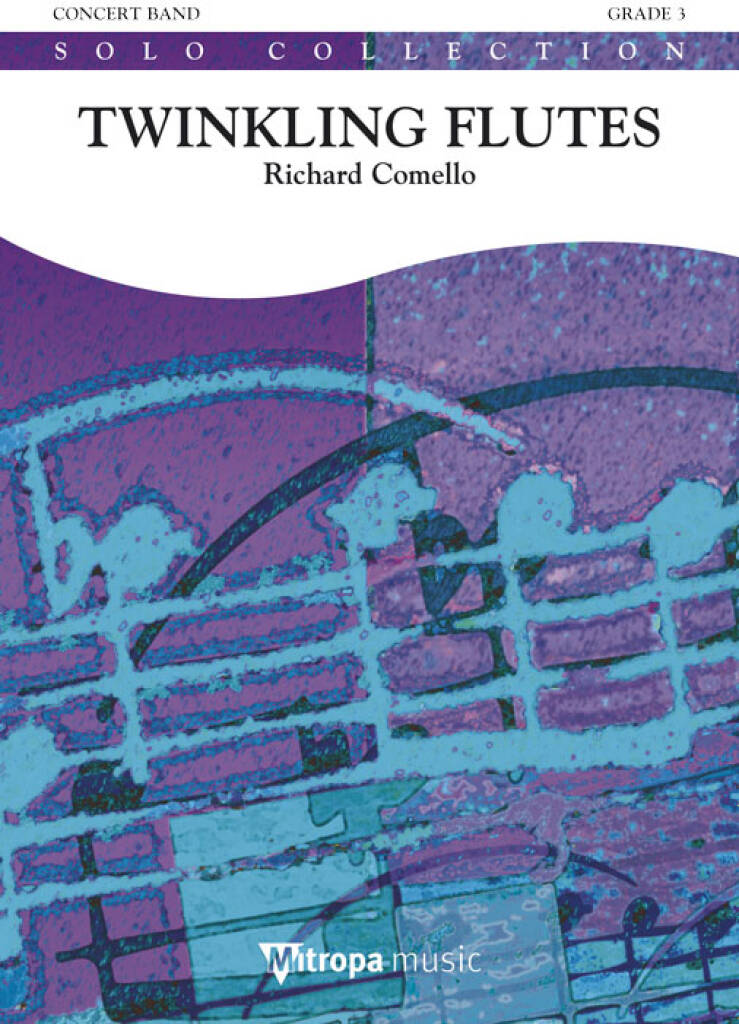
Twinkling Flutes - Richard Comello
Composer Richard Comello observed that there is practically no music written for two flutes accompanied by concert band, so he composed this delightful piece convinced that this it will fill this little gap in the repertoire. Following a solemn baroque style introduction, joyful characteristic flute sounds develop with subtle band accompaniment. The two flute parts can be played by more players so enabling this piece to put your complete flute section in the spotlight.
Estimated dispatch 7-14 working days
-
£13.95
Joy to the World
1Joy to the WorldHandel arr. StirlingThe Central Band of the Royal Air Force2.162A Carol Symphony - I. PreludeHely-Hutchinson/WilliamsThe Central Band of the Royal Air Force4.003Shepherd's HeyPercy GraingerThe Central Band of the Royal Air Force2.104A Fireside Christmasarr. Sammy NesticoThe Central Band of the Royal Air Force8.075Dance of the TumblersRimsky-Korsakov/O'DonnellThe Central Band of the Royal Air Force3.486-9A Joyful ChristmasNeil RichardsonThe Central Band of the Royal Air Force I. Ding Dong Merrily on High 1.57 II. Unto Us a Child is Born 3.09 III. O Little Town of Bethlehem 3.24 IV. Masters in This Hall 1.5010Hallelujah ChorusHandel trs. RichardsThe Central Band of the Royal Air Force3.5811Carols from Olde Englandarr. Duncan StubbsThe Central Band of the Royal Air Force9.1112Jesu, Joy of Man's DesiringBach trs. MorrellThe Central Band of the Royal Air Force3.2913Dance of the Sugar Plum FairyTchaikovsky trs. RichardsThe Central Band of the Royal Air Force1.5014-16A Christmas SuiteDavid BarkerThe Central Band of the Royal Air Force I. Chaconne 1.52 II. Scherzo Variations on We Three Kings of Orient Are 2.53 III. Fanfare and Fugue 4.1017Chrismas-TimeStuart L. StirlingThe Central Band of the Royal Air Force5.23
Estimated dispatch 7-14 working days
-
 £56.68
Suite - A Renaissance Christmas (Wind Band) Kevin Norbury
VIEW SCORE PDF This magnificent festive suite was written by Kevin Norbury for the Pierre Elliott Trudeau High School Wind Symphony and features three well known carols set in a Renaissance style. Three contrasting movements comprise the work: i. Processional (Personent hodie - On this day earth shall ring) This is a short piece imagining a torchlight Yuletide procession (perhaps bearing the traditional roasted wild boar), using a well-known Christmas melody from the large collection of music compiled in the 16th century called Piae Cantiones (1582). The tune is presented twice with accompanying, related melodic material. ii. Pastorale (Quem pastores laudavere - Shepherds sang their praises o'er him) This is a 14th-century melody which was originally collected by Michael Praetorius at the end of the 16th-century. The treatment throughout is very lyrical without overly complex harmonies. The melody is heard three times with brief linking episodes and a short coda. iii. Celebration! (In dulci jubilo - In sweet celebration - Ding-dong merrily on high) This magnificent 13th-century melody was also a part of Michael Praetorius's collection. It is traditionally associated with the words 'Good Christian men, rejoice!' The opening is a straight transcription of the great chorale prelude for organ by J.S. Bach. After the grandeur of the opening, the tune is heard in more of a 'folky' style. A lot of related melodic material is then presented before the tune Ding-dong merrily on high is heard. After another episode of previously used music In dulci jubilo reappears in a joyful conclusion to the piece. Sheet music available from : UK: www.wind-band-music.co.uk USA: www.solidbrassmusic.com Difficulty Level: Medium Instrumentation: Piccolo Flute Oboe Bassoon Clarinet in Bb 1-2 Bass Clarinet in Bb Alto Saxophone in Eb 1-2 Tenor Saxophone in Bb Baritone Saxophone in Eb Trumpet in Bb 1-2 Horn in F 1-2 Trombone 1-2 Bass Trombone Euphonium Tuba Double Bass Timpani Glockenspiel Tubular Bells Tambourine Snare Drum Tenor Drum
In stock: Estimated dispatch 1-3 days
-
 £64.99
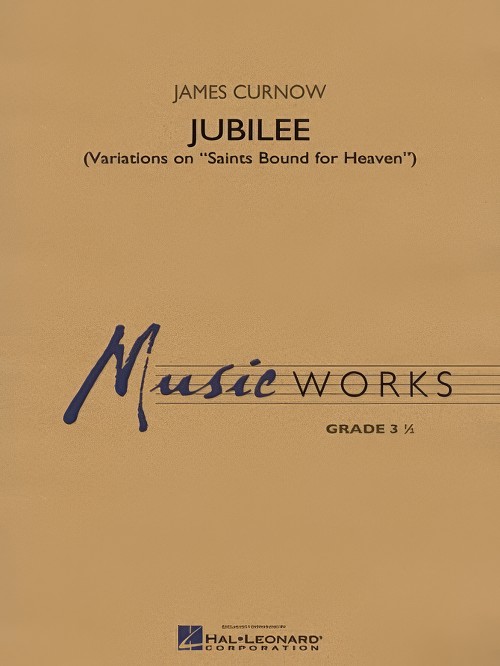
Jubilee (Variations on Saints Bound for Heaven) (Concert Band - Score and Parts) - Curnow, James
Based on the shaped note melody Saints Bound for Heaven, Jubilee by James Curnow captures a feeling of joyful celebration through a series of unique and skilfully adapted variations. The opening strains are actually fragments of the first variation and occur before the main tune is introduced by low brass and woodwinds. The second variation features a euphonium solo and builds to a glorious climax with the full ensemble. The final variation is joyful and filled with energy, using flourishes in the woodwinds and fanfares in the brass for a grand conclusion to this marvellous work.Duration: 5:30
Estimated dispatch 7-14 working days
-
 £53.95
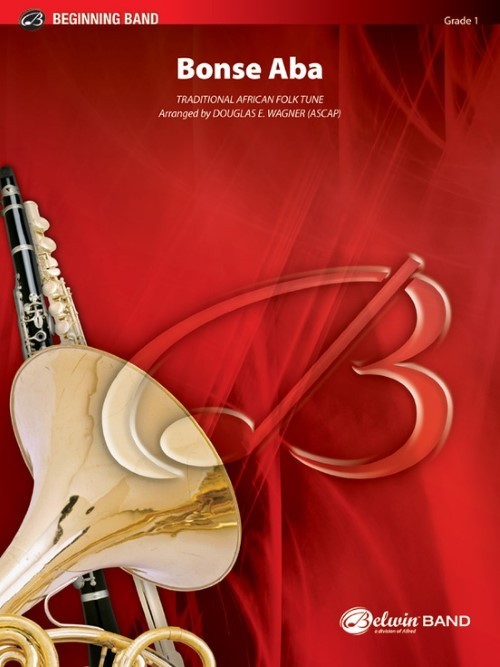
Bonse Aba (Concert Band - Score and Parts) - Wagner, Douglas E.
Based on a traditional African folk song from the Republic of Zambia, "Bonse Aba" is a joyful and happy folk tune. Loosely translated from Bemba language, it equates to "all who sing." Compelling rhythms and solid harmonies all come together in presenting this musical celebration of life, a joyful multicultural and musical experience for players and audiences alike.Duration: 2.00
Estimated dispatch 7-14 working days
-
 £6.50
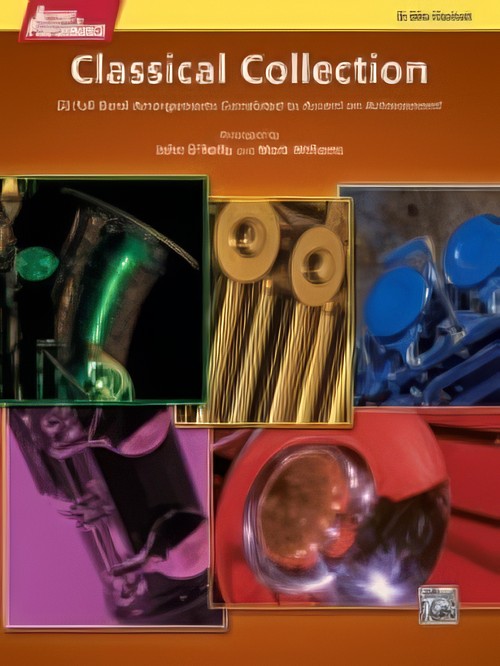
£6.50ACCENT ON PERFORMANCE: Classical Collection (Alto Clarinet) - O'Reilly & Williams
Alto Clarinet book only. Over the course of ten years, legendary young-band composers John O'Reilly and Mark Williams composed and arranged over 100 creative works that correlate with specific pages in their highly successful band method, Accent on Achievement. These arrangements are now available in a book format that includes 22 full arrangements in each collection. The Classical Collection includes authentic, carefully arranged music of the master composers from the Renaissance through the Romantic Period. Titles: Allegro from Water Music; Elizabethan Dances; Mozart Minuet and Rondo; Night at the Pops; Ave Verum Corpus; Joyful, Joyful; A Night at the Opera; Finale from Brahms #1; Best of Beethoven; Surprise Symphony Variations; Renaissance Dances; An Evening with the Masters; Classic March Duo; A Mozart Mix; St. Anthony Chorale; Can Can; Bach March and Musette; Saturday at the Symphony; An Afternoon at the Ballet; The Big Three; Mozart Serenade and Dance; Two Grieg Sketches.
Estimated dispatch 7-14 working days
-
 £6.50
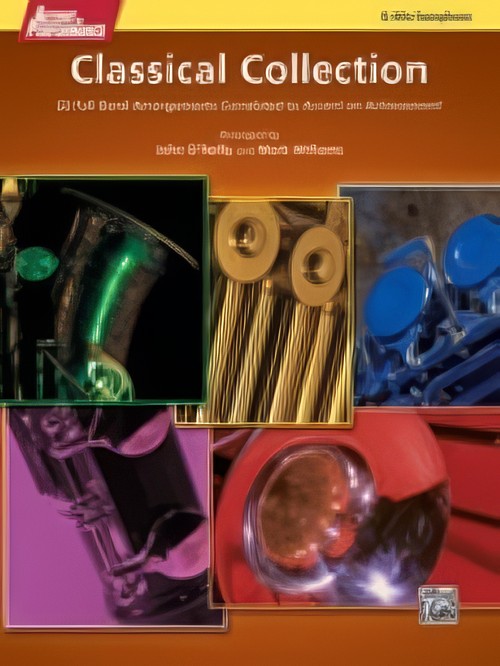
£6.50ACCENT ON PERFORMANCE: Classical Collection (Alto Saxophone) - O'Reilly & Williams
Alto Saxophone book only. Over the course of ten years, legendary young-band composers John O'Reilly and Mark Williams composed and arranged over 100 creative works that correlate with specific pages in their highly successful band method, Accent on Achievement. These arrangements are now available in a book format that includes 22 full arrangements in each collection. The Classical Collection includes authentic, carefully arranged music of the master composers from the Renaissance through the Romantic Period. Titles: Allegro from Water Music; Elizabethan Dances; Mozart Minuet and Rondo; Night at the Pops; Ave Verum Corpus; Joyful, Joyful; A Night at the Opera; Finale from Brahms #1; Best of Beethoven; Surprise Symphony Variations; Renaissance Dances; An Evening with the Masters; Classic March Duo; A Mozart Mix; St. Anthony Chorale; Can Can; Bach March and Musette; Saturday at the Symphony; An Afternoon at the Ballet; The Big Three; Mozart Serenade and Dance; Two Grieg Sketches.
Estimated dispatch 7-14 working days
-
 £6.50
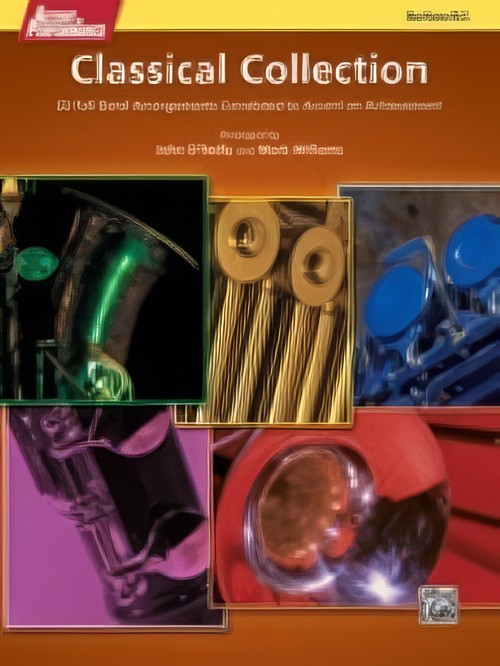
£6.50ACCENT ON PERFORMANCE: Classical Collection (Baritone BC) - O'Reilly & Williams
Baritone BC book only. Over the course of ten years, legendary young-band composers John O'Reilly and Mark Williams composed and arranged over 100 creative works that correlate with specific pages in their highly successful band method, Accent on Achievement. These arrangements are now available in a book format that includes 22 full arrangements in each collection. The Classical Collection includes authentic, carefully arranged music of the master composers from the Renaissance through the Romantic Period. Titles: Allegro from Water Music; Elizabethan Dances; Mozart Minuet and Rondo; Night at the Pops; Ave Verum Corpus; Joyful, Joyful; A Night at the Opera; Finale from Brahms #1; Best of Beethoven; Surprise Symphony Variations; Renaissance Dances; An Evening with the Masters; Classic March Duo; A Mozart Mix; St. Anthony Chorale; Can Can; Bach March and Musette; Saturday at the Symphony; An Afternoon at the Ballet; The Big Three; Mozart Serenade and Dance; Two Grieg Sketches.
Estimated dispatch 7-14 working days
-
 £6.50
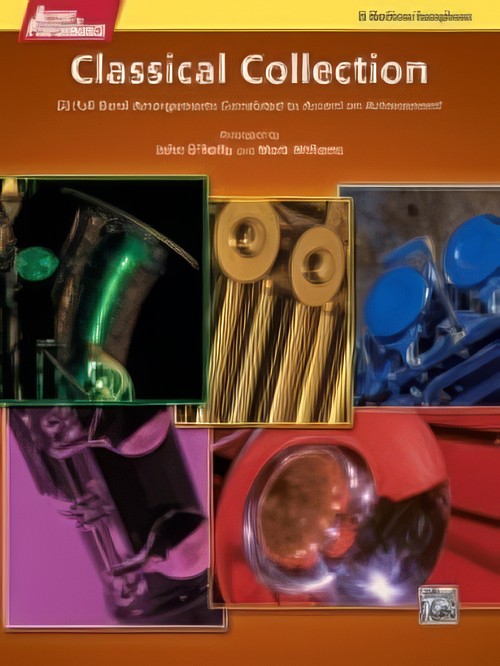
£6.50ACCENT ON PERFORMANCE: Classical Collection (Baritone Saxophone) - O'Reilly & Williams
Baritone Saxophone book only. Over the course of ten years, legendary young-band composers John O'Reilly and Mark Williams composed and arranged over 100 creative works that correlate with specific pages in their highly successful band method, Accent on Achievement. These arrangements are now available in a book format that includes 22 full arrangements in each collection. The Classical Collection includes authentic, carefully arranged music of the master composers from the Renaissance through the Romantic Period. Titles: Allegro from Water Music; Elizabethan Dances; Mozart Minuet and Rondo; Night at the Pops; Ave Verum Corpus; Joyful, Joyful; A Night at the Opera; Finale from Brahms #1; Best of Beethoven; Surprise Symphony Variations; Renaissance Dances; An Evening with the Masters; Classic March Duo; A Mozart Mix; St. Anthony Chorale; Can Can; Bach March and Musette; Saturday at the Symphony; An Afternoon at the Ballet; The Big Three; Mozart Serenade and Dance; Two Grieg Sketches.
Estimated dispatch 7-14 working days
 View Music
 Listen to MP3