
Results
-
 £134.99
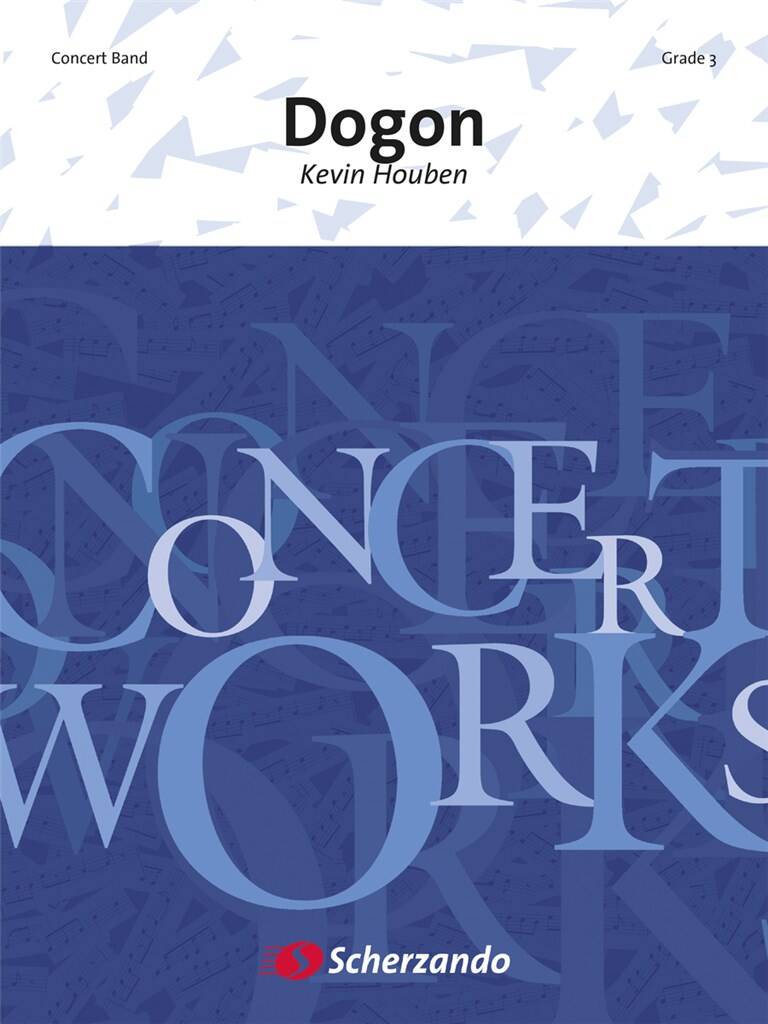
Dogon - Kevin Houben
Dogon whisks the audience off on a journey to the steep slopes of the Dogon Valley. Majestic brass sounds sketch the exotic culture of the Malian Dogon people. The Dogon see the valley as both a threat and a promise for the future. This isrepresented in dark and mysterious chords. Now three soloists (horn, trumpet and soprano saxophone) bring the work to a dazzling conclusion, reminiscent of the colourful masked dances of the Dogon.
Estimated dispatch 7-14 working days
-
 £96.40
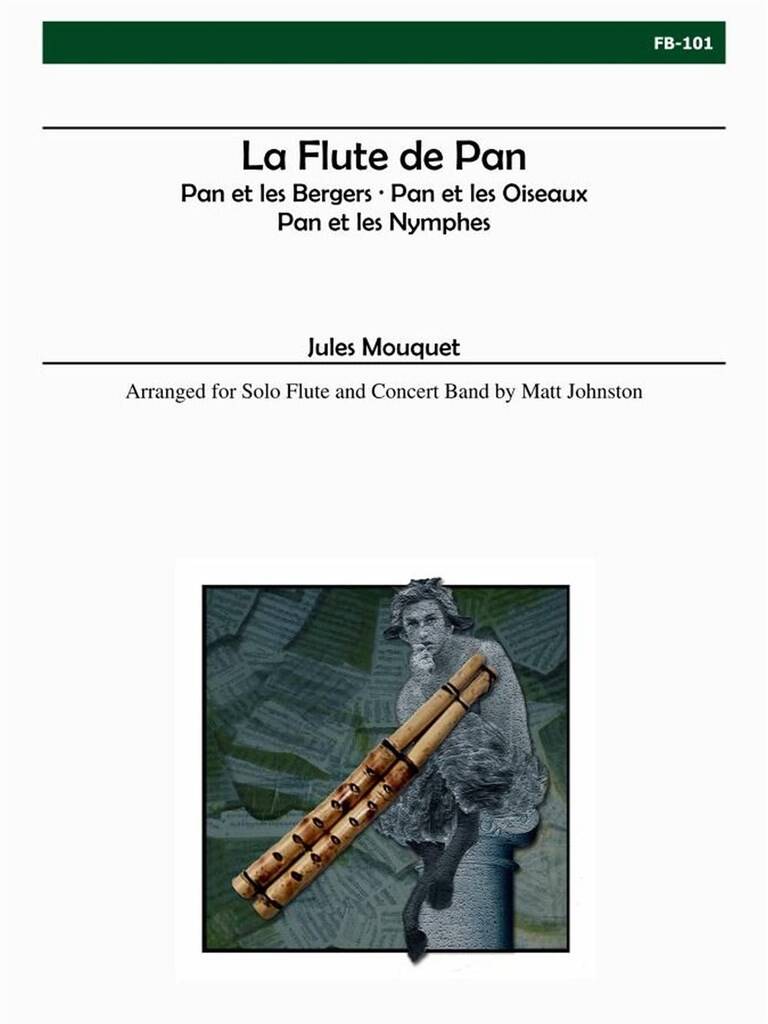
La Flute De Pan - Jules Mouquet
This arrangement features a colorful, yet light accompaniment to this delightful flute solo. A great piece to feature your first chair flute player. The first movement is appropriate for bands of all ages, while the latter two movements are a most likely appropriate for high school groups and up. Instrumentation: Solo Flute, Flute 1/2, Oboe, Bassoon, Clarinet 1/2, Bass Clarinet, Alto Saxophone 1/2, Tenor Saxophone, Baritone Saxophone, Trumpet 1/2, Horn 1/2, Trombone, Euphonium (BC and TC), Tuba, Snare Drum/Bass Drum, Triangle/Suspended Cymbal, Bells
Estimated dispatch 7-14 working days
-
 £229.99
Sinfonietta no. 1 - Johan de Meij
Sinfonietta No. 1 was originally written for brass band, commissioned by the Dutch National Championships 2011 in Groningen. It also served as the test piece for the Swiss National Championships 2011 in Montreux, Switzerland. In 2012, Johan de Meij created this version for wind orchestra.Unlike most of Johan de Meij's compositions, Sinfonietta No. 1 is an abstract, non-programmatic work. It consists of three movements, in which the thematic material of the opening measures - an upward fifth jump - returns in various shapes and forms throughout the piece. The slow middle section features solo passages by cello, English horn and bassoon, all starting with thesame fifth jump. The final movement presents an Elgar-like march theme, interspersed with quotes from the second movement, and ending with the opening theme of movement I.
Estimated dispatch 7-14 working days
-
 £137.99
Hanover Festival - Philip Sparke
The Hanover Wind Symphony, New Jersey, USA was founded in 1984 by its conductor Peter Boor. He commissioned HANOVER FESTIVAL to celebrate the band's 15th Birthday and the first performance took place on October 27th 1999. The piece starts with a solemn brass fanfare. Woodwinds join in and the music subsides into an expressive chorale. A climax is reached and the fanfare returns. Trumpets introduce an explosive vivo section, characterised by an energetic theme from the horns and low clarinets. A bridge passage with strong brass chords leads to a playful section that introduces a legato central theme under woodwind figures. This is taken up by the full band, the playfulmusic returns and the original horn tune is reintroduced. Finally the opening fanfare returns, this time accompanied by music from the vivo section, until a fast and furious coda closes the work.
Estimated dispatch 7-14 working days
-
 £164.99
Wilten Festival Overture - Philip Sparke
To celebrate the 350th anniversary of the Stadtmusikkapelle Wilten in Innsbruck Philip Sparke composed Wilten Festival Overture. A bold fanfare, led by the horns, forms the opening of the work from which an expressive theme unfolds until the full band reaches a climax. Short solo statements from saxophone, horn and trumpet lead to a recapitulation of this theme which melts into a rhythmic Vivo. A robust melody is is then played by the clarinets and taken up by the whole band before a legato figure leads to a cantabile theme, again presented by the clarinets. The original Vivo melody reappears before the opening fanfare is briefly heard and the work comes to an end with ashort Coda. A great experience for the whole band!
Estimated dispatch 7-14 working days
-
 £61.50
Christmas Bells and Brass - Larry Neeck
A unique Christmas medley which features an optional brass quartet (2 trumpets, horn - cued in alto sax - and trombone) from within the band. Carols included are "O Come All Ye Faithful," "Deck The Halls," "Silent Night," and "Jingle Bells". Very playable, the use of the brass quartet allows you to feature four of your best brass players, and Larry's excellent arrangement guarantees it will be a big hit at any holiday season performance! Check this one out!
Estimated dispatch 7-14 working days
-
 £83.50
Portrait of Freedom - Reineke
A dynamic and impressive original composition, this Steven Reineke creation features solo spots for Trumpet, Flute, Piccolo, Bassoon, Horn and a host of percussion instruments. Uplifting in nature, it's an incredible showcase for the entire band and a wonderful choice for any performance by mature bands.
Estimated dispatch 7-14 working days
-
 £107.50
Pilatus: Mountain of Dragons - Steven Reineke
A major work for advanced bands that utilizes the full resources of the modern concert band/wind ensemble. Solos for flute, alto sax, oboe, euphonium, horn, and trumpet. Vast dynamic contrasts as it builds from soft delicate sections of just a few instruments to huge tutti sections of massive symphonic proportions. A truly exception composition that is sure to become a standard of the band repertiore. OUTSTANDING IN EVERY RESPECT!
Estimated dispatch 7-14 working days
-
 £96.50
Dragons Fly on the Winds of Time - Larry Neeck
An exciting and impressive composition that portrays an epic struggle in the distant past between the forces of good and evil. A wizard, a beautiful exotic maiden, a battle, and our hero are woven in the fabric of this musical tale. Sprightly melodies, lively rhythms and tasty writing for a whole battalion of percussionists produce an opening section which is full of energy and vitality. The flowing adagio section features a nice oboe solo (cued in clarinet) and a horn section soli (cued in saxes) that really make this piece special. A superior choice for any concert or contest performance. Very highly recommended!
Estimated dispatch 7-14 working days
-
 £96.50
Freedom Quest - Behrman
A dramatic composition paying tribute to the many immigrants who came to this country through Ellis Island., it delivers a uniquely conceived sound that is full of brilliance and drive! Embodying the essence of freedom, it includes a beautiful and tender section that features solos for flute and trumpet as well as for the entire horn section. A stirring addition to any concert or festival performance! Sensational!
Estimated dispatch 7-14 working days
 View Music