
Results
-
 £53.50
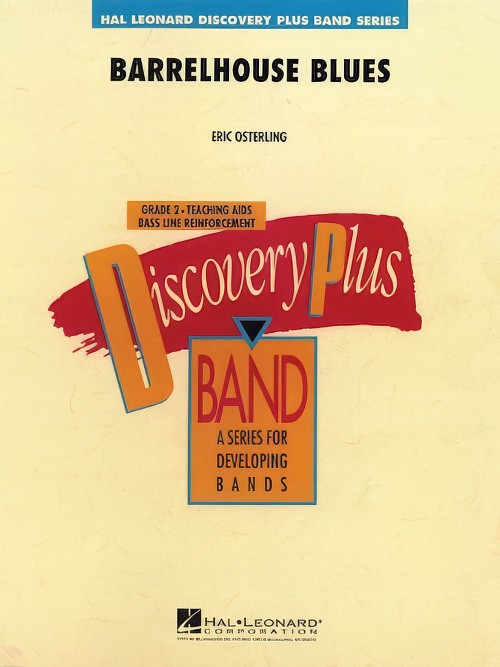
Barrelhouse Blues (Concert Band - Score and Parts) - Osterling, Eric
Here is a delightful Dixie-style piece that features a small combo of clarinet, trumpet, tenor sax, trombone and tuba alternating with statements by the full band. Also included is a stop-time section featuring the percussion. Sure to be an audience pleasing addition to any light concert program.
Estimated dispatch 7-14 working days
-
 £45.95
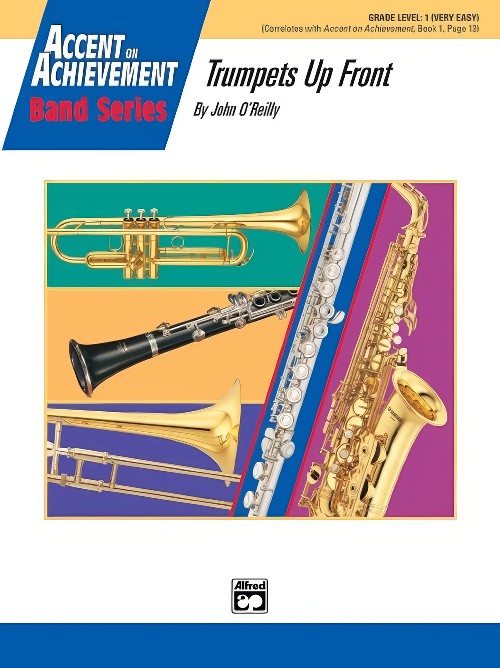
Trumpets Up Front (Trumpet Section Feature with Concert Band - Score and Parts) - O'Reilly, John
Put those beginning trumpet players right out in front of your band and let them shine in this very easy original work that only uses six pitches (B-flat to G) and very basic repeated pitch eighth note patterns. Scored with only one trumpet and clarinet part, this bright feature will work well on that very first mid-winter concert. Duration: 2.00
Estimated dispatch 7-14 working days
-
 £66.95
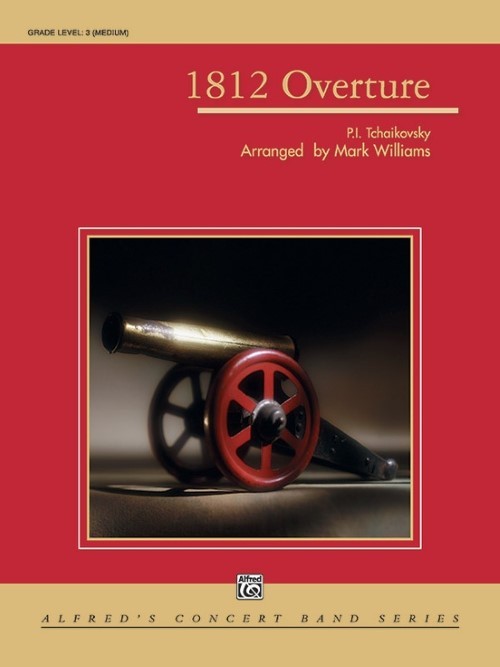
1812 Overture (Concert Band - Score and Parts) - Tchaikovsky, Peter Ilyich - Williams, Mark
This powerful arrangement makes one of Tchaikovsky's most popular and dramatic orchestral works accessible for grade 3 concert bands. The expresive chorale that opens the work has been reworked for brass and bass clarinet, and its dramatic restatement near the end of the piece has been transposed down a perfect fourth so your trumpets will ring through right to the end. Mark Williams also offers some creative alternatives to achieve the cannon sounds. Close your next concert with this all-time classic!Duration: 7.15
Estimated dispatch 7-14 working days
-
 £34.65
Coldwater Creek (Concert Band - Score and Parts)
Highlight your young clarinet section with this infectious concert selection. The clarinets stay below the break throughout while the rest of the band provides a very tasty accompaniment.
Estimated dispatch 7-14 working days
-
 £115.00
DIVERTIMENTO FOR BAND (Concert Band) - Woolfenden, Guy
Includes:I. ToccataII. AubadeIII. ScherzoMany of the principal musical ideas for Divertimento for Band are derived from music composed for a documentary film called Country Camera, which celebrated the work of the earliest photographers who recorded a way of life which vanished at the outset of the first World War.The three movements are played without a break. The Toccata pits a four-note motif (which always appears with its mirror image) against several other derived ideas, including a sour horn (later trumpet) figure, a tiny lyrical passage initiated by a solo alto saxophone, and a more gentle, but still staccato episode. Many polytonal devices keep the four-note motif active. The Aubade contrasts a lyrical pastorale, initiated by a solo flute, with a more intense central section on the brass. The Scherzo finale has three main ideas; a tune for principal bassoon and euphonium of a playful child-like nature, a rushing figure for the woodwinds later developed by the full band, and a solo for trumpet and clarinet, involving a descending scale and a lyrical wide-leaping recovery. The exuberant coda is derived from themes from the previous two movements.The world premiere of Divertimento for Band was given at the conference of the World Association for Symphonic Bands and Ensembles in Killarney on 13th July 2007 conducted by the composer, and is affectionately dedicated to Keith Allen, Jayne Rollason and Birmingham Symphonic Winds. -GW
Estimated dispatch 7-14 working days
-
 £49.95
LA FILLE AUX CHEVEUX DE LIN (Clarinet Solo) (Programme Concert Band) - Wiffin, Rob
Solos feature in most concert programmes and this arrangmenet will be a welcome addition to the library. A touch of calm expressiveness could make it a welcome break from the standard band repertoire.
Estimated dispatch 7-14 working days
-
 £64.99
LET IT GO (from Frozen) (Vocal or Flexible Instrumental Solo with Intermediate Concert Band) - Anderson-Lopez & Lopez - Murtha, Paul
Designed as a flexible solo feature with band (use a vocalist or instrumental soloist) this marvelous arrangement of the signature hit song from Disney's Frozen is a great way to add variety to any concert. Great for alto sax, flute, clarinet or trumpet solo!
Estimated dispatch 7-14 working days
-
 £79.95
Variations on 'Was Lebet' (Concert Band - Score and Parts) - Wainwright, Andrew
Variations on 'Was Lebet' is based on the German chorale of the same name, the first line of which translates as 'O worship the Lord in the beauty of holiness!' The opening fanfare figure in the Trumpets should be supported by bold, organ-like sostenuto chords in the lower band. Ensure that the fanfare in the Trumpets and Trombones from bars 25 to 28 is given equal articulation and volume in the antiphonal parts. After this majestic introductory section, the first of five contrasting variations is presented, although the tune is never realised in full form until the final variation, with fragments gradually being revealed as the piece progresses.Variation I is somewhat classical in approach, with its energy coming from a regular contrast between cantabile references to the theme, set against lively staccato figures. Ensuring a lightness of touch will be important here; the music should be poised and never sound frantic. As a result, careful attention should be paid to the tempo marking, being no quicker than 136 beats per minute. Snippets of the chorale come and go, with the last phrase of the hymn completing the movement. This final statement, at bar 95, should be an immediate change in tempo and a separate statement to the music that comes before.Variation II is plaintive in mood, giving the listener the chance to reflect on the following words, which form part of the second verse: 'Comfort thy sorrows and answer thy prayerfulness, Guiding thy steps as may best for thee be.' There is opportunity for rubato in this movement, at the discretion of the conductor.Variation III is somewhat quirky and volatile in nature, and takes its inspiration from the 3rd and 4th verses which describe the fearful times in life that we must entrust to the Lord. Driven by the Percussion section in particular, there are references here to Variation I with its chorale-like figures and hurtling scalic figures, and there is a feeling of a lack of resolution. A somewhat abrupt ending suggests that our sense of completeness in Christ is yet to be resolved. It is important that clarity and tempo are maintained in the bass line between sections L and M. Aim for consistency of line in the bass parts, particularly with the trade-offs between players here.There is a French romantic feel to the waltz in Variation IV, with the opportunity for various soloists to display their musicianship. A sense of ironic humour pervades throughout. The Clarinet and Bassoon duet from section U should be playful and display a lightness of touch, with that sense of style continued throughout the movement.Variation V is fugal in nature, with each section of the band being handed the theme at various points. Again it is important that a steady tempo is set at Y in order to maintain control. The sense of momentum gradually increases to a grandiose presentation of the full theme, beginning at section CC, affirming our completeness in the Lord, with the words of the first and last verses reiterated: O worship the Lord in the beauty of holiness! Bow down before him, his glory proclaim; With gold of obedience and incense of lowliness, Kneel and adore him, the Lord is his name.Duration: 11.45
Estimated dispatch 7-14 working days
-
 £15.95
Variations on 'Was Lebet' (Concert Band - Score only) - Wainwright, Andrew
Variations on 'Was Lebet' is based on the German chorale of the same name, the first line of which translates as 'O worship the Lord in the beauty of holiness!' The opening fanfare figure in the Trumpets should be supported by bold, organ-like sostenuto chords in the lower band. Ensure that the fanfare in the Trumpets and Trombones from bars 25 to 28 is given equal articulation and volume in the antiphonal parts. After this majestic introductory section, the first of five contrasting variations is presented, although the tune is never realised in full form until the final variation, with fragments gradually being revealed as the piece progresses.Variation I is somewhat classical in approach, with its energy coming from a regular contrast between cantabile references to the theme, set against lively staccato figures. Ensuring a lightness of touch will be important here; the music should be poised and never sound frantic. As a result, careful attention should be paid to the tempo marking, being no quicker than 136 beats per minute. Snippets of the chorale come and go, with the last phrase of the hymn completing the movement. This final statement, at bar 95, should be an immediate change in tempo and a separate statement to the music that comes before.Variation II is plaintive in mood, giving the listener the chance to reflect on the following words, which form part of the second verse: 'Comfort thy sorrows and answer thy prayerfulness, Guiding thy steps as may best for thee be.' There is opportunity for rubato in this movement, at the discretion of the conductor.Variation III is somewhat quirky and volatile in nature, and takes its inspiration from the 3rd and 4th verses which describe the fearful times in life that we must entrust to the Lord. Driven by the Percussion section in particular, there are references here to Variation I with its chorale-like figures and hurtling scalic figures, and there is a feeling of a lack of resolution. A somewhat abrupt ending suggests that our sense of completeness in Christ is yet to be resolved. It is important that clarity and tempo are maintained in the bass line between sections L and M. Aim for consistency of line in the bass parts, particularly with the trade-offs between players here.There is a French romantic feel to the waltz in Variation IV, with the opportunity for various soloists to display their musicianship. A sense of ironic humour pervades throughout. The Clarinet and Bassoon duet from section U should be playful and display a lightness of touch, with that sense of style continued throughout the movement.Variation V is fugal in nature, with each section of the band being handed the theme at various points. Again it is important that a steady tempo is set at Y in order to maintain control. The sense of momentum gradually increases to a grandiose presentation of the full theme, beginning at section CC, affirming our completeness in the Lord, with the words of the first and last verses reiterated: O worship the Lord in the beauty of holiness! Bow down before him, his glory proclaim; With gold of obedience and incense of lowliness, Kneel and adore him, the Lord is his name.Duration: 11.45
Estimated dispatch 7-14 working days
-
 £144.99
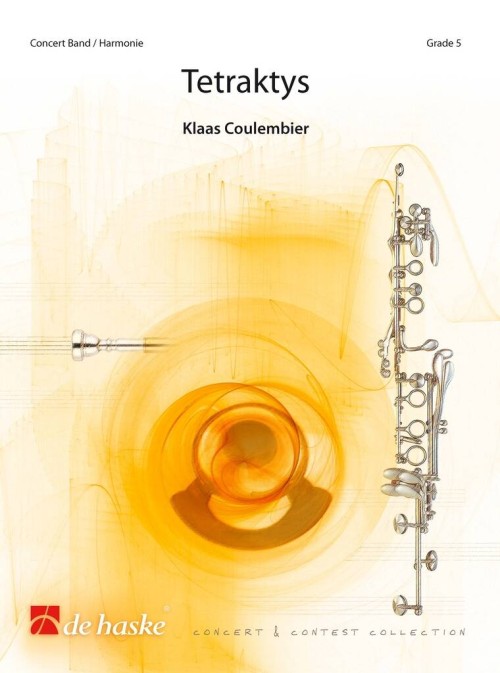
Tetraktys (Concert Band - Score and Parts) - Coulembier, Klaas
Tetraktys, named after a mathematical concept of Pythagoras, is a festive and varied work, composed for the tenth anniversary of the Ghent University Wind Band. A mysterious introduction paves the way for a driving allegro, in which all sections of the orchestra are featured. The slow middle part offers a moment of repose, introduced by a lyrical theme presented by the clarinet section. After a brief recollection of the fast movement, the mood shifts into a swinging big band-style passage, that leads directly into the finale.Duration: 10.30
Estimated dispatch 7-14 working days
 View Music