
Results
-
 £19.99
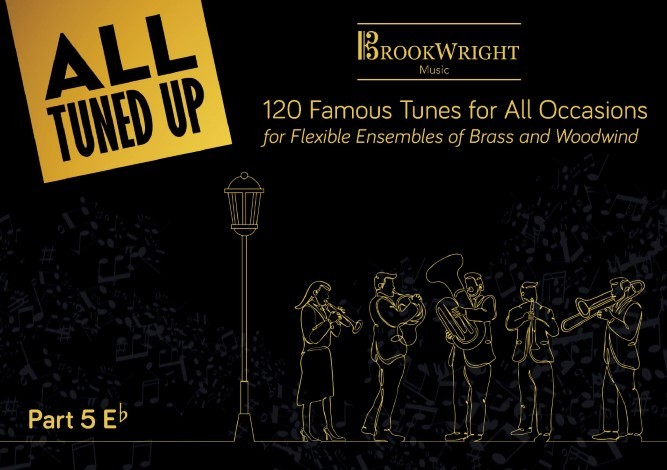
All Tuned Up (Flexible Ensemble - Part 5 in Eb, A4 Size)
120 Famous Tunes for All Occasions for Flexible Ensembles of Brass and WoodwindAll Tuned Up is designed to cater for ensembles for occasions throughout the year. Tunes are drawn from genres including Classical, Hymns, Folk and Patriotic amongst many others to form a comprehensive book that will cover a wide variety of events such as Weddings, Funerals, Graduation Ceremonies, Parties, Proms, Remembrance, Street Playing and Thanksgiving.Playable by as few as five players but also designed to work for full brass band or wind band, it features flexible parts in a wide variety of transpositions. These excellent arrangements have been expertly created by Andrew Wainwright, David E. Jones, Dean H. Jones and Steven Ponsford.The general harmonic format of All Tuned Up is in five parts, although additional notes have been included to thicken the harmony where more players are available. Therefore, the book will work equally well with larger groups, including full brass bands and wind bands.The following parts are available (in both A4 and Marchcard sizes):Part 1 in Bb: Cornet/Trumpet, Clarinet, Flugel Horn, Soprano SaxophonePart 1 in C: Piccolo, Flute, OboePart 1 in Eb (optional part): Soprano Cornet/Eb Trumpet, Eb ClarinetPart 2 in Bb: Cornet/Trumpet, Clarinet, Flugel HornPart 2 in Eb: Tenor Horn, Alto Saxophone, Alto ClarinetPart 2 in F: French Horn, Cor AnglaisPart 3 in Bb: Baritone TC, Trombone TC, Euphonium TC, Tenor SaxophonePart 3 in C BC: Baritone BC, Trombone BC, Euphonium BCPart 3 in Eb: Tenor Horn, Alto Saxophone, Alto ClarinetPart 3 in F: French Horn, Cor AnglaisPart 4 in Bb: Euphonium TC, Baritone TC, Tenor SaxophonePart 4 in C BC: Euphonium BC, Baritone BC, BassoonPart 5 in Bb: Bb Bass, Bass ClarinetPart 5 in C BC: Tuba, Bassoon, String BassPart 5 in Eb: Eb Bass, Baritone SaxophonePercussion (optional part)
Estimated dispatch 7-14 working days
-
£14.99
All Tuned Up (Flexible Ensemble - Part 5 in Eb, Marchcard Size)
120 Famous Tunes for All Occasions for Flexible Ensembles of Brass and WoodwindAll Tuned Up is designed to cater for ensembles for occasions throughout the year. Tunes are drawn from genres including Classical, Hymns, Folk and Patriotic amongst many others to form a comprehensive book that will cover a wide variety of events such as Weddings, Funerals, Graduation Ceremonies, Parties, Proms, Remembrance, Street Playing and Thanksgiving.Playable by as few as five players but also designed to work for full brass band or wind band, it features flexible parts in a wide variety of transpositions. These excellent arrangements have been expertly created by Andrew Wainwright, David E. Jones, Dean H. Jones and Steven Ponsford.The general harmonic format of All Tuned Up is in five parts, although additional notes have been included to thicken the harmony where more players are available. Therefore, the book will work equally well with larger groups, including full brass bands and wind bands.The following parts are available (in both A4 and Marchcard sizes):Part 1 in Bb: Cornet/Trumpet, Clarinet, Flugel Horn, Soprano SaxophonePart 1 in C: Piccolo, Flute, OboePart 1 in Eb (optional part): Soprano Cornet/Eb Trumpet, Eb ClarinetPart 2 in Bb: Cornet/Trumpet, Clarinet, Flugel HornPart 2 in Eb: Tenor Horn, Alto Saxophone, Alto ClarinetPart 2 in F: French Horn, Cor AnglaisPart 3 in Bb: Baritone TC, Trombone TC, Euphonium TC, Tenor SaxophonePart 3 in C BC: Baritone BC, Trombone BC, Euphonium BCPart 3 in Eb: Tenor Horn, Alto Saxophone, Alto ClarinetPart 3 in F: French Horn, Cor AnglaisPart 4 in Bb: Euphonium TC, Baritone TC, Tenor SaxophonePart 4 in C BC: Euphonium BC, Baritone BC, BassoonPart 5 in Bb: Bb Bass, Bass ClarinetPart 5 in C BC: Tuba, Bassoon, String BassPart 5 in Eb: Eb Bass, Baritone SaxophonePercussion (optional part)
Estimated dispatch 7-14 working days
-
 £19.99
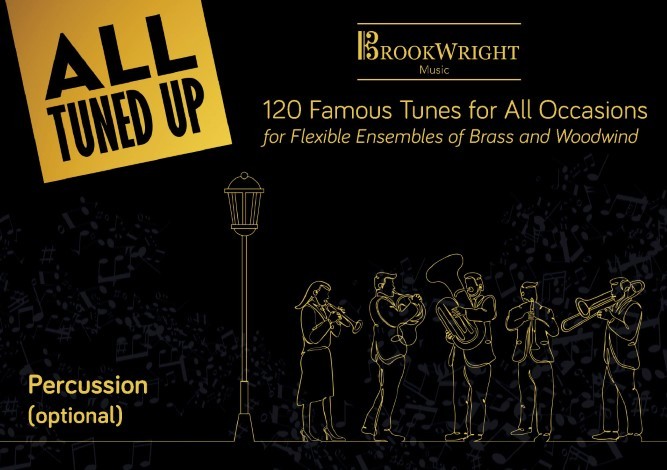
All Tuned Up (Flexible Ensemble - Percussion (optional part), A4 Size)
120 Famous Tunes for All Occasions for Flexible Ensembles of Brass and WoodwindAll Tuned Up is designed to cater for ensembles for occasions throughout the year. Tunes are drawn from genres including Classical, Hymns, Folk and Patriotic amongst many others to form a comprehensive book that will cover a wide variety of events such as Weddings, Funerals, Graduation Ceremonies, Parties, Proms, Remembrance, Street Playing and Thanksgiving.Playable by as few as five players but also designed to work for full brass band or wind band, it features flexible parts in a wide variety of transpositions. These excellent arrangements have been expertly created by Andrew Wainwright, David E. Jones, Dean H. Jones and Steven Ponsford.The general harmonic format of All Tuned Up is in five parts, although additional notes have been included to thicken the harmony where more players are available. Therefore, the book will work equally well with larger groups, including full brass bands and wind bands.The following parts are available (in both A4 and Marchcard sizes):Part 1 in Bb: Cornet/Trumpet, Clarinet, Flugel Horn, Soprano SaxophonePart 1 in C: Piccolo, Flute, OboePart 1 in Eb (optional part): Soprano Cornet/Eb Trumpet, Eb ClarinetPart 2 in Bb: Cornet/Trumpet, Clarinet, Flugel HornPart 2 in Eb: Tenor Horn, Alto Saxophone, Alto ClarinetPart 2 in F: French Horn, Cor AnglaisPart 3 in Bb: Baritone TC, Trombone TC, Euphonium TC, Tenor SaxophonePart 3 in C BC: Baritone BC, Trombone BC, Euphonium BCPart 3 in Eb: Tenor Horn, Alto Saxophone, Alto ClarinetPart 3 in F: French Horn, Cor AnglaisPart 4 in Bb: Euphonium TC, Baritone TC, Tenor SaxophonePart 4 in C BC: Euphonium BC, Baritone BC, BassoonPart 5 in Bb: Bb Bass, Bass ClarinetPart 5 in C BC: Tuba, Bassoon, String BassPart 5 in Eb: Eb Bass, Baritone SaxophonePercussion (optional part)
Estimated dispatch 7-14 working days
-
£14.99
All Tuned Up (Flexible Ensemble - Percussion (optional part), Marchcard Size)
120 Famous Tunes for All Occasions for Flexible Ensembles of Brass and WoodwindAll Tuned Up is designed to cater for ensembles for occasions throughout the year. Tunes are drawn from genres including Classical, Hymns, Folk and Patriotic amongst many others to form a comprehensive book that will cover a wide variety of events such as Weddings, Funerals, Graduation Ceremonies, Parties, Proms, Remembrance, Street Playing and Thanksgiving.Playable by as few as five players but also designed to work for full brass band or wind band, it features flexible parts in a wide variety of transpositions. These excellent arrangements have been expertly created by Andrew Wainwright, David E. Jones, Dean H. Jones and Steven Ponsford.The general harmonic format of All Tuned Up is in five parts, although additional notes have been included to thicken the harmony where more players are available. Therefore, the book will work equally well with larger groups, including full brass bands and wind bands.The following parts are available (in both A4 and Marchcard sizes):Part 1 in Bb: Cornet/Trumpet, Clarinet, Flugel Horn, Soprano SaxophonePart 1 in C: Piccolo, Flute, OboePart 1 in Eb (optional part): Soprano Cornet/Eb Trumpet, Eb ClarinetPart 2 in Bb: Cornet/Trumpet, Clarinet, Flugel HornPart 2 in Eb: Tenor Horn, Alto Saxophone, Alto ClarinetPart 2 in F: French Horn, Cor AnglaisPart 3 in Bb: Baritone TC, Trombone TC, Euphonium TC, Tenor SaxophonePart 3 in C BC: Baritone BC, Trombone BC, Euphonium BCPart 3 in Eb: Tenor Horn, Alto Saxophone, Alto ClarinetPart 3 in F: French Horn, Cor AnglaisPart 4 in Bb: Euphonium TC, Baritone TC, Tenor SaxophonePart 4 in C BC: Euphonium BC, Baritone BC, BassoonPart 5 in Bb: Bb Bass, Bass ClarinetPart 5 in C BC: Tuba, Bassoon, String BassPart 5 in Eb: Eb Bass, Baritone SaxophonePercussion (optional part)
Estimated dispatch 7-14 working days
-
 £48.95
In Darkest Night (Concert Band - Score and Parts) - Kopetz, Barry E.
In Darkest Night was composed to highlight the dark, thick and rich quality of the key of C minor. As musical keys have long been associated with various states of emotion, C minor has often been called the "key of darkness." The slow introduction presents the primary theme in augmented fashion over a C pedal point, leading to the robust Allegro Ritmico. The theme is aggressive, poignant, terse, and yes... dark! The piece concludes with a series of rapid, pounding, off-beat C minor triads preceding the final chord. Duration: 2.15
Estimated dispatch 7-14 working days
-
 £46.90
Let Me Try Again (Flexible Solo with Flexible Ensemble - Score and Parts) - Caravelli, Francois - Marlow, Alan P.
Soloist with 8 Part Flexible Ensemble and PercussionSoloist parts in Bb T.C. and C B.C. provided
Estimated dispatch 7-14 working days
-
 £89.95
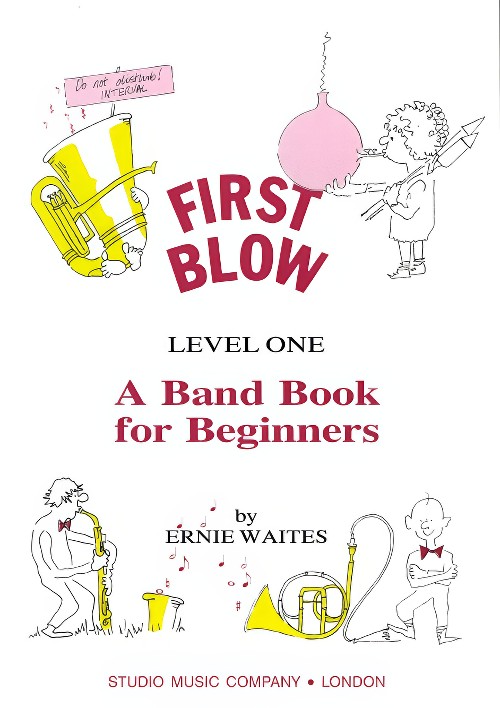
First Blow - Level 1 (Value Set - Score and Parts) - Waites, Ernie
The Value Set includes a score and 1 of each part.The aim of the book is to encourage group-playing in the early stages of learning. To this end, all the parts are deliberately simple and stick strictly to the four parts in the score. In addition there is percussion part (for which instruments should be chosen for each piece) and two learner parts (flute and trombone) for players who have learned only a handful of notes.Dynamics are not given - teachers should allow the players to try the pieces at different levels.The book is suitable for wind of brass bands (of a mixture of both!) and so far as possible, an equal number of players should be allocated to each part. If there is a lack of one of the parts, this part can be reinforced on piano, playing from the score.If clarinet players of a higher standard are available, they may prefer to play the 'upper octave' parts as this will brighten the overall sound of the band.Voices:Part 1 in C, Bb, Bb Upper Octave, EbPart 2 in Bb, Bb Upper Octave, Eb, FPart 3 in Bb, Bb Upper Octave, Eb, F, C BC, Bb BCPart 4 in Bb, Eb, C BC, Bb BC, Eb BCPercussionLerner FluteLerner TrombonePieces include:MarchPolkaShipsHymnCzardasStudy No.1NightfallStudy No.2CharlestonWaltzSlapstick
Estimated dispatch 7-14 working days
-
£19.95
First Blow - Level 1 (Piano Conductor Score) - Waites, Ernie
The aim of the book is to encourage group-playing in the early stages of learning. To this end, all the parts are deliberately simple and stick strictly to the four parts in the score. In addition there is percussion part (for which instruments should be chosen for each piece) and two learner parts (flute and trombone) for players who have learned only a handful of notes.Dynamics are not given - teachers should allow the players to try the pieces at different levels.The book is suitable for wind of brass bands (of a mixture of both!) and so far as possible, an equal number of players should be allocated to each part. If there is a lack of one of the parts, this part can be reinforced on piano, playing from the score.If clarinet players of a higher standard are available, they may prefer to play the 'upper octave' parts as this will brighten the overall sound of the band.Voices:Part 1 in C, Bb, Bb Upper Octave, EbPart 2 in Bb, Bb Upper Octave, Eb, FPart 3 in Bb, Bb Upper Octave, Eb, F, C BC, Bb BCPart 4 in Bb, Eb, C BC, Bb BC, Eb BCPercussionLerner FluteLerner TrombonePieces include:MarchPolkaShipsHymnCzardasStudy No.1NightfallStudy No.2CharlestonWaltzSlapstick
Estimated dispatch 7-14 working days
-
 £46.90
Bring Him Home (from Les Miserables) (Flexible Solo with Flexible Ensemble - Score and Parts) - Fernie, Alan
Soloist with 8 Part Flexible Ensemble and PercussionSoloist parts in Bb T.C., Eb, F and C B.C. provided
Estimated dispatch 7-14 working days
-
 £46.90
Swingbone (Trombone Solo with Flexible Ensemble - Score and Parts) - Hodel, Stephan
8 Part Flexible Ensemble and PercussionSoloist parts in Bb T.C. and C B.C. provided
Estimated dispatch 7-14 working days
 View Music