
Results
-
 £65.00
Anglesey Seascapes, 2nd Movement (Concert Band - Score and Parts) - Glyn, Gareth - Noble, Paul
Gareth Glyn lives on the island of Anglesey, where the encircling sea has always been indivisible from the mythology, history and everyday life and work of its people. This cycle of short miniatures, in a light music vein, seeks to represent various aspects of the sea as seen from five vantagepoints around the coast of Anglesey. The whole work is bound together by recurring musical motifs which change their character according to the prevailing mood. 1. Llanddwyn (Reverie): Island of the Welsh patron saint of lovers, Dwynwen, whose marriage to Maelon was never to be, and who dedicated her life to God. 2. Malltraeth (Pastorale): A brisk walk along Cob Malltraeth, a high dyke built to keep out the sea. 3. Penmon (Intermezzo): From a vantage point by the sacred priory of St Seiriol, old sailing ships and modern yachts can be seen scudding by in Regatta week. 4. Cemaes (Scherzo): The bustle of children's play and donkey-rides on the beach in midsummer. 5. Moelfre (Elegy): In remembrance of innumerable souls lost in shipwrecks off this coast, including the Royal Charter with its loss of 452 lives.
Estimated dispatch 7-14 working days
-
 £65.00
Anglesey Seascapes, 3rd Movement (Concert Band - Score and Parts) - Glyn, Gareth - Noble, Paul
Gareth Glyn lives on the island of Anglesey, where the encircling sea has always been indivisible from the mythology, history and everyday life and work of its people. This cycle of short miniatures, in a light music vein, seeks to represent various aspects of the sea as seen from five vantagepoints around the coast of Anglesey. The whole work is bound together by recurring musical motifs which change their character according to the prevailing mood. 1. Llanddwyn (Reverie): Island of the Welsh patron saint of lovers, Dwynwen, whose marriage to Maelon was never to be, and who dedicated her life to God. 2. Malltraeth (Pastorale): A brisk walk along Cob Malltraeth, a high dyke built to keep out the sea. 3. Penmon (Intermezzo): From a vantage point by the sacred priory of St Seiriol, old sailing ships and modern yachts can be seen scudding by in Regatta week. 4. Cemaes (Scherzo): The bustle of children's play and donkey-rides on the beach in midsummer. 5. Moelfre (Elegy): In remembrance of innumerable souls lost in shipwrecks off this coast, including the Royal Charter with its loss of 452 lives.
Estimated dispatch 7-14 working days
-
 £65.00
Anglesey Seascapes, 4th Movement (Concert Band - Score and Parts) - Glyn, Gareth - Noble, Paul
Gareth Glyn lives on the island of Anglesey, where the encircling sea has always been indivisible from the mythology, history and everyday life and work of its people. This cycle of short miniatures, in a light music vein, seeks to represent various aspects of the sea as seen from five vantagepoints around the coast of Anglesey. The whole work is bound together by recurring musical motifs which change their character according to the prevailing mood. 1. Llanddwyn (Reverie): Island of the Welsh patron saint of lovers, Dwynwen, whose marriage to Maelon was never to be, and who dedicated her life to God. 2. Malltraeth (Pastorale): A brisk walk along Cob Malltraeth, a high dyke built to keep out the sea. 3. Penmon (Intermezzo): From a vantage point by the sacred priory of St Seiriol, old sailing ships and modern yachts can be seen scudding by in Regatta week. 4. Cemaes (Scherzo): The bustle of children's play and donkey-rides on the beach in midsummer. 5. Moelfre (Elegy): In remembrance of innumerable souls lost in shipwrecks off this coast, including the Royal Charter with its loss of 452 lives.
Estimated dispatch 7-14 working days
-
 £65.00
Anglesey Seascapes, 5th Movement (Concert Band - Score and Parts) - Glyn, Gareth - Noble, Paul
Gareth Glyn lives on the island of Anglesey, where the encircling sea has always been indivisible from the mythology, history and everyday life and work of its people. This cycle of short miniatures, in a light music vein, seeks to represent various aspects of the sea as seen from five vantagepoints around the coast of Anglesey. The whole work is bound together by recurring musical motifs which change their character according to the prevailing mood. 1. Llanddwyn (Reverie): Island of the Welsh patron saint of lovers, Dwynwen, whose marriage to Maelon was never to be, and who dedicated her life to God. 2. Malltraeth (Pastorale): A brisk walk along Cob Malltraeth, a high dyke built to keep out the sea. 3. Penmon (Intermezzo): From a vantage point by the sacred priory of St Seiriol, old sailing ships and modern yachts can be seen scudding by in Regatta week. 4. Cemaes (Scherzo): The bustle of children's play and donkey-rides on the beach in midsummer. 5. Moelfre (Elegy): In remembrance of innumerable souls lost in shipwrecks off this coast, including the Royal Charter with its loss of 452 lives.
Estimated dispatch 7-14 working days
-
 £79.95
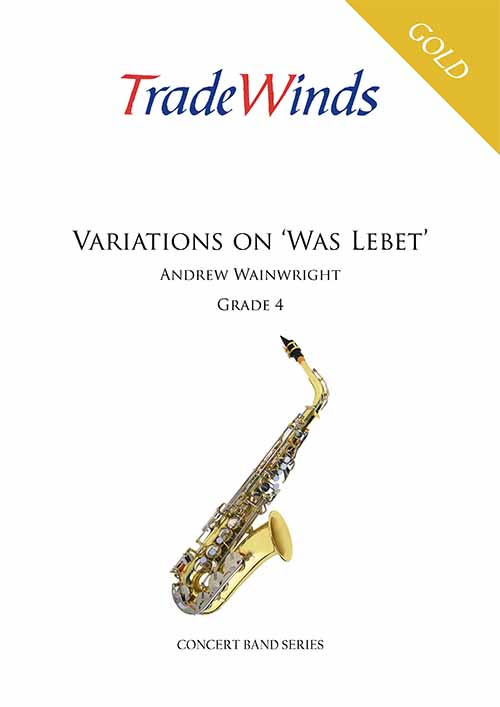
Variations on 'Was Lebet' (Concert Band - Score and Parts) - Wainwright, Andrew
Variations on 'Was Lebet' is based on the German chorale of the same name, the first line of which translates as 'O worship the Lord in the beauty of holiness!' The opening fanfare figure in the Trumpets should be supported by bold, organ-like sostenuto chords in the lower band. Ensure that the fanfare in the Trumpets and Trombones from bars 25 to 28 is given equal articulation and volume in the antiphonal parts. After this majestic introductory section, the first of five contrasting variations is presented, although the tune is never realised in full form until the final variation, with fragments gradually being revealed as the piece progresses.Variation I is somewhat classical in approach, with its energy coming from a regular contrast between cantabile references to the theme, set against lively staccato figures. Ensuring a lightness of touch will be important here; the music should be poised and never sound frantic. As a result, careful attention should be paid to the tempo marking, being no quicker than 136 beats per minute. Snippets of the chorale come and go, with the last phrase of the hymn completing the movement. This final statement, at bar 95, should be an immediate change in tempo and a separate statement to the music that comes before.Variation II is plaintive in mood, giving the listener the chance to reflect on the following words, which form part of the second verse: 'Comfort thy sorrows and answer thy prayerfulness, Guiding thy steps as may best for thee be.' There is opportunity for rubato in this movement, at the discretion of the conductor.Variation III is somewhat quirky and volatile in nature, and takes its inspiration from the 3rd and 4th verses which describe the fearful times in life that we must entrust to the Lord. Driven by the Percussion section in particular, there are references here to Variation I with its chorale-like figures and hurtling scalic figures, and there is a feeling of a lack of resolution. A somewhat abrupt ending suggests that our sense of completeness in Christ is yet to be resolved. It is important that clarity and tempo are maintained in the bass line between sections L and M. Aim for consistency of line in the bass parts, particularly with the trade-offs between players here.There is a French romantic feel to the waltz in Variation IV, with the opportunity for various soloists to display their musicianship. A sense of ironic humour pervades throughout. The Clarinet and Bassoon duet from section U should be playful and display a lightness of touch, with that sense of style continued throughout the movement.Variation V is fugal in nature, with each section of the band being handed the theme at various points. Again it is important that a steady tempo is set at Y in order to maintain control. The sense of momentum gradually increases to a grandiose presentation of the full theme, beginning at section CC, affirming our completeness in the Lord, with the words of the first and last verses reiterated: O worship the Lord in the beauty of holiness! Bow down before him, his glory proclaim; With gold of obedience and incense of lowliness, Kneel and adore him, the Lord is his name.Duration: 11.45
Estimated dispatch 7-14 working days
-
 £15.95
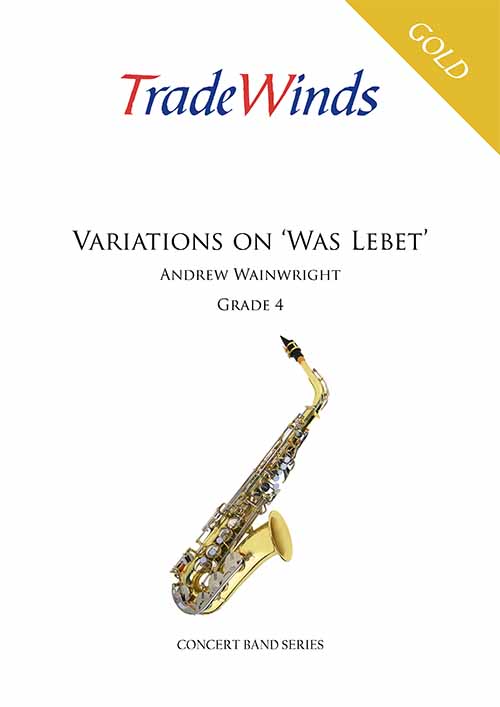
Variations on 'Was Lebet' (Concert Band - Score only) - Wainwright, Andrew
Variations on 'Was Lebet' is based on the German chorale of the same name, the first line of which translates as 'O worship the Lord in the beauty of holiness!' The opening fanfare figure in the Trumpets should be supported by bold, organ-like sostenuto chords in the lower band. Ensure that the fanfare in the Trumpets and Trombones from bars 25 to 28 is given equal articulation and volume in the antiphonal parts. After this majestic introductory section, the first of five contrasting variations is presented, although the tune is never realised in full form until the final variation, with fragments gradually being revealed as the piece progresses.Variation I is somewhat classical in approach, with its energy coming from a regular contrast between cantabile references to the theme, set against lively staccato figures. Ensuring a lightness of touch will be important here; the music should be poised and never sound frantic. As a result, careful attention should be paid to the tempo marking, being no quicker than 136 beats per minute. Snippets of the chorale come and go, with the last phrase of the hymn completing the movement. This final statement, at bar 95, should be an immediate change in tempo and a separate statement to the music that comes before.Variation II is plaintive in mood, giving the listener the chance to reflect on the following words, which form part of the second verse: 'Comfort thy sorrows and answer thy prayerfulness, Guiding thy steps as may best for thee be.' There is opportunity for rubato in this movement, at the discretion of the conductor.Variation III is somewhat quirky and volatile in nature, and takes its inspiration from the 3rd and 4th verses which describe the fearful times in life that we must entrust to the Lord. Driven by the Percussion section in particular, there are references here to Variation I with its chorale-like figures and hurtling scalic figures, and there is a feeling of a lack of resolution. A somewhat abrupt ending suggests that our sense of completeness in Christ is yet to be resolved. It is important that clarity and tempo are maintained in the bass line between sections L and M. Aim for consistency of line in the bass parts, particularly with the trade-offs between players here.There is a French romantic feel to the waltz in Variation IV, with the opportunity for various soloists to display their musicianship. A sense of ironic humour pervades throughout. The Clarinet and Bassoon duet from section U should be playful and display a lightness of touch, with that sense of style continued throughout the movement.Variation V is fugal in nature, with each section of the band being handed the theme at various points. Again it is important that a steady tempo is set at Y in order to maintain control. The sense of momentum gradually increases to a grandiose presentation of the full theme, beginning at section CC, affirming our completeness in the Lord, with the words of the first and last verses reiterated: O worship the Lord in the beauty of holiness! Bow down before him, his glory proclaim; With gold of obedience and incense of lowliness, Kneel and adore him, the Lord is his name.Duration: 11.45
Estimated dispatch 7-14 working days
-
 £164.95
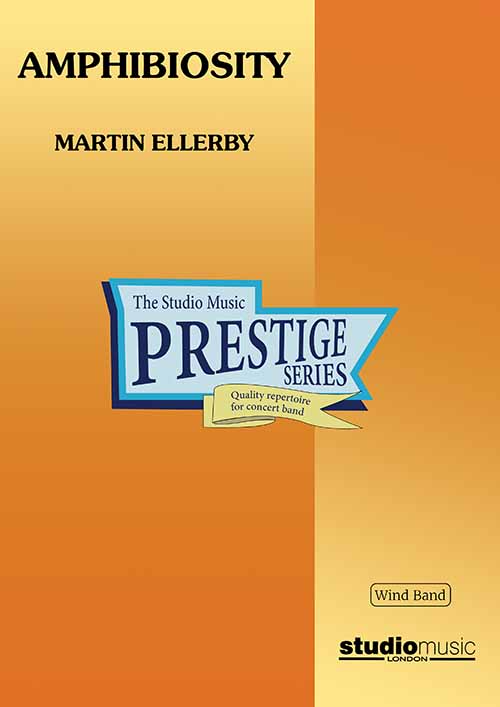
Amphibiosity (Concert Band - Score and Parts) - Ellerby, Martin
Amphibiosity was commissioned by the Royal Marines Band Service with funds made available by the Royal Navy and Royal Marines Charities for the 2014 Mountbatten Festival of Music held at the Royal Albert Hall in London.The work was written in celebration of the 350th Anniversary of the Royal Marines Corps and utilises many familiar tunes associated with them. Although the piece is cast in one continuous movement it falls into an introductions, ten sections and a coda.The Introduction sets the tone with the Amphibiosity mofif - a call to attention, it is of serious intent. During the course of the work it returns as a point of reference. The first section makes use of The Globe and Laurel (Original Regimental Slow March of the Royal Marines, the tune (Early One Morning) making an apt appearance, it has been played in the minor and like much of the quotational material in the piece is of a referenced nature being symbolic in meaning. However it soon turns to the major to provide a less sombre aspect to the introduction proper. There follows an interlude, the Amphibiosity motif returning rather like a ritornello to give cohesion to the structure and act as a point of change.Section two presents Sarie Marais (Regimental March Past of the Royal Marine Commandoes), the first half of the tune used as a fugal subject (placed in the minor) and as such providing the impression of a building up of activity. The ensuing third section is light-hearted commencing with an original hornpipe leading into the fourth section, Seascape, representing the fleet at sea. Another interlude follows, the Amphibiosity motif reappearing as a woodwind fanfare making way for the fifth section. Anticipation, serious matters lie ahead, there is trouble in the papers, the Corps will be placed on standby.Section six is subtitled Preparation, all hands-on deck, time to get set: A Life on the Ocean Wave (Regimental March of the Royal Marines) is alluded to. On reaching section seven, Assault, the landing goes ahead. Within this section there is an internal interlude reflecting on things past: other men have been in this position before. It is a taut and trying situation, training must pay off!Section eight is named Victory, but not gung-ho, and here the Seascape music is revisited. The penultimate ninth section is called Rememberances, although all made it this time, it was not always the case in times past and the Naval Hymn (Eternal Father) provides a moment of tribute to the fallen of previous generations.The Finale (section ten) delivers By Land and Sea (Slow March of the Royal Marines) in a bright and positive orchestration, the mood being celebratory. In a brief Code, the Amphibiosity motif makes a last triumphant appearance.Duration: 10.30
Estimated dispatch 7-14 working days
-
 £32.95
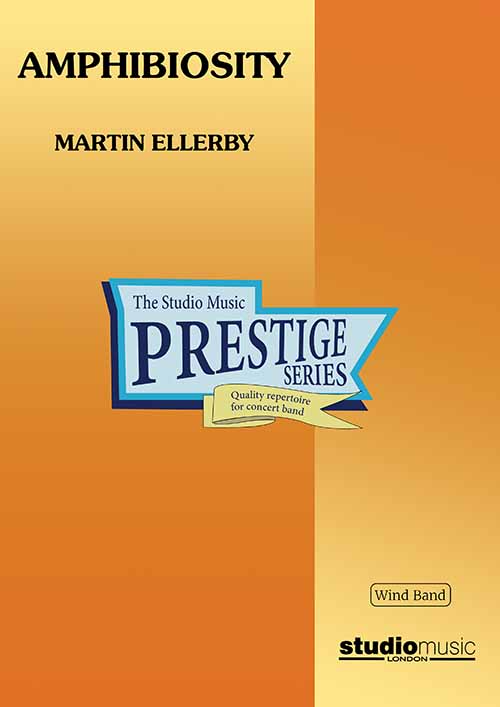
Amphibiosity (Concert Band - Score only) - Ellerby, Martin
Amphibiosity was commissioned by the Royal Marines Band Service with funds made available by the Royal Navy and Royal Marines Charities for the 2014 Mountbatten Festival of Music held at the Royal Albert Hall in London.The work was written in celebration of the 350th Anniversary of the Royal Marines Corps and utilises many familiar tunes associated with them. Although the piece is cast in one continuous movement it falls into an introductions, ten sections and a coda.The Introduction sets the tone with the Amphibiosity mofif - a call to attention, it is of serious intent. During the course of the work it returns as a point of reference. The first section makes use of The Globe and Laurel (Original Regimental Slow March of the Royal Marines, the tune (Early One Morning) making an apt appearance, it has been played in the minor and like much of the quotational material in the piece is of a referenced nature being symbolic in meaning. However it soon turns to the major to provide a less sombre aspect to the introduction proper. There follows an interlude, the Amphibiosity motif returning rather like a ritornello to give cohesion to the structure and act as a point of change.Section two presents Sarie Marais (Regimental March Past of the Royal Marine Commandoes), the first half of the tune used as a fugal subject (placed in the minor) and as such providing the impression of a building up of activity. The ensuing third section is light-hearted commencing with an original hornpipe leading into the fourth section, Seascape, representing the fleet at sea. Another interlude follows, the Amphibiosity motif reappearing as a woodwind fanfare making way for the fifth section. Anticipation, serious matters lie ahead, there is trouble in the papers, the Corps will be placed on standby.Section six is subtitled Preparation, all hands-on deck, time to get set: A Life on the Ocean Wave (Regimental March of the Royal Marines) is alluded to. On reaching section seven, Assault, the landing goes ahead. Within this section there is an internal interlude reflecting on things past: other men have been in this position before. It is a taut and trying situation, training must pay off!Section eight is named Victory, but not gung-ho, and here the Seascape music is revisited. The penultimate ninth section is called Rememberances, although all made it this time, it was not always the case in times past and the Naval Hymn (Eternal Father) provides a moment of tribute to the fallen of previous generations.The Finale (section ten) delivers By Land and Sea (Slow March of the Royal Marines) in a bright and positive orchestration, the mood being celebratory. In a brief Code, the Amphibiosity motif makes a last triumphant appearance.Duration: 10.30
Estimated dispatch 7-14 working days
-
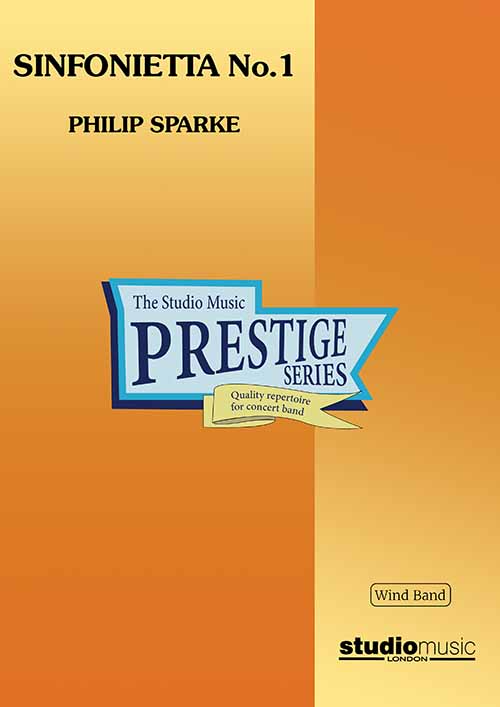 £137.95
Sinfonietta No.1 (Concert Band - Score and Parts) - Sparke, Philip
Sinfonietta No.1 was commissioned by the Foundation of Friends of the Marine Band of the Royal Netherlands Navy. It was first performed by them in 'De Doelen', Rotterdam on the 13th November 1990 (in a joint concert with the Royal Marines Band from Great Britain) which celebrated the 325th anniversary of the Netherlands Marine Corps and coincided with the 45th anniversary of the band and the 175th anniversary of naval music in the Netherlands.The work is in three, linked movements:I: OvertureSeveral contrasting motivic ideas open the work, but none manage to develop into a theme of any sort. Eventually a short theme appears on clarinet, alto saxophone and horn but it is swept away by runs of triplets from the woodwinds. The theme returns, accompanied by the triplets from the woodwinds. The theme returns, accompanied by the triplets, and this leads to a return of the opening material to close the movement.II: AriaThe second movement opens with violent outbursts from the timpani until a simple, mournful tune is presented by flute and bassoon over a sparse accompaniment by the lower brass. Trumpets introduce a quicker, turbulent central section but this leads back to a brief repeat of the original tune, bringing the movement to a peaceful close.III. ScherzoThe final movement is a fast and furious scherzo which bursts into life with a flurry of notes. The vivacious main (woodwind) theme is first played by the flutes and then by the whole woodwind section. A cornet then takes centre stage with a fanfare-like theme which is then taken up by the brass. A bridge passage then leads to a version of this theme for full band. The original flute tune is then developed until the horns introduce a chorale tune which is taken up by saxes and then full band until the opening material reappears. The woodwind and brass themes are then combined and lead to a forceful version of the chorale which becomes more and more dissonant until the opening of the Overture returns to bring the work to a rousing finish.Recorded on QPRM134D THE KINGS GO FORTH, Central Band of the Royal Air Force
Estimated dispatch 7-14 working days
-
£27.95
Sinfonietta No.1 (Concert Band - Score only) - Sparke, Philip
Sinfonietta No.1 was commissioned by the Foundation of Friends of the Marine Band of the Royal Netherlands Navy. It was first performed by them in 'De Doelen', Rotterdam on the 13th November 1990 (in a joint concert with the Royal Marines Band from Great Britain) which celebrated the 325th anniversary of the Netherlands Marine Corps and coincided with the 45th anniversary of the band and the 175th anniversary of naval music in the Netherlands.The work is in three, linked movements:I: OvertureSeveral contrasting motivic ideas open the work, but none manage to develop into a theme of any sort. Eventually a short theme appears on clarinet, alto saxophone and horn but it is swept away by runs of triplets from the woodwinds. The theme returns, accompanied by the triplets from the woodwinds. The theme returns, accompanied by the triplets, and this leads to a return of the opening material to close the movement.II: AriaThe second movement opens with violent outbursts from the timpani until a simple, mournful tune is presented by flute and bassoon over a sparse accompaniment by the lower brass. Trumpets introduce a quicker, turbulent central section but this leads back to a brief repeat of the original tune, bringing the movement to a peaceful close.III. ScherzoThe final movement is a fast and furious scherzo which bursts into life with a flurry of notes. The vivacious main (woodwind) theme is first played by the flutes and then by the whole woodwind section. A cornet then takes centre stage with a fanfare-like theme which is then taken up by the brass. A bridge passage then leads to a version of this theme for full band. The original flute tune is then developed until the horns introduce a chorale tune which is taken up by saxes and then full band until the opening material reappears. The woodwind and brass themes are then combined and lead to a forceful version of the chorale which becomes more and more dissonant until the opening of the Overture returns to bring the work to a rousing finish.Recorded on QPRM134D THE KINGS GO FORTH, Central Band of the Royal Air Force
Estimated dispatch 7-14 working days
 View Music