
Results
-
 £99.99
Hidden Light - Kevin Houben
Hidden Light - Loyalty Among Friends, was composed on the occasion of the 75 year membership of Mr Leo Knoben at the Royal Brass Band 'Eendracht Waubach'. (NL)From pride and admiration for this exceptional jubilee , but also out of gratitude for his many years of commitment as musician and member of the board, the association chose to have a memorable work written.That assignment resulted in the wonderful choral Hidden Light, for which composer Kevin Houben based himself on the following emotions and oppositions: small vs majestic, submissive vs royal and simplicity vs glory.The work starts in a very modest, dark atmosphere, after which the composition develops into a grand and lofty sound with broad melodies, exploring the full richness and colors of the 'symphonic' wind band.The interesting variety in orchestration - the small , intimate setting at the beginning and the following broad, majestic tutti passages - makes the work very varied, grateful to perform and to listen to.With Hidden Light Kevin Houben has again created an expressive and powerful composition that is highly reflective in nature. This emotional work is a tribute to an exceptional man who has been there for 'his' orchestra all his life, with a warm heart for 'his' musicians. Each musician will recognize the connection and the passion for music in this piece.
Estimated dispatch 7-14 working days
-
 £134.99
Dionysos - Thomas Doss
This work is based on the story of Dionysus, the god of wine. It depicts village life in the valley of Mount Olympus. A fight disturbs cheerful dancing at the wine festival and the music becomes increasingly dominated by the main theme that depicts Dionysus himself. This impressive programmatic work is suitable for concerts or contests, and offers challenges throughout the music.
Estimated dispatch 7-14 working days
-
 £64.95
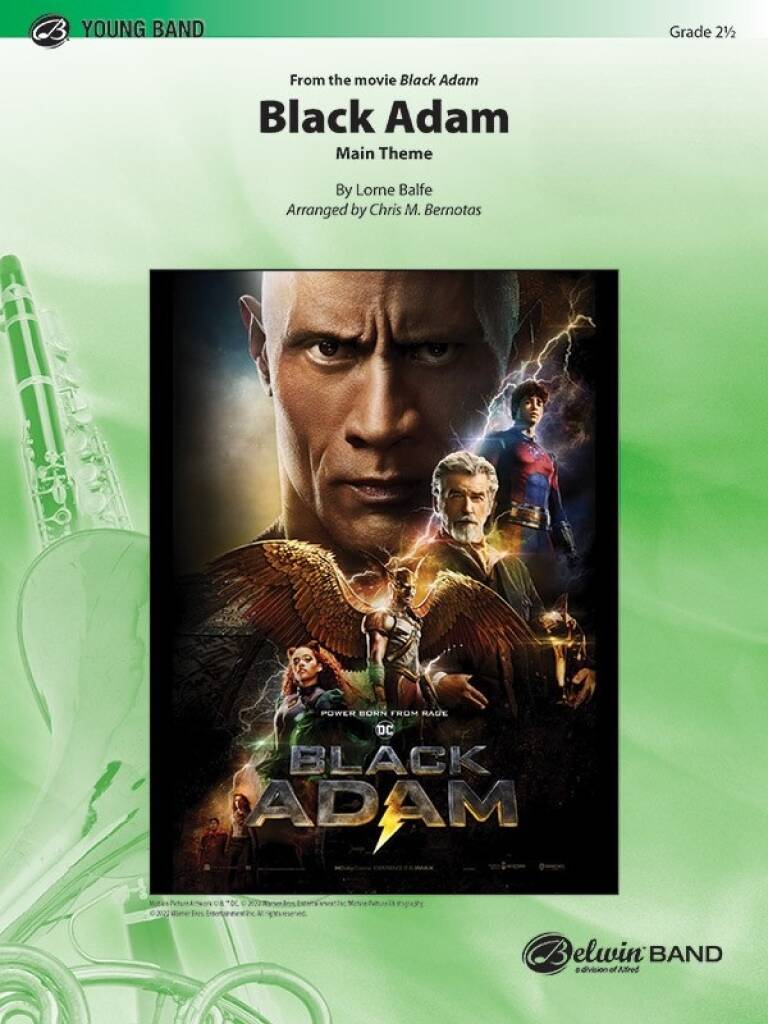
Black Adam - Lorne Balfe
The powerful theme from the action-packed DC Superhero adventure Black Adam comes to life in this fantastic arrangement by Chris M. Bernotas. The epic theme is dark and bold, and all sections of the concert band have engaging and exciting parts. The original score by Lorne Balfe is brilliant. This arrangement will be a hit at your next concert.
Estimated dispatch 7-14 working days
-
£78.99
We Shall Overcome
The beloved gospel song, "We Shall Overcome," which became the great anthem of the civil rights movement, is now available in this inspiring and very playable arrangement by Lisa Galvin. Providing an inspiring backdrop for healing and triumph, this timely piece is appropriate for any performance, and can offer a number of learning opportunities across the curriculum. Whatever life's obstacles may be, your advancing musicians can help conjure a sense of hope and fortitude with lush harmonies and expressive transitions that build to an exuberant finish. Powerful!
Estimated dispatch 7-14 working days
-
 £98.99
Triumph! - Nathan Hervey
A dynamic and exhilarating composition, "Triumph!" invites the entire ensemble to immerse themselves in its tuneful melodies, rhythmic energy, and rich harmonies. Inspired by the spirit of overcoming challenges, composer Nathan Hervey has created accessible parts for all musicians, while providing engaging moments for woodwinds and dramatic fanfare passages for the brass, especially in the opening. Each section of the ensemble takes its turn with the melody, fostering a sense of collective ownership in bringing the work to life. With its infectious tunes and powerful themes, "Triumph!" is sure to leave a lasting impression and become a favorite for both performers and audiences alike.This work is not yet in print. Please check back later to view the conductor score and for purchasing information. In the meantime, please enjoy this recording performed by The Washington Winds, conducted by Edward S. Petersen.
Estimated dispatch 7-14 working days
-
 £140.50
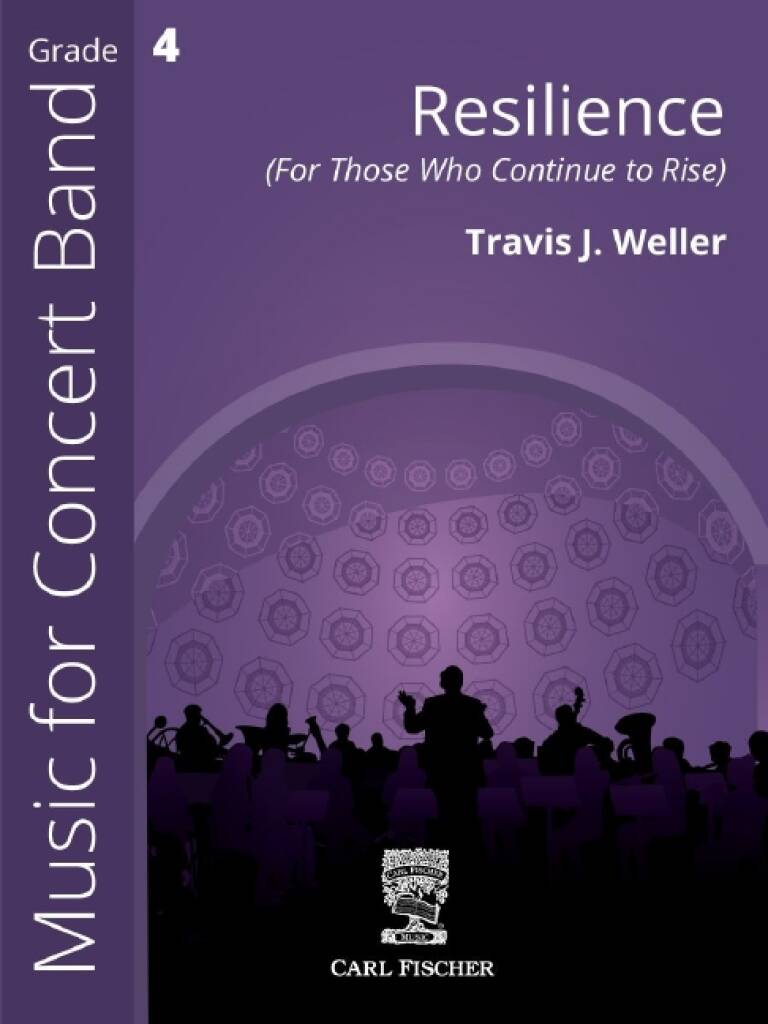
Resilience - Travis Weller
Written in response to adversity in its many forms, this concert or contest composition for advanced bands celebrates the spirit of rising above. Adversity is represented by various harmonic and rhythmic devices throughout the work and is resolved through creative reworkings of previous melodic material, different textural instrumental combinations and tempo and dynamic shadings. Truly a commentary on not only life's struggles but the fact that strife also causes positive growth, this complex, yet approachable, composition will challenge your musicians both musically and emotionally.
Estimated dispatch 7-14 working days
-
 £98.99
Curtain Call - John Wasson
"Curtain Call" was originally composed for the Dallas Brass as part of a collection of works entitled Brass Grooves. Though originally written for 5 brass players and percussionist, it really comes to life in this sparkling concert band setting! Every section in the band is featured and it is also an excellent choice for community bands. Conceived as a tribute to all the great finales, encores and reprises written for the stage, "Curtain Call" is a flashy, energetic flag-waver that is sure to be the perfect ending for your concert!
Estimated dispatch 7-14 working days
-
£69.99
Heaven's Valley - James L. Hosay
This piece is descriptive of day-to-day life and activities in Virginia's splendidly beautiful Shenandoah Valley. An abundance of apple orchards and vineyards drapes the landscape in this heavenly habitat of rural America. The beautiful and popular folk song, Oh Shenandoah, is interwoven with original melodies in this warm and delightful homespun overture.
Estimated dispatch 7-14 working days
-
 £204.99
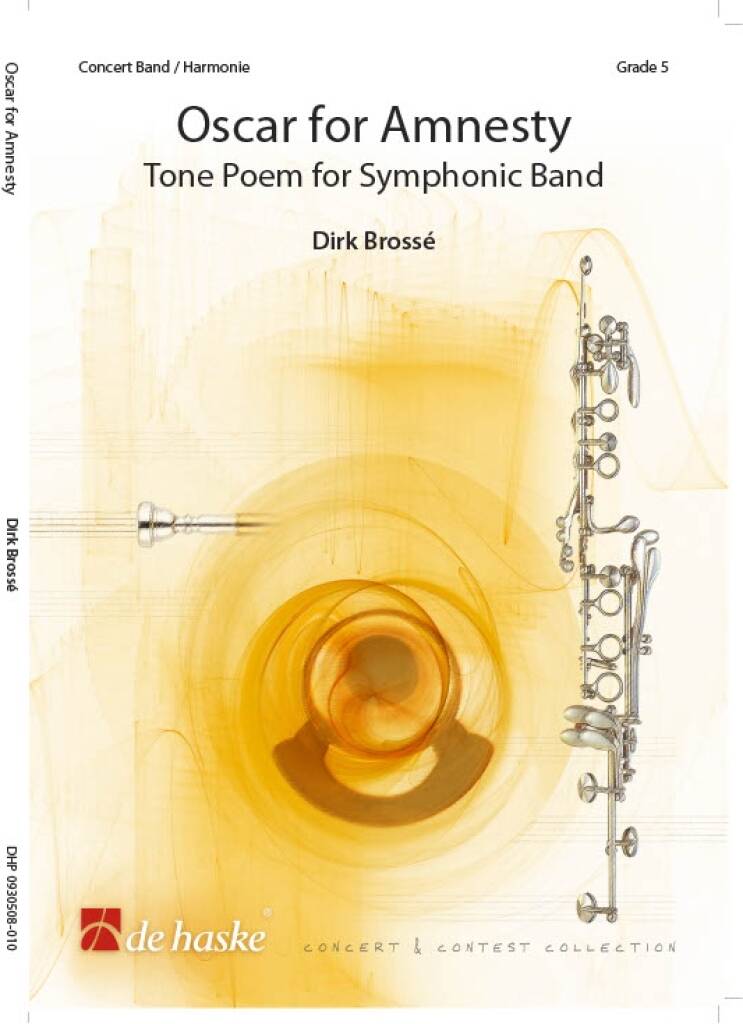
Oscar for Amnesty - Dirk Brossé
The central figure in this work is Marianella Garia Villas (1948-1983). This Salvadorean woman fought for human rights in her country. As a barrister for political prisoners she belonged to the opponents of the regime in El Salvador. She escaped death several times, but eventually her activities cost her her life. The story of Marianella Garia Villas is very important in the struggle for human rights in South America with many people followed her example. Dirk Bross ends this symphonic poem with a Coda in which hope for improvements in human rights triumph.
Estimated dispatch 7-14 working days
-
£139.99
Cobra - Jan Bosveld
Shortly after the Second World War, a combative movement of Danish, Belgian and Dutch artists chose the cobra snake - extremely dangerous yet considered sacred - as a symbol of their resistance to strict guideliness of form. The name "Cobra" also happens to contain the first letters of the cities Copenhagen, Brussels ans Amsterdam, from where most of the movement's members came. The Cobra movement, which existed from November 1948 until November 1951, can with some justicication be called the last major avant-garde movement of the 20th century.The source of inspiration for the composition Cobra comes from four paintings: "Obhobning" by the Dane Egill Jacobsen; "La jeune fille et lamort" by the Belgian Pierre Alechinsky; "Orgeldraaier" and "Le rythme joyeux de la ville" by the Dutch artists Karel Appel and Corneille. Obhobning means "pile-up", which is represented musically in the first part by a melodic and harmonic pilling up of perfect fourth's. The first part is also characterized by a rhythmic feeling, which the painting gives through its use of numerous black stripes. In the painting La jeune fille et la mort, Pierre Alechinsky places a young girl opposite Death. The second part features the constantly pulsating motion of live while a creeping, dark, melodic line develops. The tension between life and death is tangible as a battle reveals itself. In part three, one hears the Orgeldraaier by Karel Appel, as cheerful and playful as an organ grinder's music. The painting Le rythme joyeux de la ville by Corneille is busy and extremely dynamic, a perfect source of inspiration for a powerful, rhythmic ending to this composition.
Estimated dispatch 7-14 working days
 View Music