
Results
-
£100.00
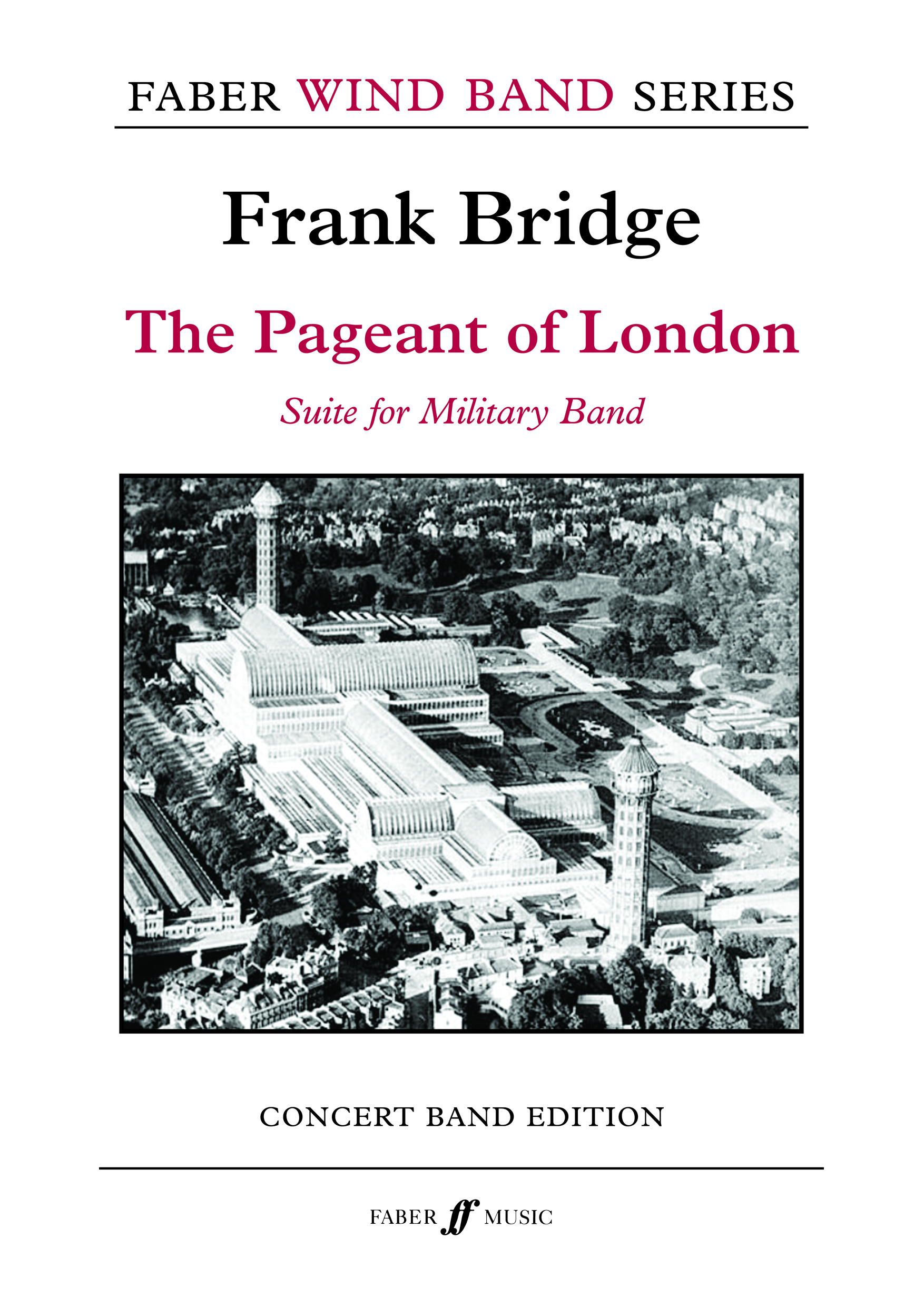
The Pageant of London - Frank Bridge
Frank Bridge was one of the finest English composers of the first half of the 20th century. The Pageant of London is his only work for wind band, comprising of two marches, one scored from Bridge's best known organ piece and including the chimes of Big Ben, plus three short renaissance pastiche items, one arranged from Playford (later used by Peter Warlock in Capriol Suite). The music is tuneful, approachable and, in the words of wind band 'legend' Timothy Reynish makes a fine alternative to Holst's two suites, which were composed around the same time. Reynish has introduced this work to concert bands right across the world. It has been performed in USA and the Far East, recorded by the celebrated Kosei Wind Orchestra of Japan and also by the BBC National Orchestra of Wales in the Chandos edition of Bridge Orchestral Music.
In stock: Estimated delivery 1-3 days
-
£60.00
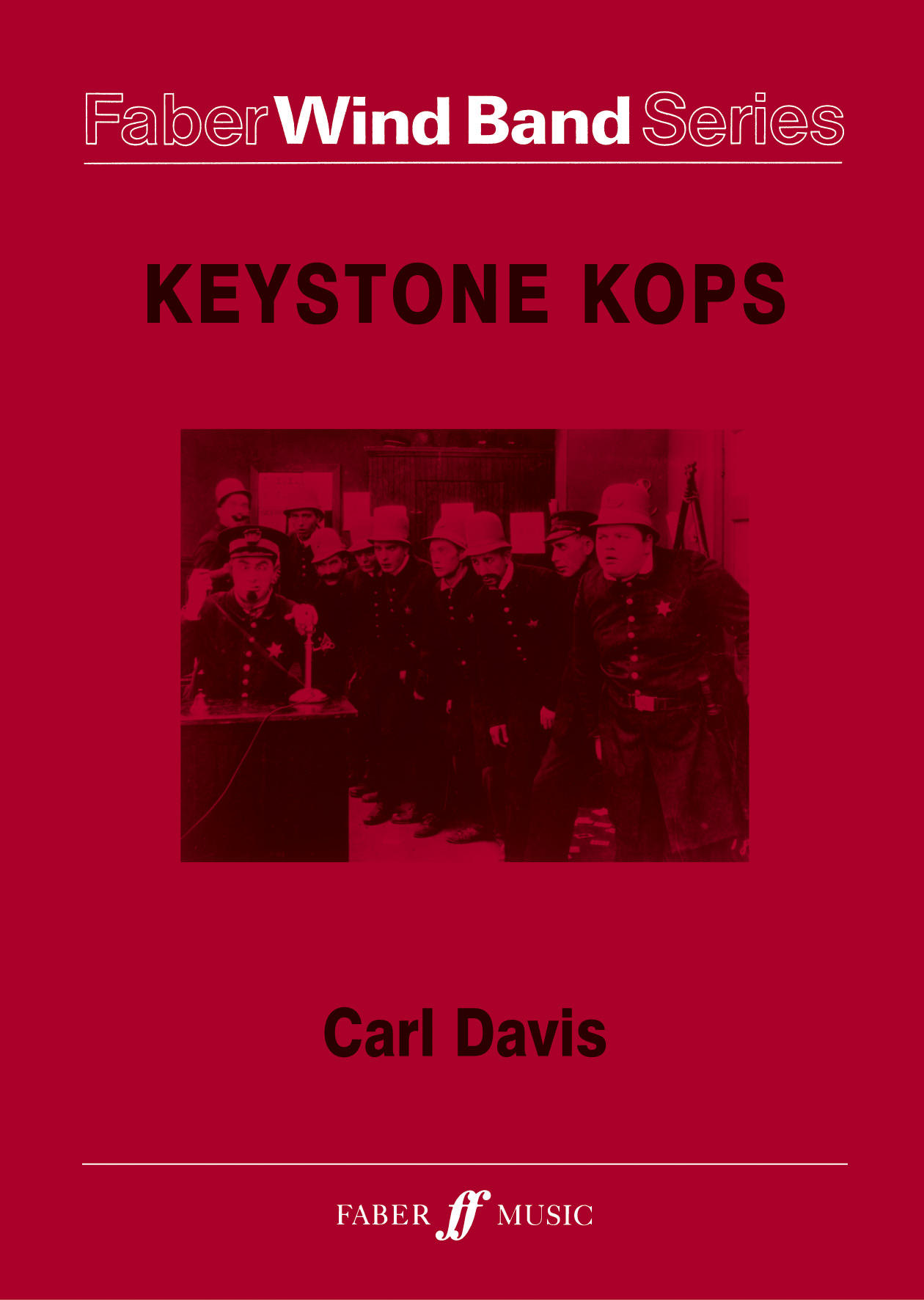
Keystone Kops (Score & Parts) - Carl Davis
The Keystone Kops was a series of silent comedies featuring an incompetent group of policemen. They first appeared in the 1912 film Hoffmeyer's Legacy but it was the 1913 feature The Bangville Police that confirmed their popularity. The Keystone Kops were renowned for making mistakes, particularly with a great deal of energy and activity, and all done with a major lack of coordination. Carl Davis's energetic theme provides a fitting musical portrait of a silverscreen phenomenen.
In stock: Estimated delivery 1-3 days
-
£95.00
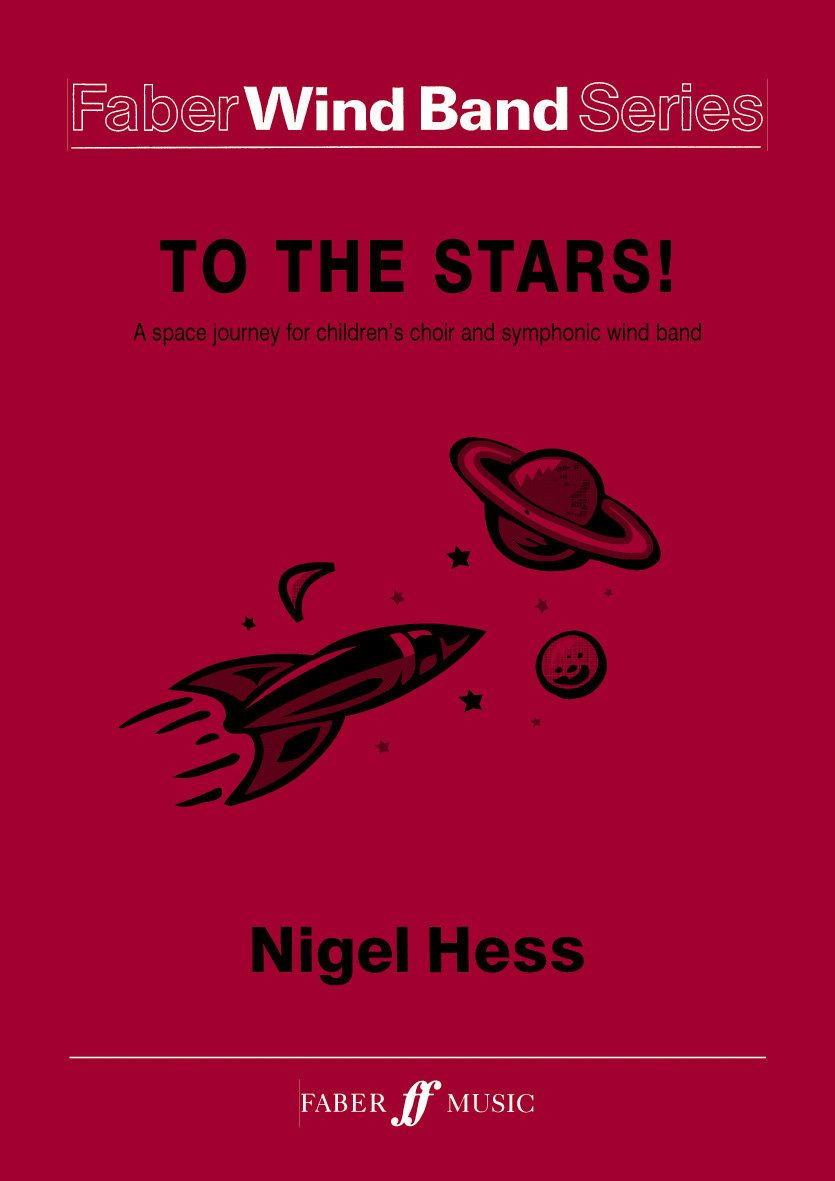
To The Stars! - Nigel Hess
'To the Stars!' is the fruit of a unique collaboration between Nigel Hess and the children of several Bedfordshire schools who were asked to contribute ideas for a libretto based on the themes of space travel and exploration. The work was then performed during a concert at the Royal Albert Hall showcasing the work of Bedfordshire County Music Services. The unusual combination of children's choir and symphonic wind band is wonderfully exciting, and To the Stars! provides an incomparable performing experience for both band and choir, and is also technically demanding and challenging. After a rousing introduction, we hear a countdown to our rocket's 'blast off', and suddenly we are heading out to the planets where we meet aliens with blue eyes and pink ears! After a brief but terrifying skirmish with a black hole we head off to a 'world of many wonders', and as we leave our solar system behind, the piece finishes with a spectacular shout of 'Fly with us - to the stars!'.
In stock: Estimated delivery 1-3 days
-
£185.00
East Coast Pictures - Nigel Hess
East Coast Pictures was commissioned by the British Youth Wind Orchestra with funds from the National Westminster Bank plc. These three short 'pictures' were inspired by several visits to a small part of the American East Coast, an area that provides great extremes in the geography and the people. Movement 1: Shelter Island is a small island situated near the end of Long Island, a few hours drive east of New York. In the summer it becomes a crowded tourist trap; but in the winter it is gloriously deserted and bravely faces the onslaught of the turbulent Atlantic, shrouded in sea mists and driving rain. This 'picture' is a fond memory of a winter weekend on Shelter Island. Movement 2: In upstate New York lie the Catskills Mountains--an extraordinary combination of tranquillity and power, peace and majesty. Once seen, they call you back again and again. Movement 3: New York - or to be more precise, Manhattan. For anyone who is familiar with this bizarre and wonderful city, here is a 'picture' that needs no explanation. For those not yet hooked this is a foretaste of things to come!
In stock: Estimated delivery 1-3 days
-
£75.00
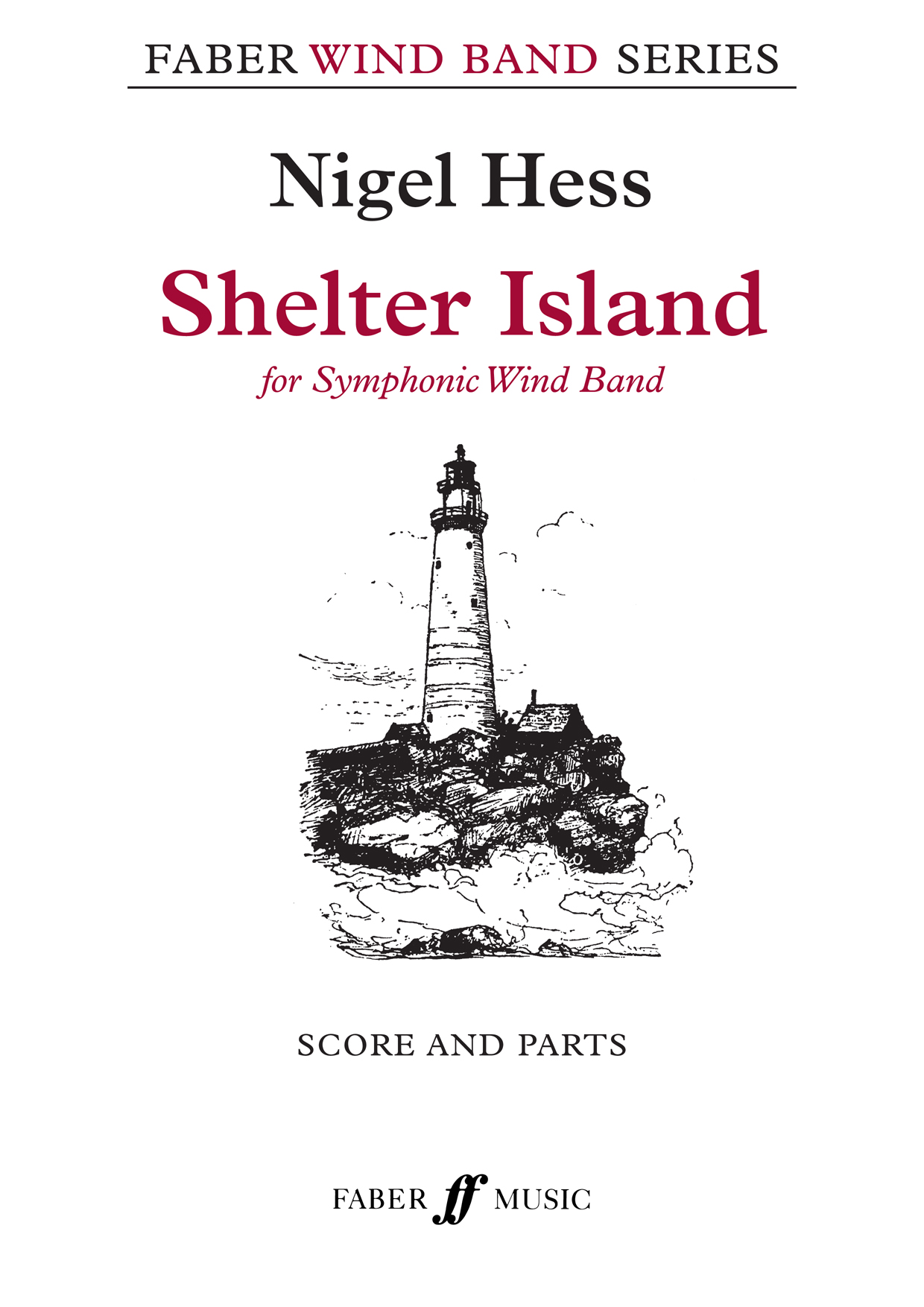
Shelter Island - Nigel Hess
Shelter Island is the first movement of East Coast Pictures. It is a depiction of the Shelter Island itself, a few hours drive east of New York. In the summer it becomes a crowded tourist trap; but in the winter it is gloriously deserted and bravely faces the onslaught of the turbulent Atlantic, shrouded in sea mists and driving rain. This 'picture' is a fond memory of a winter weekend on Shelter Island. East Coast Pictures was commissioned by the British Youth Wind Orchestra with funds from the National Westminster Bank plc. These three short 'pictures' were inspired by several visits to a small part of the American East Coast, an area that provides great extremes in the geography and the people.
In stock: Estimated delivery 1-3 days
-
£75.00
New York - Nigel Hess
New York - or to be more precise, Manhattan. For anyone who is familiar with this bizarre and wonderful city, here is a 'picture' that needs no explanation. For those not yet hooked this is a foretaste of things to come! This piece forms the final movement of 'East Coast Pictures', commissioned by the British Youth Wind Orchestra with funds from the National Westminster Bank plc. It is a suite of three short 'pictures' that were inspired by several visits to a small part of the American East Coast, an area that provides great extremes in the geography and the people.
In stock: Estimated delivery 1-3 days
-
£55.00
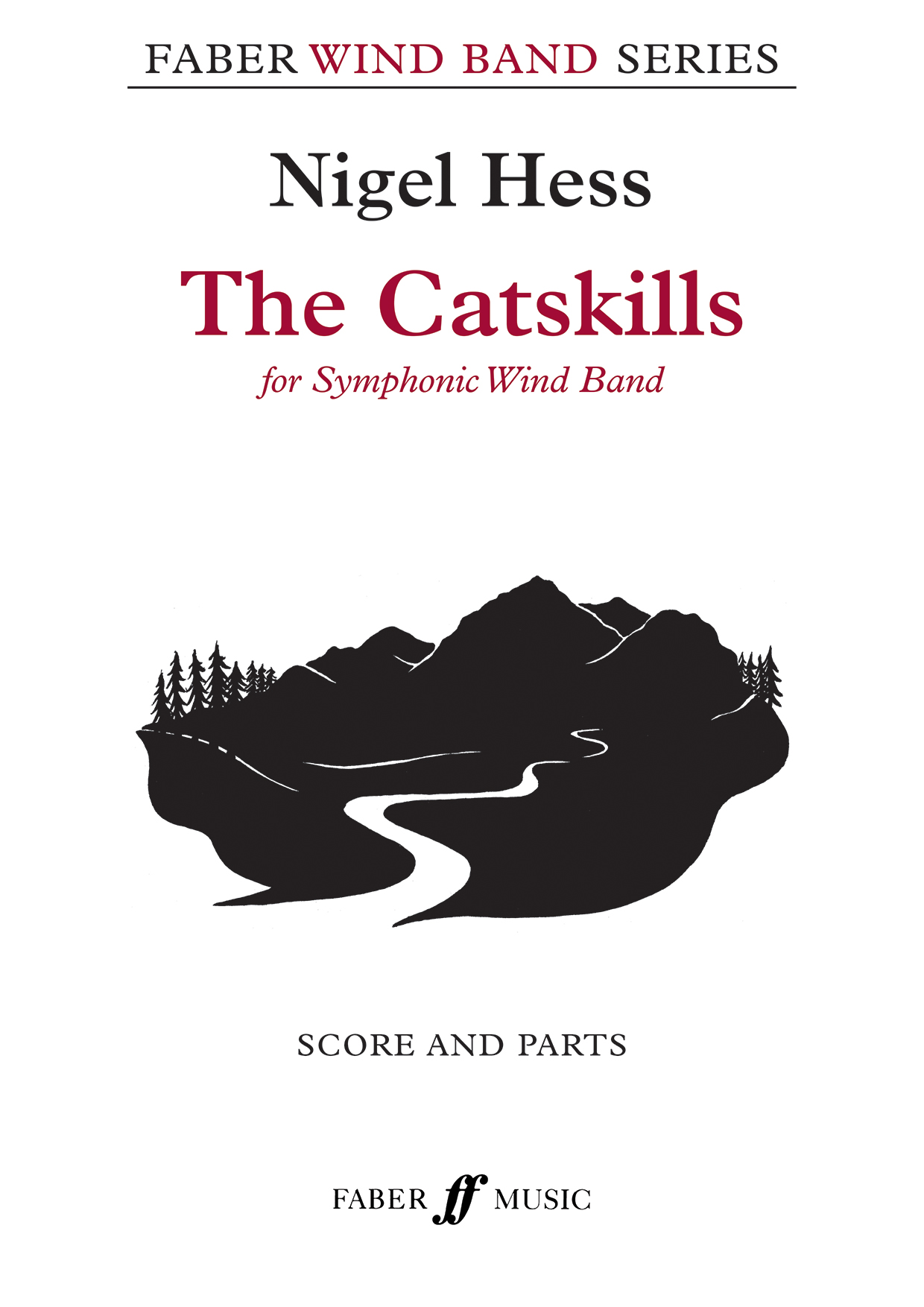
The Catskills - Nigel Hess
In upstate New York lie the Catskills Mountains - an extraordinary combination of tranquillity and power, peace and majesty. Once seen, they call you back again and again. The Catskills forms the second movement of East Coast Pictures, commissioned by the British Youth Wind Orchestra with funds from the National Westminster Bank plc. It is a suite of three short 'pictures' that were inspired by several visits to a small part of the American East Coast, an area that provides great extremes in the geography and the people.
In stock: Estimated delivery 1-3 days
-
 £40.87
Christmas Processional - Wind Band (French Trad. arr. Andrew Wainwright)
A spectacular opener to any Christmas concert, based on the French carol, Bring a torch, Jeanette, Isabella. This work tells the story of a group of children in medieval Provence, dressed up as shepherds and milkmaids, carrying torches and candles as they proceed to the stable. As they draw closer and their excitement increases, they are constantly reminded by their parents to keep the noise down so that they don't wake up the baby Jesus. The music begins quietly and builds to a majestic conclusion."If I were still conducting regularly, this would certainly be on my list as a Christmas concert opener - it sets the energy and mood most effectively. The scoring is terrific." Paul Hindmarsh, music criticPDF download includes score and full set of parts.Sheet music available from :UK: www.wind-band-music.co.ukUSA: www.solidbrassmusic.comDifficulty Level: Medium AdvancedInstrumentation:Flute 1-2Oboe 1-2Bassoon 1-2Clarinet in Bb 1-3Bass Clarinet in BbAlto SaxophoneTenor SaxophoneBaritone SaxophoneTrumpet in Bb 1-3Horn in F 1-4Trombone 1-2Bass TromboneEuphoniumTubaDouble BassTimpaniPercussion 1-3
In stock: Estimated dispatch 1-3 days
-
 £84.99
Bread and Games Wind Band Set (Score & Parts)
Panem et Circenses', Bread and Games were essential for keeping the citizens of ancient Rome in check. While the bread was meant for the poorest among the Romans, the Games were Popular Pastime Number One for everybody.There were different kinds of games, such as chariot races (especially popular with female spectators), or wild-beast fights, where lions, tigers, bulls or bears were set on one another or even on human beings. Most popular, however, were the Gladiator fights. In 'Bread and Games' William Vean depicts one of the many fights in the antique Colosseum. 1. Entrance of the Gladiators: By powerful bugle-calls the attention of the people was asked for, after which the Gladiators entered the Arena at the sound of heroic marching-music.2.Swordfight: We can hear that the fights were not mere child's play in this part.On the contrary, they were a matter of life and death and were fought accordingly.3.Mercy of the Emperor: Sometimes a wounded gladiator could be fortunate, depending on the mercy of the audience. Waving one's handkerchief meant mercy, a turned-down thumb meant no pardon. The Emperor had the right to take the final decision, but he usually complied with the wish of the majority of the public. 4.Lap of Honour: Gladiators were mainly selected among slaves, convicted criminals, or prisoners of war. Consequently, winning was very important, as it would mean fame, honour and sometimes even wealth. A lap of honour, therefore, was the winner's due reward. 06:00
Estimated dispatch 7-14 working days
-
 £205.70
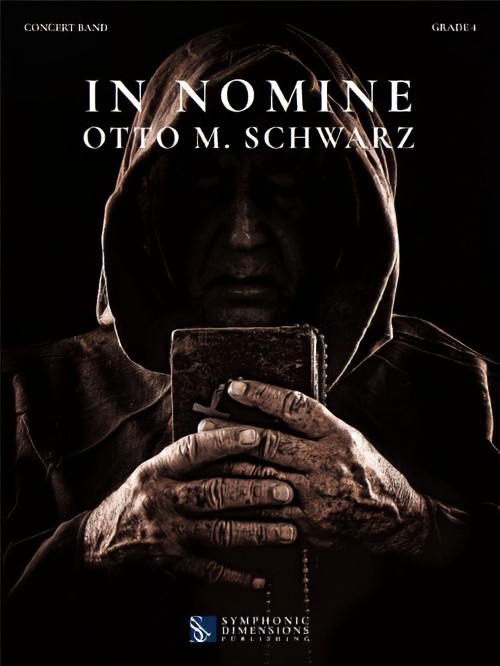
In Nomine (Concert Band - Score and Parts) - Schwarz, Otto M.
How often has something been justified by, declared to be, or blessed as 'in the name of' some cause or other? How can it be that opposing armies and the use of weapons are ever 'in the name of...'? This is a common thread in the history of different faiths. Good was created but evil was committed and all 'in the name of...' This thread is also found in the history of the Premonstratensian Abbey at Wadgassen. The abbey was built in the 12th century on unfertile, desolate moorland, which later evolved into the most powerful religious community in the Saarland. The history of the abbey records quite astounding achievements under the motto desertum florebit quasi lilium ('the desert will bloom like a lily'); but also the harsh treatment of delinquents. The order had its own school, in which children were taught the seven liberal arts (which included music as well as geography and astronomy), but the poor were left to starve outside the abbey walls and were only allowed to eat from the members' leftovers on feast days. The medieval witch trials demanded their pound of flesh, and one group that fell victim were ecstatic dancers who moved wildly to music, which was interpreted as the devil's work. The result: a show trial that sentenced the dancers to death by fire. All in the name of... The year is 1789: Abbot Bordier is in the tenth year of his command. He does not yet know that he is to be the last abbot of an almost 700-year tradition. Not far from the abbey is the French border, which has long been making itself felt with the sound of gunfire, and the brothers continue to keep a nervous eye on it. The first portents of the French Revolution loom, but no one wants to believe it, that is, until the French pound the door down, storm the abbey and come right into the brothers' chambers. In a blind fury, all the pipes of the abbey organ are torn out, icons beheaded with swords and brothers beaten death while numerous buildings are set on fire. The abbey church is in flames. A frantic and desperate escape begins. Abbot Bordier and a handful of brothers make their getaway via the River Saar, adjacent to the abbey, to the neighbouring village of Bous. They survive, but their life, the Premonstratensian abbey, is destroyed. While they flee towards Prague and the sanctuary of the Strahov Monastery, the abbey at Wadgassen is razed to the ground and becomes a stone quarry. The desert blooms once more, however. A few short decades later, a glasswork arises from the foundations of the abbey. As peace returns to the region, it brings jobs and a new vision for its people.Duration: 11.15
Estimated dispatch 7-14 working days
 Listen to MP3
 View Music