
Results
-
 £339.99
Ensemble Concepts for Band - Value Pak
Introducing the first-ever curriculum for high school band! Essential Musicianship for Band is the perfect tool to assist your ensemble in developing the skills needed to read, rehearse, and perform band repertoire with precision and artistry. Using proven methods for superior sound production and ensemble technique, your students will transform printed notes into a meaningful musical experience. Fits easily into the traditional concert band setting. Ensemble Concepts is designed to help ensembles to acquire maximum performance skills while increasing overall musicianship. Every aspect of ensemble development is introduced individually, in developmental order, then combined for more advanced practice. Also available in the Essential Musicianship curriculum: Masterwork Studies (HL00960078 - 00960095) focuses on six landmark compositions for band (score/parts not included). Two CD-ROMs are included, featuring: 1. Exemplary recordings of each work, performed by some of the world's finest ensembles 2. Practice loops on the more difficult passages for each individual instrument, including tempo adjustment software, on-screen assessment, and a built-in metronome 3. Scale, arpeggio, and articulation studies in all keys Ensemble Concepts - Fundamental Level (HL00960110 - 00960127) Ensemble Concepts - Intermediate Level (HL00960129 - 00960146)
Estimated dispatch 7-14 working days
-
 £371.99
Essential Musicianship for Band
Essential Musicianship for Band is the perfect tool to assist your ensemble in developing the skills needed to read, rehearse, and perform band repertoire with precision and artistry. Using proven methods for superior sound production and ensemble technique, your students will transform printed notes into a meaningful musical experience. Fits easily into the traditional concert band setting. Masterwork Studies, a first-of-its-kind textbook for high school band, focuses on six landmark compositions for symphonic band*. Two CD-ROMs are included, featuring: 1. Exemplary recordings of each work, performed by some of the world's finest ensembles 2. Practice loops on the more difficult passages for each instrument, along with tempo adjustment software, on-screen assessment, and a built-in metronome 3. Scale, arpeggio, and articulation studies in all keys *Score and parts not included Also available in the Essential Musicianship curriculum: Ensemble Concepts - Designed to help intermediate to advanced ensembles acquire maximum performance skills while increasing overall musicianship. Every aspect of ensemble development is introduced individually, in developmental order, then combined for more advanced practice. Ensemble Concepts - Fundamental Level (1st and 2nd year students) Ensemble Concepts - Intermediate Level (2nd and 3rd year students)
Estimated dispatch 7-14 working days
-
 £53.50
Gap Creek - Jay Bocook
Here is a terrific new easy overture from Jay Bocook written in two contrasting tempos. The slow opening section weaves a texture of striking harmonies and graceful melodic lines. The fast section is introduced by a bold trumpet statement and there is a hint of Appalachian folk music as the composition builds to a lively finish.
Estimated dispatch 7-14 working days
-
 £57.50
Voyage Through the Night - Douglas Akey
Hal Leonard is proud to welcome the talents of Douglas Akey with this wonderful contribution to the concert band repertoire. Commissioned by the Indiana Bandmasters Association, this descriptive work is built around two contrasting themes. The first is a haunting slow melody which reoccurs later in a more developed and expanded form. The fast section uses a strong theme with a creative harmonic structure along with occasional mixed meters. With Doug's skillful orchestration and colorful percussion writing this piece is an excellent choice for festivals or contests.
Estimated dispatch 7-14 working days
-
 £76.99
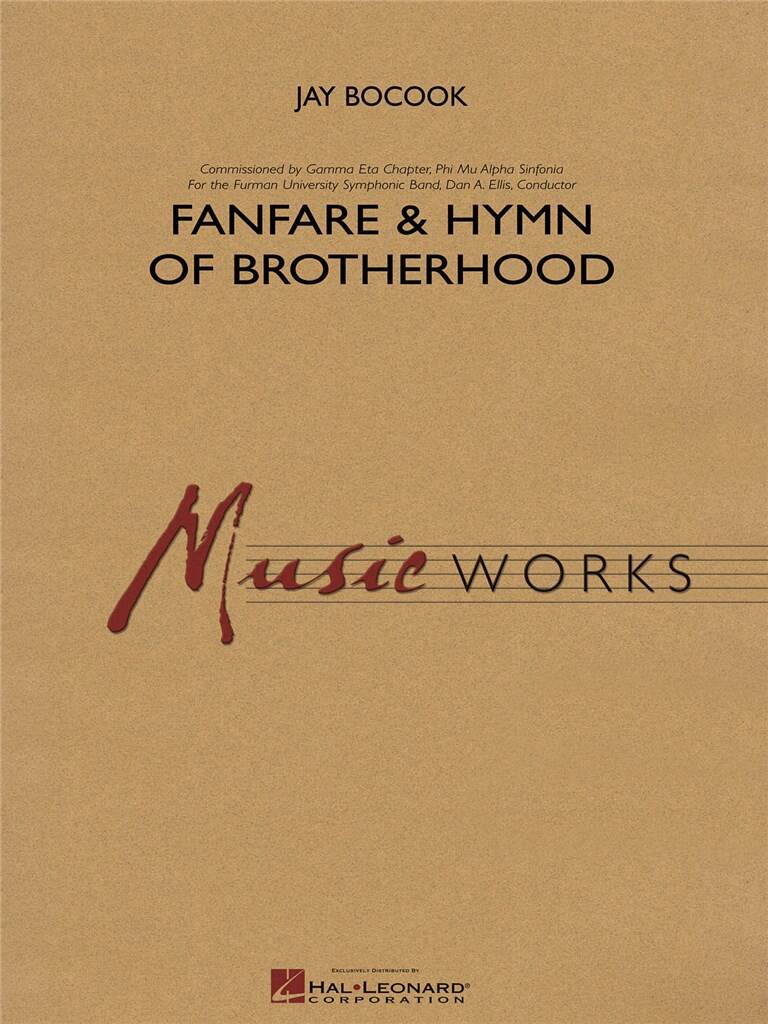
Fanfare and Hymn of Brotherhood - Jay Bocook
Commissioned by the Gamma Eta chapter of Phi Mu Alpha, at Furman University, Greenville, SC, this impressive work is built around two chorale themes and a recurring fanfare. After the boldly stated opening, a bright allegro developmental section becomes increasingly more intense until a dramatic cadence is reached. At this point, antiphonal brass (3 trumpets, 2 trombones) soar above the ensemble and play a grandiose version of the first chorale. The band re-enters and both ensembles play the climactic ending to the work, in a new key, and with both hymns being heard simultaneously. Marvelous work! (6:00)
Estimated dispatch 7-14 working days
-
 £53.50
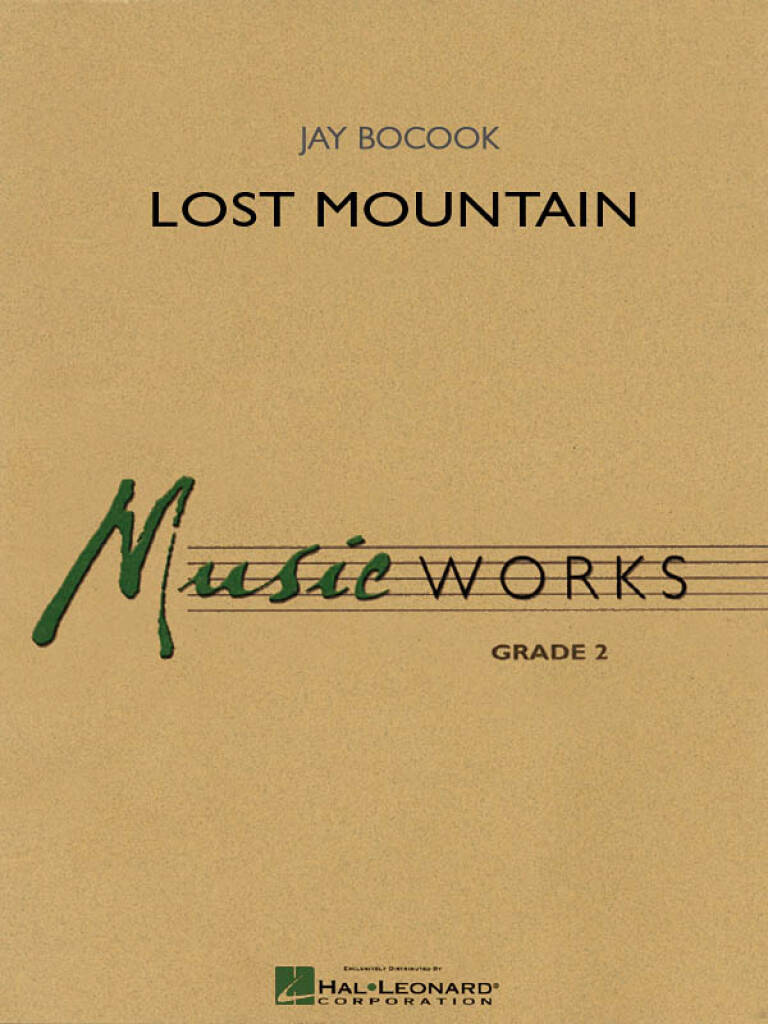
Lost Mountain - Jay Bocook
Composed in two stylistically contrasting sections, here is a unique and dynamic work that is definitely something out of the ordinary. The first section opens with dark sonorities and mysterious effects. The faster second section is propelled by a driving, yet easy percussion undercurrent and features strong themes scored to sound full with young bands. Your students will love the dramatic effects and musical depth of this exciting work. Dur: 4:30
Estimated dispatch 7-14 working days
-
 £60.99
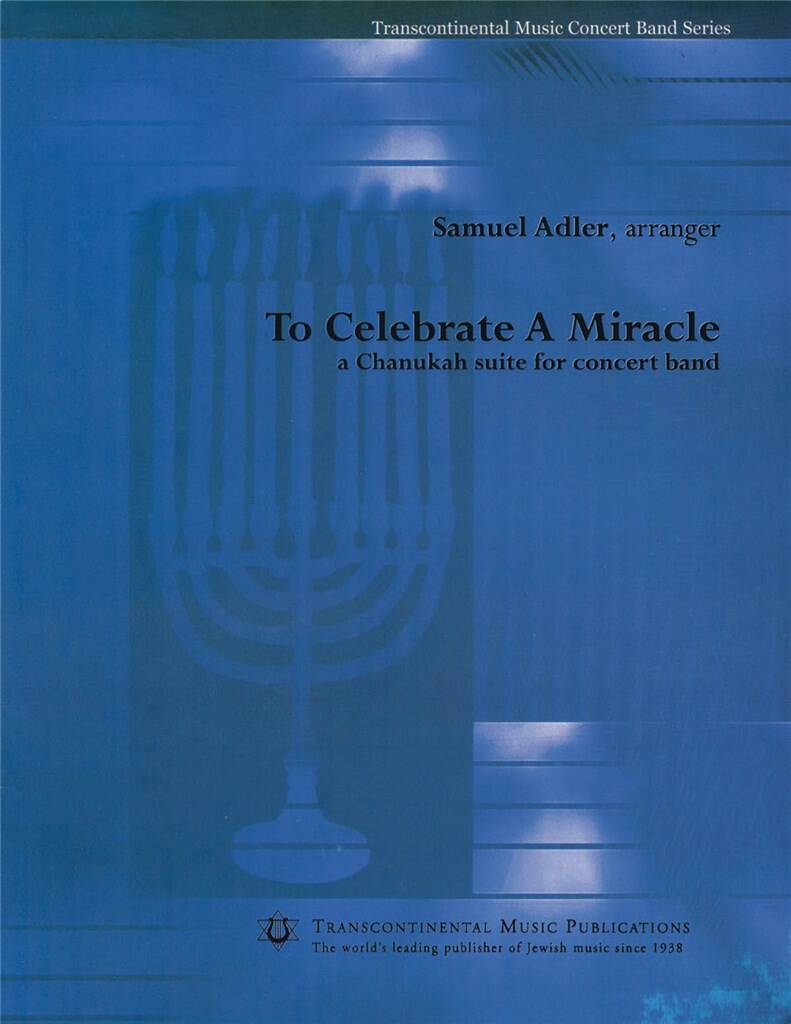
To Celebrate a Miracle - Samuel Adler
This major work for wind orchestra incorporates the melodies of nine of the most popular and best-known Chanukah-related songs and hymns. Seven are secular and two are liturgical, and are creatively developed and adapted to take advantage of the various timbres and characteristics of the mature ensemble. The number nine here was intended by the composer to represent the nine candles or lights in the Chanukah m'nora (candelabrum) on the last night of the festival.
Estimated dispatch 7-14 working days
-
 £57.50
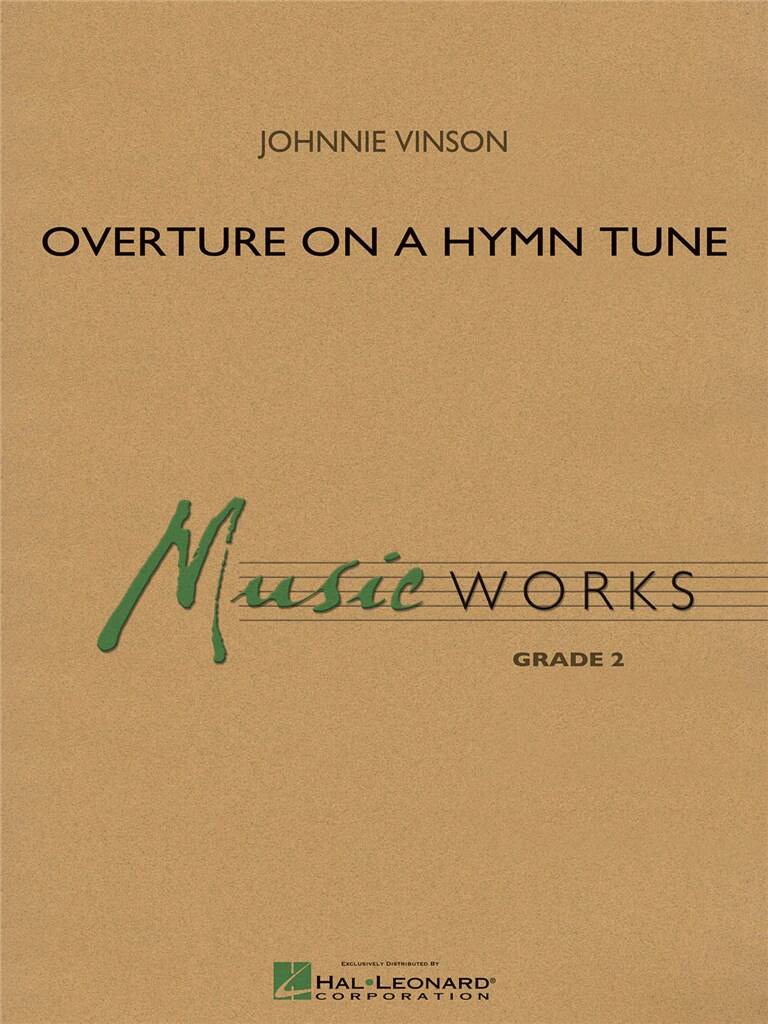
Overture On A Hymn Tune - Johnnie Vinson
Overture on a Hymn Tune is based on The Old Ship Of Zion which is found in the Early American Sacred Harp songbook. Johnnie Vinson uses a fast-slow-fast overture format to give this wonderful melody an appealing setting withplenty of variety and musicality. The slow middle section is a rhapsodic treatment of the main melody, while the two fast segments offer appealing and upbeat settings sure to be enjoyed by all. Skillfully scored to sound full withinexperienced players. Dur: 3:30
Estimated dispatch 7-14 working days
-
 £118.99
Sleep, My Child - Eric Whitacre
Sleep, My Child comes from Eric Whitacre's work for musical theater, Paradise Lost: Shadows and Wings. Originally written for two sopranos and mezzo (portrayed as three angels), it was adapted for band in 2012 by Jeffrey Gershmanat the request of the composer and is the latest title in a growing catalog of Whitacre's compositions (October, Sleep, Lux Aurumque and The Seal Lullaby) that illustrate his sincere commitment to creating lush, beautiful musicfor winds.
Estimated dispatch 7-14 working days
-
 £309.99
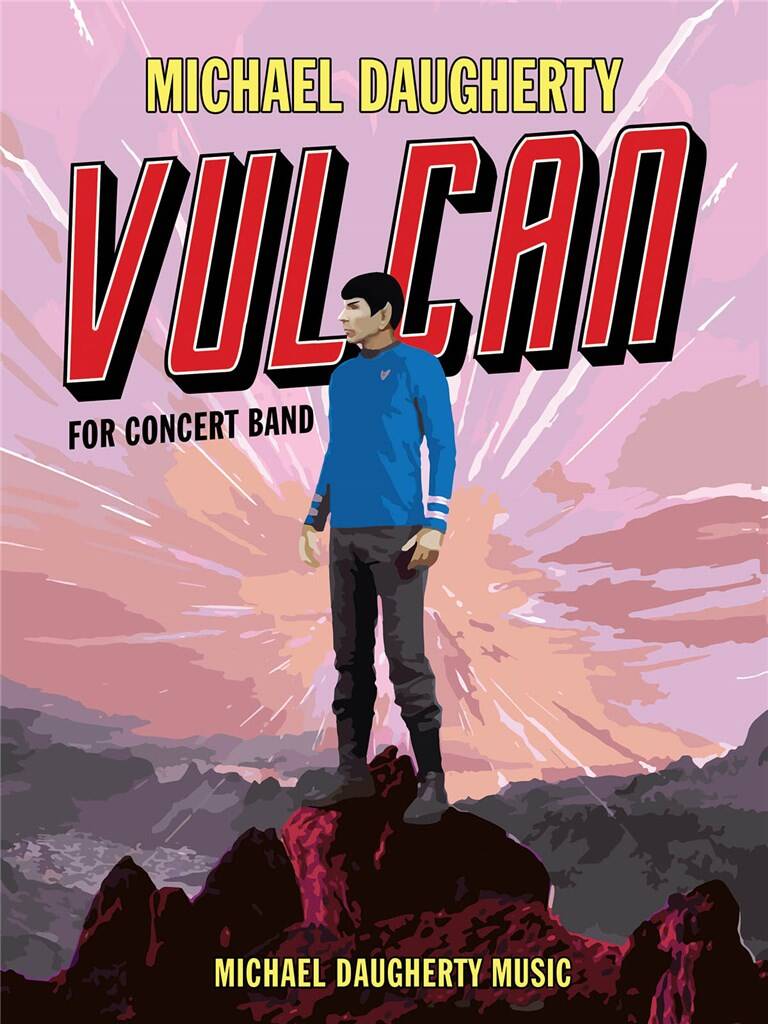
Vulcan - Michael Daugherty
(2014) Vulcan for Concert Band is Grammy award winning composer Michael Daugherty's first work for the high school and intermediate level college band. The work is a colorful homage to Gene Roddenberry's interstellar universe as depicted in the classic American television series Star Trek (1966-69). The title refers to the fiery planet Vulcan, home world of half-human, half-Vulcan Mr. Spock. As the rational-minded science officer aboard the starship Enterprise (commanded by the hot-blooded Captain James T. Kirk), Mr. Spock grapples with the fascinating predicament of making decisions predicated on human emotion versus Vulcan logic. Daugherty has composed stirring, yet highly structured music that alludes to the Vulcan Pon Farr ritual, Vulcan telepathic mind-melds, and the volcanic planet itself. At the the Ann Arbor, Michigan world premiere (utilizing the combined forces of the Pioneer, Huron and Skyline High School bands), Vulcan was an immediate hit and will surely become one of Daugherty's most performed works. Instrumentation The number of players doubling each part is at the conductor's discretion, but should be in keeping with a balanced sound. Piccolo 2 Flutes 2 Oboes English Horn (optional but recommended) 3 Bb Clarinets (minimum 2 players per part) 2 Bb Bass Clarinets Eb Contralto Clarinet or Bb Contrabass Clarinet and Bb Bass Saxophone (optional but recommended) 2 Bassoons 2 Eb Alto Saxophones Bb Tenor Saxophone Eb Baritone Saxophone 3 Bb Trumpets (straight metal mutes, harmon mutes-stem out) 2 F Horns 2 Trombones (straight metal mutes) Euphonium 2 Tubas Contrabass or Electric Bass (optional but recommended) Timpani (4 drums recommended) Percussion (instruments are not shared): 1. Glockenspiel, Xylophone 2. Vibraphone, Small Anvil (metal beater) 3. Shakaray, Marimba, Chimes, Suspended Cymbal (yarn mallets) 4. Two Tam-Tams (small, medium), Tambourine, Mark Tree, Finger Cymbals, Vibraslap, Piccolo Snare Drum 5. Tenor Drum, Maracas, Snare Drum 6. Large Bass Drum Movement I (YouTube) Movement II (YouTube) Movement III (YouTube)
Estimated dispatch 7-14 working days