
Results
-
 £123.20
Rcitatif et Ronde - Francis de Bourguignon
In September 1925, on the occasion of the sixty-fifth birthday of their 'master', seven students of Paul Gilson gathered to form the first composers' collective in Belgian national music history. The members of Les Synthtistes (the Synthetists) are Ren Bernier, Francis de Bourguignon, Gaston Brenta, Tho Dejoncker, Marcel Poot, Maurice Schoemaker and Jules Strens. Their intent is twofold and both theoretical and practical. Les Synthtistes want to distinguish themselves as the 'Brussels seven' by breaking away from the prevailing late-romantic music of their time. Their theoretical aim is to synthesize the modern tendencies in music from 1925 onwards, to connect with the 'acquisitions of contemporary music' and to apply them within balanced and well-defined forms. Their practical goal is to make it easier to find a stage to perform their new symphonic music by uniting. In a period when there is no professional symphonic orchestra in Belgium, apart from the opera orchestra, they compose and transcribe their original symphonic works for wind band. They work together with Arthur Prevost and the Royal Band of the Belgian Guides which grew into a model instrumentation of 85 musicians during the interwar period. Thanks to Prevost and the Guides a unique collection of original, modern music for wind band by Les Synthtistes can be heard on the Brussels concert stages during the interwar period. Because only a few works of this unique, forgotten collection of 75 works were published, this unique canon remained largely unknown. Thanks to a historical study of sources by Luc Vertommen, these works for wind band are now, a century after their creation, made accessible and recorded for the first time.
Estimated dispatch 7-14 working days
-
 £236.00
Zo'har - Gaston Brenta
In September 1925, on the occasion of the sixty-fifth birthday of their 'master', seven students of Paul Gilson gathered to form the first composers' collective in Belgian national music history. The members of Les Synthtistes (the Synthetists) are Ren Bernier, Francis de Bourguignon, Gaston Brenta, Tho Dejoncker, Marcel Poot, Maurice Schoemaker and Jules Strens. Their intent is twofold and both theoretical and practical. Les Synthtistes want to distinguish themselves as the 'Brussels seven' by breaking away from the prevailing late-romantic music of their time. Their theoretical aim is to synthesize the modern tendencies in music from 1925 onwards, to connect with the 'acquisitions of contemporary music' and to apply them within balanced and well-defined forms. Their practical goal is to make it easier to find a stage to perform their new symphonic music by uniting. In a period when there is no professional symphonic orchestra in Belgium, apart from the opera orchestra, they compose and transcribe their original symphonic works for wind band. They work together with Arthur Prevost and the Royal Band of the Belgian Guides which grew into a model instrumentation of 85 musicians during the interwar period. Thanks to Prevost and the Guides a unique collection of original, modern music for wind band by Les Synthtistes can be heard on the Brussels concert stages during the interwar period. Because only a few works of this unique, forgotten collection of 75 works were published, this unique canon remained largely unknown. Thanks to a historical study of sources by Luc Vertommen, these works for wind band are now, a century after their creation, made accessible and recorded for the first time.
Estimated dispatch 7-14 working days
-
 £87.20
Guitenstreken-Gaminerie - Theo Dejoncker
In September 1925, on the occasion of the sixty-fifth birthday of their 'master', seven students of Paul Gilson gathered to form the first composers' collective in Belgian national music history. The members of Les Synthtistes (the Synthetists) are Ren Bernier, Francis de Bourguignon, Gaston Brenta, Tho Dejoncker, Marcel Poot, Maurice Schoemaker and Jules Strens. Their intent is twofold and both theoretical and practical. Les Synthtistes want to distinguish themselves as the 'Brussels seven' by breaking away from the prevailing late-romantic music of their time. Their theoretical aim is to synthesize the modern tendencies in music from 1925 onwards, to connect with the 'acquisitions of contemporary music' and to apply them within balanced and well-defined forms. Their practical goal is to make it easier to find a stage to perform their new symphonic music by uniting. In a period when there is no professional symphonic orchestra in Belgium, apart from the opera orchestra, they compose and transcribe their original symphonic works for wind band. They work together with Arthur Prevost and the Royal Band of the Belgian Guides which grew into a model instrumentation of 85 musicians during the interwar period. Thanks to Prevost and the Guides a unique collection of original, modern music for wind band by Les Synthtistes can be heard on the Brussels concert stages during the interwar period. Because only a few works of this unique, forgotten collection of 75 works were published, this unique canon remained largely unknown. Thanks to a historical study of sources by Luc Vertommen, these works for wind band are now, a century after their creation, made accessible and recorded for the first time.
Estimated dispatch 7-14 working days
-
 £236.00
Brueghel Suite - Maurice Schoemaker
In September 1925, on the occasion of the sixty-fifth birthday of their 'master', seven students of Paul Gilson gathered to form the first composers' collective in Belgian national music history. The members of Les Synthtistes (the Synthetists) are Ren Bernier, Francis de Bourguignon, Gaston Brenta, Tho Dejoncker, Marcel Poot, Maurice Schoemaker and Jules Strens. Their intent is twofold and both theoretical and practical. Les Synthtistes want to distinguish themselves as the 'Brussels seven' by breaking away from the prevailing late-romantic music of their time. Their theoretical aim is to synthesize the modern tendencies in music from 1925 onwards, to connect with the 'acquisitions of contemporary music' and to apply them within balanced and well-defined forms. Their practical goal is to make it easier to find a stage to perform their new symphonic music by uniting. In a period when there is no professional symphonic orchestra in Belgium, apart from the opera orchestra, they compose and transcribe their original symphonic works for wind band. They work together with Arthur Prevost and the Royal Band of the Belgian Guides which grew into a model instrumentation of 85 musicians during the interwar period. Thanks to Prevost and the Guides a unique collection of original, modern music for wind band by Les Synthtistes can be heard on the Brussels concert stages during the interwar period. Because only a few works of this unique, forgotten collection of 75 works were published, this unique canon remained largely unknown. Thanks to a historical study of sources by Luc Vertommen, these works for wind band are now, a century after their creation, made accessible and recorded for the first time.
Estimated dispatch 7-14 working days
-
 £87.20
Epitaphe - René Bernier
In September 1925, on the occasion of the sixty-fifth birthday of their 'master', seven students of Paul Gilson gathered to form the first composers' collective in Belgian national music history. The members of Les Synthtistes (the Synthetists) are Ren Bernier, Francis de Bourguignon, Gaston Brenta, Tho Dejoncker, Marcel Poot, Maurice Schoemaker and Jules Strens. Their intent is twofold and both theoretical and practical. Les Synthtistes want to distinguish themselves as the 'Brussels seven' by breaking away from the prevailing late-romantic music of their time. Their theoretical aim is to synthesize the modern tendencies in music from 1925 onwards, to connect with the 'acquisitions of contemporary music' and to apply them within balanced and well-defined forms. Their practical goal is to make it easier to find a stage to perform their new symphonic music by uniting. In a period when there is no professional symphonic orchestra in Belgium, apart from the opera orchestra, they compose and transcribe their original symphonic works for wind band. They work together with Arthur Prevost and the Royal Band of the Belgian Guides which grew into a model instrumentation of 85 musicians during the interwar period. Thanks to Prevost and the Guides a unique collection of original, modern music for wind band by Les Synthtistes can be heard on the Brussels concert stages during the interwar period. Because only a few works of this unique, forgotten collection of 75 works were published, this unique canon remained largely unknown. Thanks to a historical study of sources by Luc Vertommen, these works for wind band are now, a century after their creation, made accessible and recorded for the first time.
Estimated dispatch 7-14 working days
-
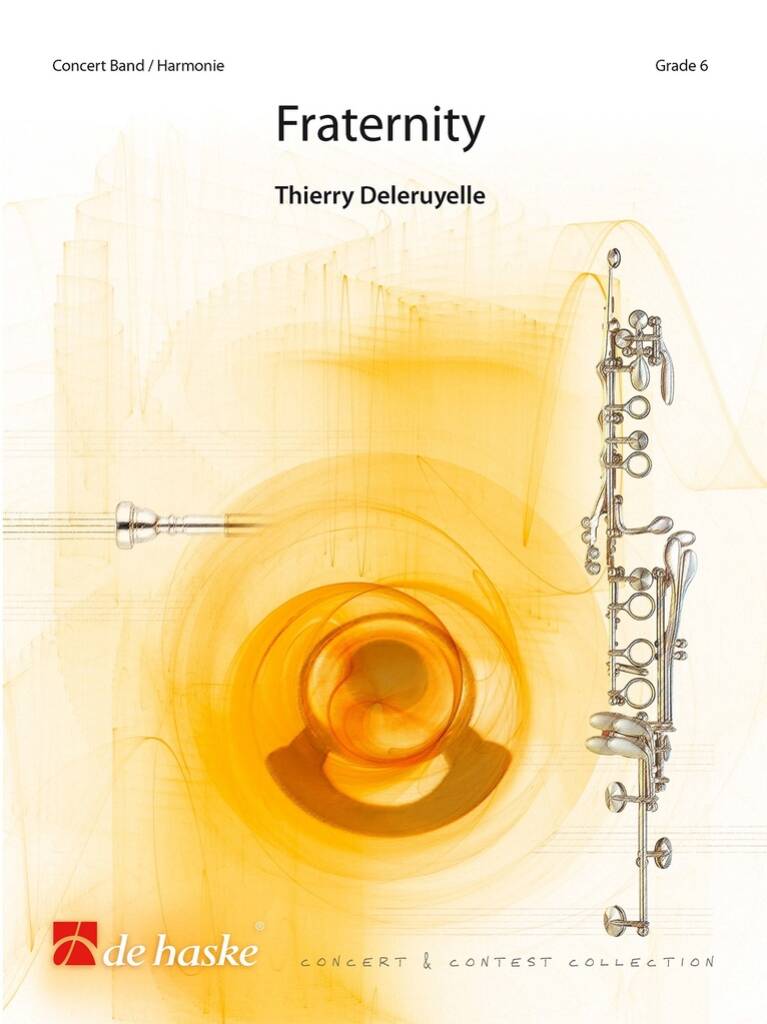 £229.99
Fraternity - Thierry Deleruyelle
This piece by Thierry Deleruyelle is based on one of the most significant events in the history of coal mining; the catastrophe at Courrires, Northern France. It took place on 10th March 1906 and is considered the worst mining accident in Europe and the second most significant in the world. This work is both emotional and spectacular and tells in 7 contrasting sections the catastrophe that occurred. This version for wind band was commissioned on the occasion of the 10th anniversary of the listing of the Nord-Pas-de-Calais Mining Basin as a UNESCO World Heritage site.
Estimated dispatch 7-14 working days
-
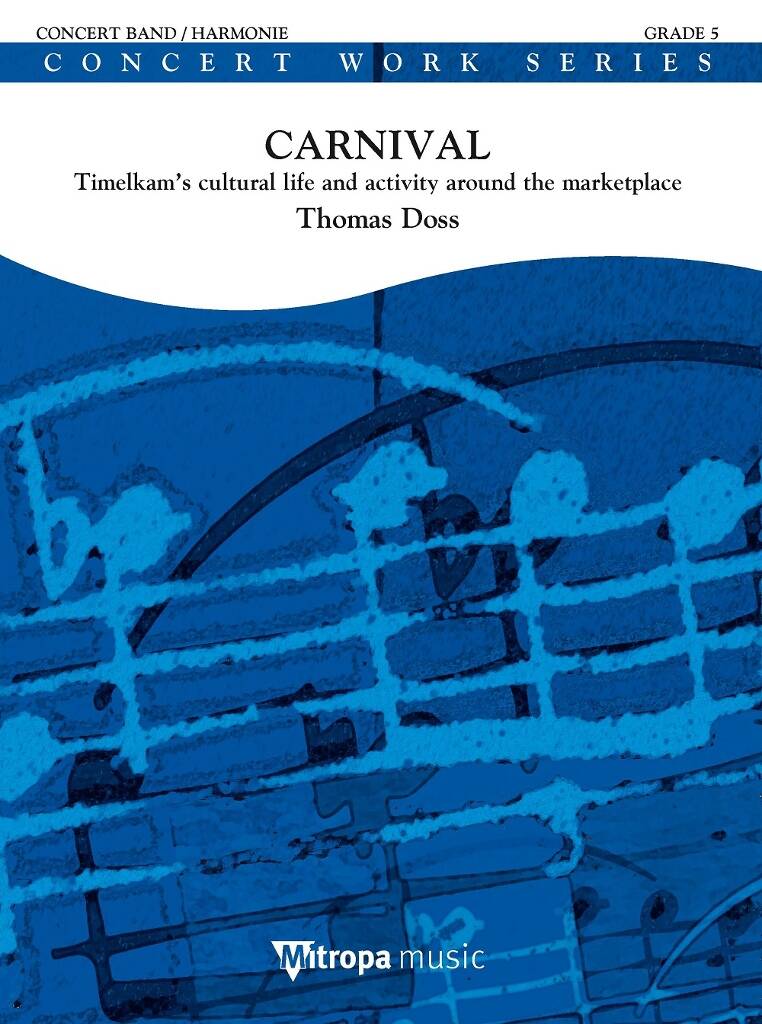 £159.99
Carnival - Thomas Doss
This work was commissioned by Marktmusik Timelkam to celebrate its 170th anniversary. It describes the cultural life and hustle and bustle of the band's home base, the Austrian town of Timelkam. Carnival pictures a festive procession starting at the marketplace and lasting well into the night. The work features many 'carnivalesque' elements and is a joy for players to perform. There is a lot of merry activity going on in the music; people cheerily chatting in the inn; singing and dancing together and having fun. There is also room for a melancholy mood, accompanied by reminiscences about eternal goodbyes and searching for love. With the added musical representation of children's playing and pranks, a beautiful sunrise as well as a depiction of the churches and societies in town, this composition is not just an account of a carnival parade but a small portrayal of life.
Estimated dispatch 7-14 working days
-
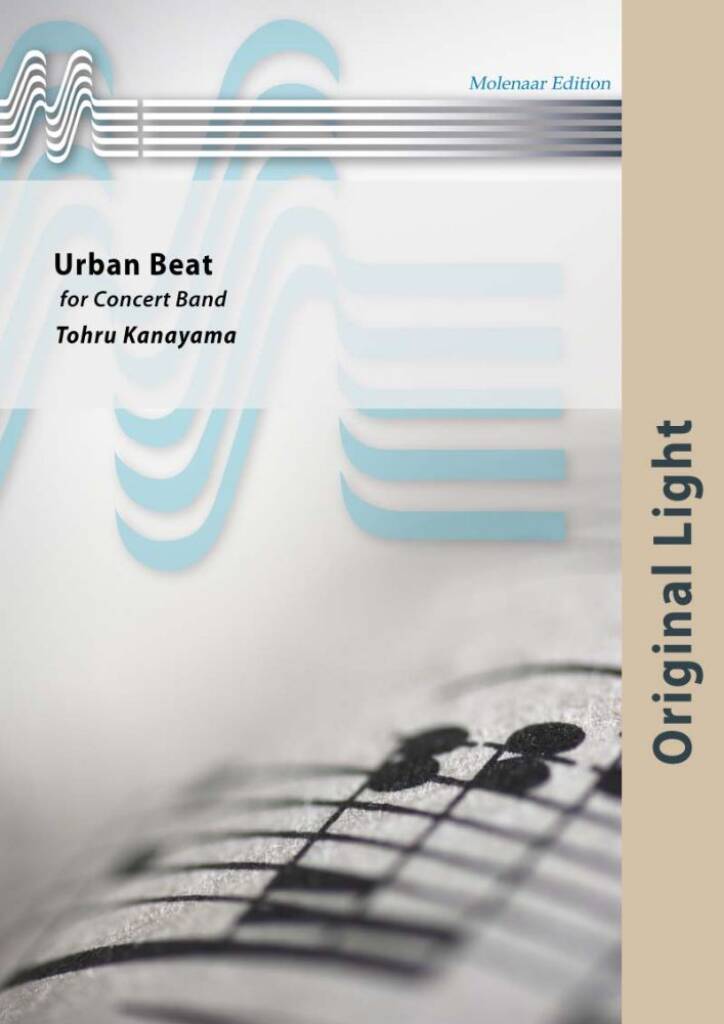 £110.40
Urban Beat - Tohru Kanayama
Urban Beat was commissioned by Tokyo Wind Harmony Orchestra. This work contains two parts.The first part is a fast tempo reminiscent of the urban highway, includes trumpet and alto saxophone solos (written but it's good for improvisation). The second part is a pop ballad that start with tenor saxophone's solo, and it gets excited gradually. After this, the first part appears again and head to the end. The introduction of this work is written in 5/4.
Estimated dispatch 7-14 working days
-
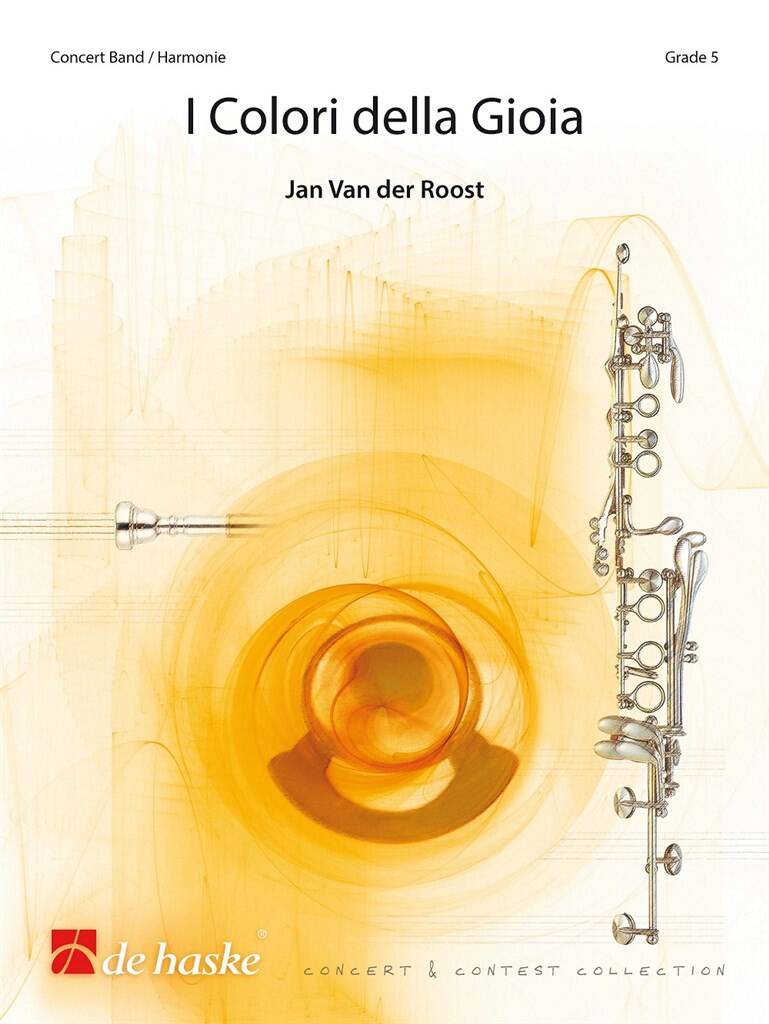 £134.99
I Colori della Gioia - Jan Van der Roost
This work for soprano and concert band was originally written for a special occasion: the wedding of one of the composer's children. It therefore matches another piece written for a similar occasion "I Shall Love But Thee". The lyrics are from the book Respiro Neve by the internationally renowned art photographer Luca Artioli who possesses poetic talent as well. The first movement is stately and serene as where the contrasting allegro is much more dynamic and cheerful, requiring the solid high register of the singer. The conclusion is festive and radiant, partly thanks to the contribution of a piccolo trumpet! This work is a wonderful addition to the bandrepertoire wanting to perform with an excellent vocal soloist!
Estimated dispatch 7-14 working days
-
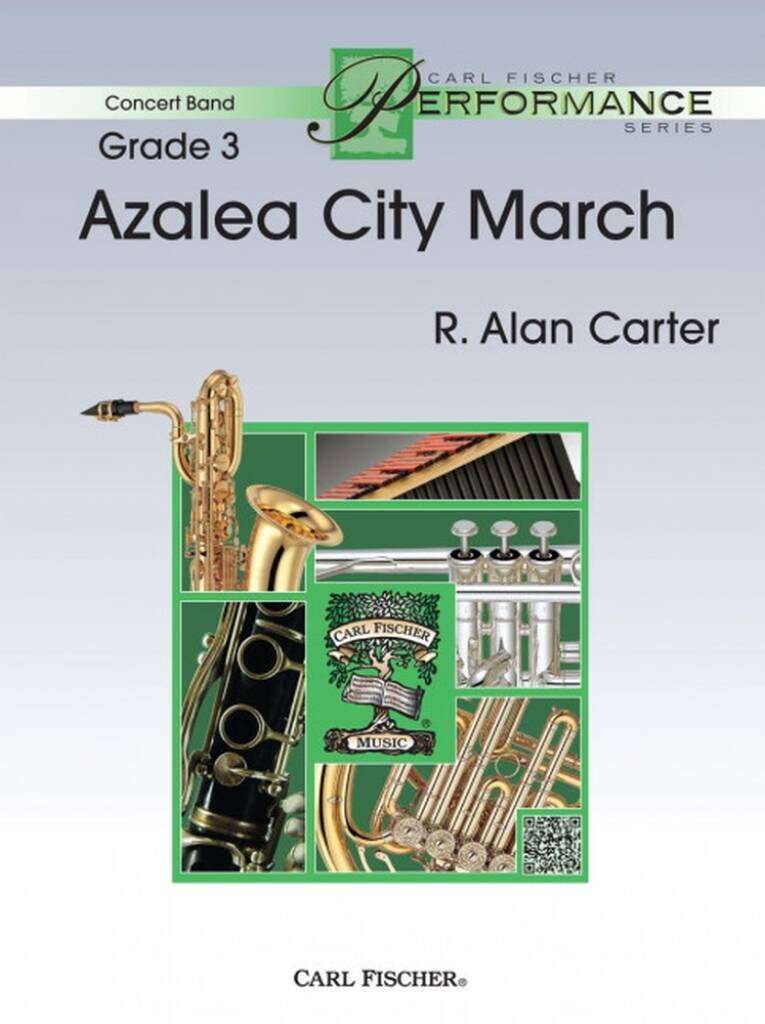 £106.95
Azalea City March - R. Alan Carter
Azalea City is an original march that has been composed in the style of famous march composer Henry Fillmore. A tuneful, chromatic melodic figure, fanfare-like themes, and bold, march style harmonies are highlighted in this well-written piece by newcomer Alan Carter. The march is in 2/4 making it more accessible to bands at this level. This piece is perfect for both introducing march styles and for use in your next festival.
Estimated dispatch 7-14 working days
 View Music