
Results
-
 £140.80
A Tribute toMichael Jackson - Josef Hastreiter
Josef Hastreiter already drew the attention with his disco composition 'Dancing Show'. In this tribute to the famous popsinger Michael Jackson he gathered the songs 'Don't stop till you get enough', 'Liberian Girl', 'Bad' and of course the international hit 'Heal the World'. This medley will undoubtedly please all music lovers, especially because of its fine orchestration.
Estimated dispatch 7-14 working days
-
 £91.90
Yakety Sax - R.A. Mendelsohn
This tune was the closing music on the British comedy tv series, 'The Benny Hill Show', where the host was often on the run being pursued by cheated cast members, and was composed by the American saxophonist Boots Randolph. This is a very funny and entertaining piece of music which is well suited for any light music concert and which is also a real challenge for any alto or tenor saxophonist!
Estimated dispatch 7-14 working days
-
 £78.20
Cloud(iu)s ... der Wolkenmann - Thiemo Kraas
4 Miniatures for Winds: 1. Wind 2. Storm 3. Rain 4. Sun and Snow There was a little child who enthusiastically told a story ... and a composer who was equally inspired by the child and its story to write these miniatures. At the premier performance of my composition "Arcus" in March 2011, when I explained how a piece about the rainbow came into being, a little girl came up to me and asked: "Thiemo, what about the man in the clouds?" I obviously had forgotten to include him, though he is as the little girl informed me of extreme importance in the sky: "He sits in the clouds and is responsible for the weather. He shakes rain, wind, storm or snow out of the clouds, he pushes them aside to let the sunshine through or he models them into funny figures, making people on earth smile." Fascinated by the girl's ingenuous ideas I created this small composition, sitting in my study and letting my mind wander into the sky. As the man in the clouds naturally has to have a name, I decided to call him "Cloud(iu)s ... man in the clouds". I dedicate this piece to the children of my beginner's band, who show me again and again how wonderful and precious it is to delight in the small things in life ...
Estimated dispatch 7-14 working days
-
 £119.00
Ukrainian Bell Carol - Mykola Leontovich
Kurt Heinecke's new setting ofUkrainian Bell Carolis the perfect arrangement to inspire hope this holiday season and to acknowledge the spirit of the Ukrainian people. The piece opens with a small woodwind ensemble or solo piano stating a haunting four-note motif derived from a Ukrainian folk song. This ever-popular carol arrangement, featuring the small ensemble or piano throughout, develops and grows to a powerful climax. Appropriate for high school, university, and professional bands, it is the perfect show stopper for your holiday concert.
Estimated dispatch 7-14 working days
-
 £84.99
Mah Na, Mah Na
The Italian film music composer Piero Umiliani originally composed Mah Na Mah Na in 1968 for the soundtrack of the Swedish movie Sweden - Heaven or Hell. However the piece only became a hit in the 1970s, when Jim Henson used the catchy melody in his children's TV series The Muppet Show and Sesame Street. Stefan Schwalgin has produced this excellent version to give baritone saxophonists, who sometimes feel left out by the band's repertoire, a platform for their soloistic development. This gem is full of little musical surprises and will hold a special place in your bands repertoire.
Estimated dispatch 7-14 working days
-
 £51.20
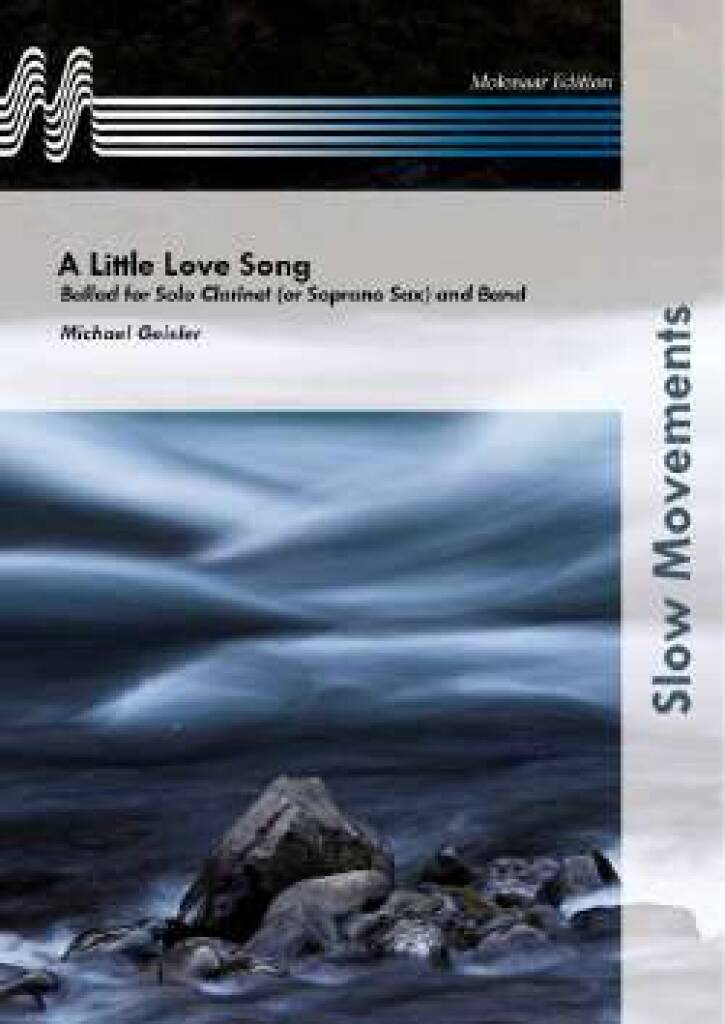
A little love Song - Michael Geisler
A Little Love Song was initally composed for a wedding. A relatively simple melody where both the beginner and the more advanced clarinetist can show off their musicality. This isn't a solo work per se, as the orchestra plays a very large part.
Estimated dispatch 7-14 working days
-
 £156.40
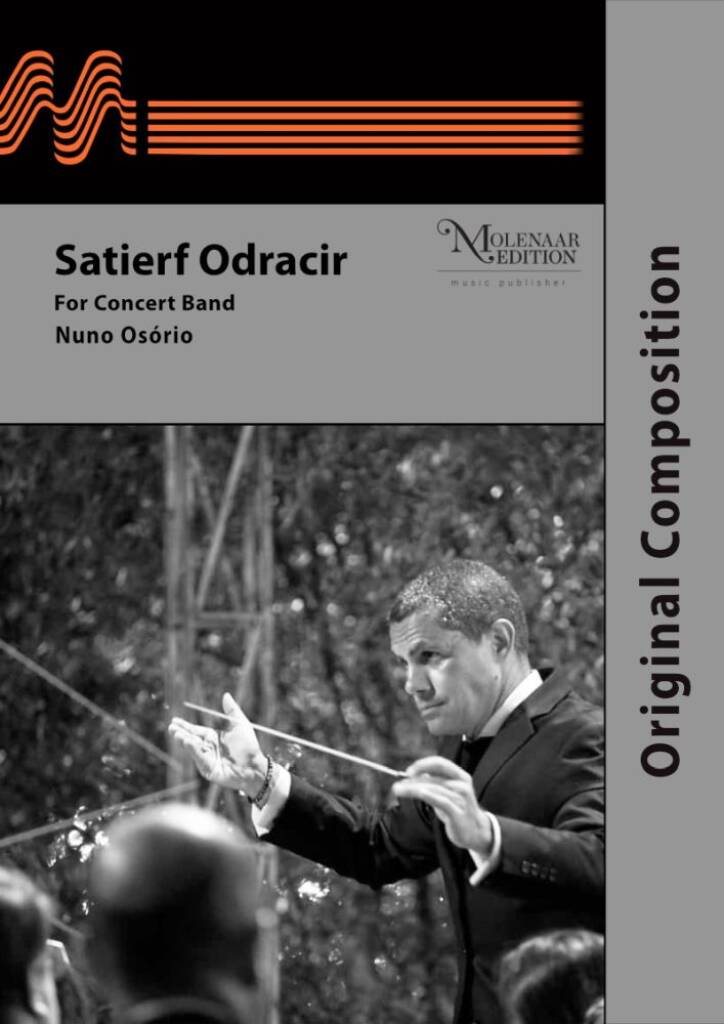
Satierf Odracir - Nuno Osório
Commissioned by the musicians, direction and friends of Banda de Msica de Vilela - Portugal. The main objective of the work is to pay homage to the conductor and professor Jos Ricardo Freitas, for all the work he developed as conductor of the Banda de Msica de Vilela. The thematic and musical material presented throughout the work intent to show the human and professional characteristics of maestro Jos Ricardo Freitas.
Estimated dispatch 7-14 working days
-
 £42.50
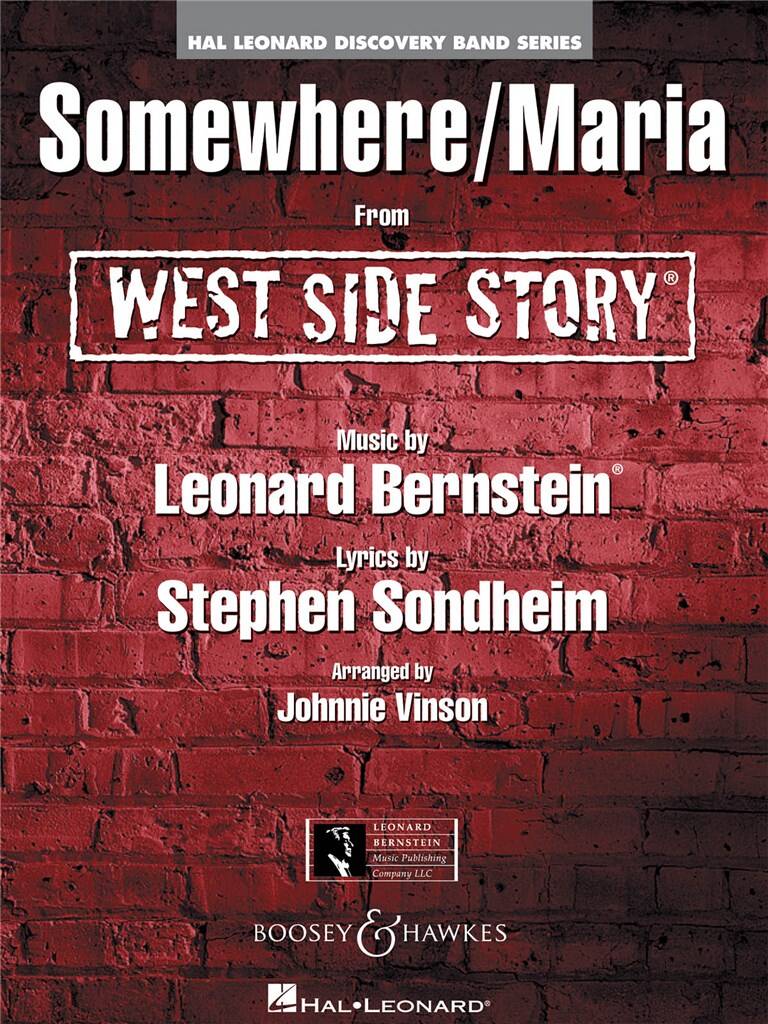
Somewhere/Maria - Leonard Bernstein
From the landmark musical West Side Story, here is a very easy arrangement of two of the most famous melodies from this show. Timeless music that will appeal to all!
Estimated dispatch 7-14 working days
-
 £60.99
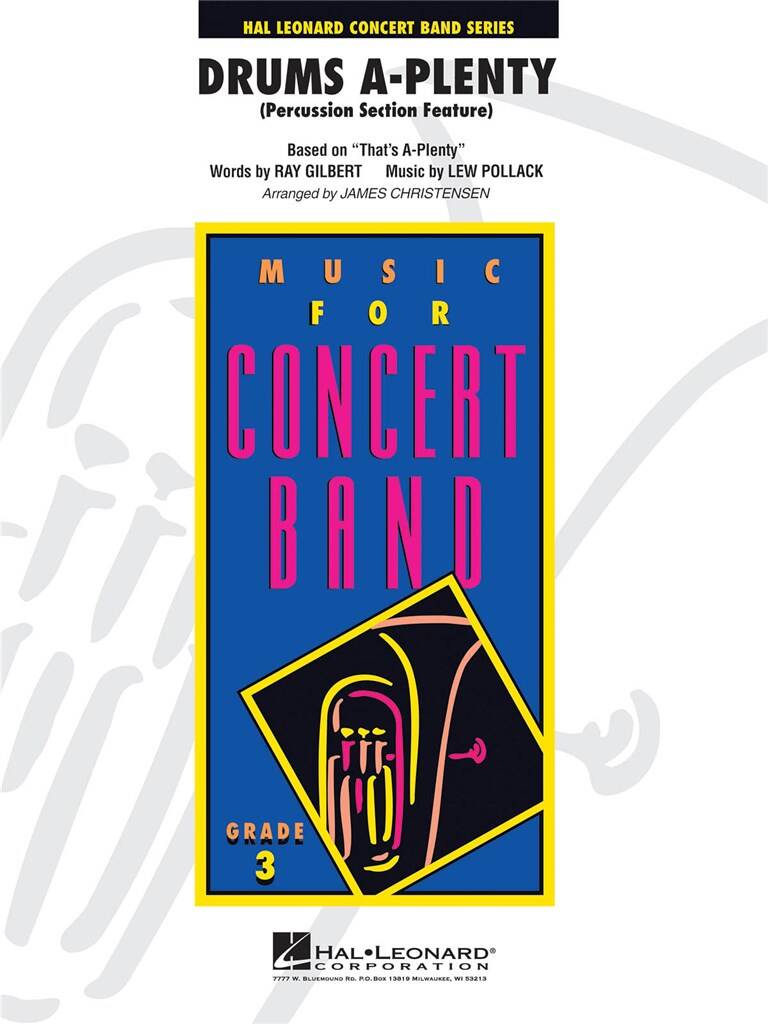
Drums A Plenty
Time to pull out all the bells and whistles for James Christensen's clever concoction to show off not only your percussion section's talent, but their array of hardware as well. A fabulous crowd pleaser for any concert!
Estimated dispatch 7-14 working days
-
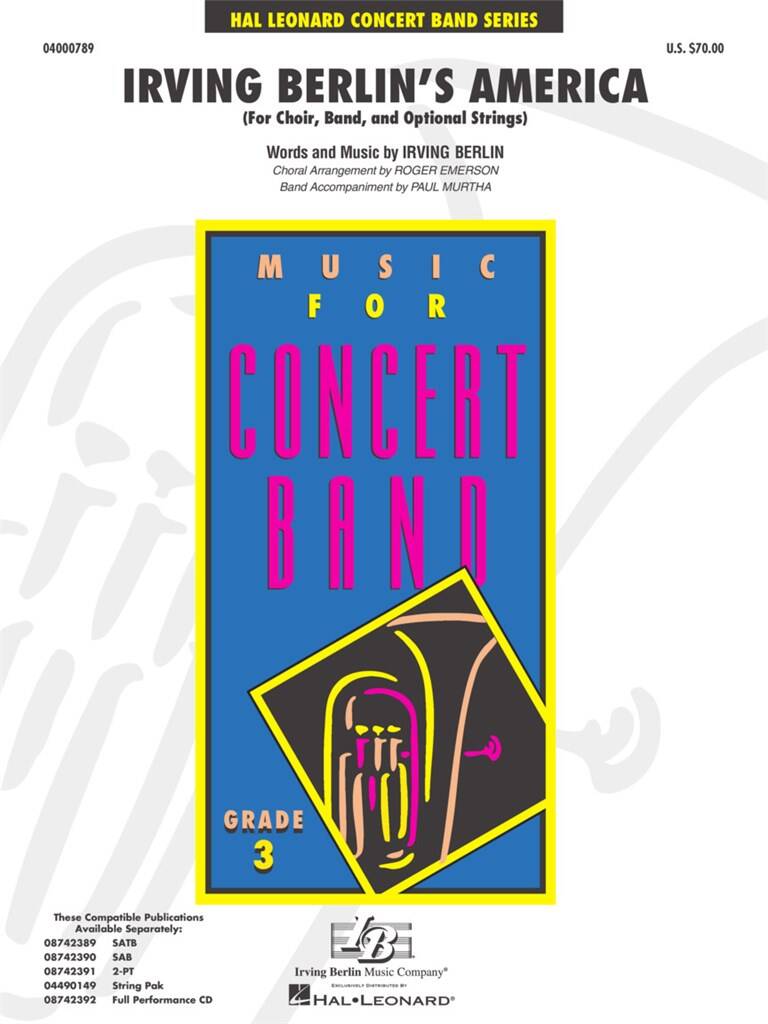 £76.99
Irving Berlin's America (Medley) - Irving Berlin
With a musical career spanning a century, the 20th century was Irving Berlin's own and his music was America's music. This spectacular choir, band and optional string medley of some of Irving Berlin's classic songs offers a variety of entertaining performance options. Includes: Alexander's Ragtime Band, There's No Business Like Show Business, Puttin' on the Ritz, Always, Blue Skies, God Bless America. Available: SATB, SAB, 2-Part, Concert Band (Gr. 3), String Pak, ShowTrax CD. Performance Time: Approx. 7:00.
Estimated dispatch 7-14 working days
 View Music