
Results
-
 £52.95
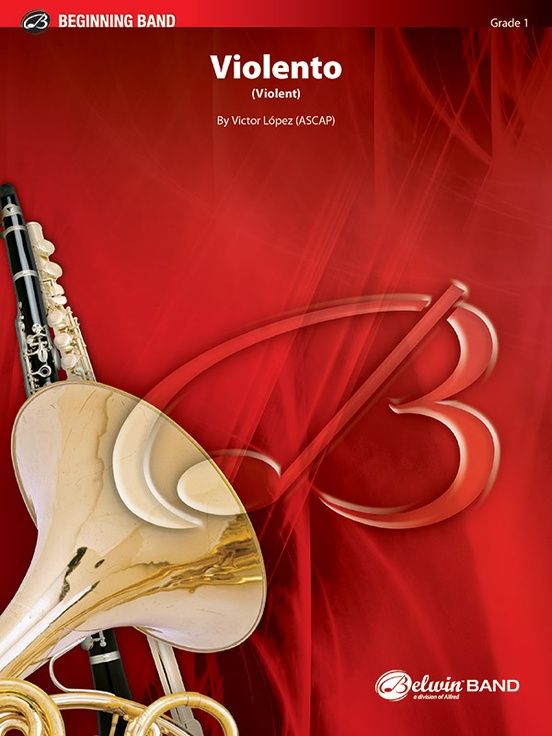
Violento (Concert Band - Score and Parts) - Lopez, Victor
Give your students the opportunity of playing a piece for beginning band that is upbeat and full of excitement! Violento is an original beginning band composition by veteran composer Victor Lopez. This exciting work is a forceful and rhythmically driven composition that sounds more difficult than written. A mixture of the danzon, Cuba's unique genre of song and dance, and basic rhythmic interplay give this piece a unique touch. The inclusive, simple, and repetitious rhythmic patterns will certainly make an energetic statement at your next concert. Duration: 2.00
Estimated dispatch 7-14 working days
-
 £233.99
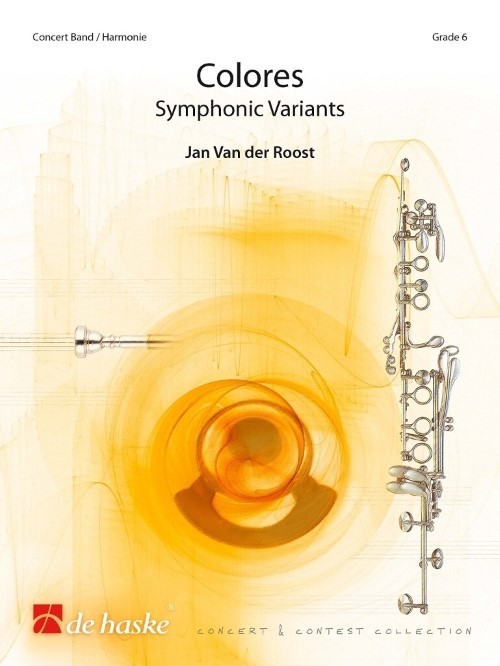
Colores (Concert Band - Score and Parts) - Van der Roost, Jan
Colores is Spanish for colours, a word which this composition seeks to reflect and build itself upon. Musical colours, timbres, sounds, soft and sharp colour tones, sonorous effects... they are all present in this work. It is an abstract composition: completely lacking a story, scenario or any programmatic inspiration to guide the notes. The music speaks for itself. All sections are featured within a hugely varied work that demands a lot from the players. Pull out all the stops to produce the best possible result!Duration: 13.45
Estimated dispatch 7-14 working days
-
 £62.95
Twilight Waltz (Concert Band - Score and Parts) - Standridge, Randall D.
Spectral melodies and varied orchestration abound in Twilight Waltz by Randall D. Standridge. This work begins with the mallet percussion setting an eerie mood and grows into a dark dance of harmony and color. Lyrical but not slow, this cinematic piece is sure to engage your performers and audience. Haunting! Duration: 2.30
Estimated dispatch 7-14 working days
-
 £102.99
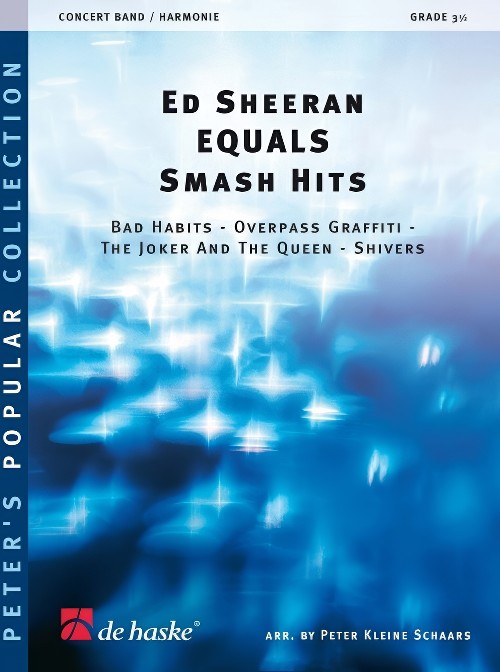
Ed Sheeran EQUALS Smash Hits (Concert Band - Score and Parts) - Sheeran, Ed - Schaars, Peter Kleine
After his successful albums x (Multiply), + (Plus) and (Divide), the English singer-songwriter Ed Sheeran is back with his new album = (Equals), which at its release, towards the end of October 2021, was streamed over ten million times in the first twenty-four hours. Using the smash hits Bad Habits, Shivers, Overpass Graffiti and The Joker And The Queen from this album, Peter Kleine Schaars wrote a fantastic pop medley, an arrangement that will not just give your band members an adrenaline boost, but will also be enjoyed by your audience.Duration: 7.30
Estimated dispatch 7-14 working days
-
 £62.95
Lion Pride (Concert Band - Score and Parts) - Bernotas, Chris M.
Lion Pride is an imaginative overture by Chris M. Bernotas and is full of majesty and pride. Beginning with a strong and dramatic statement that gives way to a bright melody, the pride of the lion shines through. A stately section represents the power of the mighty lion before returning with the spirited and exciting theme, then coming to a rhythmic and energetic conclusion. Duration: 3.30
Estimated dispatch 7-14 working days
-
 £16.95
Please Don't Go (Concert Band - Score only) - Wiffin, Rob
There could easily be a backstory for this piece. It is ostensibly a Latin dance at samba tempo but it is slightly tinged with a sense of wistfulness and heartache and it is easy to work out where the imploring words of the title Please don't go fit into the melody. It is not technically difficult to play although it needs an appropriate sense of style and rhythm. Parts are comprehensively cued and the piece works without a bass guitar although it is desirable if possible. Similarly, not all the percussion instruments are vital although they add considerably to the feel of the music if you have them.
Estimated dispatch 7-14 working days
-
 £104.99
Hard Rock Dynamite (Concert Band - Score and Parts) - Schenk, Markus
Do you like rock guitars and a nice heavy beat on the drums? If so, this medley is what you are looking for! It features four fearsome solid gold rock hits: Walk This Way (Aerosmith), Come As You Are (Nirvana), I Was Made For Lovin' You (Kiss) and Seven Nation Army (The White Stripes). Not for the faint-hearted!Duration: 7.15
Estimated dispatch 7-14 working days
-
£82.95
Please Don't Go (Concert Band - Score and Parts) - Wiffin, Rob
There could easily be a backstory for this piece. It is ostensibly a Latin dance at samba tempo but it is slightly tinged with a sense of wistfulness and heartache and it is easy to work out where the imploring words of the title Please don't go fit into the melody. It is not technically difficult to play although it needs an appropriate sense of style and rhythm. Parts are comprehensively cued and the piece works without a bass guitar although it is desirable if possible. Similarly, not all the percussion instruments are vital although they add considerably to the feel of the music if you have them.
Estimated dispatch 7-14 working days
-
 £66.95
Starfall (Concert Band - Score and Parts) - Sheldon, Robert
Starfall by Robert Sheldon is a dynamic and exciting piece that was inspired by a viewing of the Lyrid meteor shower. This composition invokes interstellar drama with introspection into the vastness of our universe. Duration: 5.00
Estimated dispatch 7-14 working days
-
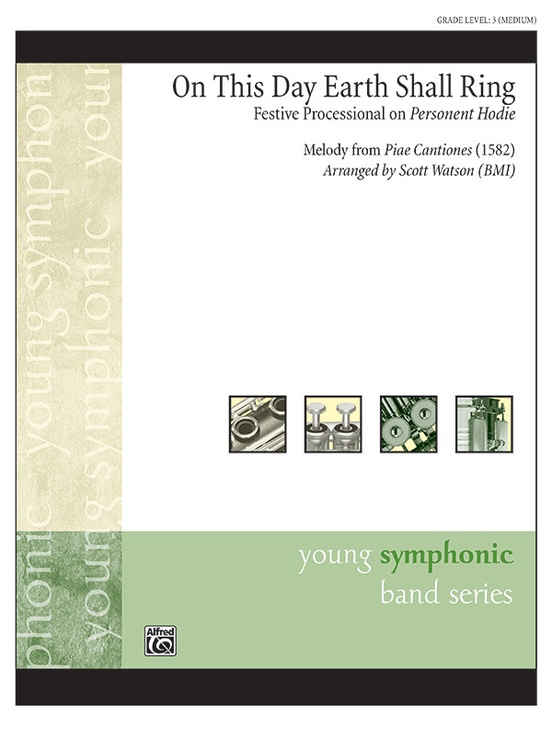 £66.95
On This Day Earth Shall Ring (Concert Band - Score and Parts) - Cantiones, Piae - Watson, Scott
The 14th-century carol, "Personent hodie," is both mysterious and powerful. On This Day Earth Shall Ring, a festive processional on the ancient melody arranged by Scott Watson, explores both aspects. Beginning quietly, the modal tune emerges over a chant drone with rustic, medieval percussion. Before long, the piece takes on the joyous character alluded to in the tune's most familiar English text setting, "On This Day Earth Shall Ring" (written by composer, Jane Joseph, a student of Gustav Holst). As the work draws to an ebullient close, all the stops are pulled with resounding brass and ringing metallic percussion! Whether used as a striking concert opener or a jubilant final selection, On This Day Earth Shall Ring will add festive ?lan to your winter/holiday program! Duration: 3.30
Estimated dispatch 7-14 working days
 View Music