
Results
-
 £134.99
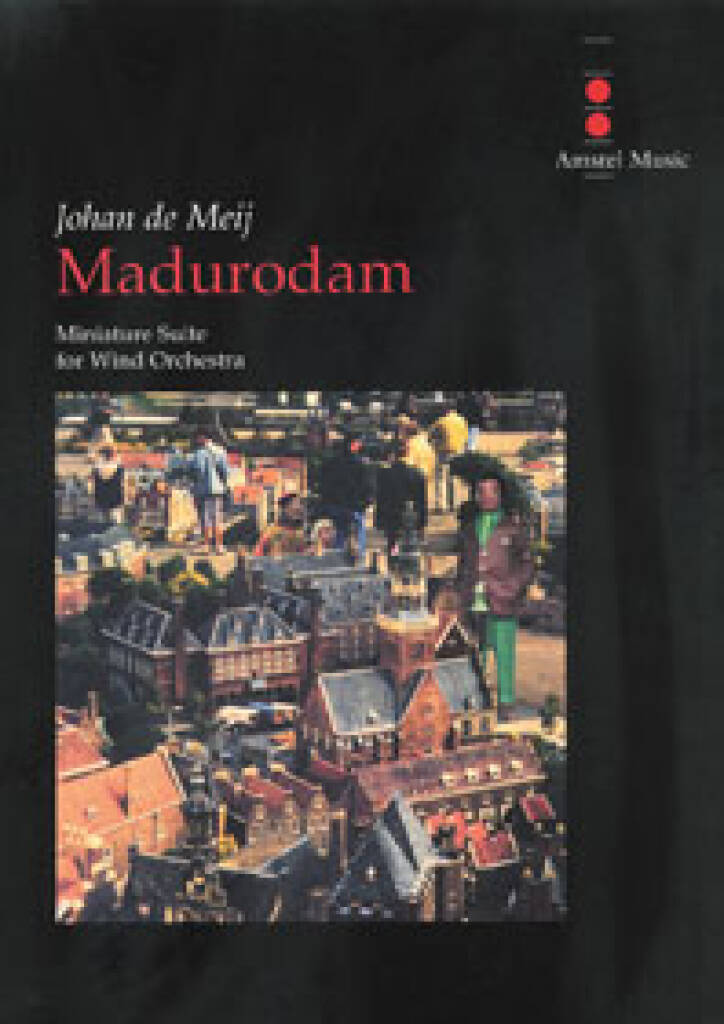
Madurodam - Johan de Meij
Madurodam is a small scale miniature town at Scheveningen (near The Hague) and is since many years one of the most important tourist attractions of the conurbation of Western Holland (called "Randstad"). On a scale 1:25 a charming picture of The Netherlands is given in bird's eye view: several important buildings, churches and townscapes are reconstructed up to the smallest details. There is also a fine transport system: a network of railroads, harbours and motorways covers the park and Madurodam Airport enables air traffic with all continents. The miniature suite Madurodam consists of eight short parts presenting a musical impression of the smallest town in The Netherlands. IReveille the piccolo flute and the side drum announce a new day; II Toy Soldiers there is a military parade in front of the George Maduro Barracks; III Binnenhof/Buitenhof a solemn melody is the main theme of the suite and depicts the state buildings and the nearby lake "Hofvijver" at The Hague; IV Small Windmills everything that moves or whirls at Madurodam is described in this barrel organ waltz; V Intermezzo/Nocturne Madurodam by night is described by a solemn passage played in unison by the lower instruments; VI The Westerkerk Church also the capital Amsterdam is represented with the chimes of the famous Westerkerk church; VII The Muiderslot Castle an elegant pavane recalls medieval atmospheres; VIII "Grande" Finale the windmill theme comes back and then the suite comes to an end with the "Binnenhof" theme, decorated by the first strains of the national hymn "Wilhelmus".
Estimated dispatch 7-14 working days
-
 £137.99
Tintin - Dirk Brossé
Tintin forms the centre of this wonderful suite. The music has originally been composed for a musical based on Tintin - The Prisoners of the Sun and reflects not only the adventurous "Indiana Jones" atmosphere, but also the characters of figures like Cuthbert Calculus. Johan de Meij's arrangement contains a wonderful selection from the musical, in which various styles and genres meet and cross each other. This fabulous piece will appeal to young and old alike.
Estimated dispatch 7-14 working days
-
 £249.99
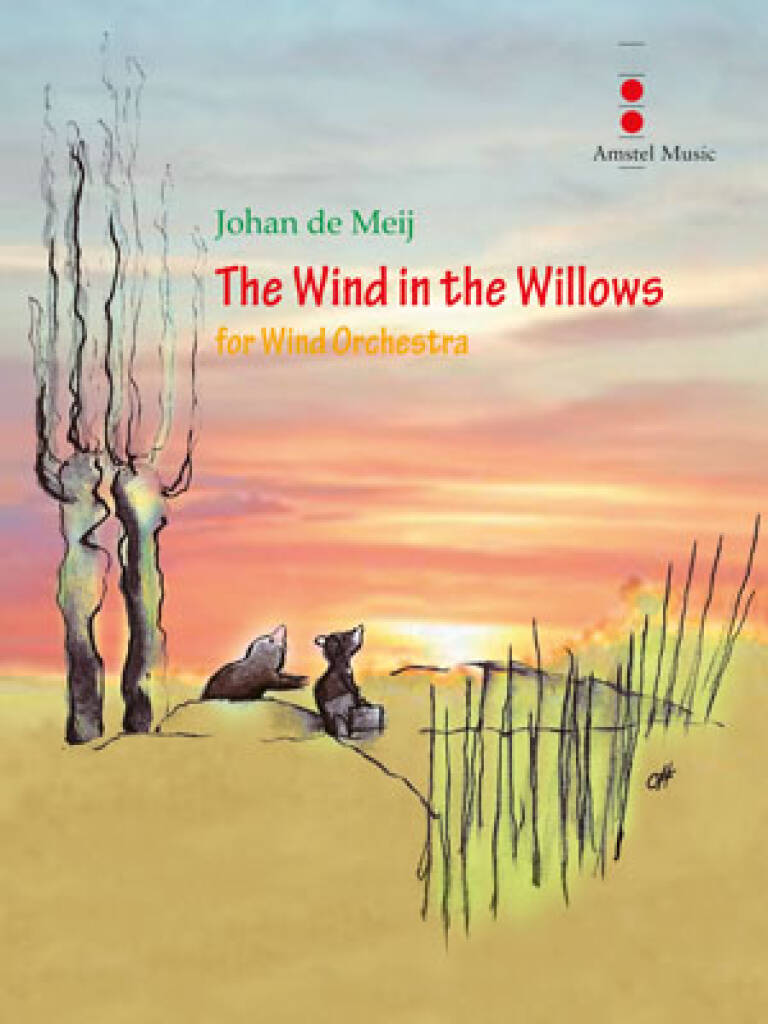
The Wind in the Willows - Johan de Meij
"A book for those who keep the spirit of youth alive in them; of life, sunshine, running water, woodlands, dusty roads, winter firesides" said author Kenneth Grahame (1859-1932) about his children's book The Wind in the Willows. Initially, he wrote the stories about Ratty, Mole, Badger and Toad to read to his visually handicapped son Alistair, but after the publication in book form in 1908, it became a worldwide success. It was later also turned into a film and a television series. What appealed ti the composer most is the friendly, very cosy atmosphere that Grahame has managed to create with his optimistic narrative style full of high spirits, an atmosphere that reminds thecomposer of his own carefree youth. It was therefore a great pleasure to set this book to music! The four movements successively describe:I) The River- The river, which flows through the habitat of the animals like a lifeline, regularly is the scene of pleasant boat trips and picnics. The animals lead their untroubled lives here. The four-tone main motif [A-C-D-C] is extensively presented by the brass section, and returns in the following movements as a countermelody. II) Ratty and Mole -The bright, energetic Rat and the melancholy doubter Mole are inseparable friends and have many adventures. Their opposite characters are illustrated by separate musical themes. III) Mister Toad - The wilful, haughty Mister Toad is indeed a unique case: time after time, he runs into tricky situations, and with his indomitable passion for fast - preferably stolen - cars he causes quite a lot of damage...IV) The Return of UlyssesAfter Toad Hall, the majestic residence of Mister Toad, is recovered from the weasels and stoats of the Wild Wood, who had captured the estate in a cowardly way, our friends get ready for a banquet. They celebrate the victory with a triumphant parade, and so both the book and the music conclude with a happy ending.
Estimated dispatch 7-14 working days
-
£102.99
The King's March - Søren Hyldgaard
This lively new work, expertly arranged by Johan de Meij, is taken from the soundtrack of the recently released animated film Till Eulenspiegel. In writing the music for the film the composer, Sren Hyldgaard, said: "Writing music for an animated adventure romp like Till Eulenspiegel is about as much fun as I can imagine having as a composer.While extremely challenging on the timing and hitting-the-action side, the furious universe of the animated adventure genre is as much an inspiration as it is an obstacle." The King's March from Till Eulenspiegel captures the high spirits of the film itself with the arrival of the extravagant entourage containing the royal carriage with all itsPomp and Circumstance.
Estimated dispatch 7-14 working days
-
 £229.99
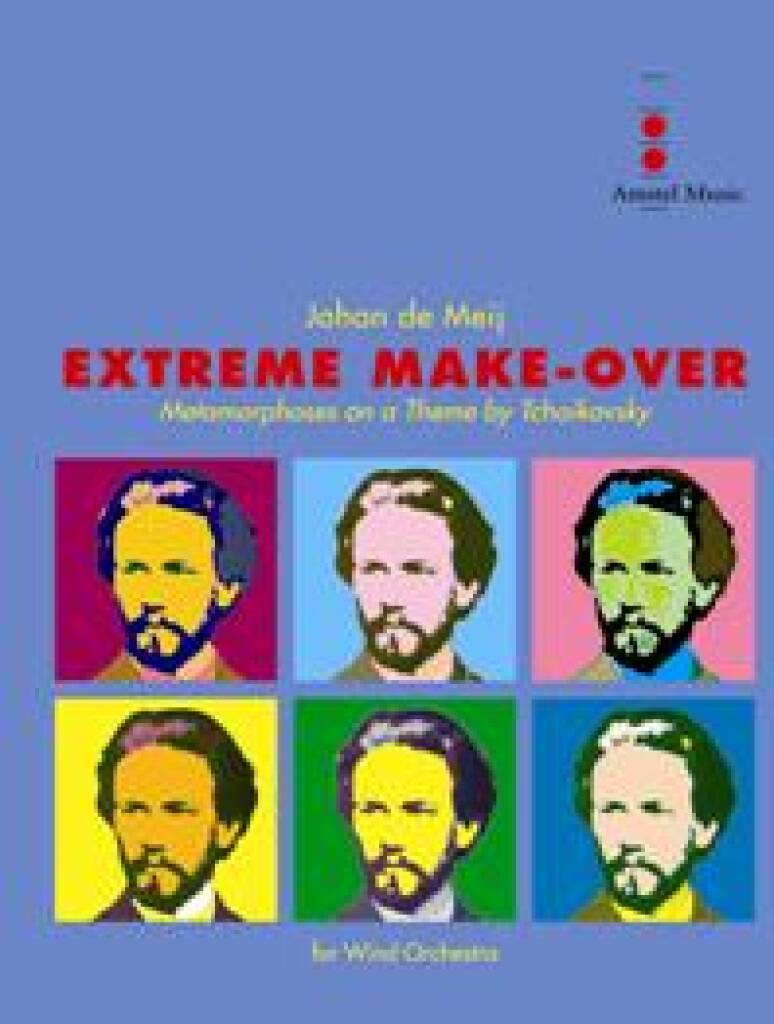
Extreme Make-Over - Johan de Meij
Extreme Make-Over was inspired by a theme from the second movement of Tchaikovsky?s String Quartet No.1 (Andante Cantabile). It consists of a number of musical metamorphoses on the theme and includes several excerpts from Tchaikovsky?s Fourth and Sixth Symphonies and Romeo and Juliet. The most unconventional element of the work is instrumentation for ten tuned bottles to be played by members of the cornet section. This gives the piece an Indonesian Gamelan effect. Why not give your players something to get their teeth into with this impressive major new work.
Estimated dispatch 7-14 working days
-
 £172.50
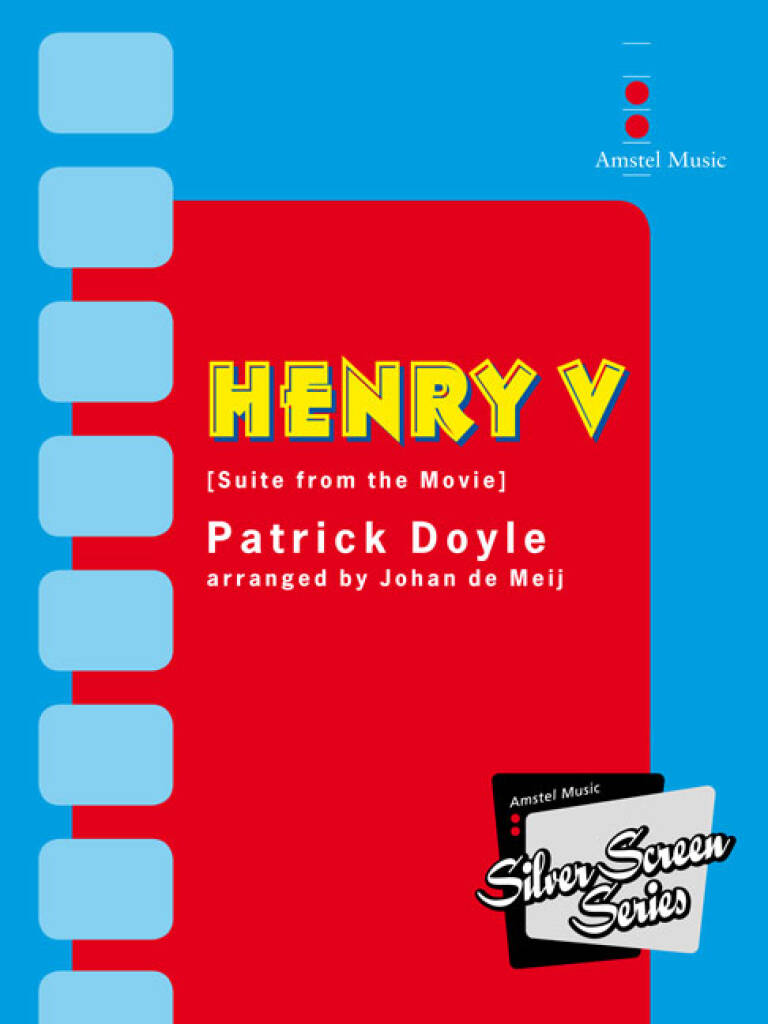
Henry V - Patrick Doyle
As the composer of music for well-known movies like Bridget Jones?sDiary, Sense and Sensibility and Harry Potter and the Goblet of Fire, Patrick Doyle had already made his name. With the song Non Nobis Domine from the film Henry V, Doyle received the 1989 Ivor Novello Award for Best Film Theme. In close cooperation with the composer, Johan de Meij selected the best material from the Henry V soundtrack for this attractive arrangement, with the unison-sung Non Nobis Domine as a touching finale.
Estimated dispatch 7-14 working days
-
 £240.99
 -
 £110.99
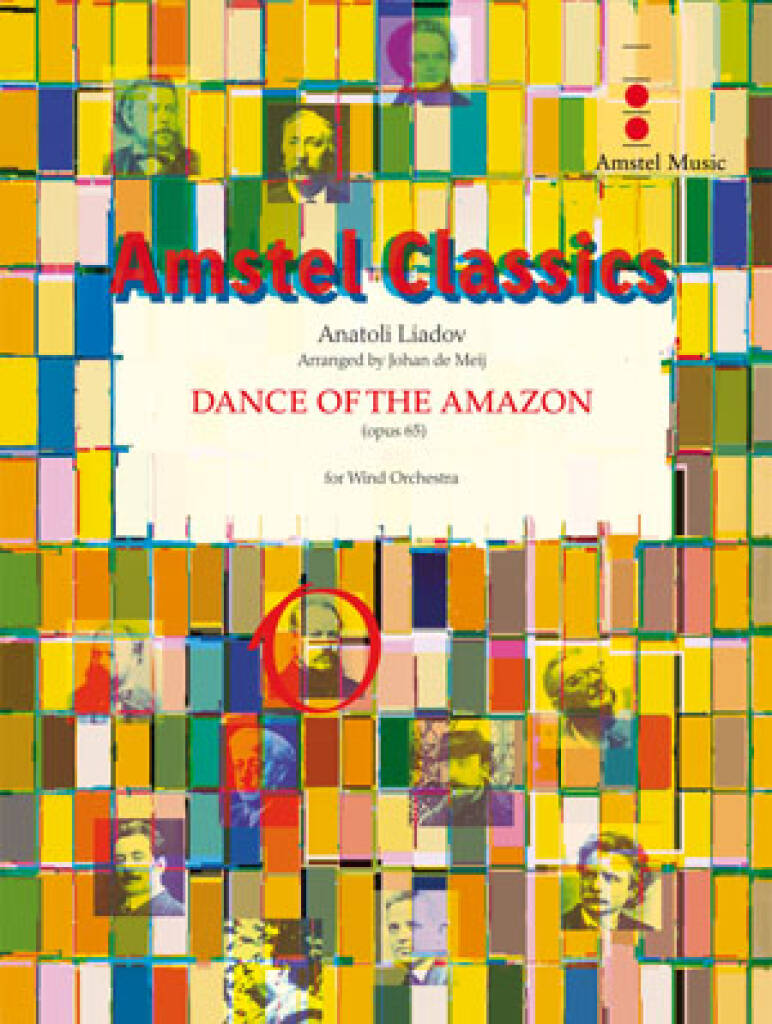
Dance of the Amazon - Anatoly K. Liadov
The Russian composer Anatoli Liadow was one of Rimski-Korsakov's talented students and was also a respected conductor. Liadow's compositions are relatively few, as he did not complete many of his works. One of the pieces he did complete was called Dance of the Amazon, which was written for the dancer Ida Rubinstein. Johan de Meij's arrangement makes this charming work, based on two Greek folk melodies, accessible to concert bands for the first time ever!
Estimated dispatch 7-14 working days
-
 £116.40
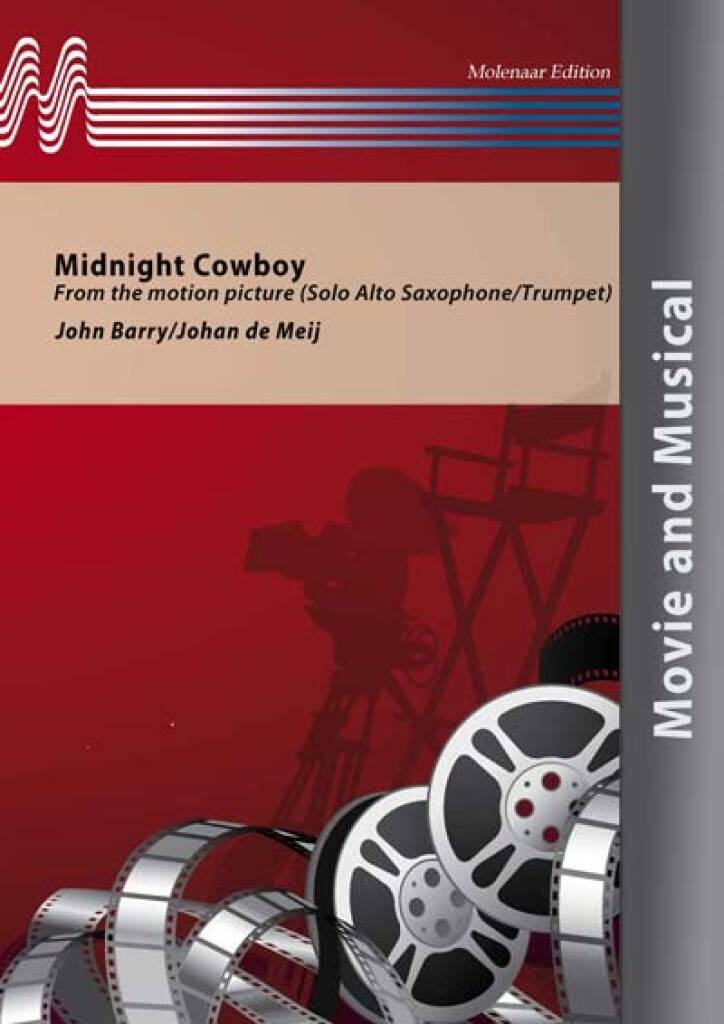
Midnight Cowboy - John Barry
The theme from the Western Midnight Cowboy composed by John Barry is widely known in the version for mouth-organ. In this arrangement for symphonic windband and fanfare orchestra arranger Johan de Meij has chosen for a combined solo for alto-sax and trumpet with an orchestral background. The two soloists play the theme which is emellished by the other. The orchestra mainly finds its task in the accompaniment.
Estimated dispatch 7-14 working days
-
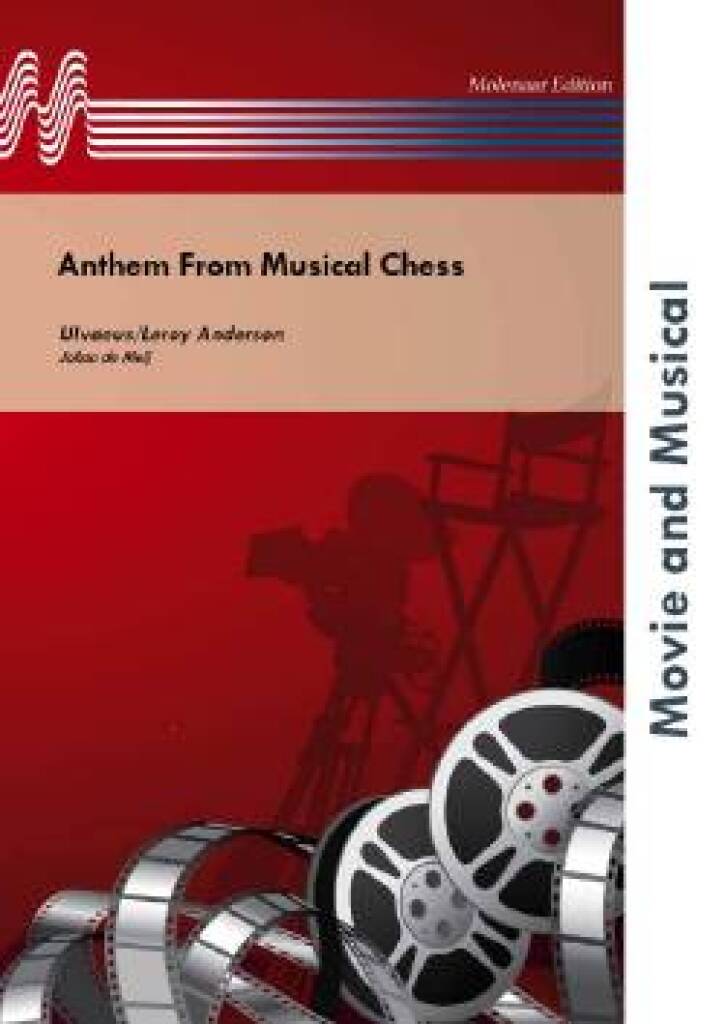 £61.00
Anthem from Musical Chess - Benny Andersson
Anthem is the most well known song from the popular musical "CHESS" written by the male half of the Swedish pop group ABBA, Bjoern Ulvaeus and Benny Andersson. Anthem has been brought out as a separate arrangment (originally found in Highlights from CHESS) and the text for vocal soloist has been added. The arrangment is by none other than Johan de Meij.
Estimated dispatch 7-14 working days
 View Music