
Results
-
 £99.99
Go with the Flow - Jacob de Haan
This work is not only about the flow of the Doubs, Ranceuse and Roide rivers that converge at Pont-de-Roide but also about the flow of life and history of this French town. The composition begins festively and, after the tempo picks up, the music smoothly and rhythmically depicts the happiness and enthusiasm of the inhabitants. The ever-flowing waters of the rivers introduce the slow, melodic middle section, which suddenly turns into traditional march music. After a return to sounds of happiness and enthusiasm, the work closes majestically.The optional Car Horn sound (bar 126) can be downloaded from this website, under 'Attachments'.
Estimated dispatch 7-14 working days
-
£78.95
The Coldstream Guards - Elliot Del Borgo
Beginning with the steady beat of two snare drums, The Coldstream Guards is a fine example of an English style march by a master of band scoring. Tuneful and colorful, it pays tribute to the pageantry and dignity of the Queen of England's own guard. It will be an excellent alternative to standard marches as a contest warm-up. Duration: 2' 40"
Estimated dispatch 7-14 working days
-
£72.95
Symbol Of Honor - Ted Mesang
One of the classic quickstep marches of the 20th Century, Symbol of Honor dates from the 1930s. A rousing example of the march style, it features a memorably catchy second strain. All the elements of this great piece have been ably adapted to the needs of young ensembles in Quincy Hilliard's superb concert arrangement. Duration: 2' Keys: Eb, Ab Ranges: Trumpet - F, Horn - C#, Trombone - Eb
Estimated dispatch 7-14 working days
-
 £104.50
River of Fire - Gary D. Ziek
Pele is the Hawaiian goddess of fire, lightning, wind, and volcanoes. According to legend, she lives in Kilauea, one of the worlds most active volcanoes. The chant of her devotees while Kilauea spews lava and fire into the sky is the basis of this composition. The first of four connected sections is Tribute, where the chant starts as a solo voice that adds weight to the chant with each repetition. The Awakening begins with an ominous mood that builds to an explosive climax as Pele wakes and reveals herself in full glory. March to the Sea comes at a faster tempo as two themes, creator and destroyer, interweave during Peles unyielding journey to the ocean, reaching fever pitch as Fire Meets Water.
Estimated dispatch 7-14 working days
-
 £104.50
The Road to Castlemaine - Barry E. Kopetz
A collection of Australian folk songs that depict the sights and sounds of the beautiful landscape with an Aussie twist and tongue-in-cheek tuneful way. The first movement includes The Wonderful Crocodile and The Old Jig-Jog, folk songs full of energy and dance-like qualities. River Fraser provides the melodic content for the second movement, a slow and impassioned lament. The third movement uses three popular tunes that range in style from joyful dancing as in an Irish reel, to a poignant and haunting flavor, to a brave and dramatic march that dies away bit by bit prior to an explosive ending of energy and good humor.
Estimated dispatch 7-14 working days
-
 £108.50
Like A Feather In The Water - Samuel Pascoal
This symphonic poem was written at the request of the Portuguese Navy Band on the occasion of the 50th anniversary of the ship the N. R. P Sagres of the Portuguese Navy. The composer travelled on the ship during a mission from Lisbon to the Azores, and describes his experiences in this piece. The seasickness, the unsteady walking, the dolphins and whales he saw. And on his return journey the raging seas, storms, high waves and ripping sails. Among the glory of the marines we hear snippets of the march and anthem of the Portuguese Navy.
Estimated dispatch 7-14 working days
-
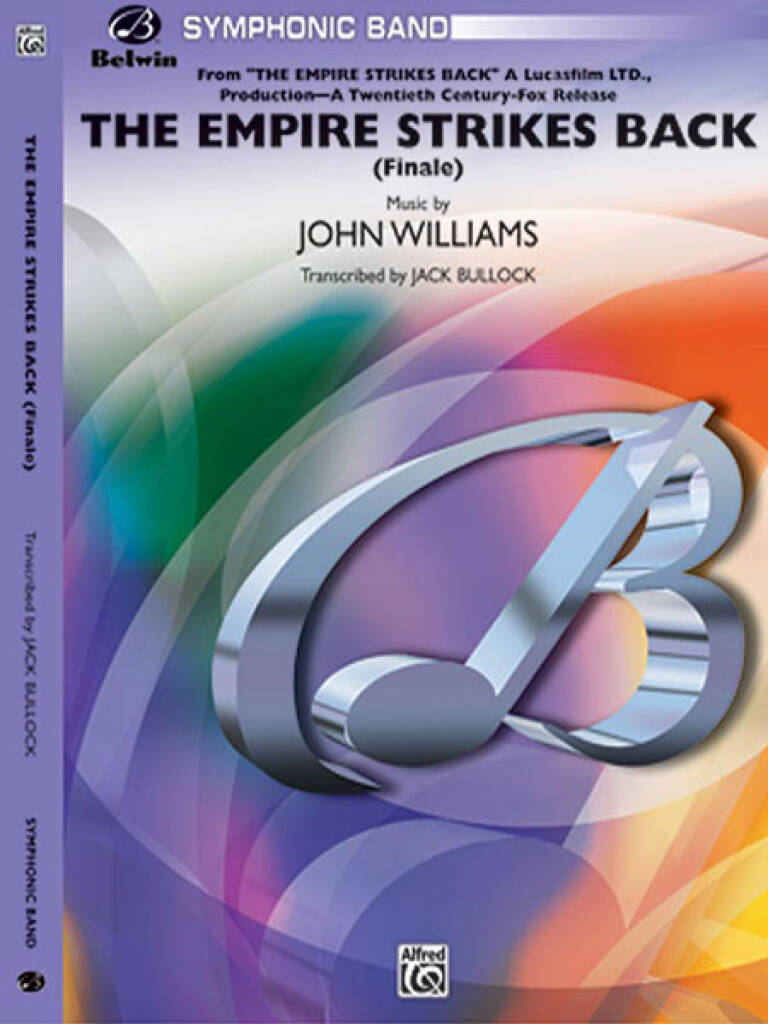 £79.50
The Empire Strikes Back (Finale) - John Williams
We leave the cares of our troubled world and escape to a distant galaxy where we are enveloped in one of the most captivating ongoing adventures of all time. The continuing Star Wars saga crosses all barriers of generations. FromThe Empire Strikes Back comes this charismatic medley. Titles include: Star Wars (Main Theme), The Imperial March (Darth Vader's Theme), Yoda's Theme, Han Solo and the Princess, andi May The Force Be With You.Thoroughly entertaining! (Duration 6:39)
Estimated dispatch 7-14 working days
-
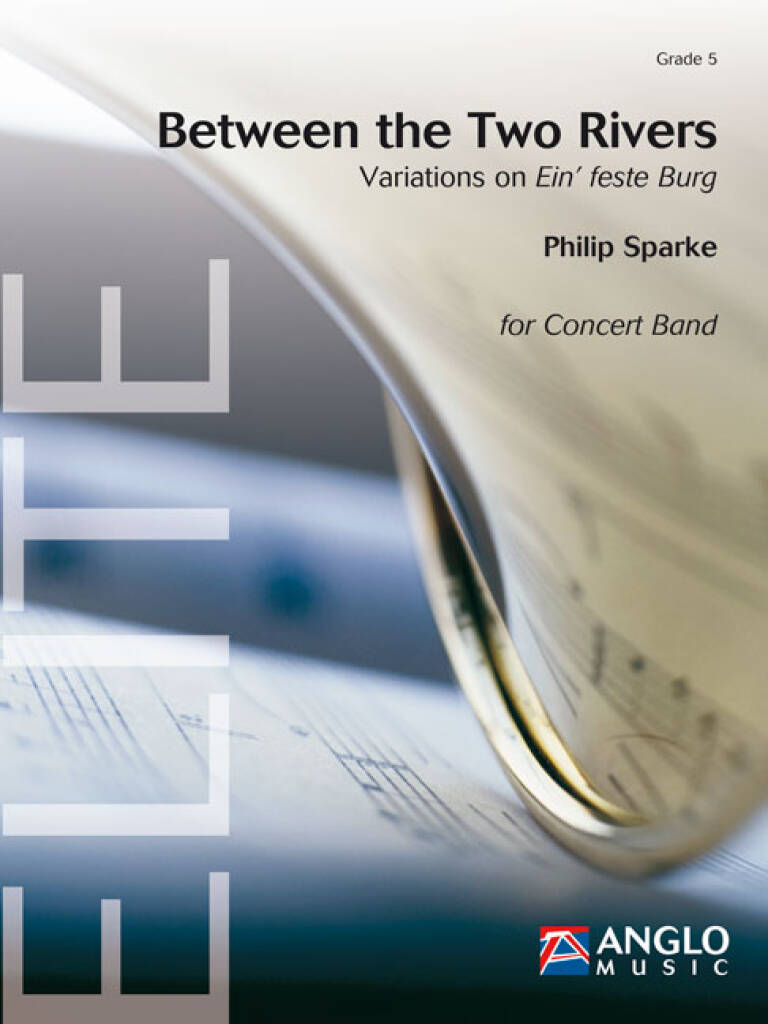 £267.99
Between the Two Rivers - Philip Sparke
Between the Two Rivers was commissioned by Fanfare 'Prins Hendrik', from Aalst in the Netherlands. The title derives from the fact that the town of Aalst lies between two tributaries of the River Dommel. The community is a highly religious one, so the famous Luther chorale, Ein' Feste Burg, was an obvious choice for Philip Sparke to use as the theme for this new work. It takes the form of a theme with four contrasting variations. Variation 1 is a moto perpetuo, variation 2 has a slower march like feel, variation 3 is a sinister slow movement and the final variation is in the form of a lyrical fugue. Between The Two Rivers is sure to become a major work in modern concert bandrepertoire.
Estimated dispatch 7-14 working days
-
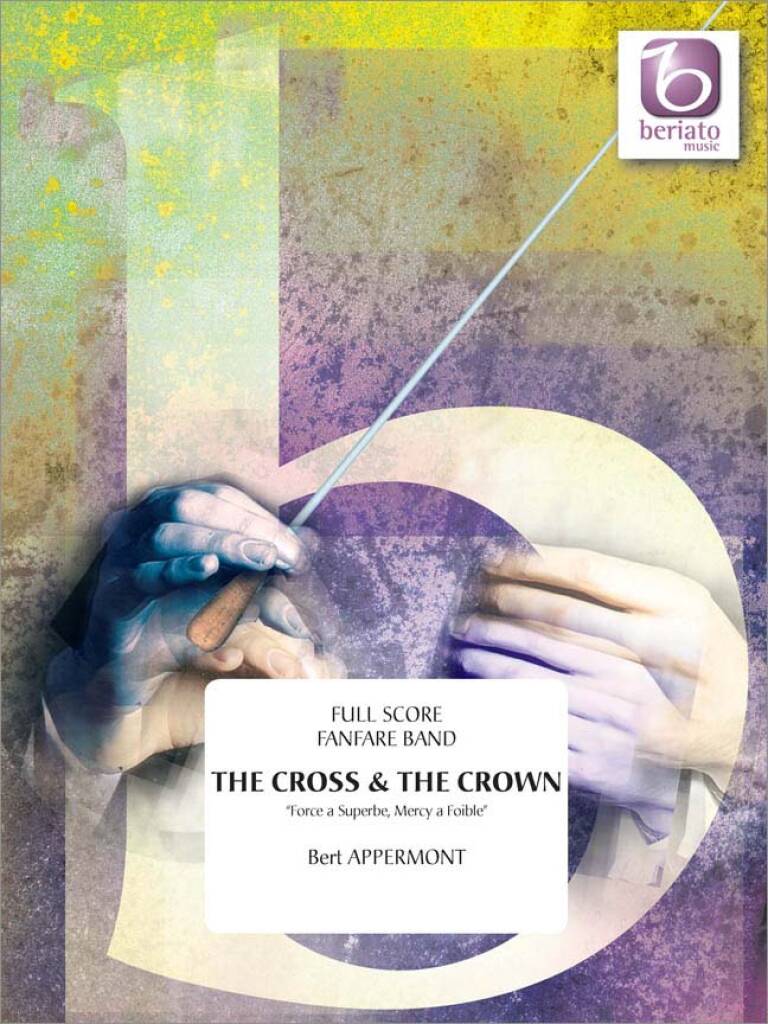 £109.99
The Cross & The Crown - Bert Appermont
This brilliant concert march was written to celebrate the 150th anniversary of the founding of "Les Voltigeurs de Qubec". The title of the work refers to the emblem of this Canadian regiment, in which both the cross and the crown aredepicted. This piece aims above all to express the joy of this special anniversary. The melancholy trio section brings to mind more turbulent times and the trials and tribulations that the regiment has experienced at various points of its history.
Estimated dispatch 7-14 working days
-
£89.99
The Longest Day - Paul Anka
This classic 1962 war film about the landing of the Allied troops at the end of the Second World War is a historic link to the recent D-Day memorial. This upbeat march is a kind of cynical reference to the horror and madness of World War II at the time of the fall of the Third Reich.
Estimated dispatch 7-14 working days
 View Music