
Results
-
 £58.50
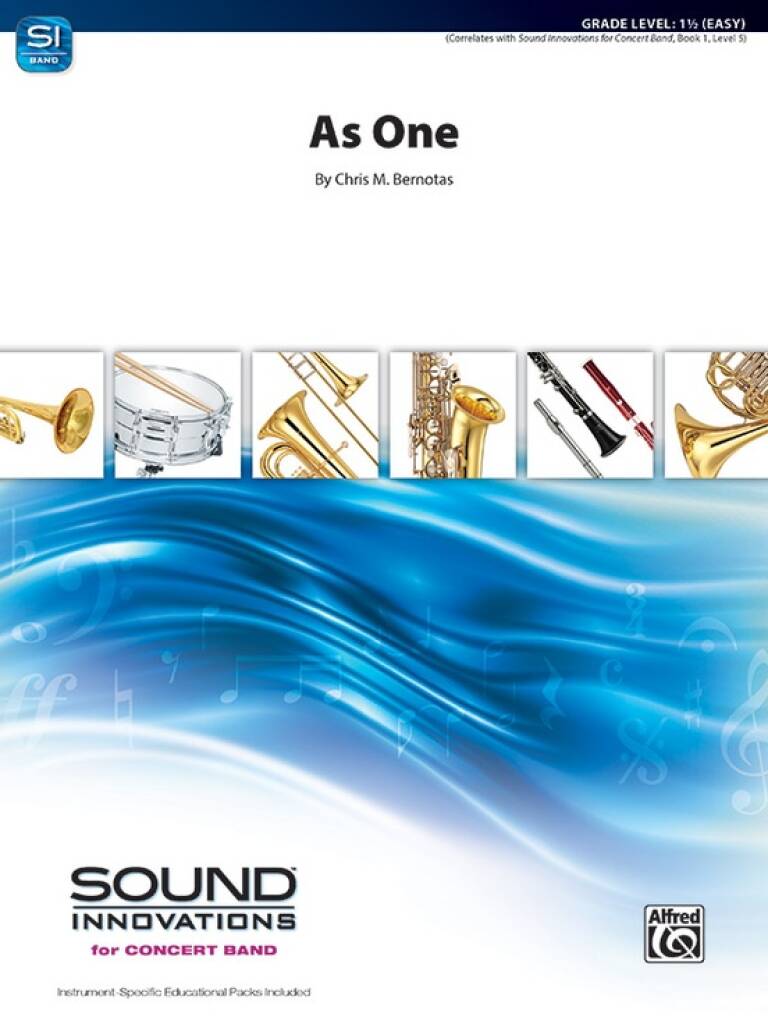
As One - Chris M. Bernotas
There is no better model of coming together in unity As One than being part of a musical ensemble. This delightful concert overture by Chris M. Bernotas features optional solos that join together, uniting the full ensemble. This piece has memorable melodies and a fun groove section, making it an excellent choice for a concert or contest. (3:20) Correlates to Sound Innovations, Book 1, Level 5.
Estimated dispatch 7-14 working days
-
 £53.95
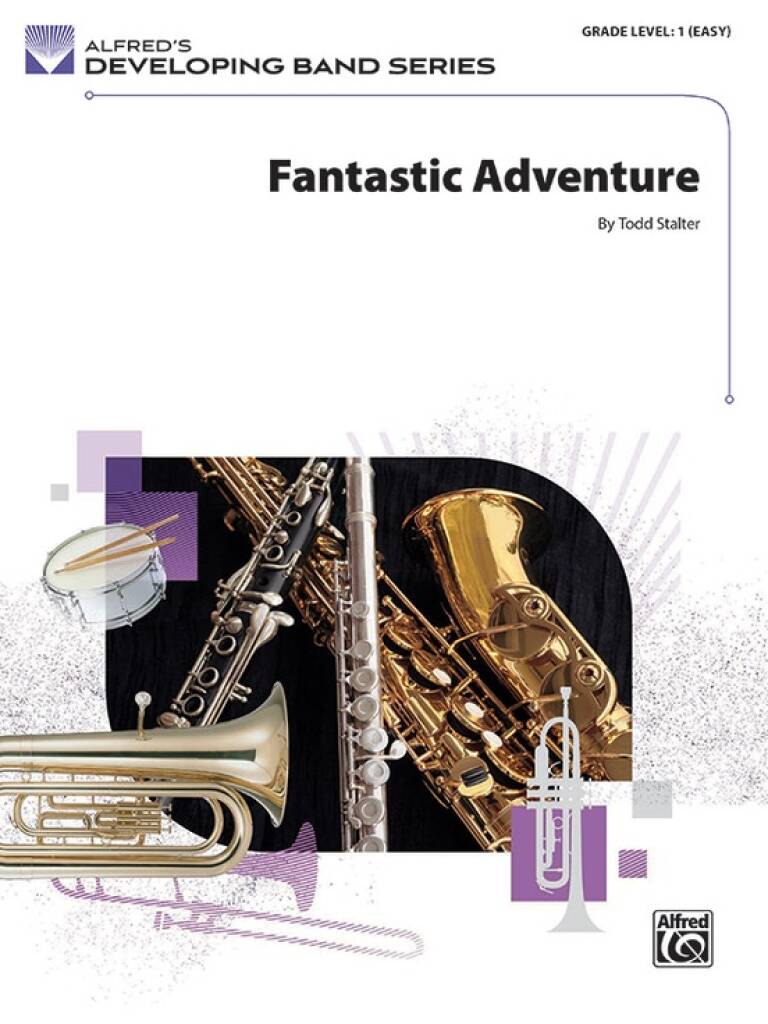
Fantastic Adventure - Todd Stalter
Fantastic Adventure, by Todd Stalter, has many surprises within its short duration for our confident hero, including scenes of mystery, danger, a waltz in a beautiful ballroom, and a challenging encounter to conquer. How does it end? You decide! (1:50)
Estimated dispatch 7-14 working days
-
 £82.95
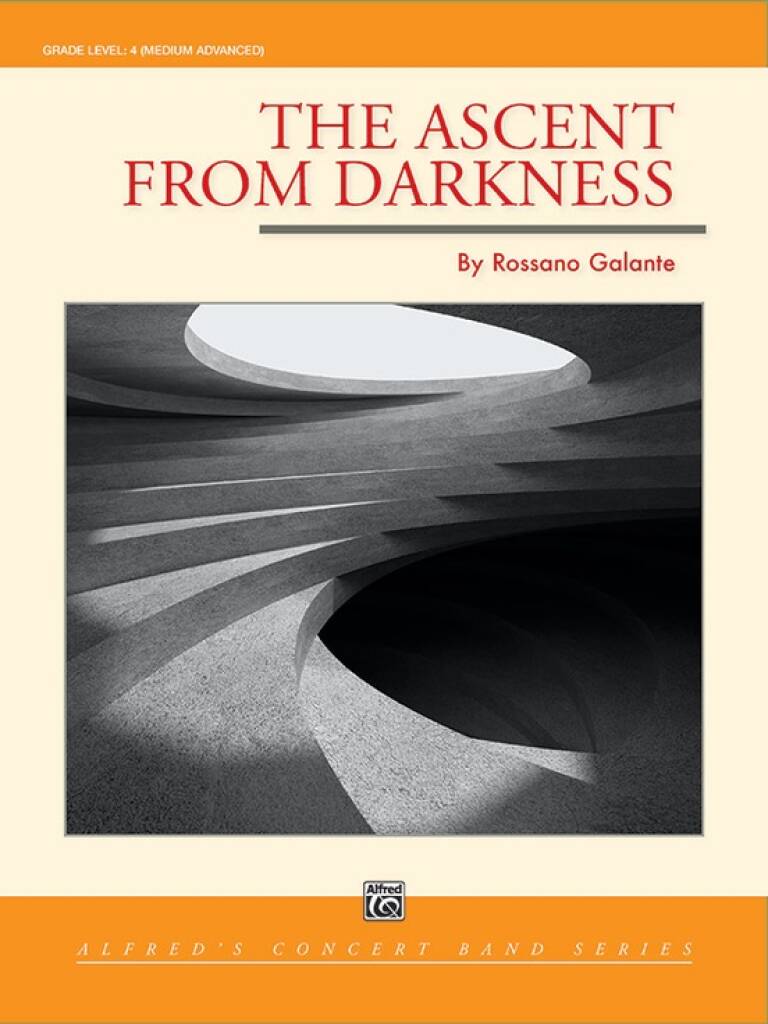
The Ascent from Darkness - Rossano Galante
The Ascent from Darkness, by Rossano Galante, pays homage to the human race that endured the pandemic. He creates a musical landscape that depicts strength, tenacity, and compassion. The main theme, which is broad and lyrical, is stated by horns and winds. As the piece develops, the theme is played by full, chordal brass accompanied by rhythmic woodwind lines. The B section is lightly orchestrated with a solo oboe accompanied by the clarinet section, slowly growing to a tutti statement. The piece recapitulates with bold brass chords. The work ends as it begins, quietly incorporating the first motive. (4:00)
Estimated dispatch 7-14 working days
-
 £66.95
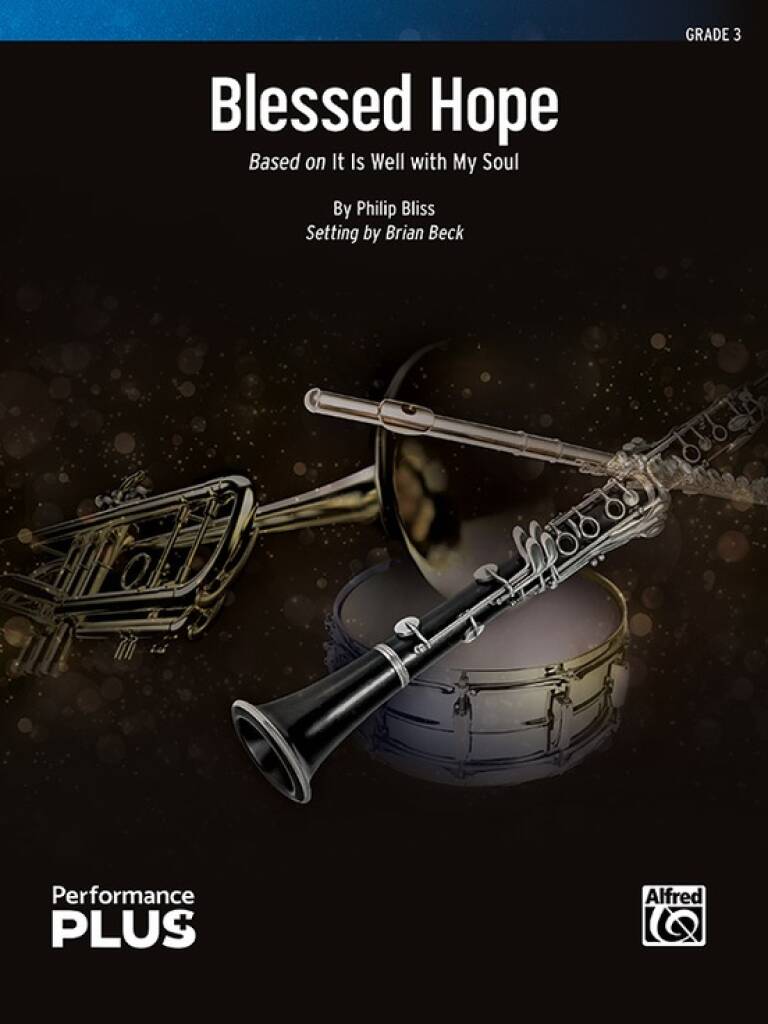
Blessed Hope - Brian Beck
Blessed Hope is a breathtaking arrangement of the beloved hymn "It Is Well With My Soul." The melody is beautifully intertwined throughout the ensemble, complemented by rich harmonies. Moving and captivating, this creative setting is perfect for any concert. Arranger Brian Beck honors the original hymn while adding depth of harmony and flow using the hymn lyrics to guide musical imagery. (3:30) The PerformancePlus+ series is an innovative addition to the ever-expanding MakeMusic Cloud interactive library. These engaging selections are presented with educational resources designed to enrich the rehearsal process and create outstanding performances. Including:Assignment, recording, and assessment tools within MakeMusic CloudPiece-specific exercises focused on skills and techniquesPrintable sheet music (with a standard MakeMusic Cloud subscription)Educational tips and suggestions to support learningAvailable in print and digital formats.
Estimated dispatch 7-14 working days
-
 £50.50
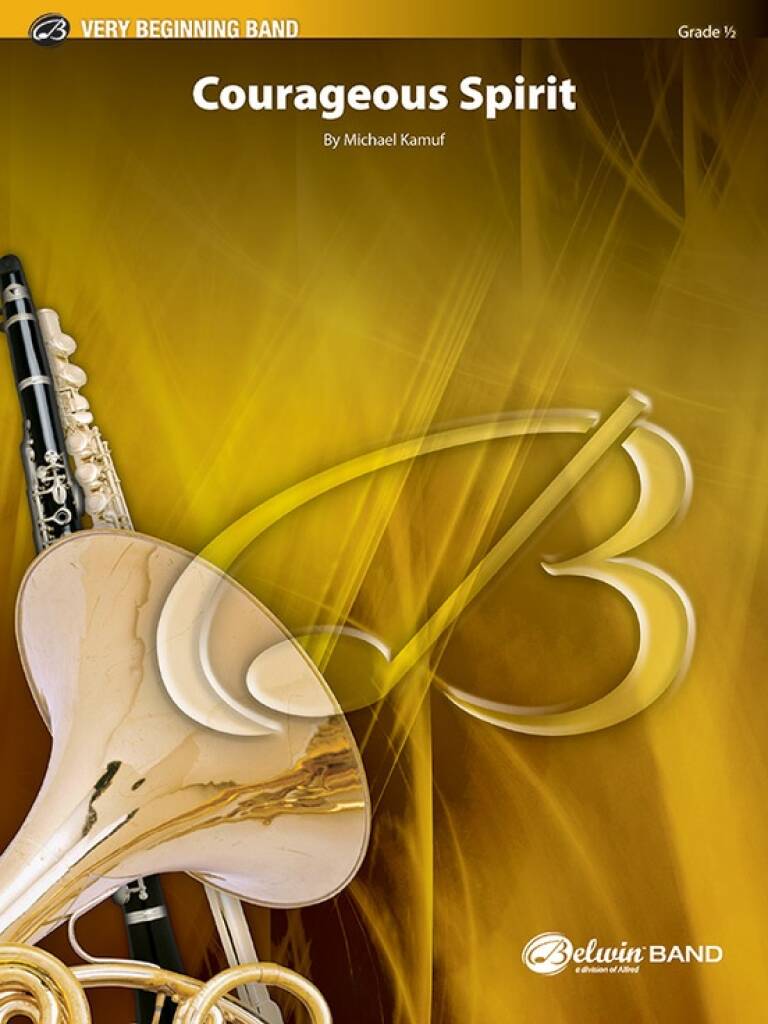
Courageous Spirit - Michael Kamuf
Courageous Spirit, by Michael Kamuf, is a musical celebration of the bravery we summon in the face of uncertainty. The piece features bold and contrasting melodies, making it an ideal choice to reinforce slurs and accents with your students. Additionally, the work provides an opportunity to support and explore the SEL competency of Responsible Decision-Making during rehearsals. Whether as an opening or closing selection, this piece is perfect for your next concert! (1:40)
Estimated dispatch 7-14 working days
-
 £53.95
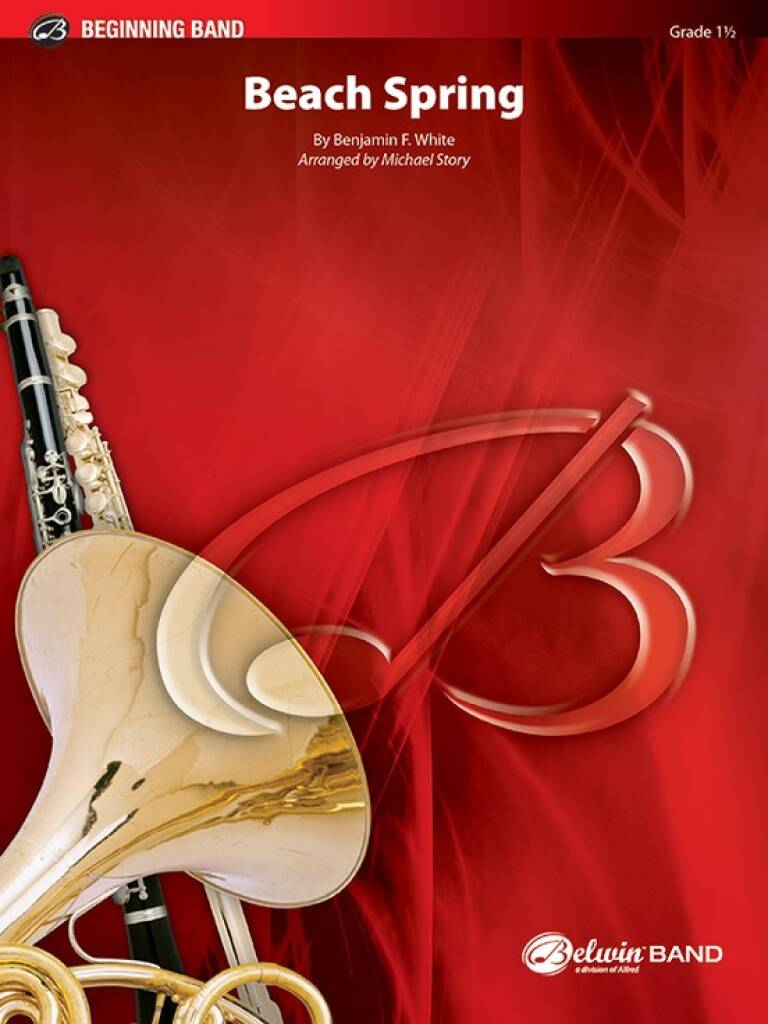
Beach Spring
Originating from The Sacred Harp songbook, the folk-like pentatonic melody of Beach Spring has inspired numerous hymns since 1844. Now expertly arranged for beginning band, this setting captures the song's timeless spirit. It is the perfect vehicle for students to gain experience performing beautiful music in 3/4 meter, with varied musical textures, dynamics, and articulations. (2:00)
Estimated dispatch 7-14 working days
-
 £53.95
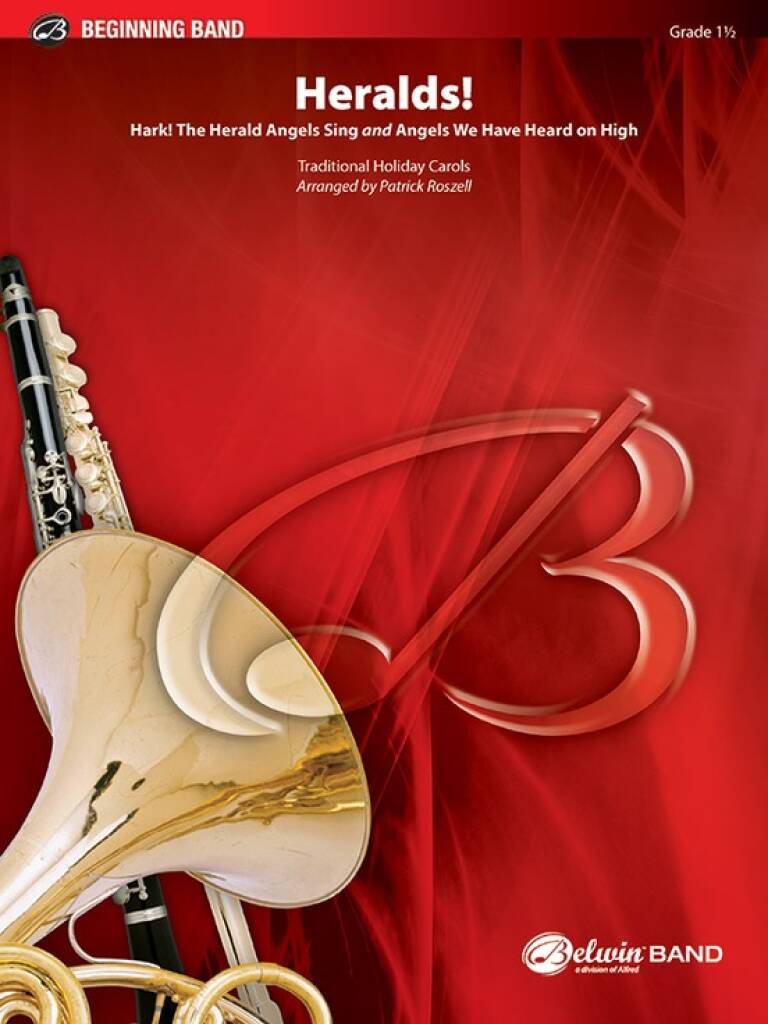
Heralds! - Patrick Roszell
Open your beginning band holiday concert with Heralds! by Patrick Roszell. It contains the abiding favorites "Hark! The Herald Angels Sing" and "Angels We Have Heard on High." A bold arrangement to ring in the holiday season! (1:35)
Estimated dispatch 7-14 working days
-
 £53.95
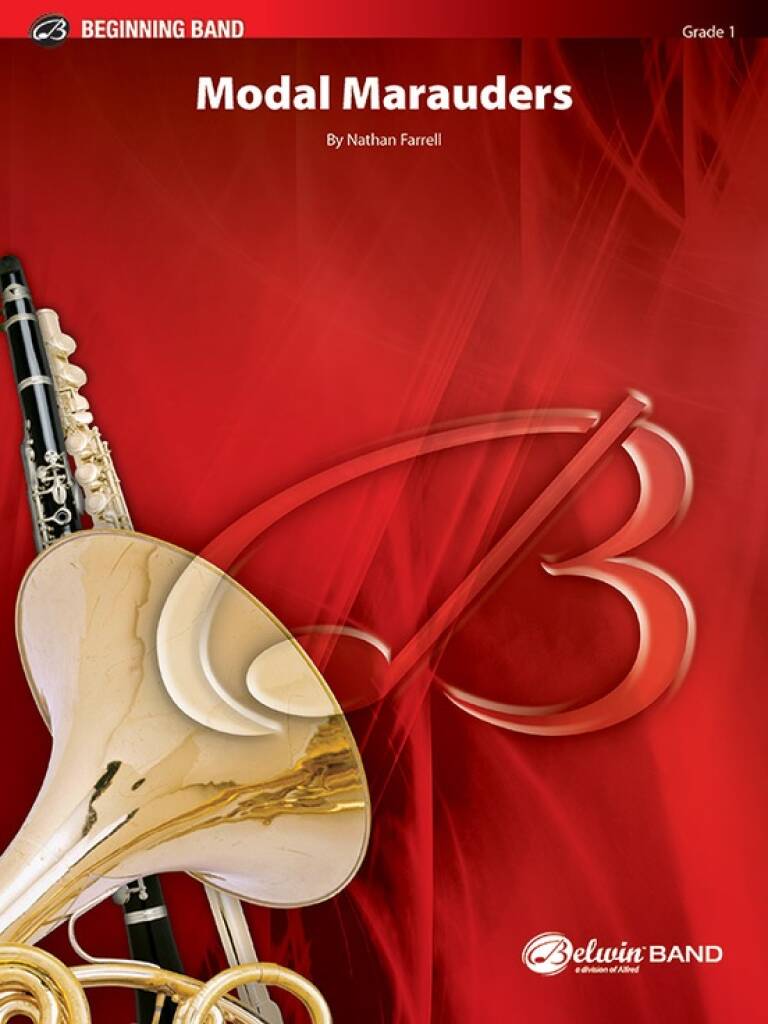
Modal Marauders - Nathan Farrell
Load up your musical instruments of ultimate destruction and prepare to plunder the high seas, the intergalactic expanse, or just the band room! Bring major tonality to its knees with Nathan Farrell's epic exploration of Dorian modality---Modal Marauders! Your beginning band students will love learning the ear-worm-inducing melody and fun bass lines as they rehearse and perform this epic work. Interesting percussion features and "battles" between the sections are easy to teach and engaging for all performers. It is an exciting piece that will be perfect for your young band. (2:00)
Estimated dispatch 7-14 working days
-
 £62.95
Looking Up - Patrick Roszell
Going through a major life change can be tough, but it can show you strengths you never knew you had. Written with flowing melodies and lush harmonies, Looking Up, by Patrick Roszell
Estimated dispatch 7-14 working days
-
 £62.95
Turquoise - William Owens
Turquoise, by William Owens, is a gentle piece that honors a student who selflessly served her community during the COVID-19 pandemic. It is generally quiet and peaceful, reflecting her care for others, but grows strong, revealing her profound impact. A touching tribute to a remarkable girl's legacy, her life celebrated through heartfelt music. (3:25)
Estimated dispatch 7-14 working days