
Results
-
 £163.80
Legend of Amaterasu - Eric Swiggers
This composition tells the ancient Japanese legend of Amaterasu, goddess of the Sun. Amaterasu, the sun goddess had a very glamorous and dazzling ppearance. When her brother Susanoo the storm god comes to visit, they fight. In her fury and grief she hides inside a cave, and doesn't come out, effectively hiding the sun for a long period of time, making it dark on Earth. The other gods beg her to come out, and return light to the world, but Amaterasu continues to sulk inside her cave. Eventually the other gods come up with a ruse to lure her out. They place a large mirror at the cave entrance, and Uzume the goddess of pleasure begins to dance. Amaterasu is curious and ventures out. Then she looks in the mirror and sees how beautiful she is, and she becomes happy. Her brother Susanoo is expelled, and the sun can shine every day once more.
Estimated dispatch 7-14 working days
-
 £94.80
A Short Story in Blue - Ennio Salvere
A Short Story in Blue opens with an easy 'medium swing' which is followed by a more melancholy blues. The last part of the work is in a happy 5/4 beat and then closes with a reprise of the introduction. In addition to the regular orchestra, piano, bass and drums have been added.There are also so called 'Side Skills' included in the score and parts, which can be used as Warm Ups for learning the composition.
Estimated dispatch 7-14 working days
-
 £85.00
Magic Trumpet - Al Hirt
Bert Kaempfert's hit from 1962 'Happy Trumpeter' was dubbed 'Magic Trumpet' by Herb Alpert, and gained international recognition. Here Rob van Reijmersdal gives us his own fresh new take on the tune, in various swinging styles.
Estimated dispatch 7-14 working days
-
 £42.80
Fiesta! - Fritz Neuböck
FIESTA! is a youthful and happy piece by the Upperaustrian composer Fritz Neubck. The reasoning behind the first free bars (free approx 10 seconds) is that the music develops from kind of a soundscape. This means that the noise flows into the first properly written bars and then fades away slowly. It is up to the conductor how to create this soundscape. Then it is the turn of the "banda", the orchestra proper. The guests of this festival (namely the FIESTA!) are to be thrilled by both infectious and dreamy music.
Estimated dispatch 7-14 working days
-
 £118.99
The African sound of Bert Kaempfert - Bert Kaempfert
The composer, arranger and band leader Bert Kaempfert is considered a giant in the field of easy listening music. He wrote songs for world renowned stars such as Ella Fitzgerald, Peggy Lee, Shirley Bassey, Anita Kerr, Frank Sinatra and many others. He created his own unique sound with the Bert Kaempfert Orchestra and had huge international success. His affinity with 'black music' is significant and his fascination with South African sounds led to their incorporation into several of his compositions and arrangements. Roland Kernen has used the following well-known tunes in this medley: Zambesi, African Beat, Wimoweh, Happy Trumpeter and Skokiaan.
Estimated dispatch 7-14 working days
-
 £94.99
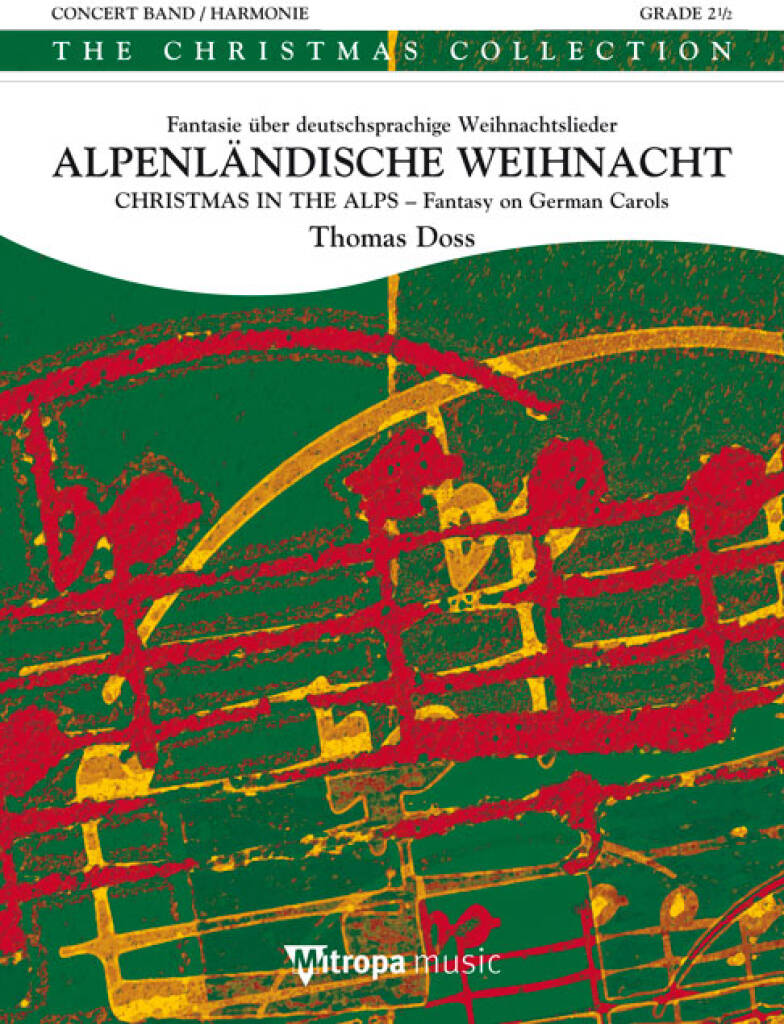
Alpenlndische Weihnacht - Christmas in the Alps - Traditional
Five well-known Christmas carols or folk-songs from the Alps are the basis for this Christmas fantasy: Andachtsjodler, Aber heidschi, bumbeidschi, Es ist fr uns eine Zeit angekommen, Auf dem Berge da wehet der Wind and Stille Nacht,heilige Nacht. The simple melodies and sounds will rekindle Christmas reminiscences from childhood. These happy memories and uplifting sounds are sure to put a smile on anyone's face.
Estimated dispatch 7-14 working days
-
 £64.99
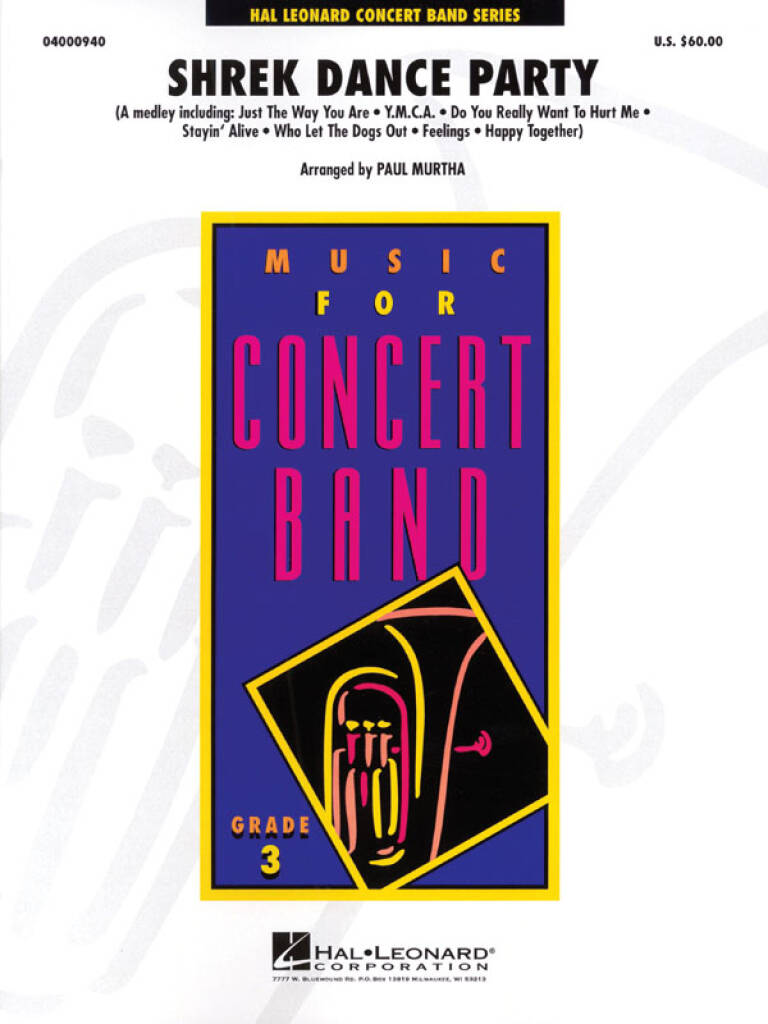
Shrek Dance Party
Concert Band - Grade 3 Shrek and all his new friends enjoyed a rockin' karaoke party at the end of the movie. Paul's high-energy medley is fast-paced and doesn't give you a chance to get tired of any one song! Have fun with Just the Way You Are, Feelings, YMCA, Do You Really Want to Hurt Me, Stayin' Alive, Who Let the Dogs Out and Happy Together. (3:20)
Estimated dispatch 7-14 working days
-
 £64.99
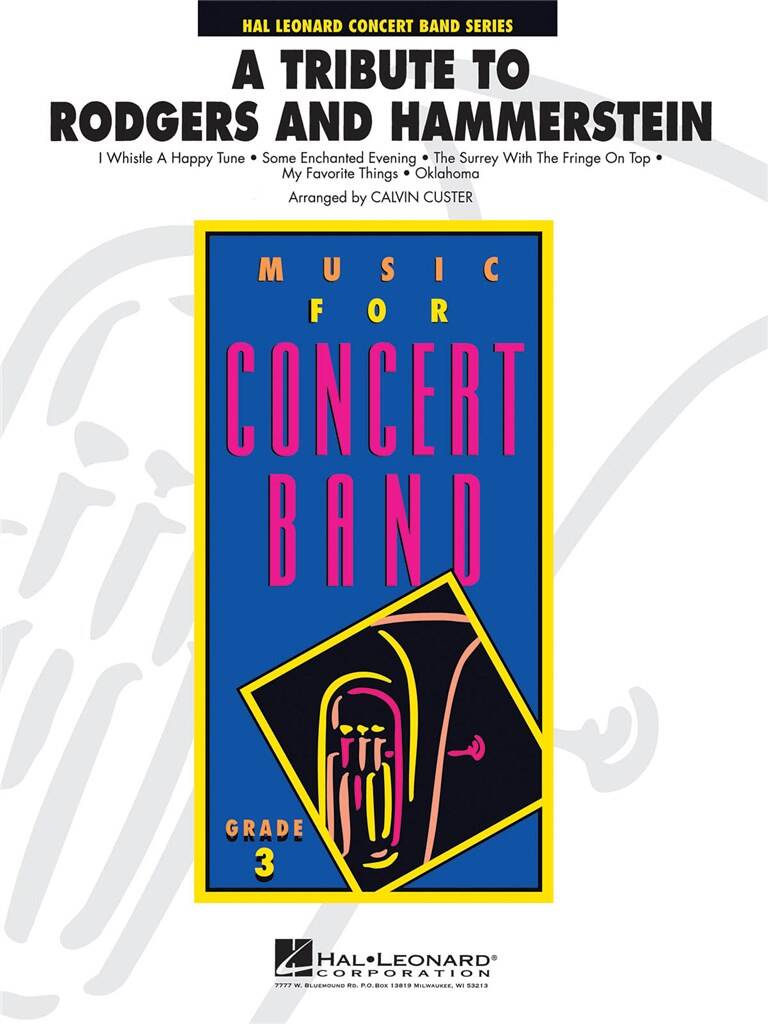
Tribute to Rodgers & Hammerstein - Oscar Hammerstein II
A musical tribute to one of the most revered and prolific song writing teams in Broadway history. The indelible music of Richard Rodgers and lyrics by Oscar Hammerstein have become standards in American music culture. Includes: I Whistle A Happy Tune, Some Enchanted Evening, The Surrey With The Fringe On Top, My Favorite Things, and Oklahoma.
Estimated dispatch 7-14 working days
-
 £72.99
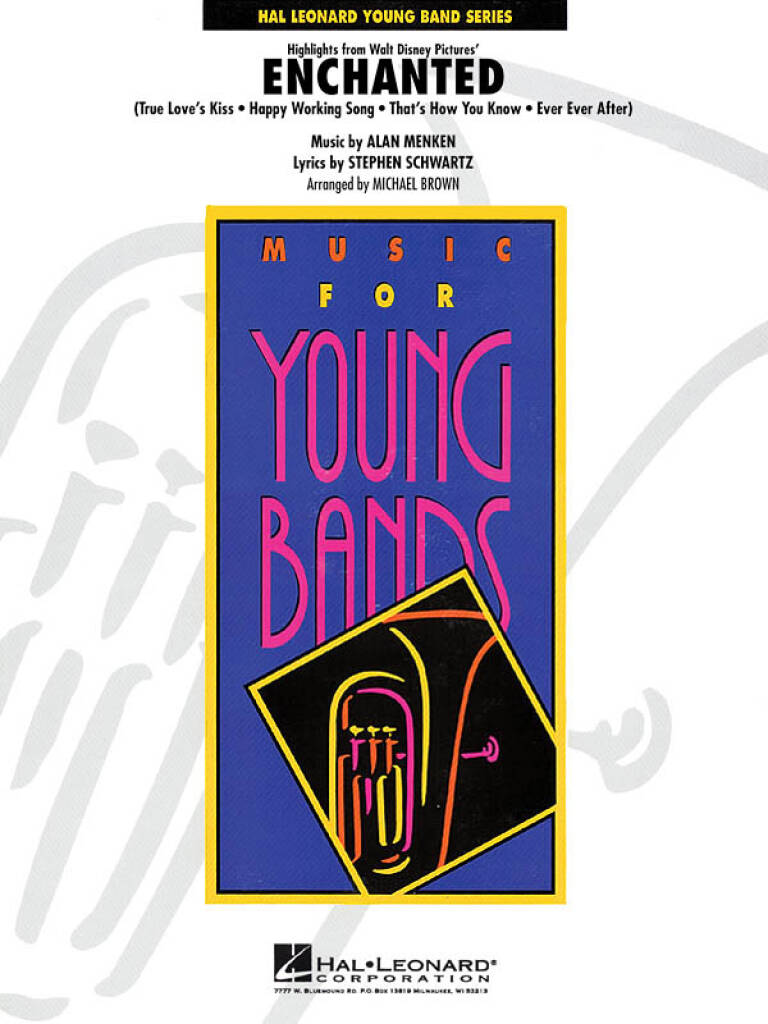
Highlights From Enchanted - Alan Menken
Disney's award-winning motion picture drew blockbuster numbers at the box office in addition to Grammy nominations for the music. This is a classic fairy tale with catchy and melodic tunes portraying the touching story. Includes:True Love's Kiss, Happy Working Song, That's How You Know and Ever Ever After.
Estimated dispatch 7-14 working days
-
 £76.99
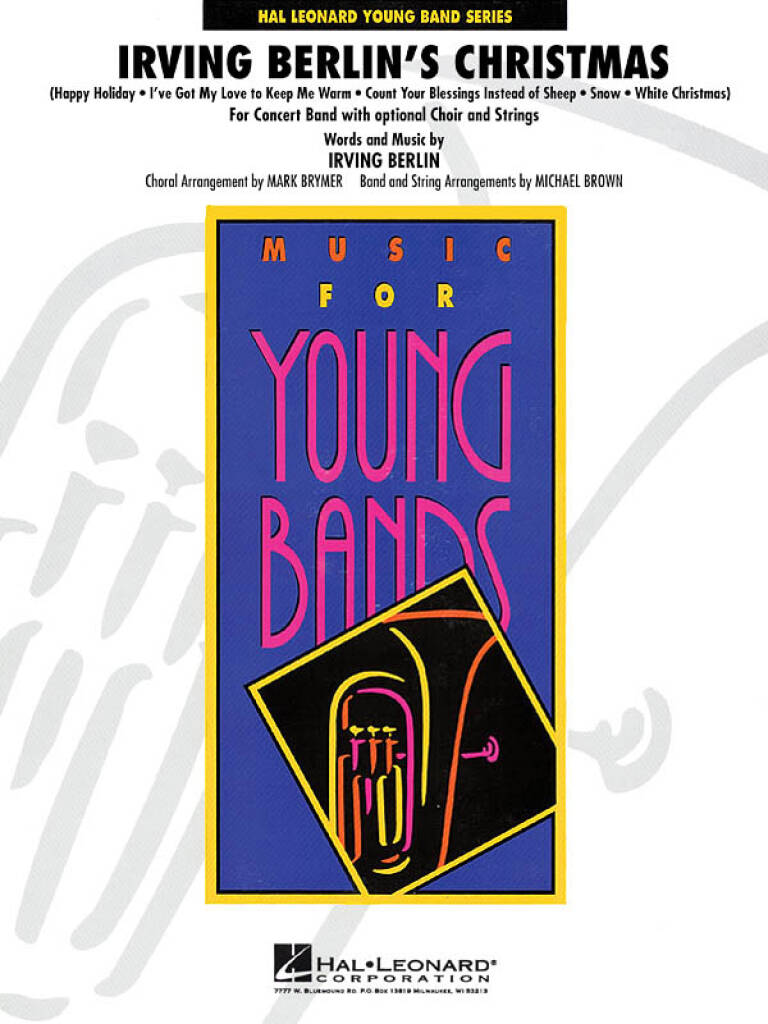
Irving Berlin'S Christmas - Irving Berlin
This spectacular setting for band and optional choir and strings highlights Irving Berlin's most beloved holiday songs. Perfect for a holiday concert finale! Includes: Happy Holiday, Snow, I've Got My Love to Keep Me Warm, Count Your Blessings Instead of Sheep, and of course White Christmas.
Estimated dispatch 7-14 working days
 View Music