
Results
-
 £149.95
CRIES OF LONDON (Prestige Concert Band - Score and Parts) - Ellerby, Martin
This work was commissioned by, and is dedicated to the Regimental Band of Her Majesty's Coldstream Guards and their Director of Music, Major O. Jones MBE. The brief was for a piece to celebrate the City of London. The first performance was given by The Regimental Band of Her Majesty's Coldstream Guards under their music director Major Graham O. Jones MBE, at St. John's Smith Square, London in September 2005. Grade 6 Performance time 17'40"
Estimated dispatch 7-14 working days
-
£49.95
CRIES OF LONDON (Prestige Concert Band - Score only) - Ellerby, Martin
This work was commissioned by, and is dedicated to the Regimental Band of Her Majesty's Coldstream Guards and their Director of Music, Major O. Jones MBE. The brief was for a piece to celebrate the City of London. The first performance was given by The Regimental Band of Her Majesty's Coldstream Guards under their music director Major Graham O. Jones MBE, at St. John's Smith Square, London in September 2005. Grade 6 Performance time 17'40"
Estimated dispatch 7-14 working days
-
 £134.99
Dublin Pictures (Concert Band - Score and Parts)
Ireland is a multi-faceted country that has developed a popular and distinctive musical culture. The first movement of Dublin Pictures reflects Irish festivals where there is dancing and traditional beer flowing. More tranquil in its feel, the second movement illustrates the landscape that can be seen from the Ha'penny Bridge, a bridge that crosses the River Liffey in Dublin. This movement highlights the wide range of the orchestra's sound colours as the musicians' voices combine with the wind and percussion to accompany the soloist. The lively and joyful rhythms of the last movement take the listener to Temple Bar, the famous tourist quarter of the city, well known for its vibrant nightlife. The music's energy and virtuosic motifs are in contrast to the previous movement and provide a spirited and festive finale.Marc Jeanbourquin wrote this piece in three movements for Azimuts Brass in 2011. He then arranged it for Concert, Fanfare or Brass Band 07:45
Estimated dispatch 7-14 working days
-
 £150.00
East Coast Pictures (Concert Band - Score and Parts) - Hess, Nigel
These three short 'pictures' were inspired by several visits to a small part of the American East Coast, an area that provides great extremes in the geography and the people.Movement 1: Shelter Island is a small island situated near the end of Long Island, a few hours drive east of New York. In the summer it becomes a crowded tourist trap; but in the winter it is gloriously deserted and bravely faces the onslaught of the turbulent Atlantic, shrouded in sea mists and driving rain. This 'picture' is a fond memory of a winter weekend on Shelter Island.Movement 2: In upstate New York lie the Catskills Mountains--an extraordinary combination of tranquillity and power, peace and majesty. Once seen, they call you back again and again.Movement 3: New York - or to be more precise, Manhattan. For anyone who is familiar with this bizarre and wonderful city, here is a 'picture' that needs no explanation. For those not yet hooked this is a foretaste of things to come!Duration: 16.00
Estimated dispatch 7-14 working days
-
 £59.40
Feelin' Fine (Concert Band - Score and Parts)
A descriptive overture by the composer of the critically acclaimed Joyant Music. "Cityscape" explores the vivid colors and textures of symphonic band while projecting some of the many moods that are experienced in the day of a great city.
Estimated dispatch 7-14 working days
-
 £60.99
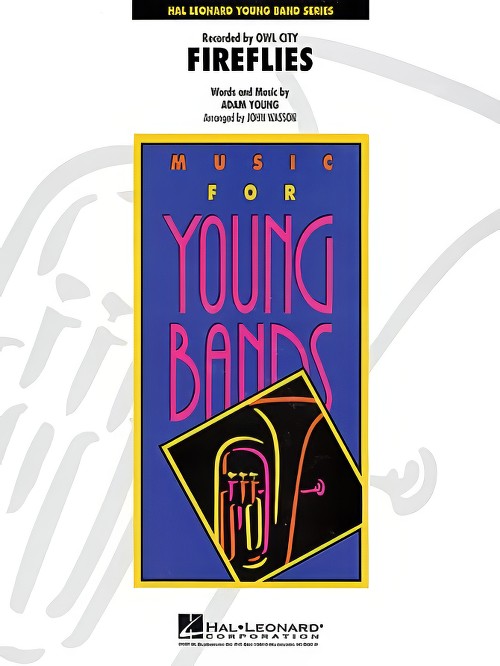
FIREFLIES (Young Band) - Young, Adam - Wasson, John
Attaining worldwide popularity, and describing "a thousand hugs from ten thousand lightning bugs," this is the first #1 hit by recording sensation Owl City. John Wasson's setting for band captures the magic of the original and is sure to be a hit.
Estimated dispatch 7-14 working days
-
£71.28
Flashing Eyes Of Andalusia (Concert Band - Score and Parts) - Sousa, John Philip
A "barn-burner" from the Big Apple. Sousa's hustle-bustle "New York march" captures both the brilliant, restless energy and the soaring lyrical themes inspired by mid-town Manhattan in 1915. Arranged with all of the style, excitement, and vividly colorful details of the Sousa Band's own performances. Sousa's Band played frequently in New York's enormous "Hippodrome Theater," a predecessor of today's Radio City Music Hall.
Estimated dispatch 7-14 working days
-
 £59.95
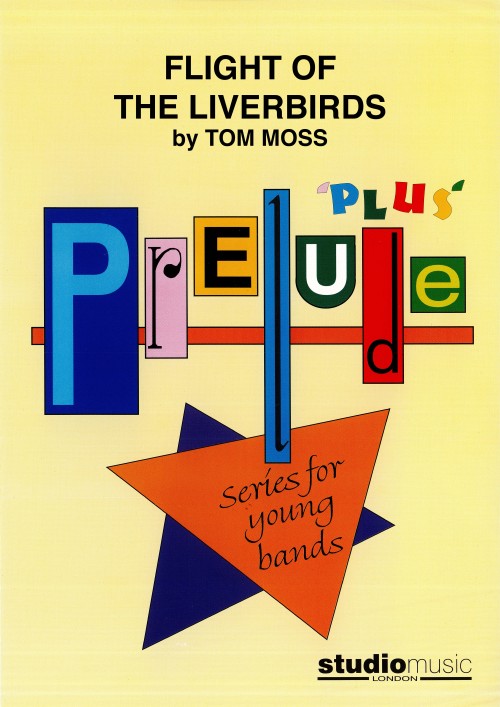
FLIGHT OF THE LIVERBIRDS (Prelude Plus Series) - Moss, Tom
This suite traces mythical legends of the 'Liverbirds'. This audience pleaser, based on the great city of Liverpool, has titles which need no further explanation. 1. Midnight Tango 2. Matthew Street Stomp 3. Albert Dock Serenade 4. Concert Square Stomp. This should have them dancing in the aisles! American Grade 2.5 Duration: 8:00
Estimated dispatch 7-14 working days
-
£43.56
Going Home (Concert Band - Score and Parts)
This beautiful melody is well known as a movement of Dvorak's New World Symphony. Originally sung for Dvorak by Harry T. Burleigh, a talented African-American music student at the famed National Conservatory of Music in New York City, this spiritual has become an American classic. Robert W. Smith has arranged "Going Home" for the beginning band using limited ranges and technical challenges allowing the teaching focus on musically sensitive performance. An invaluable teaching tool suitable for performance at any concert.
Estimated dispatch 7-14 working days
-
£104.99
Il Presidente (Concert Band - Score and Parts)
Il Presidente is a humorous march depicting a president's appearance before his people! The president's convoy is accompanied by a grand fanfare as he pulls up in his car. The people cheer and wave as the president starts to deliver his speech. Slowly their mood begins to shift and they become restless. Finally bored, the people begin to drift away. The finale accompanies people as they return to the city in search of more interesting ways in which to spend their time. An amusing tongue-in-cheek piece that will add a little joy to any concert! 05:30
Estimated dispatch 7-14 working days
 View Music