
Results
-
 £60.99
Tribute (Based on Quintet) - Michael Kamen
Canadian Brass Concert Band Works - Grade 4 The music world lost one of its distinctive voices with the passing of composer Michael Kamen. Known primarily for his extraordinary film scores, Michael was also a tremendous advocate for school music programs. One of his final compositions, this work (originally titled Quintet) commissioned by the Canadian Brass was retitled Tribute after his death. It has been beautifully scored for band by John Moss. (4:00)
Estimated dispatch 7-14 working days
-
 £124.99
Sonoritas - Jan Van der Roost
Sonoritas was commissioned by the Kaohsiung City Wind Orchestra, a professional wind orchestra from Taiwan. The work premiered on 10 September 2023 in the beautiful Kaohsiung Weiwuying Concert Hall, performed by the same orchestra and conducted by the composer. This impressive hall holds the largest concert organ in Asia, inspiring the composer to grant this majestic instrument a role in the composition - albeit ad libitum. Accordingly, all the important passages have also been provided for woodwind or brass instruments, so that the work can be performed with or without an organ.The title Sonoritas reflects the musical content, the rich timbres and sounds of both the wind orchestra and the organ being fully employed in this dynamic composition. A chorale melody with expansive chords opens the work and culminates in a driving theme presented by the brass instruments in various registers. The woodwinds, in turn, introduce a virtuoso saltarello-like theme, followed by a development of all these thematic elements in various forms and combinations. The work concludes grandly with an organ-like finale and, as a high point, a sonorous final chord, which crowns this wonderful sound piece with its broad lines and full harmonies, as well as rhythmic and technical fireworks.
Estimated dispatch 7-14 working days
-
 £115.60
Han Mass og han Lass
Han Mass og han Lass is a folk tune from Jlster in Norway. The arranger imagine to men sitting telling stories to each other. As the time goes, both exaggeretate more and more...... This arrangement was originally written for brass band, as a commission from the Youth Brass band of the Norwegian county of Sogn og Fjordane.
Estimated dispatch 7-14 working days
-
 £87.50
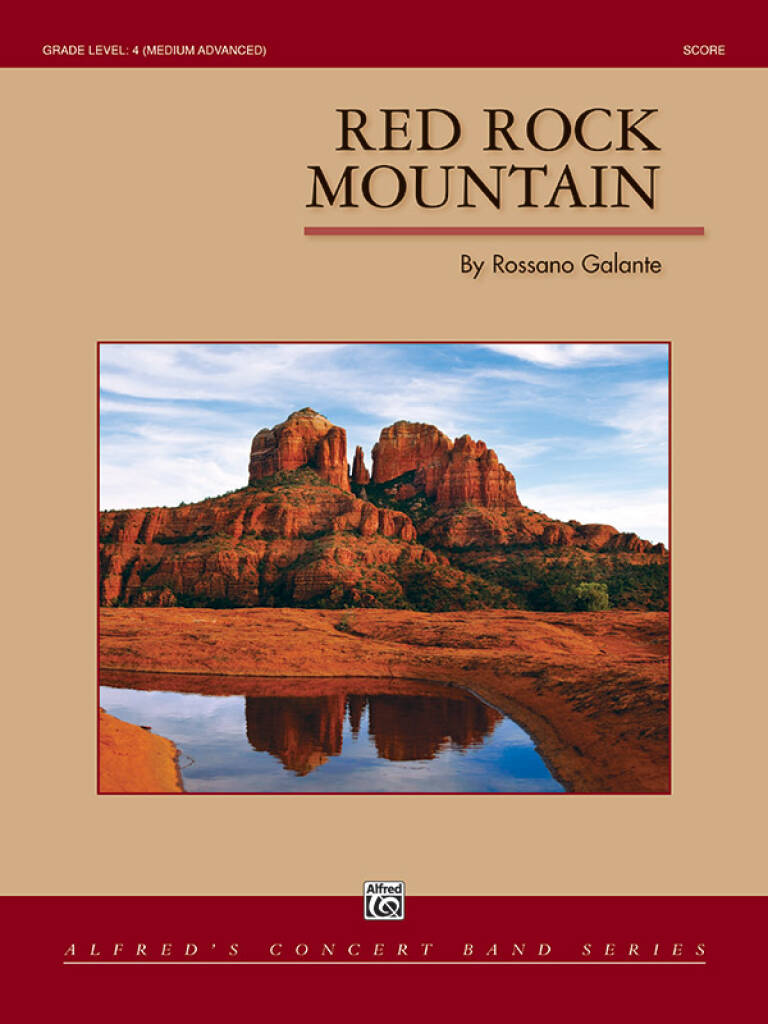
Red Rock Mountain - Rossano Galante
This composition is an episodic work that paints a musical portrait of Red Rock Mountain, a beautiful mountain landscape in Pennsylvania. Brass fanfares and soaring wind lines begin the piece, transitioning into an emotional section depicting the mountains at dusk. As the sun rises and sheds light on its peaks, the music becomes lyrical and rhythmically incisive, culminating in a heroic brass finale depicting the grandeur of these stunning East Coast mountains. (6:00)
Estimated dispatch 7-14 working days
-
£57.50
Vanguard - James Curnow
This contemporary-sounding work makes a fine concert opener or festival selection! Your band will demonstrate a wide variety of styles in less than three minutes. There is plenty of enjoyable "flight time" for the upper woodwinds, exciting passages for the brass, and a fetching liberally-cued brass ensemble section.
Estimated dispatch 7-14 working days
-
 £71.50
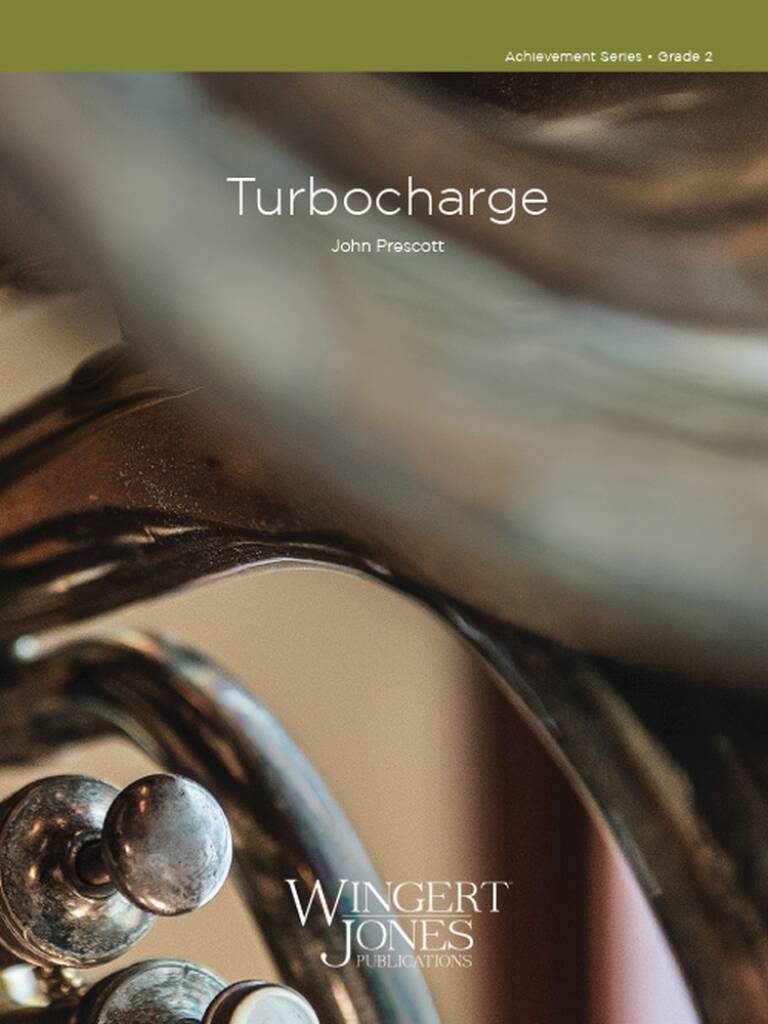
Turbocharge - John Prescott
This excellent work provides a very high-energy yet very accessible musical experience. A brisk tempo, driving rhythms, interesting colors, solid percussion, huge impacts, rising tension, and plenty of dynamic and articulation contrasts provide nonstop excitement for both players and concertgoers. Low brass gets plenty of features, and brass ranges are very comfortable.
Estimated dispatch 7-14 working days
-
 £84.99
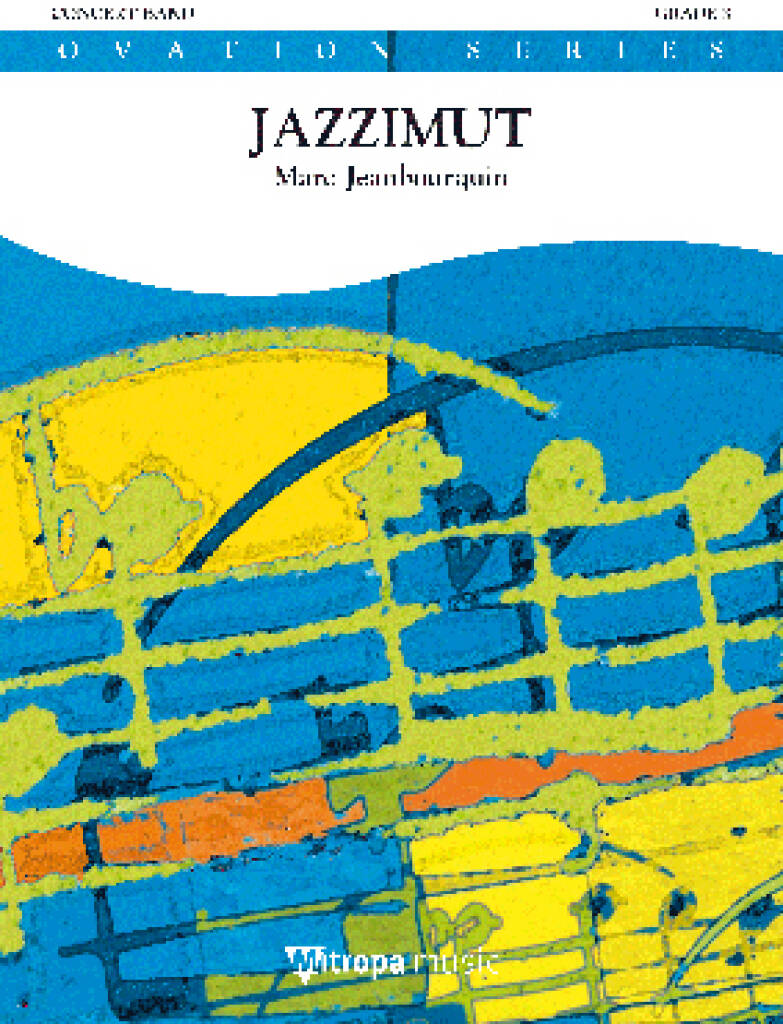
Jazzimut - Marc Jeanbourquin
In 2009, one year after its formation, the Swiss brass ensemble Azimuts Brass commissioned its conductor, Marc Jeanbourquin, to write them a signature tune. He composed Jazzimut, which features a festive introduction followed by a lyrical theme. After a few bars of rock rhythm, Jazzimut goes disco and finishes with a recapitulation of the introduction as a fanfare. Now available for concert band this is an entertaining piece from start to finish!
Estimated dispatch 7-14 working days
-
 £87.99
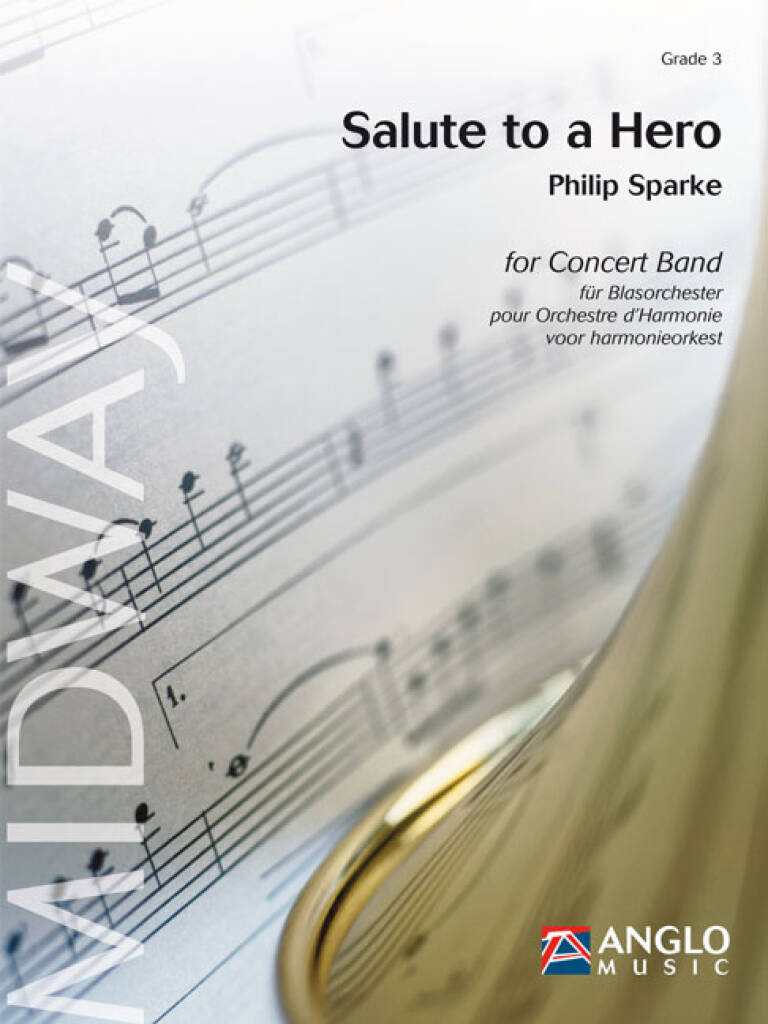
Salute to a Hero - Philip Sparke
Salute to a Hero was composed to honour the work of a truly deserving musician, teacher, and conductor. It opens with a noble brass fanfare with woodwind ornamentation. Following a short interlude the opening fanfare is again heard this time being played by the full band. A lyrical middle section follows, providing a beautiful and peaceful contrast to the powerful sound of the brass section. The fanfare makes one final appearance bringing the work to a triumphant close.
Estimated dispatch 7-14 working days
-
 £69.99
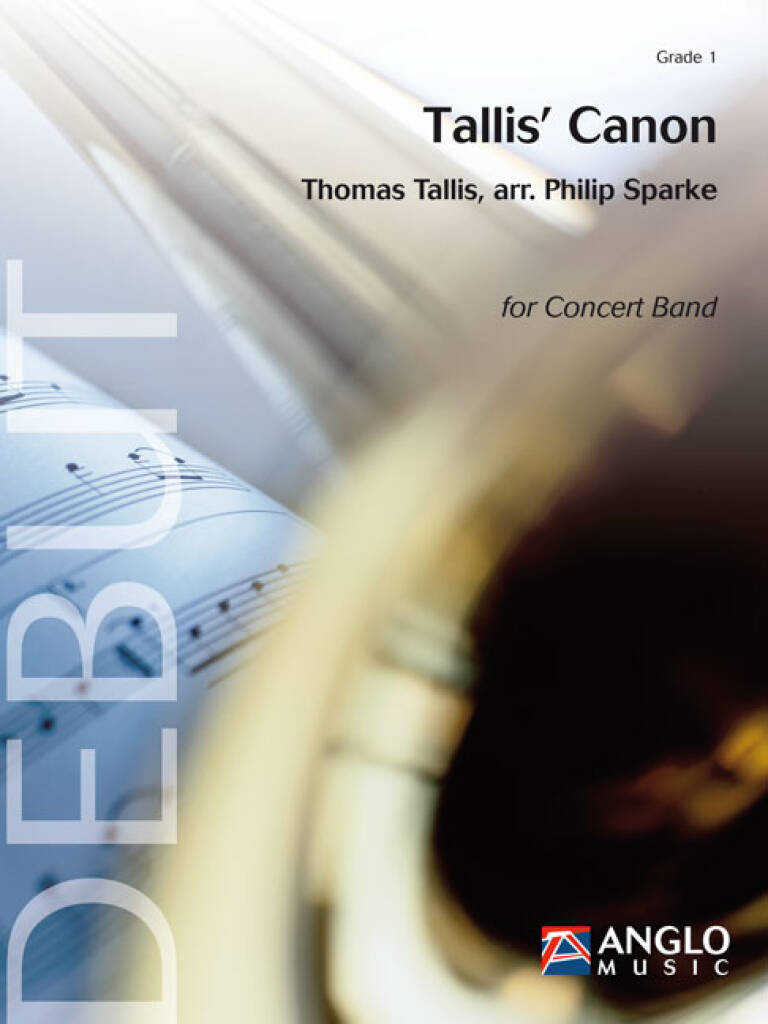
Tallis' Canon - Thomas Tallis
The well-known 16th Century canon by Thomas Tallis is as effective as it is simple. This arrangement includes four verses of the melody: the first in the form of canon; the second for brass; the third for woodwind and the fourth for the entire orchestra. Philip Sparke's arrangement is also well suited for incomplete brass ensembles.
Estimated dispatch 7-14 working days
-
 £96.50
The Pyramids - Tatgenhorst
Highly descriptive contest music in two movements. "Entrance of the Gods'' is a study in contrasts with bold, powerful tutti phrases followed by soft, lyrical woodwinds and low brass passages. "Tribal Dance'' features many rhythmic woodwind lines accented by sharp brass accents and a variety of percussion sounds.
Estimated dispatch 7-14 working days
 View Music