
Results
-
 £109.99
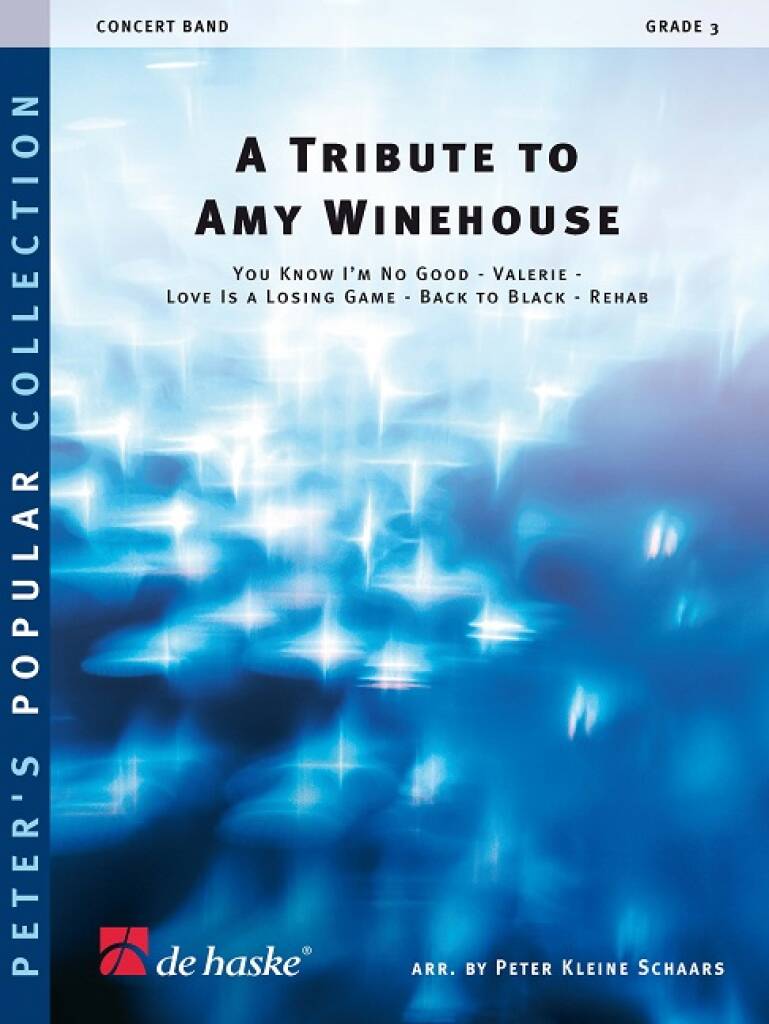
A Tribute to Amy Winehouse - Amy Winehouse
On July 23 2011, the news of the death of Amy Winehouse shocked the entire world. What could have been one of the most impressive careers in the history of pop and modern soul, was halted by a tragic event which no one will forget. The best way to honour Amy Winehouse now is through her music. A Tribute to Amy Winehouse includes all of the songs which earned her cult status and made her unforgettable 'You Know I'm No Good', 'Valerie', 'Love Is a Losing Game', 'Back to Black' and 'Rehab'.
Estimated dispatch 7-14 working days
-
£149.40
Starsleet - Aslak Dørum
Stjernesludd is a hit single from the popular Norwegian band DumDum Boys. The song-writer Aslak Drum is the bass-player in the band. It was recorded in 1997, and it has been a well know radio-hit ever since. The lyrics are set in a dark tone, andthey tell the story of a gloomy and "black and white" feeling in the cold weather before Christmas. "But when the winter comes, we can make angels in the snow..." In 2010, Norwegian singer Kurt Nilsen accompanied by The Norwegian RadioOrchestra recorded it for their CD "Have Yourself a Merry Little Christmas".If performed with Tenor Sax soloist, the first time bracket can be omitted.
Estimated dispatch 7-14 working days
-
 £118.99
The African sound of Bert Kaempfert - Bert Kaempfert
The composer, arranger and band leader Bert Kaempfert is considered a giant in the field of easy listening music. He wrote songs for world renowned stars such as Ella Fitzgerald, Peggy Lee, Shirley Bassey, Anita Kerr, Frank Sinatra and many others. He created his own unique sound with the Bert Kaempfert Orchestra and had huge international success. His affinity with 'black music' is significant and his fascination with South African sounds led to their incorporation into several of his compositions and arrangements. Roland Kernen has used the following well-known tunes in this medley: Zambesi, African Beat, Wimoweh, Happy Trumpeter and Skokiaan.
Estimated dispatch 7-14 working days
-
 £159.60
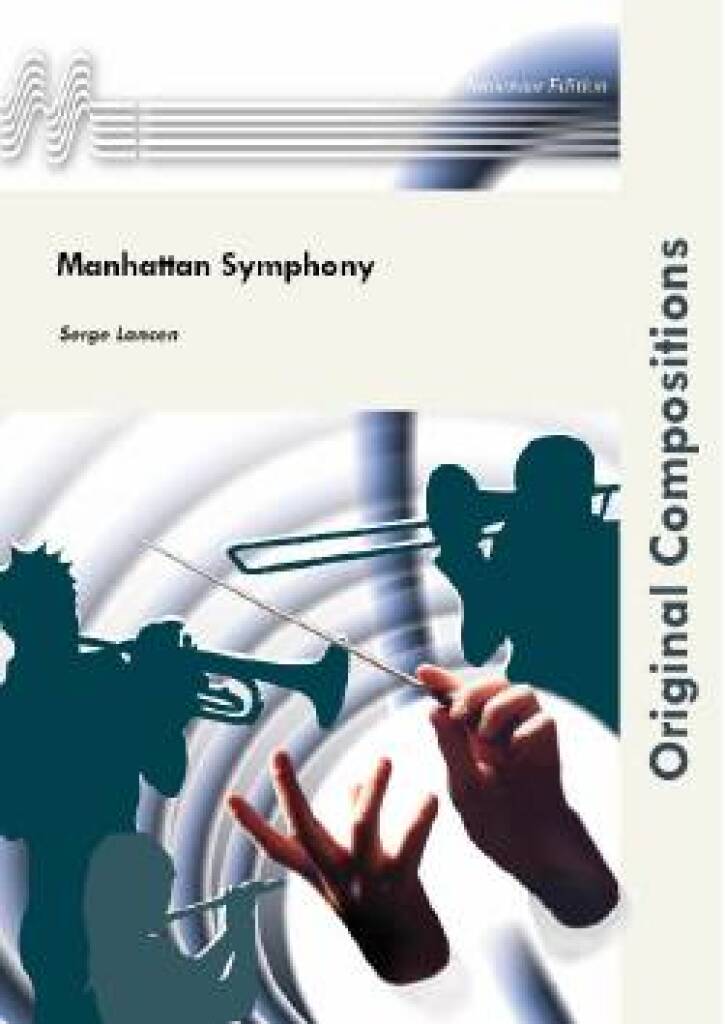
Manhattan Symphony - Serge Lancen
This symphony, composed in 1961-1962, was orchestrated by Dsir Dondeyne and was chosen in 1964 as test piece for the highest division at the World Music Contest in Kerkrade, The Netherlands. It is a musical description of Lancen's trip to New-York. You can hear successively the arrival at Manhattan, a walk in the poetic world of Central Park, a visit of 'black' Harlem, a walk on the hectic Broadway Avenue and finally the admiration for the Rockefeller Building. Here is a splendid musical tribute to this unique metropolis.
Estimated dispatch 7-14 working days
-
 £101.20
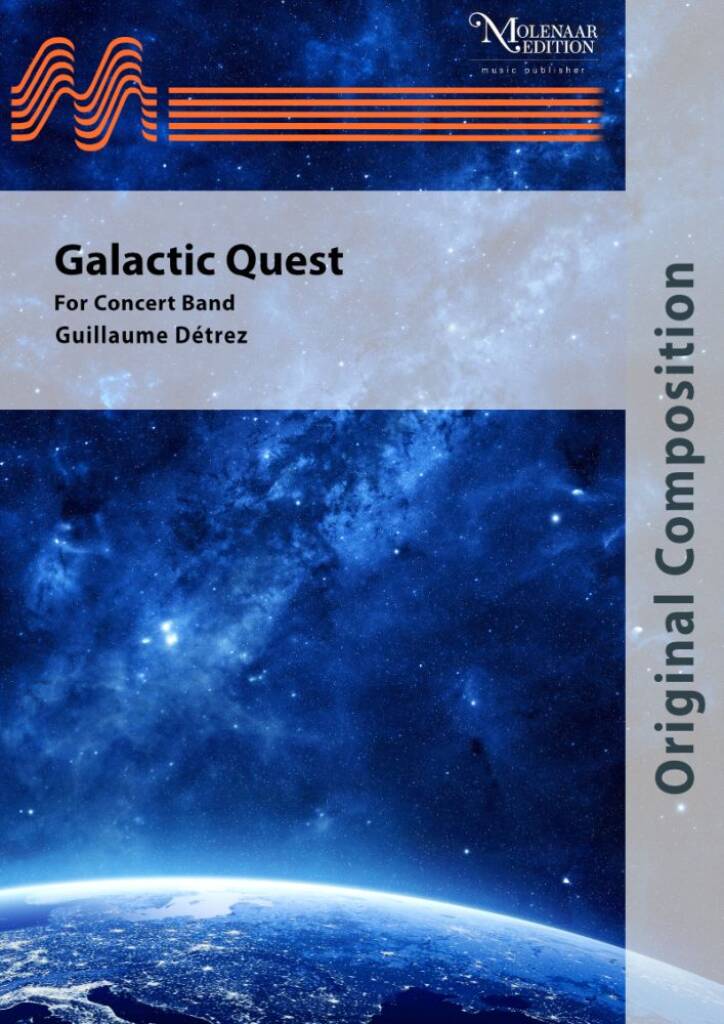
Galactic Quest - Guillaume Detrez
Inspired by various science fiction films, the piece "Galactic Quest" offers an original vision of Space and the elements that constitute it. Take-off, black holes, milky voice, encounter of the 3rd type... In the middle of the piece, a solo part is set up and can be played on the synthesizer or the trombone. This piece is a nod to Thomas Pesquet, French astronaut and also saxophonist with an alto saxophone solo in the penultimate part.
Estimated dispatch 7-14 working days
-
 £106.99
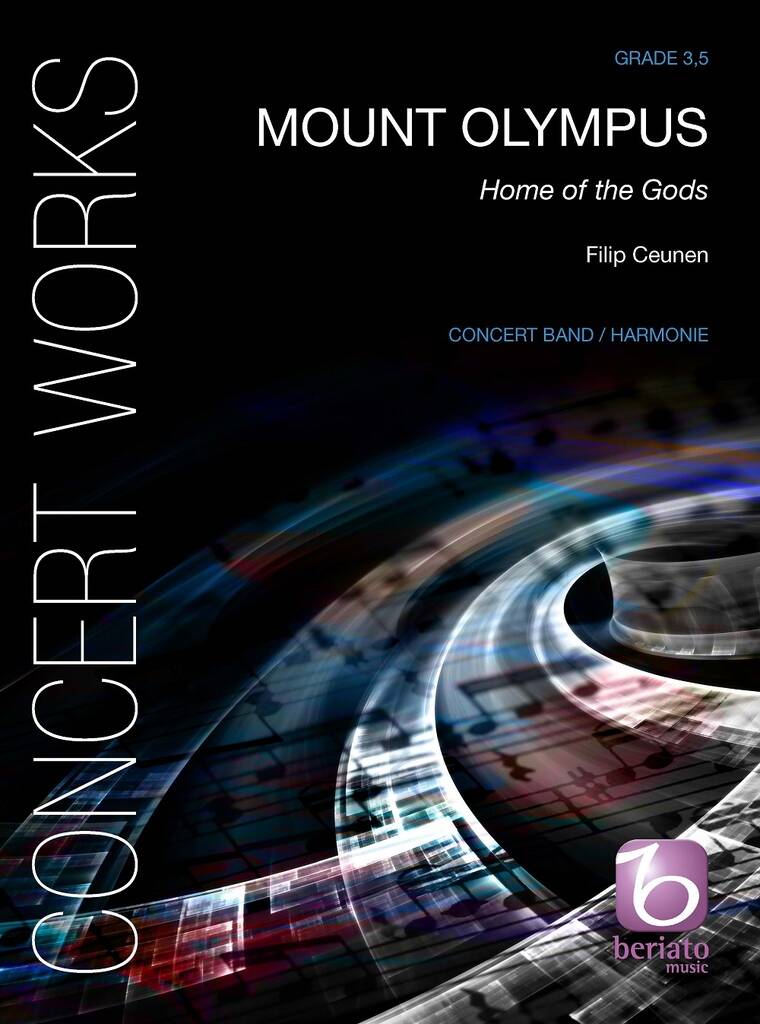
Mount Olympus - Filip Ceunen
Mount Olympus was commissioned by the Groot Genker Orkest from Genk (Belgium) on the occasion of its 20th anniversary. In the context of this composition, Mount Olympus, the home of the Greek gods, can be seen as a reference to the Zwarte Berg (Black Mountain) in Genk, that, with its rolling hills and lush nature, is also a place of inspiration and contemplation - which prompted the composer to write this attractive work, in which various facets of the mythological mountain Olympus are represented.
Estimated dispatch 7-14 working days
-
 £106.99
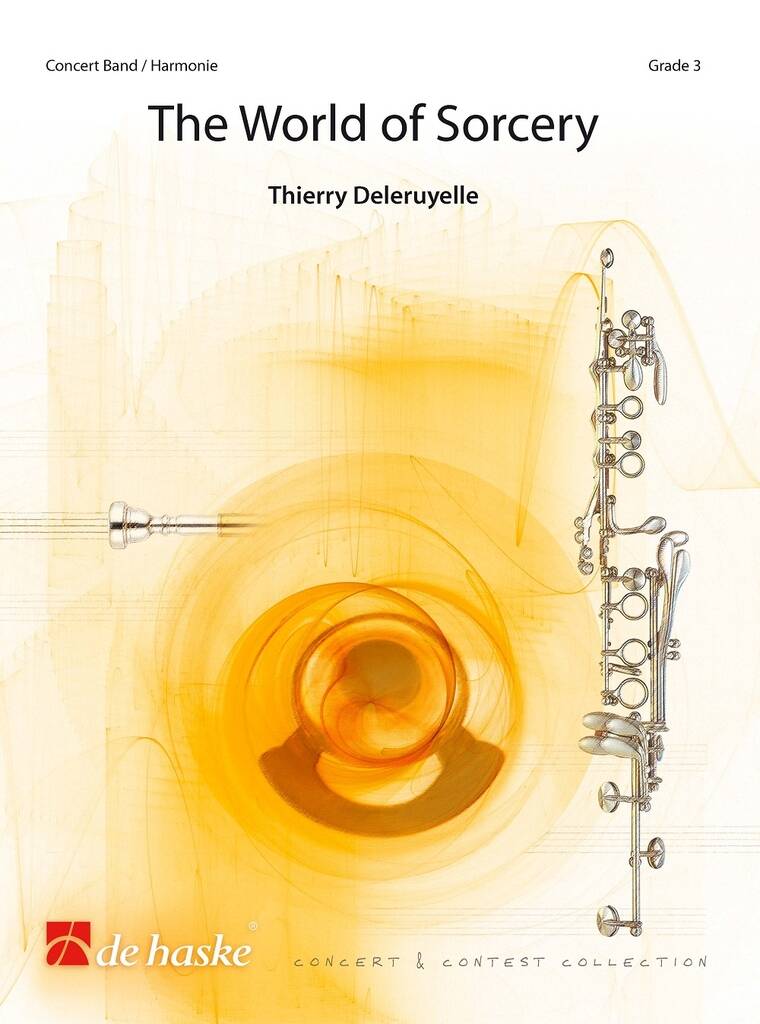
The World of Sorcery - Thierry Deleruyelle
The World of Sorcery plunges the listeners into a spellbinding universe where witchcraft and black magic combine harmoniously. Commissioned by Arts Vivants 52 and the wind bands of Bourbonne-les-Bains, Chalindrey and Fayl-Billot, the work is based on the skills and legends of the region, an area renowned for its wickerwork, particularly the three towns of the commissioning orchestras. The inhabitants of these towns knew how to use the benefits of water and wicker without giving in to the evil charms of the witches and sorcerers roaming the region.
Estimated dispatch 7-14 working days
-
 £53.50
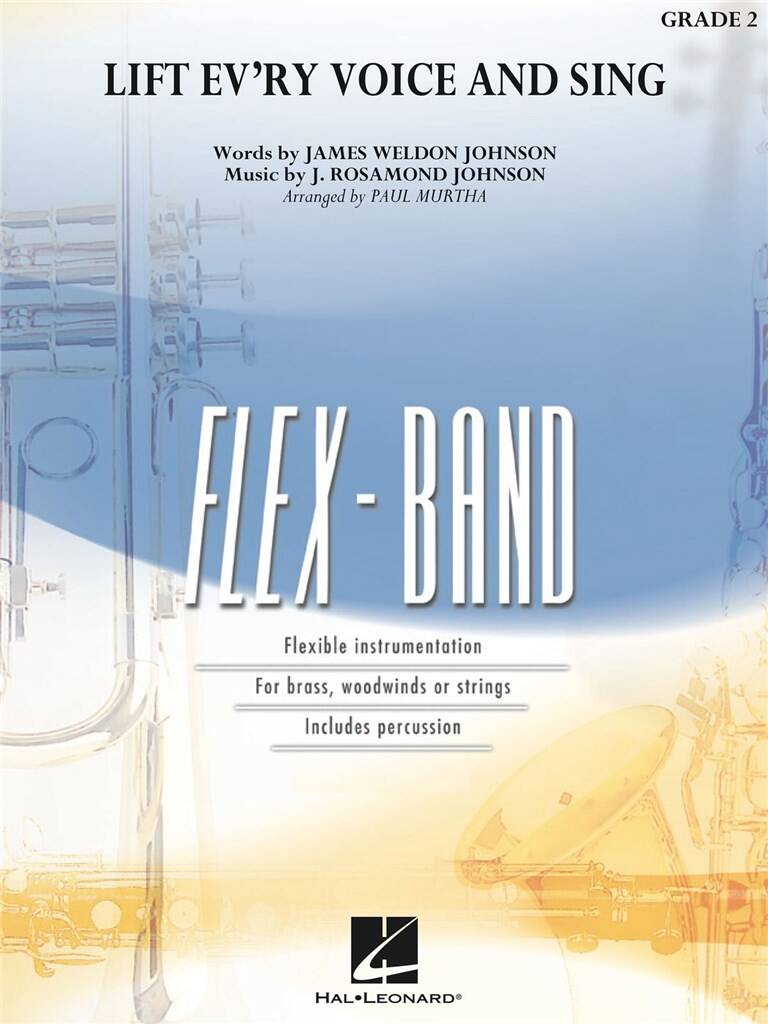
Lift Ev'ry Voice and Sing - J. Rosamond Johnson
James Weldon Johnson's 1900 poem was set to music by his brother in 1905, and has since become known as the Black National Anthem. With a theme of thanksgiving and affirmation, this is a stirring anthem for our times.
Estimated dispatch 7-14 working days
-
 £119.60
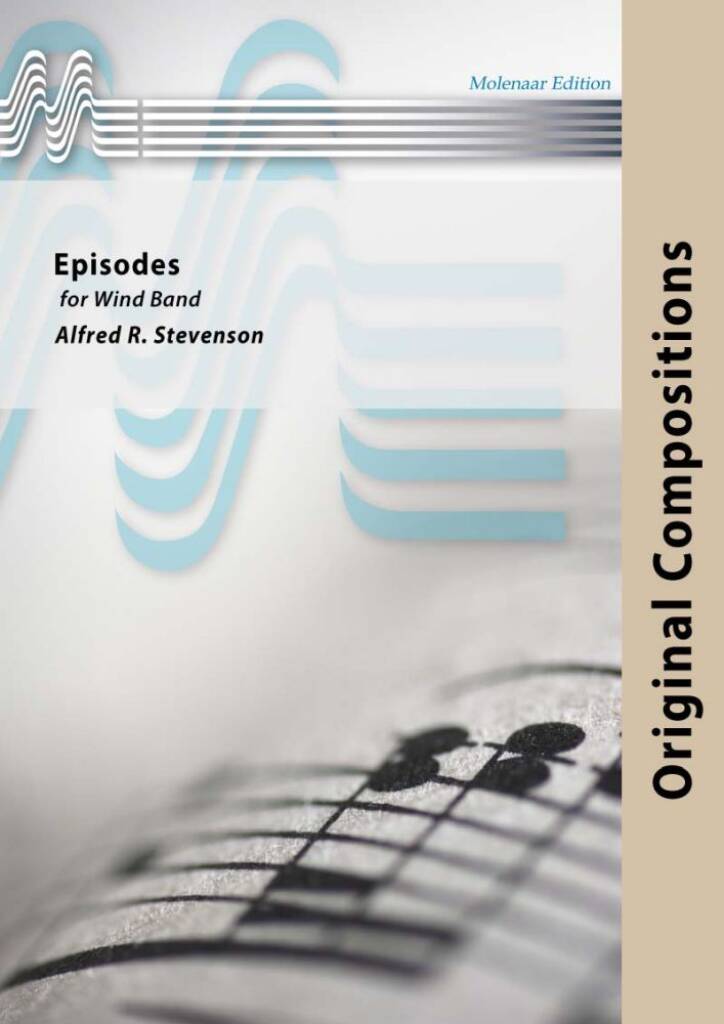
Episodes - Alfred R. Stevenson
"Falling Rocks" is reminiscent of the landslide in Dobratsch, Austria and the resulting despair of the population afterwards, musically represented by "A Folk Song". "Black Death, Bonaparte and the End of the Monarchy" refer to other dark moments in history. Far off trumpets play hints of the Marseillaise and the old Austrian Imperial anthem. A silent witness observes these events; the ruins of the castle Finkenstein.
Estimated dispatch 7-14 working days
-
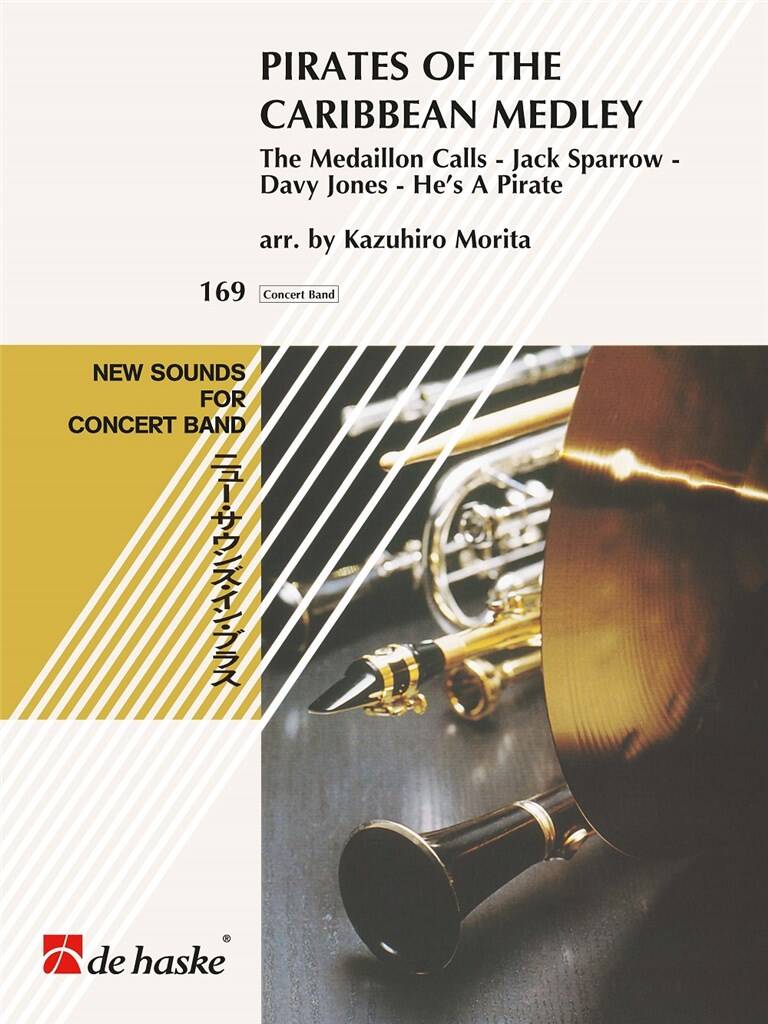 £104.99
Pirates of the Caribbean Medley 1 and 2
The Pirates of the Caribbean Medley is a fun medley featuring the most popular melodies from the first two Pirates of the Caribbean films. Songs include: The Medallion Calls and He's a Pirate from The Curse of the Black Pearl and Jack Sparrow and Davy Jones from Dead Man's Chest. Ideal for concert performance, take your audience on this exciting pirate adventure!
Estimated dispatch 7-14 working days
 View Music