
Results
-
 £60.99
Hudson River Run (Concert Band - Score and Parts) - Sweeney, Michael
Suggesting an exciting boat race on the majestic Hudson River, this energy-filled work features an underlying 8th note pulse and a dynamic percussion score. Even given the concise nature of the piece a variety of textures and styles are used, and the melodic elements are passed around to all sections of the band. As an added bonus, parts are included for beginning players allowing this to be used with a multi-level massed band.
Estimated dispatch 7-14 working days
-
 £64.99
Above and Beyond (Concert Band - Score and Parts) - Buckley, Robert
Written as a celebratory piece, Above and Beyond is a stirring overture that explodes with energy and enthusiasm - a tribute to the quest for the extraordinary and the desire to do more than is required. Built around three distinct themes which are organically developed, the work contains powerful and triumphant melodies, driving percussion, dynamic contrasts and a marvelous "cantabile." This exhilarating concert opener exemplifies joy and spirit.
Estimated dispatch 7-14 working days
-
 £118.99
Destino Re-Immaginare (Concert Band - Score and Parts) - Bocook, Jay
A Fantasy on Motifs of Giuseppe Verdi. The overture to Giuseppe Verdi's 1862 opera La Forza del Destino (The Power of Fate) has remained standard repertoire for orchestras around the world. In this imaginative work for winds, Jay Bocook pays homage to the mastery of Verdi and begins with the ominous 3-note fate theme from the overture. Throughout the piece melodies are recast and harmonies are embellished, culminating in an exhilarating conclusion where the final seven bars quote Verdi's original almost identically. A brilliant addition to the wind band repertoire. Duration: 5.45
Estimated dispatch 7-14 working days
-
 £38.50
Farandole (Concert Band - Score and Parts) - Dorion, Francois
Featuring snare drum and flutes at the start Farandole (traditional French dance) is sure to be a fun piece for your beginning students. The catchy melody is passed around to each section of the band, and cleverly scored with simple rhythms and very limited ranges. The First Concepts Series features simplified instrumentations, unison bass lines, optional advanced snare drum parts, and optional piano accompaniments.
Estimated dispatch 7-14 working days
-
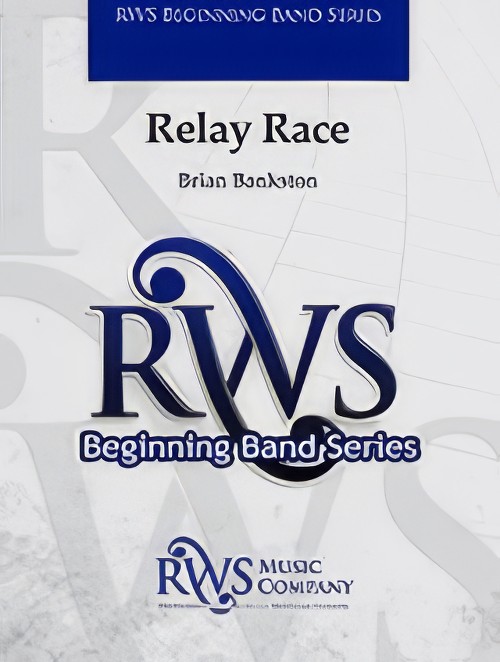 £50.00
Relay Race (Concert Band - Score and Parts) - Bankston, Brian
This is the ultimate tool for teaching balance within your sections. It will become a fast favorite as the students constantly pass pieces of the melody around like a baton in their musical relay race. Your beginners are going to beg you to rehearse this fun composition. Duration: 1.30
Estimated dispatch 7-14 working days
-
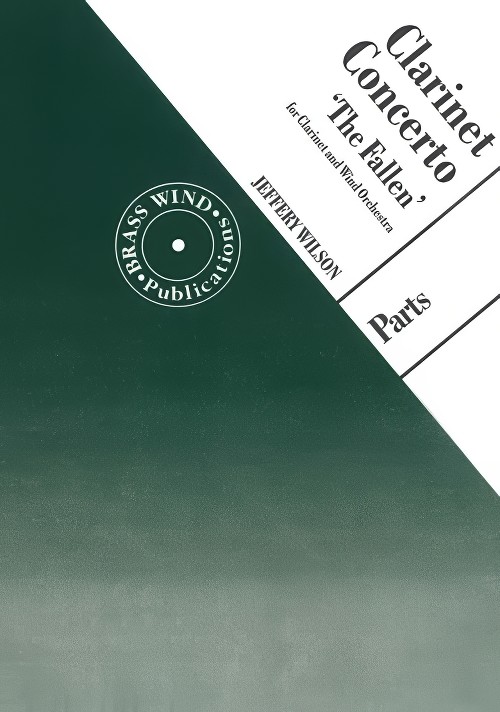 £80.00
Clarinet Concerto (The Fallen) (Clarinet Solo with Concert Band - Score and Parts) - Wilson, Jeffery
The three movements are 'Conflict', 'The Fallen' and 'Resolution', themes that are freely interpreted musically. In 'Conflict', the solo clarinet begins with an ascending figure based on octave leaps, while the accompaniment contrasts with marcato quavers and harsh dissonances. The melody features seventh intervals, and while the movement is marked 3/4 the accompaniment is often 6/8. This is more evident in the second theme where the clarinet line moves much more by step. The development takes these ideas and the cadenza comes from yet more conflict between the now calm clarinet and dissonant clashes in the accompaniment. 'The Fallen' is the slow movement and poignantly features notes from 'The Last Post' in the opening and a beautiful working of 'David of the White Rock' later on. The final movement 'Resolution' is a Rondo in 6/8, brighter but with hints of the initial conflict through the sevenths in the meno mosso sections which interrupt the flow. Another long cadenza takes short ideas from the piece before the work comes to a triumphant end with all four E notes across the whole range, echoing the beginning. Wilson set out to write a concerto for a versatile instrument and has found ways to exploit its capabilities while keeping tonal centre. There are frequent altissimo notes within all three movements. Wilson does use the very low notes, most notably in the cadenzas, but much of the work is high, presumably to allow the clarinet to carry over the wind band accompaniment. A good command of all notes right up to A sharp an octave above the stave is needed, plus technique to travel to and from altissimo notes (legato). The piece is around 25 minutes long. Printing is clear and the piano accompaniment comes as a spiral bound volume.
Estimated dispatch 7-14 working days
-
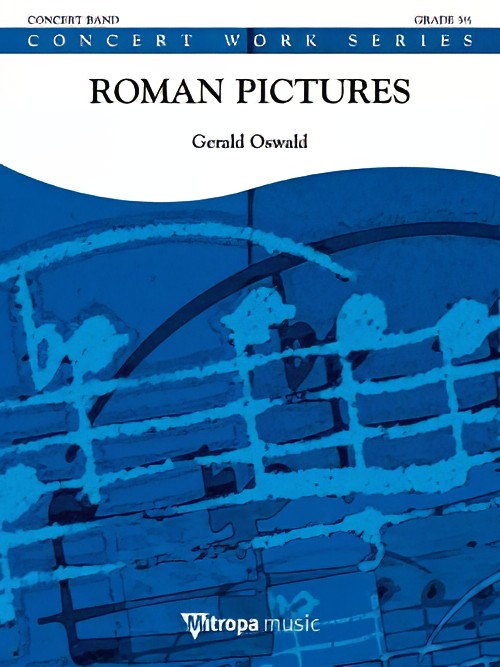 £137.99
Roman Pictures (Concert Band - Score and Parts) - Oswald, Gerald
This programmatic composition depicts the history and events around the former Roman city of Flavia Solva. It was situated in the southeast province Noricum, the current region of Southern Styria, Austria. In this work, the composer portrays the grandness of the city, the beauty of its surrounding landscape, the hustle and bustle of the market place, the dangers therein and eventually the destruction by the Germanic people in the 2nd century AD. Flavia Solva was rebuilt to become a flourishing city again, but in the 5th century, its decline became a permanent reality, a fate that it shared with other cities of the Roman empire. A captivating work about a fascinating place!Duration: 8.45
Estimated dispatch 7-14 working days
-
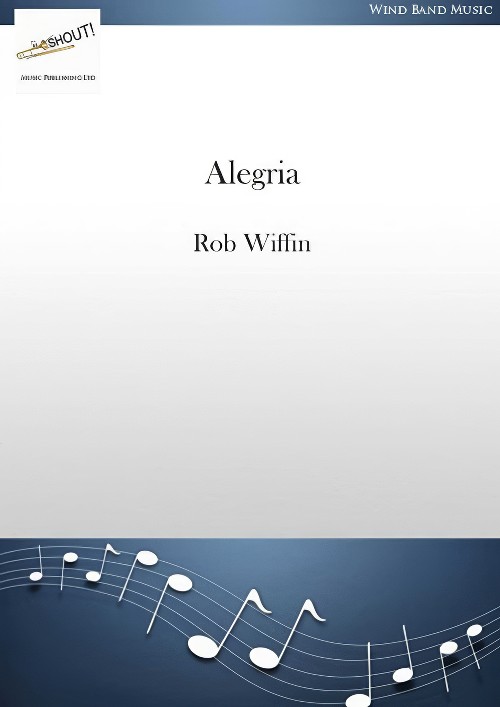 £44.95
Alegria (Concert Band - Score and Parts) - Wiffin, Rob
Alegria (Joy) is a vivacious four-minute concert opener full of energy and good humour. It begins with a fanfare-like statement from the brass while the woodwind weave decorative patterns around it. The following themes are occasionally a little quirky. Although there are occasional moments when a cloud obscures the sun the music is overwhelming optimistic in spirit and fun to play. Duration: 4.00
Estimated dispatch 7-14 working days
-
 £69.99
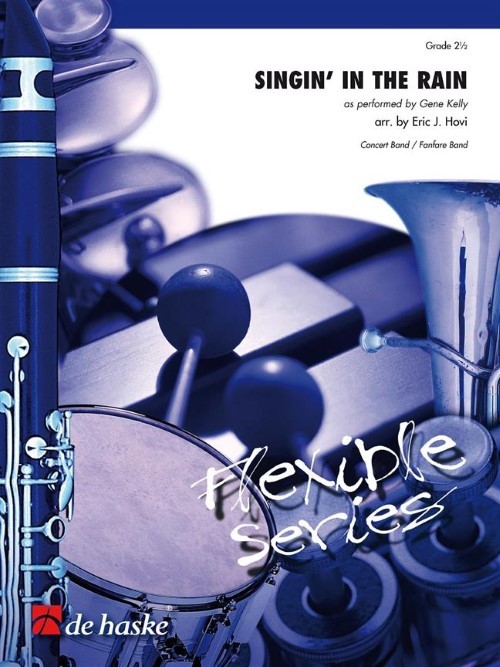
Singin' in the Rain (Flexible Ensemble - Score and Parts) - Hovi, Eric J.
Who isn't familiar with the famous scene where Gene Kelly dances and sings around a lamppost, splashing into puddles with an umbrella in his hand? The song he sings is just as iconic and has made its reputation as a song known by both young and old! This arrangement has been made accessible and easy to play for any band. Duration: 2.30
Estimated dispatch 7-14 working days
-
 £69.99
The Lion Sleeps Tonight (Flexible Ensemble - Score and Parts) - Jeanbourquin, Marc
The lion may be sleeping but this song isn't out for the count! Originally written in Zulu, the song was translated into English and is now known around the world by both young and old. Featured in the famous motion picture 'The Lion King', the tune has received worldwide recognition! This flex band arrangement allows any size of band to play this lovely song. Duration: 2.00
Estimated dispatch 7-14 working days
 View Music