
Results
-
 £104.99
Divertimento - Roger Boutry
Divertimento is an outstanding composition by Roger Boutry for Alto Saxophone and Wind Orchestra. This great work is really nice to play and will enlighten the audience. The Orchestracomposition required is: 2 Flutes, 2 Oboes, 2 Bassoons, 2 small Clarinets, Clarinet I, Clarinet II, 1 Bass Clarinet, 2 Alto Saxophones, 2 Tenor Saxophones, 1 Baritone Saxophone, 4 Horns, 4 Bb or C Trumpets, 4 Trombone or 3Trombone and an Euphonium, 1 Bb or C Bass, 1 Double Bass, 1 Harp, Timpani, Drum and a Celesta. It is divided into three parts: I. "Allegro ma non troppo", is strongly rhythmic and syncopated.Itincludes a Cadenza by the Solo Saxophone and is written as a tribute to Jazz music. II. "Andante", also includes a Cadenza by the Solo Saxophone but at the end of the section. It is reminiscent of slowerblues ballads. III. This part features few sections by the Solo Saxophone but is specially highlighted its ending, in a bright and fast finale. This volume features the score and parts for all theinstruments. Born in France in 1932, Roger Boutry received numerous prizes, including those for Piano, Composition and Conducting. He received the Grand Prix de Rome in 1954. His career was quite successful,alternating between Harmony professor, composer and conductor. He also received numerous prizes for his incredible compositions.
Estimated dispatch 7-14 working days
-
 £104.99
Sugar Blues - Clarence Williams
Imagine yourself in a smoky pub with all the joys that entails. A nice jazzy solo puts you in the mood. This Sugar blues dates from the thirties and is a classic in the jazz scene. A wonderful solo in this case, a saxophone, but also for other instruments such as clarinet, trumpet or trombone (there are different transpositions of the solo part included).
Estimated dispatch 7-14 working days
-
 £72.99
The Carnival of Venice (Fantasie and Variations) - Julius Benedict
Solo Feature for Flute, Trumpet, Trombone, Baritone B.C., Tuba B.C., or Xylophone One of the best-known solo vehicles ever written is now available for younger players in this skillfully crafted setting by Johnnie Vinson. Withseveral options for the featured instrument, this is a great way to showcase standout players year after year. (solo grade 4, band grade 3)
Estimated dispatch 7-14 working days
-
 £240.99
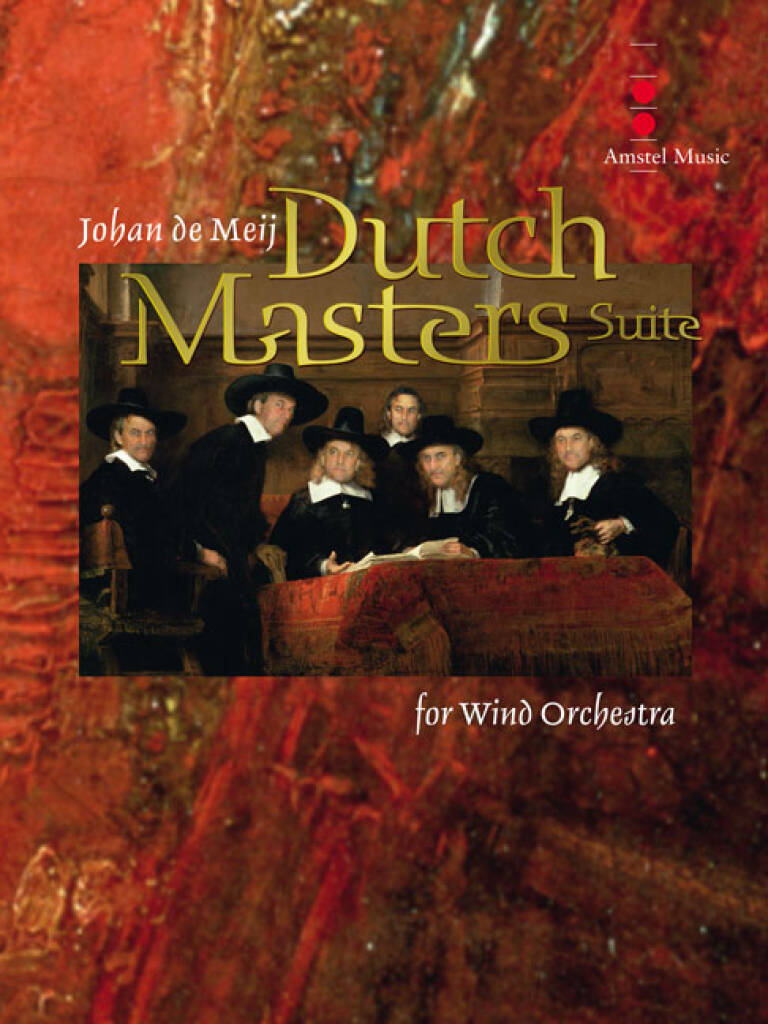
Dutch Masters Suite - Johan de Meij
For this exciting work Johan de Meij took his inspiration from Rembrandt's The Night Watch, Vermeer's Love Letter and Steen's Prinsjesdag. In the first movement the solo trombone keeps watch at night, whilst in the second movement lyrical lute music accompanies Vermeer's Love Letter. The third movement takes place in a tavern, where the drinking, singing and (increasingly inarticulate) music take place. An epilogue from the watchful trombone brings the piece to a peaceful end. This new work by Johan de Meij was the set-piece for 2nd division concert bands at the 16th WMC in Kerkrade 2009.
Estimated dispatch 7-14 working days
-
 £60.50
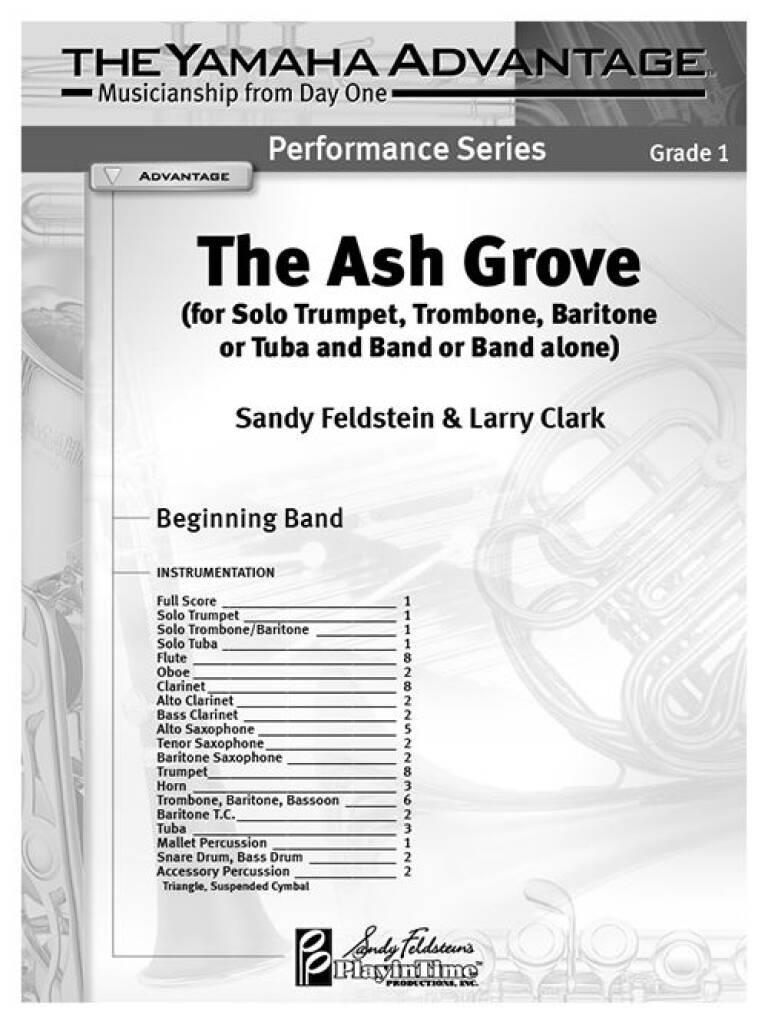
The Ash Grove - Sandy Feldstein
Designed to give your best Trumpet, Trombone, Euphonium, or Tuba player an opportunity to play a solo with Band accompaniment. It should serve as the culmination of study for the soloist upon completion of "The Yamaha Advantage" Book 1, or any comparable method. The piece has all of the solo material cued in the Band, so if a soloist is not available, the piece can be performed with Band alone.
Estimated dispatch 7-14 working days
-
 £109.99
The Duke's Finest - Duke Ellington
Duke Ellington (1889- 1974) was a very successful American pianist, conductor, composer and arranger. His orchestra existed for decades and was able to survive thanks to the enormous hits that he and his collaborators wrote. Many of those songs now belong to the standard repertoire of jazz musicians.Billy Strayhorn (1915-1967) was arranger and composer with the orchestra from 1939, and also wrote Take the A-Train, which became the band's favourite song from 1941. Many recordings were made of it. Juan Tizol (1900-1984, valve trombone) played with Duke Ellington almost his entire career and composed Latin songs for the orchestra. He is co-composer of Caravan and Perdido.Just likein the original Duke Ellington concerts, the medley begins with Take the A-Train, followed by a number of classics from the repertoire of the legendary orchestra. In some songs there are soloists, notable a solo on kettledrums in C- Jam Blues. This solo can also be improvised.When rehearsing a lot of attention has to be paid to the drum and bass, which together form the rhythm section and drive the orchestra on. The other sections have to be tight and create a coherent swing effect. The swing shouldn't be too stiff, and can vary per song. For example in "In a Sentimental Mood", the melody can be played almost straight (classically), while the rhythm section continues swinging.
Estimated dispatch 7-14 working days
-
 £309.99
Chapters of Life - Marco Pütz
Chapters of Life is a moving concerto that musically carries the positive message that even life's hardest knocks don't mean the end. In three movements: Wild Days, To Dana and Chapters of Life, the solo trombone and solo tuba enter into a dialogue and the alto flute is also given an opportunity to shine.News: Selected as a FINALIST in the 2012 ITEA Composition Contest (USA)
Estimated dispatch 7-14 working days
-
 £61.70
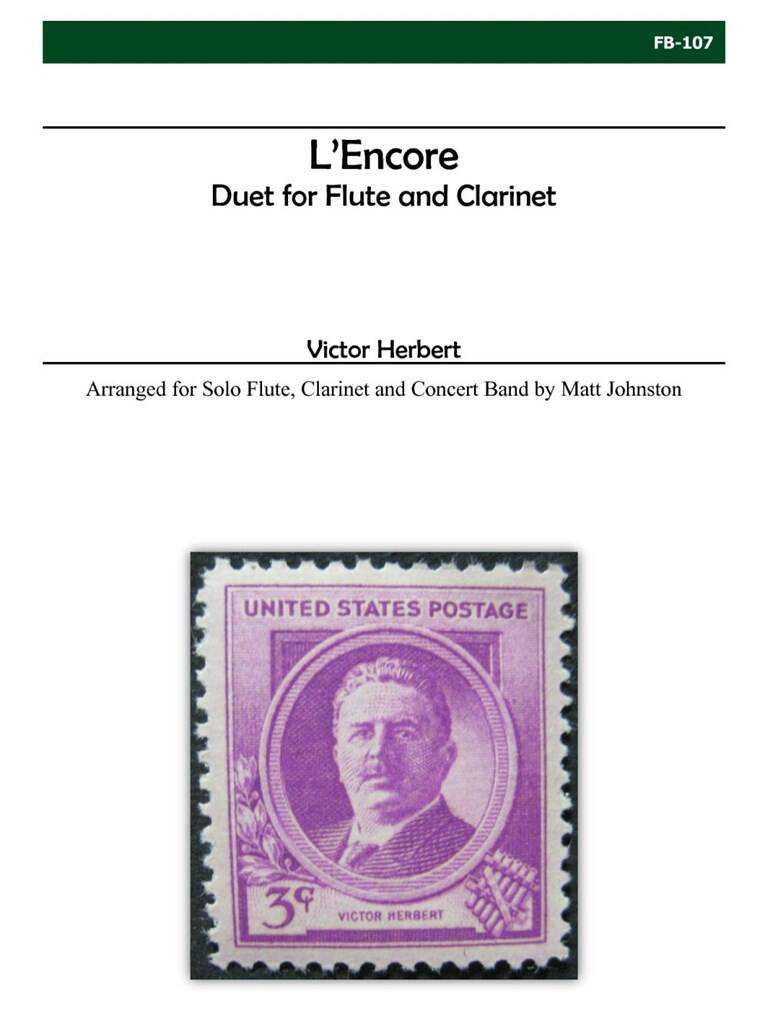
LEncore For Flute, Clarinet and Concert Band - Victor Herbert
Instrumentation: Solo Flute, Solo Clarinet, Flute, Oboe, Clarinet 1, Clarinet 2, Bass Clarinet, Alto Saxophone, Tenor Saxophone, Baritone Saxophone, Bassoons, Horn 1, Horn 2, Trumpet 1, Trumpet 2, Trombone, Euphonium, Tuba, Timpani, Triangle, Cymbal
Estimated dispatch 7-14 working days
-
 £96.40
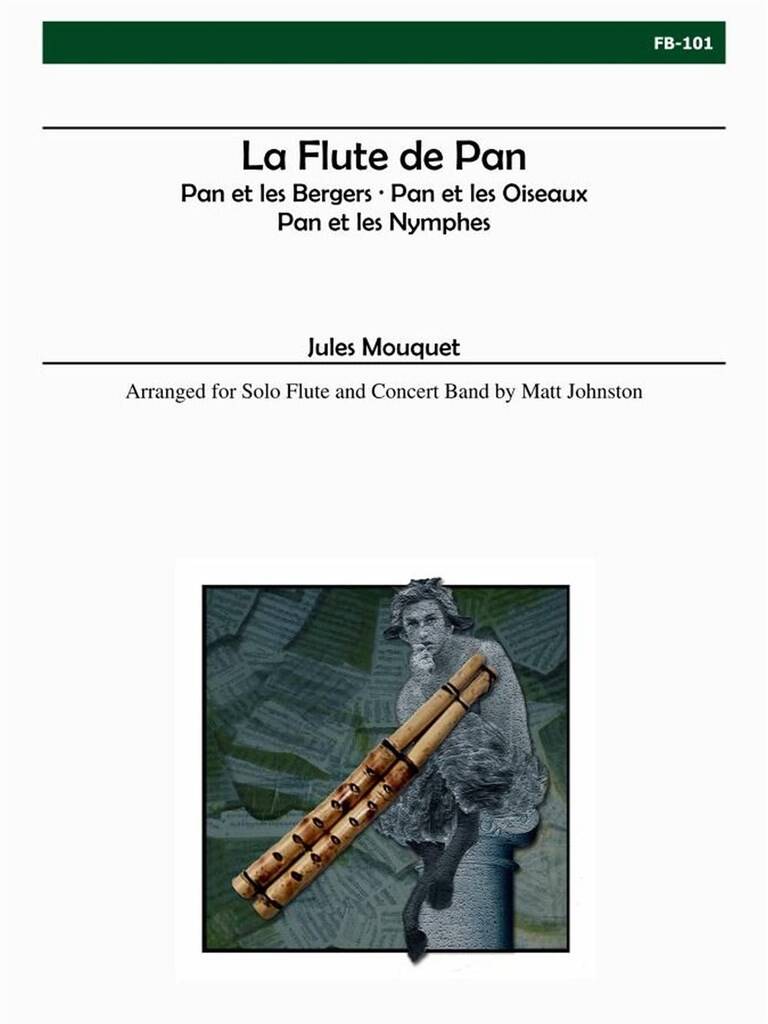
La Flute De Pan - Jules Mouquet
This arrangement features a colorful, yet light accompaniment to this delightful flute solo. A great piece to feature your first chair flute player. The first movement is appropriate for bands of all ages, while the latter two movements are a most likely appropriate for high school groups and up. Instrumentation: Solo Flute, Flute 1/2, Oboe, Bassoon, Clarinet 1/2, Bass Clarinet, Alto Saxophone 1/2, Tenor Saxophone, Baritone Saxophone, Trumpet 1/2, Horn 1/2, Trombone, Euphonium (BC and TC), Tuba, Snare Drum/Bass Drum, Triangle/Suspended Cymbal, Bells
Estimated dispatch 7-14 working days
-
 £110.99
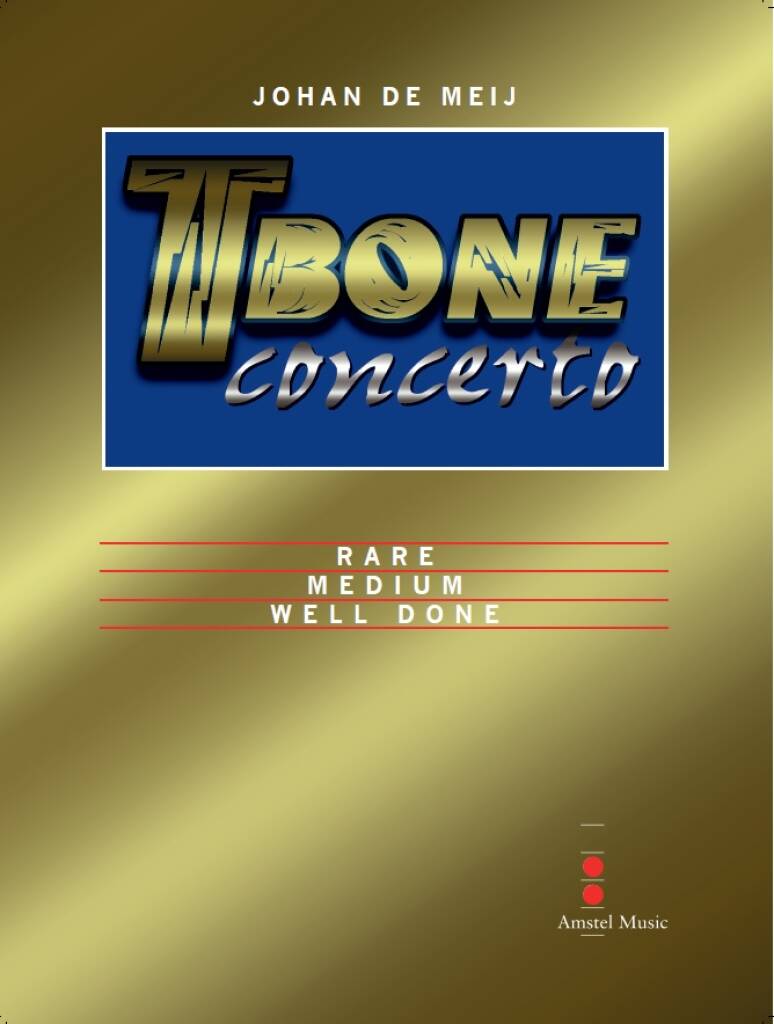
T-Bone Concerto, Part I - Rare - Johan de Meij
The T-Bone Concerto was Johan de Meij's first composition for solo instrument and symphonic band. It consists of three movements called respectively 'Rare', 'Medium' and 'Well Done'. In addition to the solo trombone, an important role has been allotted to a kind of chamber music ensemble within the band. This group introduces new thematic material and accompanies the soloist, thus creating a delightful transparant accompaniment. The ensemble consists of a double wind quintet (2 flutes, 2 oboes, 2 clarinets, 2 french horns and 2 bassoons) plus a cor anglais and a double bass. Part I is written in the A-B-A form and allow the soloist to display both the technical and the lyricalcharacteristics of the instrument.
Estimated dispatch 7-14 working days
 View Music