
Results
-
 £67.50
Wedding March - Felix Mendelssohn Bartholdy
Felix Mendelssohn Bartholdy (1809 - 1847) composed the music for William Shakespeare's play A Midsummer Night's Dream at two different times. In 1826, at the age of 16, he wrote a concert overture (Op. 21). Sixteen years later, in 1842, he composed the incidental music (opus 61) for King Frederick William IV of Prussia, in which he incorporated the existing overture. The overture premiered in Stettin (then in Prussia, now Szczecin, Poland) on February 20, 1827, conducted by Carl Loewe. Mendelssohn had to travel 80 miles through a raging snowstorm to get to the concert, which became his first public appearance. The interlude between the 4th and 5th acts of the incidental music is the famous Wedding March, Mendelssohn's most popular and most performed work.
Estimated dispatch 7-14 working days
-
 £152.99
A Midsummer Night's Dream - Felix Mendelssohn Bartholdy
Felix Mendelssohn Bartholdy (1809 - 1847) composed the music for William Shakespeare's play A Midsummer Night's Dream at two different times. In 1826, at the age of 16, he wrote a concert overture (Op. 21). Sixteen years later, in 1842, he composed the incidental music (opus 61) for King Frederick William IV of Prussia, in which he incorporated the existing overture. The overture premiered in Stettin (then in Prussia, now Szczecin, Poland) on February 20, 1827, conducted by Carl Loewe. Mendelssohn had to travel 80 miles through a raging snowstorm to get to the concert, which became his first public appearance. The first British performance of the overture was conducted by Mendelssohn himself on June 24, 1829, at the Argyll Rooms in London. After the concert, Thomas Attwood was given the score of the overture for safekeeping, but left it in a taxi and was never found. Mendelssohn later rewrote the overture entirely from memory.
Estimated dispatch 7-14 working days
-
 £139.99
Golden Peak - Thierry Deleruyelle
Golden Peak is a concert piece that takes us deep into the world of volcanoes of the Auvergne in central France. They are dormant volcanoes whose origins date back from 7,000 to over 65 million years ago. Among the most well-known are the 80 volcanoes of the Chane des Puys, a spectacular natural environment ranking among the most fascinating landscapes in the world. The title of this dynamic and rhythmic piece is a reference to the local spa town of Mont-Dore and calls upon all sections of the orchestra. The central theme is very mellow yet riveting and the music depicts both the dynamism and tranquillity of the region.
Estimated dispatch 7-14 working days
-
 £95.95
And Grace Will Lead Me Home - Andrew Poor
As with many of the compositions of Andrew Poor, the melody is beautiful with gorgeous harmonies. It is a medium tempo with the quarter note set at 80 beats per minute. It will be loved by your audience. The 1st trumpet's highest note is G. Only the 1st clarinet crosses the break.
Estimated dispatch 7-14 working days
-
 £68.80
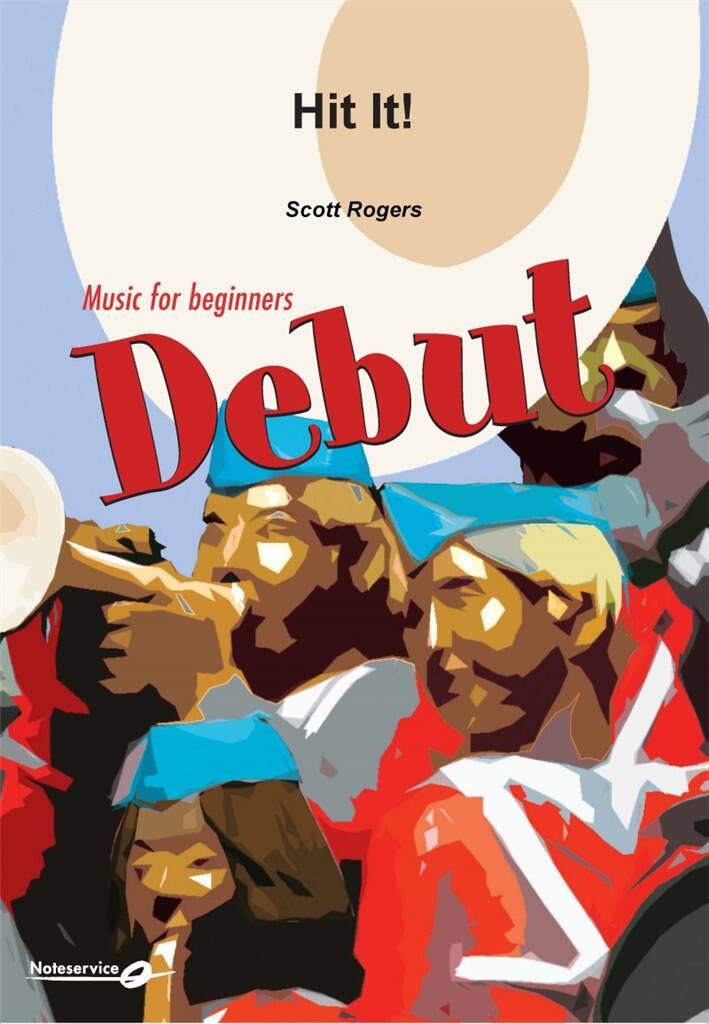
Hit It! - Scott Rogers
Hit It! Using a minimum of rhythmic and melodic material, Hit It! creates a dynamic interplay between the winds and the percussion. The tune is also a little tribute to the popular TV themes of composer Mike Post from the 70's and 80's
Estimated dispatch 7-14 working days
-
 £104.99
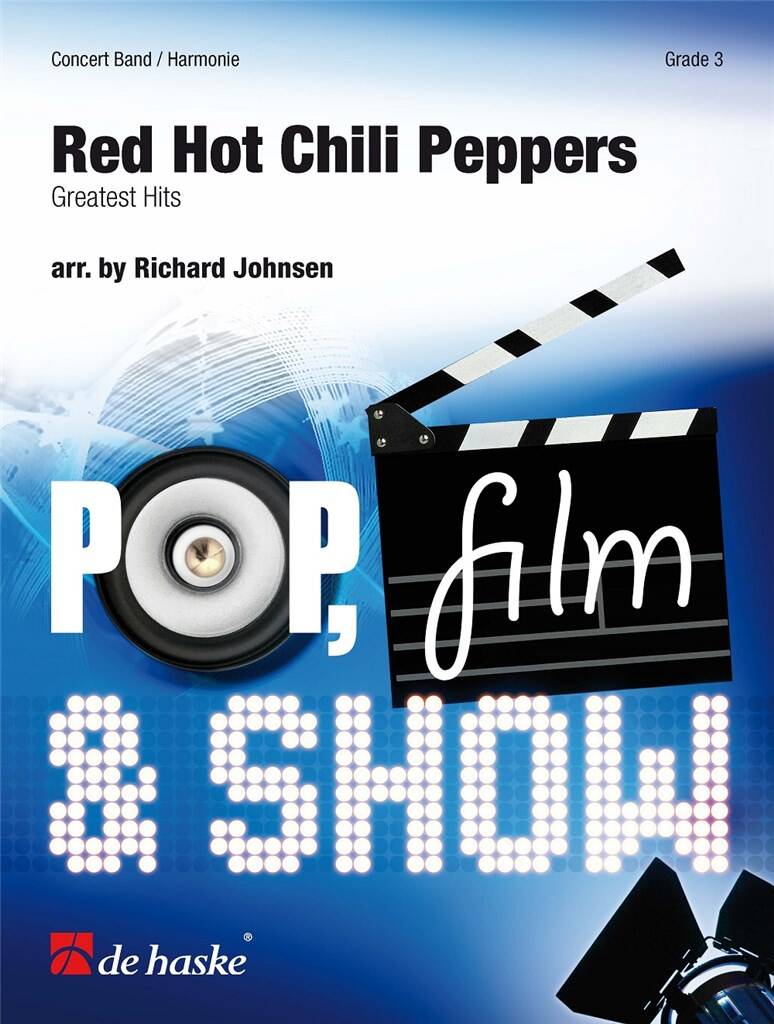
Red Hot Chili Peppers
The iconic American rock band 'Red Hot Chili Peppers' were founded in the early 80's, and are to this day one of a few bands with such a long and impressive record of musical achievement. Richard Johnsen made a perfectly playable arrangement, withoutcutting out any stylistic qualities of the originals. The medley consists of the songs Californication, Under the Bridge and Snow (Hey Oh). Rock your audience!
Estimated dispatch 7-14 working days
-
 £84.99
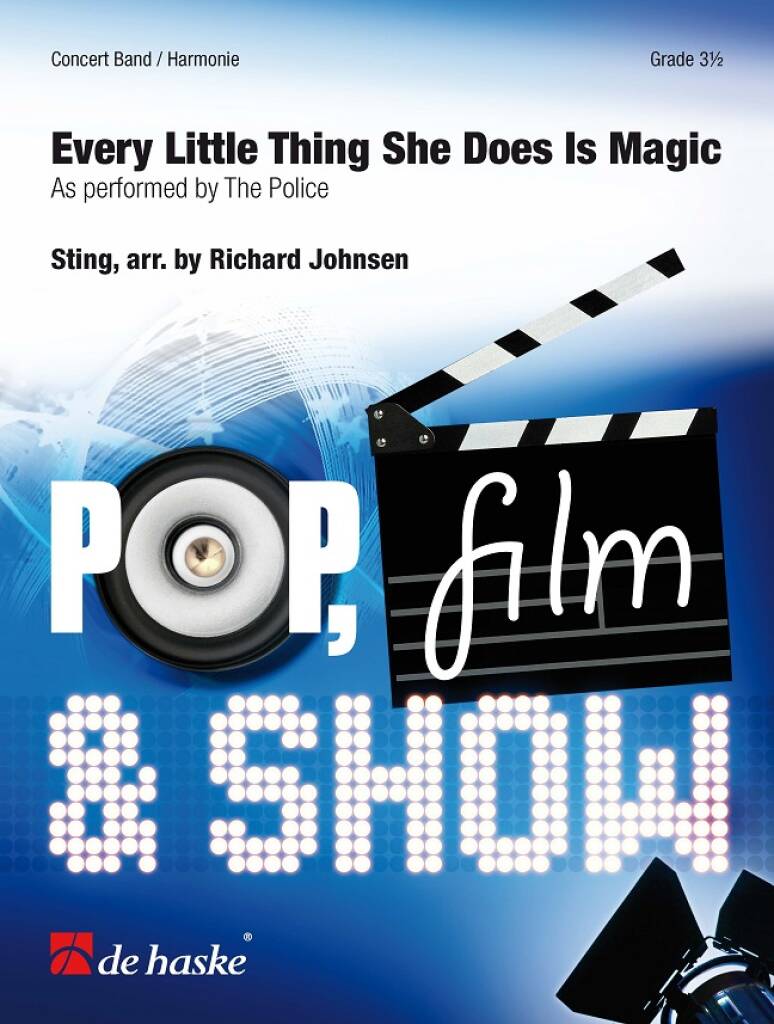
Every Little Thing She Does Is Magic - Sting
The Police was one of the most prominent bands during the 80's, dominating the charts with numerous hits. The Norwegian Richard Johnsen has been around the block as an arranger in the pop and jazz band genre and is well known for making colourful orchestrations and arrangements that stay very close to the original song. Enjoy one of the biggest hits from The Police - Every Little Thing She Does Is Magic!
Estimated dispatch 7-14 working days
-
 £108.50
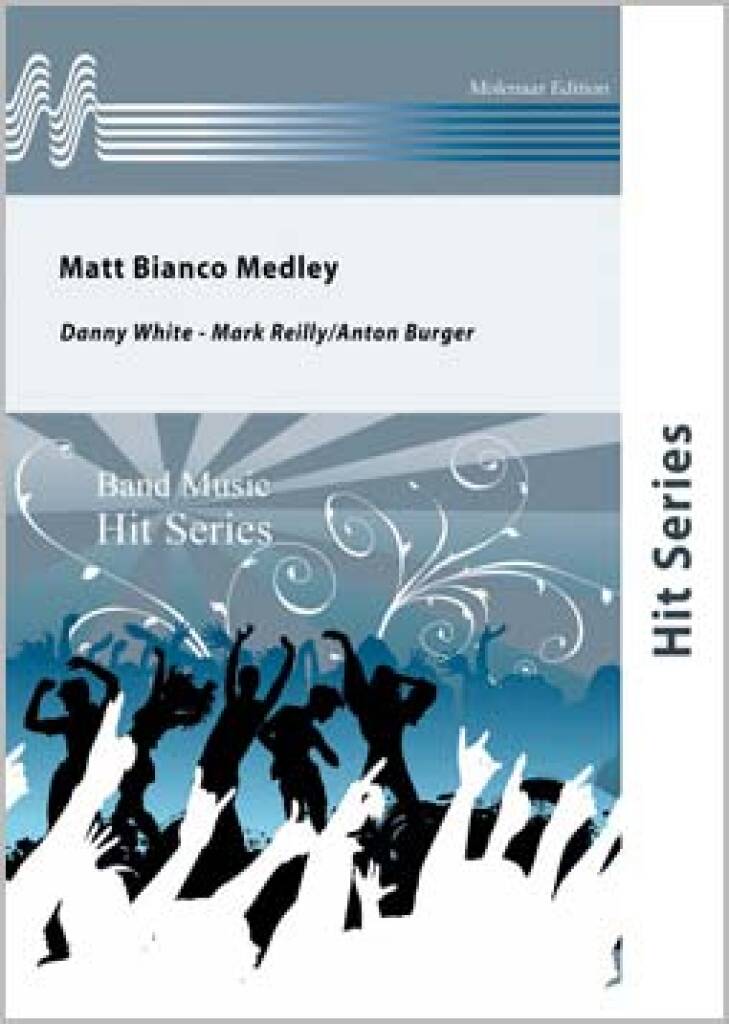
Matt Bianco Medley - Mark Reilly
Do you remember this one? In the 80's the British pop group Matt Bianco had a number of big hits, three of which have been incorporated into this medley. After an easy More Than I Can Bear, we go to the samba groove of Half A Minute, swinging out with Get Out Of Your Lazy Bed.
Estimated dispatch 7-14 working days
-
 £115.60
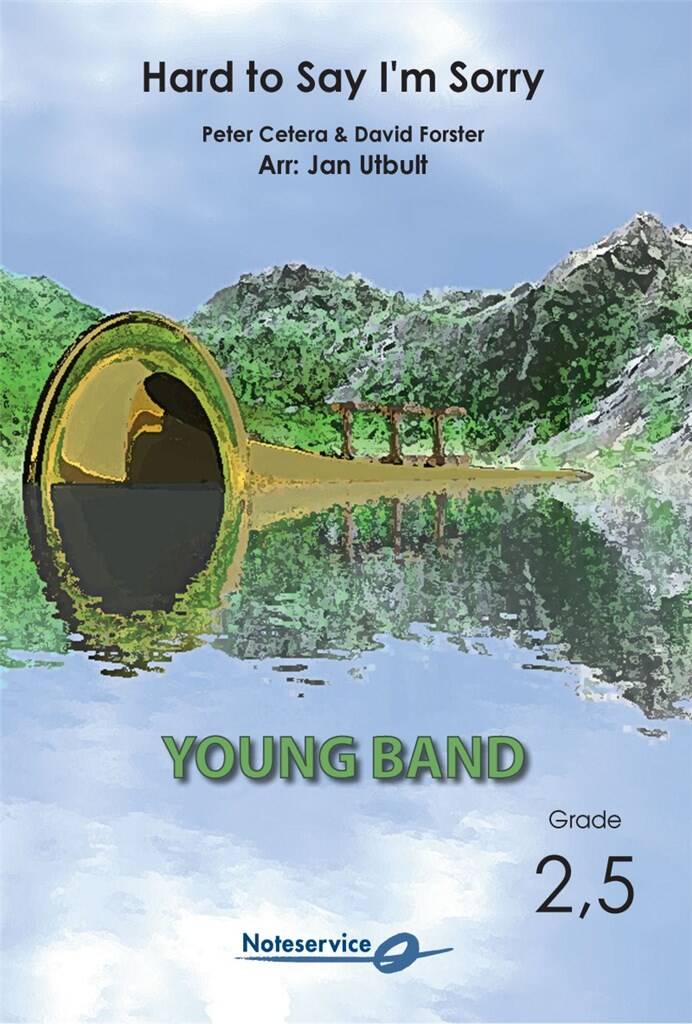
Hard to Say I'm Sorry - Peter Cetera
"Hard to Say I'm Sorry" is one of the greatest hits by US rock band Chicago. It was the first single record from the "Chicago 16"-album (1982). The song went to no. 1 on the Billboard charts and stayed there for two weeks. Produced by David Foster, the song was given a typical early 80's sound with synthesizers and heavy guitars dominating the sound. The album-version of the song included a part two of the song, "Get Away", a up-tempo song featuring the famous horn-section of the band.
Estimated dispatch 7-14 working days
-
 £149.40
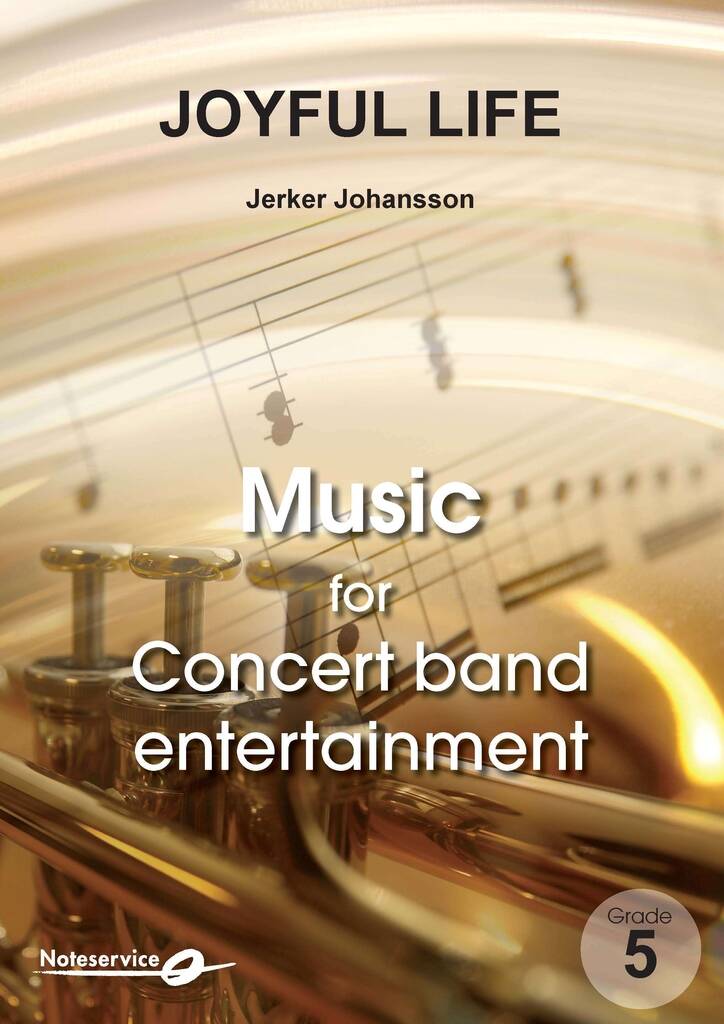
Joyful Life - Jerker Johansson
When Jerker Johansson in the 80's started to compose he was for a while obsessed with writing music in odd time signatures, more specifically 7/8. He was asked during the fall of 2020 by Leif Karlsson (former member of the legendary percussion ensemble Kroumata and nowadays conductor) to write something challenging for Uppsala Blsarsymfoniker and this resulted in Joyful Life. The piece is, to say the least, difficult to tap the pulse along to and is something of a baptism of fire for the musicians, regarding rhythmic precision. Joyful Life is dedicated to the always likeable Leif Karlsson (Joyful Leif!) and was premiered on the 15th November 2020 by The Swedish Air Force Band under the baton of the composer.
Estimated dispatch 7-14 working days
 View Music