
Results
-
 £89.99
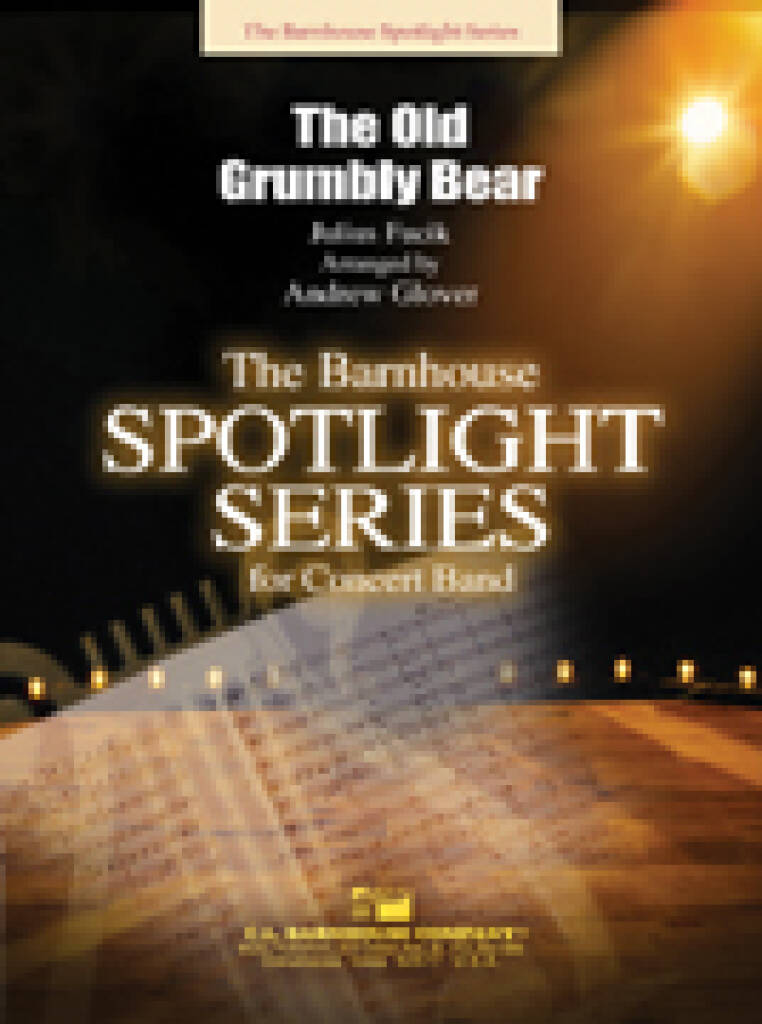
The Old Grumbly Bear
For solo bassoon, bass clarinet, baritone saxophone, euphonium, or tuba with band accompaniment.From the Barnhouse "Spotlight" series. This delightful novelty solo includes parts for solo bassoon, bass clarinet, baritone saxophone, euphonium BC and TC, and Tuba. An ideal solo to showcase your star performer's musical abilities in a humorous and fun way. The accompaniment is not difficult, and requires a minimum of rehearsal. An excellent choice for adding variety to your concert in featuring a soloist on a non-typical solo instrument. Great fun!!
Estimated dispatch 7-14 working days
-
 £76.99
Bach to the Beat! - Johann Sebastian Bach
What if famous Baroque composer Johann Sebastian Bach was born in the 20th Century or beyond? You might probably never hear J. S. Bach the same way again. Bach to the Beat! is an upbeat arrangement comprised of a selection of eight well-known tunes by J. S. Bach, all carefully constructed and put together in just over three and a half minutes - with apologies to Bach. This "Ba-rock"-styled work will definitely be a great addition to any band concert program!
Estimated dispatch 7-14 working days
-
 £89.99
Hit The Road Jack - Percy Mayfield
Juri Briat made an arrangement of this well known composition in an original way. 'Hit the Road Jack' is a song for old and young.
Estimated dispatch 7-14 working days
-
 £140.50
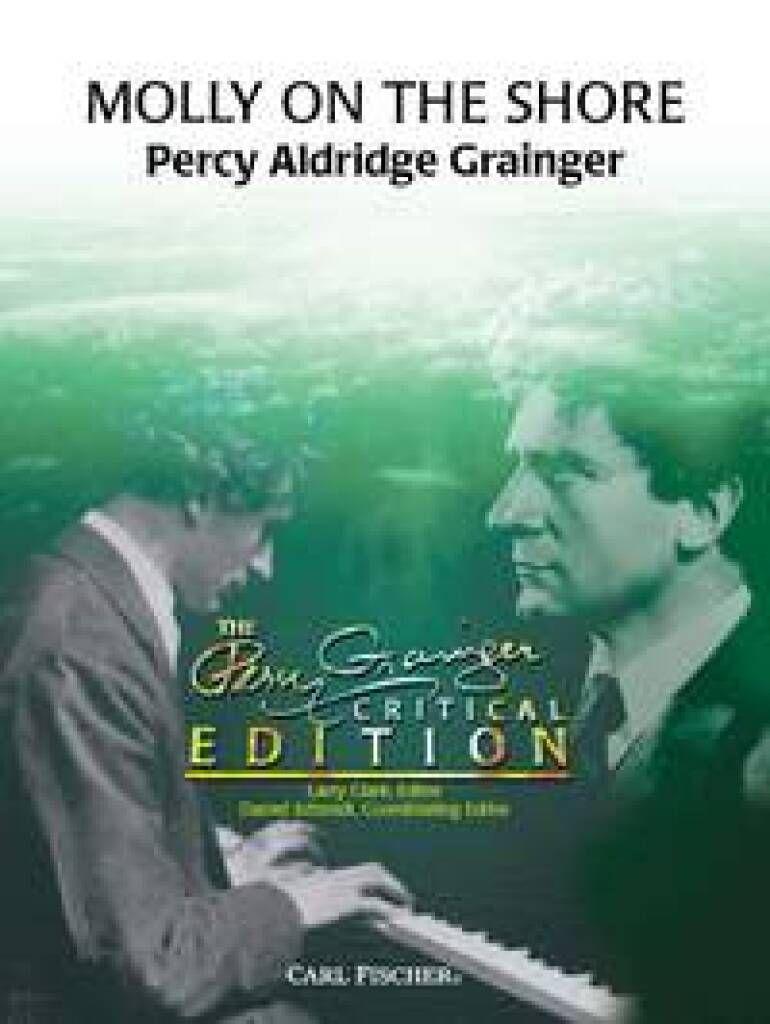
Molly On The Shore - Percy Aldridge Grainger
No. 23 offerainger's British Folk Music settings, Molly on the Shore is a rollicking treatment of a popular Irish Reel. It scampers and bounces its way through a succession of sonorous climaxes, accumulating an amazing collection of memorable counter themes as it goes along, before subsiding in a delicately scored coda that ends with a characteristic Grainger bang. An acclaimed classic, we are proud to offer this engraved and corrected edition of Molly on the Shore with a complete full score. Duration: 4' Key: Ab Ranges: Solo Cornet - C, Cornet - G, Horn - Ab, Trombone - Ab
Estimated dispatch 7-14 working days
-
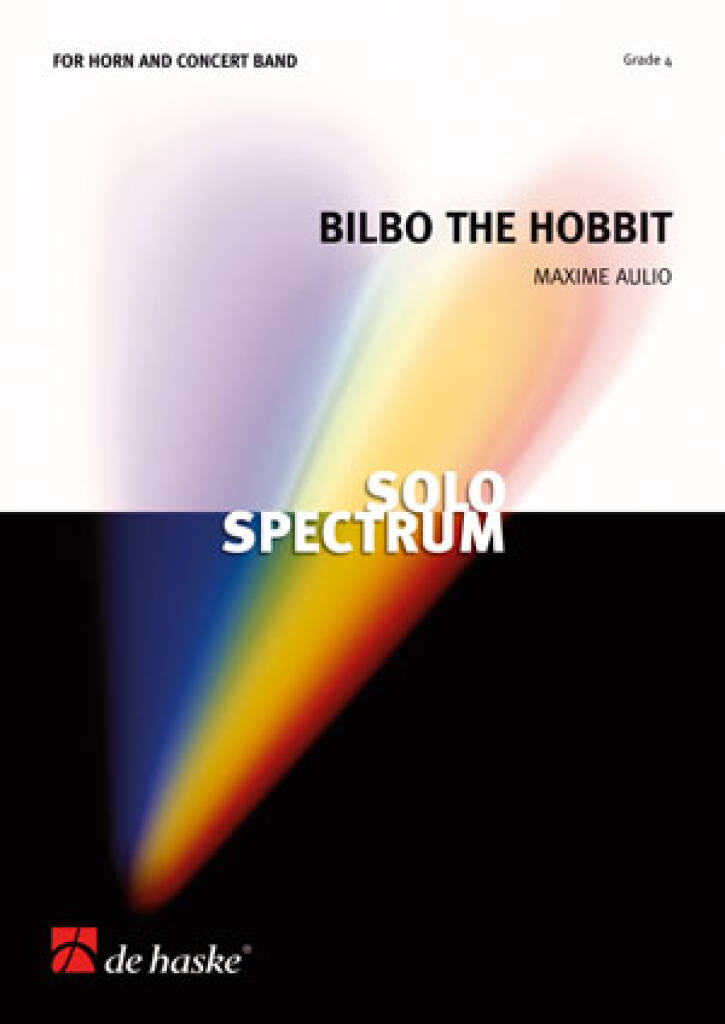 £137.99
Bilbo the Hobbit - Maxime Aulio
Originally written by the great English writer J.R.R. Tolkien (1892-1973), The Lord of the Rings has encountered new-found popularity recently with the release of three ?huge-hit? motion pictures. With Bilbo the Hobbit we enter the lands of Middle-earth during the Third Age, some decades before The Lord of the Rings trilogy. Fascinated by the works of the masters of film music, Maxime Aulio structured this work in their way. When the end credits roll, Maxime?s music displays all the basic characters and passages of the novel. From the landscapes of the Shire to Middle-earth, the Great Dragons to Gandalf the Wizard, Bilbo Baggins tells us his story through light and virtuosoarabesques in the solo part. Bilbo the Hobbit is a wonderful addition to the french horn repertoire and one to be a sure-fire hit with horn players everywhere.
Estimated dispatch 7-14 working days
-
 £76.99
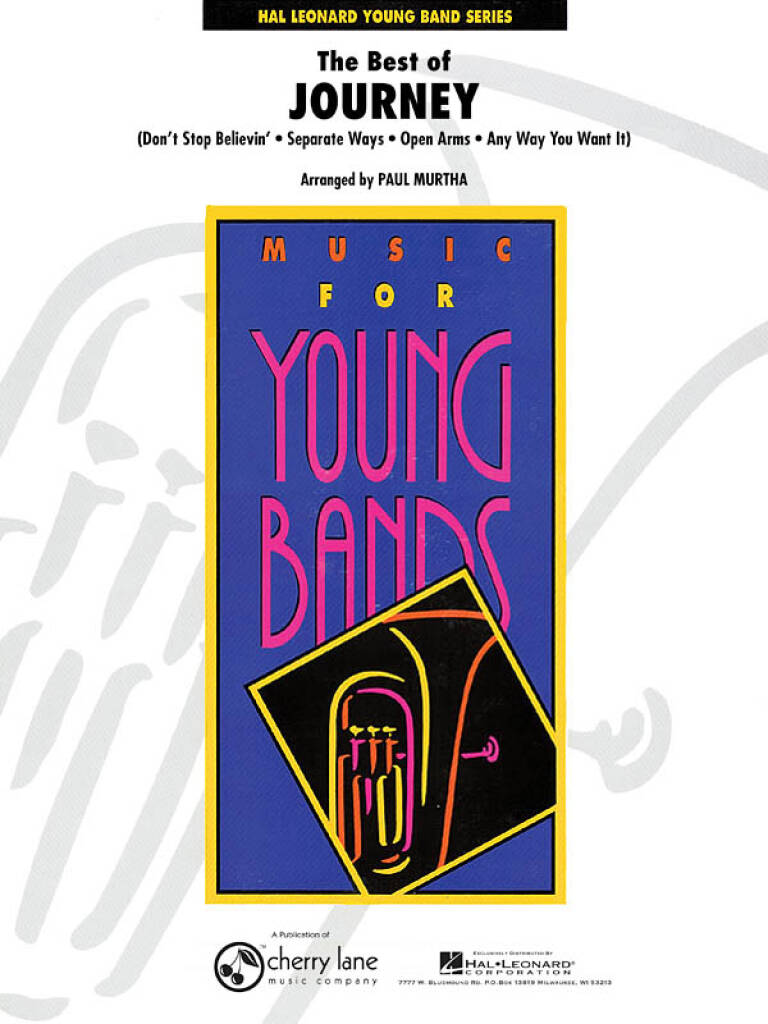
The Best of Journey
In the early '80s, the group Journey (featuring the distinctive vocal style of Steve Perry) was a vital part of the music scene. Now, thanks to continued airplay, video games, and the hit TV series Glee, they are back on topagain. Featuring Don't Stop Believin', Separate Ways (Worlds Apart), Open Arms and Any Way You Want It, this medley is sure to be a hit with all audiences.
Estimated dispatch 7-14 working days
-
 £53.50
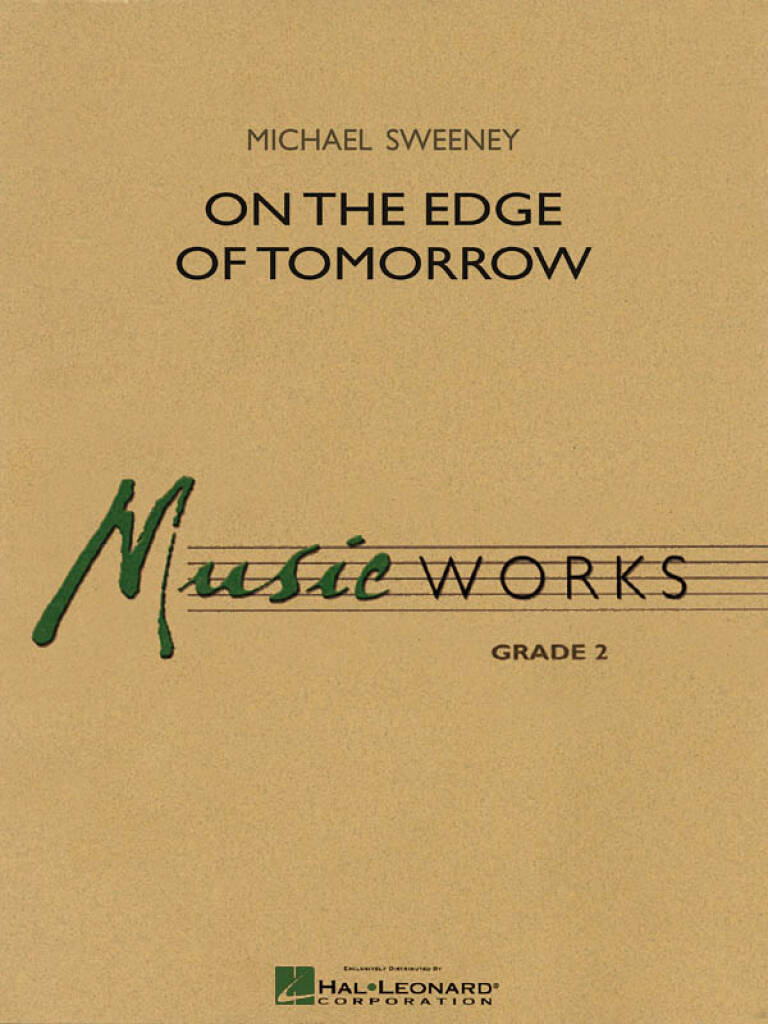
On the Edge of Tomorrow - Michael Sweeney
Written for a middle school band in Cedar Rapids, Iowa, the composer states that although commissioned prior to the catastrophic flood of 2008 that affected so many people including students and teachers, the work took on newmeaning as a way to cope with disaster and have faith in a better tomorrow. Displaying a range of emotions from anger to reflection to hope, this is a magnificently powerful overture for young players. Dur: 4:45 (Grade 2)
Estimated dispatch 7-14 working days
-
 £137.99
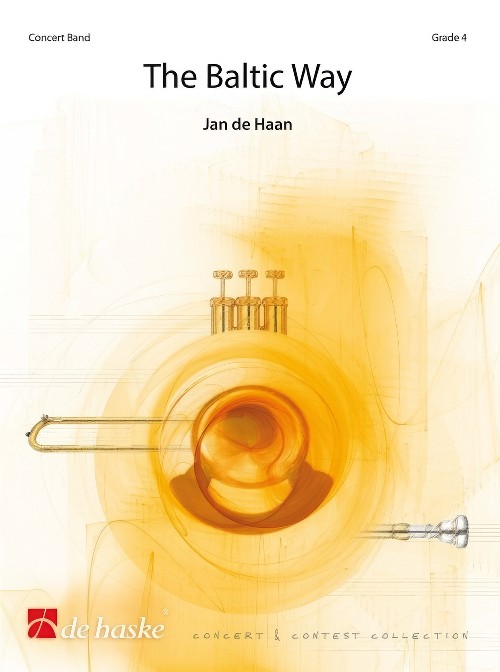
The Baltic Way (Concert Band - Score and Parts) - De Haan, Jan
In 1989, the demonstration named the Baltic Way, also known as the Baltic Chain, was held in the Baltic states of Estonia, Latvia and Lithuania by its citizens in a call for independence from the Soviet Union. On 23rd August 1989, some two million participants formed a human chain, hand-in-hand all the way from the Estonian capital of Tallinn its Latvian counterpart, Riga, through to the Lithuanian capital of Vilnius - six hundred kilometres long. It became the longest human chain ever created and turned out to be the final push needed for much sought-after independence. This historic event became the source of inspiration for this composition. The introduction of the first movement, 'Struggle for Independence', is based on a nocturne for piano by the renowned Lithuanian composer and painter Mikalojus Konstantinas Ciurlionis (1875-1911), thematic material from which has been incorporated throughout the whole composition. The melancholic beginning is followed by a powerful theme which reflects the resolve of the Baltic people. The sudden aggressive, dissonant chords and a dominant and, in rhythmic terms, contrary bass drum announce that the resistance is not going smoothly. Just for a moment, we hear the anthem of the Soviet Union in the lower brass, but this is relentlessly pushed to the background by the rest of the band playing the Lithuanian national anthem, 'Tautiska giesm?' (Lithuania, our homeland). The second movement, 'Decades of Suffering', echoes life under the Soviet Union's thumb. In the pursuit of independence, a peaceful protest is planned in which a human chain is formed across the Baltic states of Estonia, Latvia and Lithuania. This 'Chain of Freedom' is depicted in the final movement of the work. Duration: 10.30
Estimated dispatch 7-14 working days
-
 £37.95
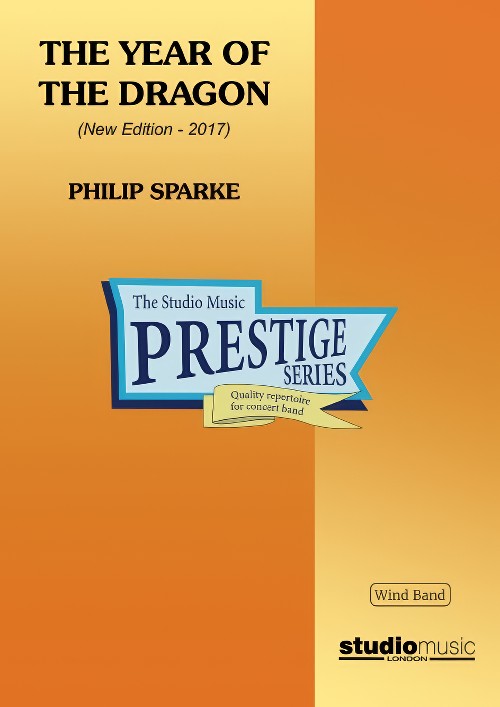
The Year of the Dragon (Prestige Concert Band - Score only) - Sparke, Philip
The 2017 version of The Year of the Dragon was commissioned by the Siena Wind Orchestra and given its world premiere on June 17th 2017 in Bunkyo Civic Hall, Tokyo, conducted by the composer.The original wind band arrangement of The Year of the Dragon was made in 1985, a year after the composer wrote the brass band version. At that time he was still learning the intricacies of writing for wind band (and still is!) and in the 32 years which have elapsed since then, his approach to scoring for the medium has developed and, hopefully, improved.Here are the main differences between the two versions:In the 1980's, the wind band movement was much less international than it is now. British wind bands were still to some extent based on the military band tradition of the time, which tended to use rather smaller instrumentation than the then-dominant American university model. The new version embraces a much more international instrumentation, including low woodwinds and string bass, as well as an expanded percussion section.In the original version there was a touch of naivety in the way the composer wrote for the woodwinds; much of their articulation was transferred too literally from the brass version, resulting in some unidiomatic writing, which he has tried to improve in the new version.In addition to the above, Philip's own compositional style has matured and developed in the intervening 32 years. There are some passages in the original which he simply would not write today - not because they are 'wrong', but because his way of writing has changed. The new version is perhaps how he would have written it today, rather than simply dressing the original version in new clothes.The work is in three movements:Toccata opens with an arresting side drum figure and snatches of themes from various sections of the band, which try to develop until a broad and powerful theme from the middle of the band asserts itself. A central dance-like section soon gives way to the return of this theme, which subsides until faint echoes of the opening material fade to a close.Interlude takes the form of a sad and languid solo for alto saxophone. A chorale for the whole band introduces a brief spell of optimism but the saxophone solo returns to close the movement quietly.Finale is a real tour-de-force for the band with a stream of rapid semi-quavers running throughout the movement. The main theme is heroic and march-like but this is interspersed with lighter, more playful episodes. A distant fanfare to the sound of bells is introduced and this eventually returns to bring the work to a stirring close.
Estimated dispatch 7-14 working days
-
£199.95
The Year of the Dragon (Prestige Concert Band - Score and Parts) - Sparke, Philip
The 2017 version of The Year of the Dragon was commissioned by the Siena Wind Orchestra and given its world premiere on June 17th 2017 in Bunkyo Civic Hall, Tokyo, conducted by the composer.The original wind band arrangement of The Year of the Dragon was made in 1985, a year after the composer wrote the brass band version. At that time he was still learning the intricacies of writing for wind band (and still is!) and in the 32 years which have elapsed since then, his approach to scoring for the medium has developed and, hopefully, improved.Here are the main differences between the two versions:In the 1980's, the wind band movement was much less international than it is now. British wind bands were still to some extent based on the military band tradition of the time, which tended to use rather smaller instrumentation than the then-dominant American university model. The new version embraces a much more international instrumentation, including low woodwinds and string bass, as well as an expanded percussion section.In the original version there was a touch of naivety in the way the composer wrote for the woodwinds; much of their articulation was transferred too literally from the brass version, resulting in some unidiomatic writing, which he has tried to improve in the new version.In addition to the above, Philip's own compositional style has matured and developed in the intervening 32 years. There are some passages in the original which he simply would not write today - not because they are 'wrong', but because his way of writing has changed. The new version is perhaps how he would have written it today, rather than simply dressing the original version in new clothes.The work is in three movements:Toccata opens with an arresting side drum figure and snatches of themes from various sections of the band, which try to develop until a broad and powerful theme from the middle of the band asserts itself. A central dance-like section soon gives way to the return of this theme, which subsides until faint echoes of the opening material fade to a close.Interlude takes the form of a sad and languid solo for alto saxophone. A chorale for the whole band introduces a brief spell of optimism but the saxophone solo returns to close the movement quietly.Finale is a real tour-de-force for the band with a stream of rapid semi-quavers running throughout the movement. The main theme is heroic and march-like but this is interspersed with lighter, more playful episodes. A distant fanfare to the sound of bells is introduced and this eventually returns to bring the work to a stirring close.
Estimated dispatch 7-14 working days
 View Music