
Results
-
 £149.99
St. Martin's Suite (Concert Band - Score and Parts) - Van der Roost, Jan
This suite was composed by Jan Van der Roost on the occasion of the 110th anniversary of the 'Koninklijke Sint Martinusfanfare' (Royal Saint Martinus Fanfare Band) from Halle (Belgium). The composer was required to create a suite in three movements based on three images associated with the 'Sint Martinusfanfare' from the small town of Halle in the province of Brabant. The first movement (Andante Pomposo) describes Martin, a soldier in the Roman army. In Andante Moderato we see the image of Martin, who become a Christian and chooses to devote his life to God. In this movement, the composer was inspired by the Brabantine gothic art of the Sint Martinus Basilica in Halle. The contrast between the dark Basilica and the statue of Our Lady between the soaring pillars will vividly come to life for audiences of this descriptive piece. The final movement, Allegro Molto Vivace', could have been an image for a frivolous peasant in the Halle carnival. In a triptych about St. Martin it is more fitting to refer to it as an apotheosis, the crown on the pastoral work of Martin, Bishop of Tours, Patron Saint of the Fanfare Band and the Basilica of Halle.Duration: 13:30
Estimated dispatch 7-14 working days
-
 £44.95
Trocadero March (Concert Band - Score and Parts) - Brand, Michael
More than a hint of the circus here! The motif in the horns and trombones suggests an element of slapstick and certainly the piece should not be taken too seriously. The trio is a contrast - Elgarian in flavour, using the dark lower register of the clarinets.
Estimated dispatch 7-14 working days
-
£8.95
Trocadero March (Concert Band - Score Only) - Brand, Michael
More than a hint of the circus here! The motif in the horns and trombones suggests an element of slapstick and certainly the piece should not be taken too seriously. The trio is a contrast - Elgarian in flavour, using the dark lower register of the clarinets.
Estimated dispatch 7-14 working days
-
 £59.95
Variations VIII & IX (From Enigma) (Concert Band - Score and Parts) - Elgar, Edward - Brand, Geoffrey
Elgar's Variations for orchestra were written during 1898-9; they are dedicated "To my friends pictured within" Each of the 14 variations is a musical portrait to one of the composer's friends. Over the 17 bar theme which inspired the Variations, Elgar wrote the word ENIGMA. Later he said, "The ENIGMA I will not explain - its "dark saying" must be left unguessed" In Variation VIII W.N. is Winifred Norbury. In 1897 local friends organised a choral and orchestral society for Elgar to conduct. The secretaryship of The Worcester Philharmonic, as the society was called, was shared by two ladies, of whom W.N.. was one She has been described as "very sedate and calm, rather like a kind governess with Elgar, but had a sense of humour - and a laugh, rather like a deep bell". Variation IX Nimrod is Elgar's deeply felt tribute toA.J.Jaeger, his German-born friend who worked for the publisher Novello and Co. His sincere support meant a great deal to Elgar. Jaeger, in German, means "hunter". Elgar concealed this in the nickname Nimrod. The variation has become extremely popular and is often played on thoughtful occasions. In this arrangement, either W.N. or Nimrod can be played alone. However, in the Variations they are linked by Elgar in an inspired manner.
Estimated dispatch 7-14 working days
-
£11.95
Variations VIII & IX (From Enigma) (Concert Band - Score Only) - Elgar, Edward - Brand, Geoffrey
Elgar's Variations for orchestra were written during 1898-9; they are dedicated "To my friends pictured within" Each of the 14 variations is a musical portrait to one of the composer's friends. Over the 17 bar theme which inspired the Variations, Elgar wrote the word ENIGMA. Later he said, "The ENIGMA I will not explain - its "dark saying" must be left unguessed" In Variation VIII W.N. is Winifred Norbury. In 1897 local friends organised a choral and orchestral society for Elgar to conduct. The secretaryship of The Worcester Philharmonic, as the society was called, was shared by two ladies, of whom W.N.. was one She has been described as "very sedate and calm, rather like a kind governess with Elgar, but had a sense of humour - and a laugh, rather like a deep bell". Variation IX Nimrod is Elgar's deeply felt tribute toA.J.Jaeger, his German-born friend who worked for the publisher Novello and Co. His sincere support meant a great deal to Elgar. Jaeger, in German, means "hunter". Elgar concealed this in the nickname Nimrod. The variation has become extremely popular and is often played on thoughtful occasions. In this arrangement, either W.N. or Nimrod can be played alone. However, in the Variations they are linked by Elgar in an inspired manner.
Estimated dispatch 7-14 working days
-
 £42.00
12 The Clock Strikes - Grice, Rob
Have you ever wondered what happens late at night when the clock strikes 12? You just might get the answer from this humorous musical work by Rob Grice! It's dark and scary, and it's very fun to play! Perfect for the first concert of the year!
Estimated dispatch 7-14 working days
-
 £57.50
Ant-Man, Theme from (Concert Band - Score and Parts) - Beck, Christophe - Brown, Michael
From the 2015 blockbuster Marvel's Ant-Man, Christophe Beck's main theme is delightfully dark and ominous. This skilfully arranged version for the concert stage brings all the drama of the original to life.
Estimated dispatch 7-14 working days
-
 £214.95
CANE RIVER MURALS (Prestige Concert Band - Score and Parts) - Ellerby, Martin
This work is based on the African House Murals by Clementine Hunter which are housed and preserved on the Melrose Plantation. The idea of the Cane River binds the five separate movements together in a celebration of dance and colour but also encompasses the dark and spiritual truth that shrouds these murals. Includes: Spring Planting (Spiritual); Wash Day (Scherzo); Baptism, Wedding and Funeral (Triptych); Honky Tonk (Blues); Pecan Harvest (Celebration).Duration: 16:00Recorded on Polyphonic QPRM160D Bells Across the Atlantic
Estimated dispatch 7-14 working days
-
£49.95
CANE RIVER MURALS (Prestige Concert Band - Score only) - Ellerby, Martin
This work is based on the African House Murals by Clementine Hunter which are housed and preserved on the Melrose Plantation. The idea of the Cane River binds the five separate movements together in a celebration of dance and colour but also encompasses the dark and spiritual truth that shrouds these murals. Includes: Spring Planting (Spiritual); Wash Day (Scherzo); Baptism, Wedding and Funeral (Triptych); Honky Tonk (Blues); Pecan Harvest (Celebration).Duration: 16:00Recorded on Polyphonic QPRM160D Bells Across the Atlantic
Estimated dispatch 7-14 working days
-
 £90.95
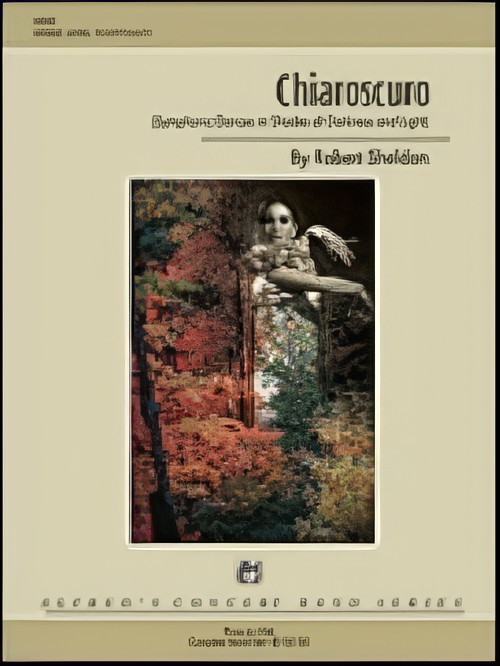
CHIAROSCURO: Symphonic Dances in Shade of Darkness and Light (Concert Band) - Sheldon, Robert
Chiaroscuro is comprised of four interconnected dance-like movements that portray various dance gestures. The first movement is dark and menacing; the second depicts a dreamy forest scene; the third movement has a jazz and Latin influence; the final movement is comprised of a joyous tarantella that increases in tempo until its tumultuous ending.
Estimated dispatch 7-14 working days
 View Music