
Results
-
 £164.95
Time Lines (Concert Band - Score and Parts) - Turnbull, Kit
The time line is a western musicological device that allows us to define many of the rhythms used in sub-Saharan music. It is essentially a 12-beat pattern that can be subdivided as 6x2, 2x6, 4x3, or 3x4, which generates many of the polyrhythms that are common in African music. Time Lines is a single continuous work made up of four contrasting sections which are based on various aspects of African dance and choral music. The slow introduction introduces many of the rhythms that the piece is based on and is followed by a fast section which quotes a South African hymn. Abasundu Nabamhlope (the first line of which translates as 'Black and whites, let them give thanks together'. The chorale section which follows makes use of phrases from the hymn Nkosi Sikelel' iAfrika (Lord Bless Africa) which was written in 1897 and has since been adopted as the national anthem of several countries in southern Africa. The final allegro section sees the drawing together of the various dance and choral elements used in the piece with the percussion section playing rhythmic patterns generated by the time line.Duration: 13:30Recorded on QPRM151D TIME LINES: Great British Music for Wind Band Vol.12 (Royal Northern College of Music)
Estimated dispatch 7-14 working days
-
 £84.99
Yakolo (Concert Band - Score and Parts) - Oswald, Gerald
Yakolo is originally a dance song from Africa. It reflects the people of Africa's zest for life, following the maxim Come and join us!. In this work, the call and response principle is featured as a trademark element of traditional African music. The rhythmic melodies invite listeners to sing and dance along and thus give shape to the African art of celebrating together. The repeating themes will be sure to put a smile on everyone's face!Duration: 3.30
Estimated dispatch 7-14 working days
-
 £57.50
Distant Thunder of the Sacred Forest (Concert Band - Score and Parts) - Sweeney, Michael
This amazing work opens with the sounds of distant villages as their drumming echoes through the African rain forests (or school gymnasium). As the players return to their "normal" seats in the band, the various elements of this composition gradually come together in a joyous unified celebration. Thoroughly researched to include authentic African patterns, Michael Sweeney has created a stunningly effective work that is playable by young ensembles. Includes performance and program notes on how to make your own percussion instruments and involve other departments in your school. Not just a piece of music...this is an event!Duration: 4:45
Estimated dispatch 7-14 working days
-
 £53.50
Songs of Africa (Concert Band - Score and Parts) - Vinson, Johnnie
Drawing on the rich African musical tradition, here is a collection of three captivating themes in a miniature suite format. Included is Jikel' Emaweni, a South African Folk song in a moderate tempo, the up tempo Zulu folk song Jabula Jesu, and moving national anthem of South Africa N'kosi Sikelel' I Afrika. The percussion writing is exotic sounding but can be played using traditional instruments as well. A marvellous introduction to the sounds of Africa for young players.
Estimated dispatch 7-14 working days
-
 £30.00
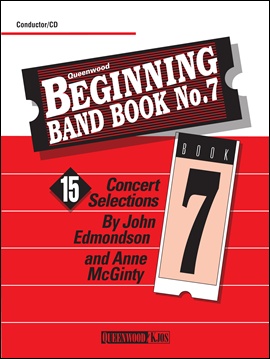
BEGINNING BAND BOOK No.7 (Score inc. CD) - Edmondson & McGinty
An affordable collection of concert repertoire for beginning bands; great sight reading material for more advanced bands! Features include: Grade 1 concert band music; Playable with only 1 flute, 2 clarinets, 1 alto saxophone, 2 cornets/trumpets and percussion, up to full instrumentation; Full, complete sound, even without bass clef instruments. The bass clef part in octaves is optional; Both clarinet parts stay below the break; Optional F Horn and Tenor Saxophone parts are written in their best ranges; Bell part for teaching melodic percussion. Contents: African Folk Trilogy; African Folk Trilogy #2; Chippewa Lullaby; The Golden Eagle March; Hymn and Hosanna; Join the Crowd; Kings, Kings, Kings; The Lost City; March of Freedom; Mystery of the Maya; Name Those Carols; Quicksilver Overture; Take Me Out to the Ball Game; Wellington Overture; Wolseys Wilde.
Estimated dispatch 7-14 working days
-
 £47.52
Christmas Africana
Based on a traditional Kenyan Christmas carol, "Christmas Africana" lends a joyous and exotic change of pace to your concert. The use of African and traditional percussion instruments gives the piece its African flavor. With authentic, but easy rhythms, there are great opportunities for involving additional students in your percussion section. Energetic melodies and call-and-response patterns provide great tools for teaching blend and balance to the entire band. A really exciting and unique piece for your Christmas concert!
Estimated dispatch 7-14 working days
-
 £119.95
SCHERZO Op.68 (Novello Symphonic Band) - Bush, Alan
Score & Parts. The fundamental expression of this Scherzo is one of joyful energy. In form, it is a developed rondo, comprising three statements of the main theme (or rather of the main group of themes) and two episodes, together with an introduction, bridge passages and a coda. In each of the three statements of the main group of themes one particular theme appears at the climax, and from it the melodic and rhythmic motifs of the work are all derived. This basic theme is an African melody that has been sung since 1852 by people of African descent in Guiana, South America, in celebration of the abolition of slavery there in that year. Duration: 10 mins.
Estimated dispatch 7-14 working days
-
£23.95
SCHERZO Op.68 (Novello Symphonic Band) Extra Score - Bush, Alan
Extra Score only. The fundamental expression of this Scherzo is one of joyful energy. In form, it is a developed rondo, comprising three statements of the main theme (or rather of the main group of themes) and two episodes, together with an introduction, bridge passages and a coda. In each of the three statements of the main group of themes one particular theme appears at the climax, and from it the melodic and rhythmic motifs of the work are all derived. This basic theme is an African melody that has been sung since 1852 by people of African descent in Guiana, South America, in celebration of the abolition of slavery there in that year. Duration: 10 mins.
Estimated dispatch 7-14 working days
-
 £53.50
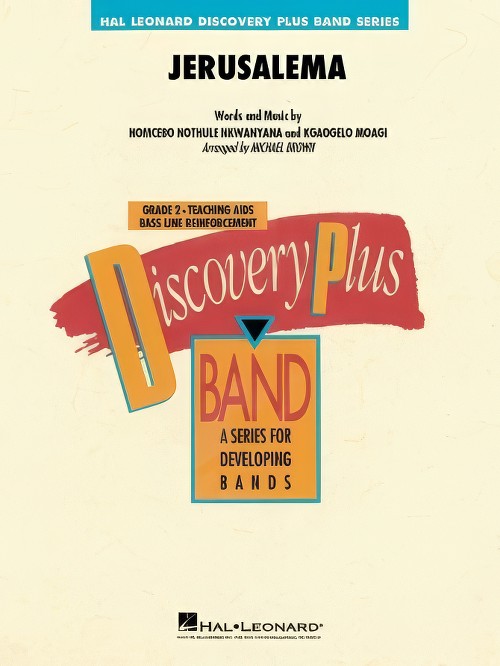
Jerusalema (Concert Band - Score and Parts) - Moagi & Zikode - Brown, Michael
Recorded by South African DJ and record producer Master KG and featuring Nomcebo Zikode this song has become an internet sensation along with the many dance challenges from around the globe. The uplifting melody and infectious rhythmic groove help make this one immediately appealing.
Estimated dispatch 7-14 working days
-
 £50.00
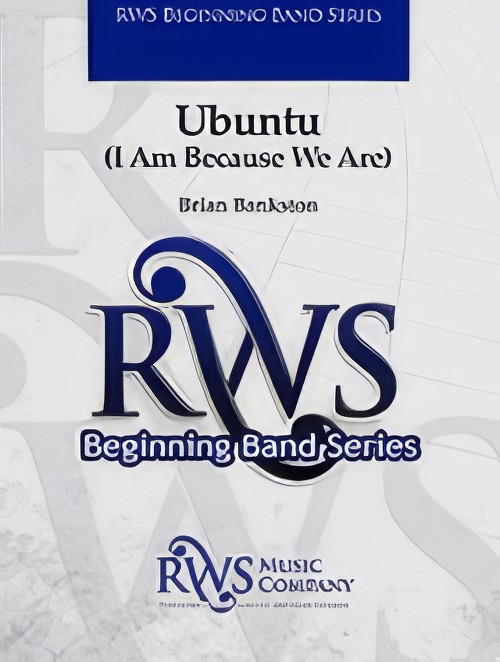
Ubuntu (I Am Because We Are) (Concert Band - Score and Parts) - Bankston, Brian
Teach your young musicians to work together with this African groove that comes from the heart. With limited ranges and technical demands, your students will be able to focus on balance, intonation and rhythmic accuracy. Not only will they enhance their musical skills, they will have fun playing music together and presenting it to their audience. Duration: 1.50
Estimated dispatch 7-14 working days
 View Music