
Results
-
 £99.99
Magga - Philip Sparke
The Four Noble Truths are the most basic expression of the teaching of Buddha and therefore still form the guidelines for Buddhists to this day. They concern themselves with Dukkha, which has no exact translation but can mean suffering, stress or sadness etc. Magga is The Noble Truth of the Path Leading to the Cessation of Dukkha - the Fourth Noble Truth - which gives us a description of eight disciplines which can help us eliminate the origins of stress from our lives.
Estimated dispatch 7-14 working days
-
 £153.50
Caccia and Chorale - C. Williams
The master touch of a gifted composer is evident throughout this unusual work. Splashes of woodwind color and brass chordal blocks are incessantly driven by vigorous snare drum ostinatos until, when it seems there can be no more, chimes signal the closing chorale. An emotion charged composition.
Estimated dispatch 7-14 working days
-
 £78.99
Alamo - Karl L. King
When it came to writing marches that sounded great with bands at all grade levels Karl King had no peer. Dedicated to the heroes of The Alamo, this march has that certain quality that made it one of King's favorite easy marches. With a full concert band instrumentation along with subtle changes in the instrumental scoring and percussion lines, Swearingen's arr. enhances its charm even further.
Estimated dispatch 7-14 working days
-
 £52.99
Wonders of the Universe - Grice
Einstein's statement "Imagination is more powerful that knowledge" was the inspiration for this stellar young band composition by Rob Grice. Interesting melodies and harmonies create a feeling of soaring through the universe with no boundaries to your imagination. This truly creative work will be an excellent teaching piece for your young musicians!
Estimated dispatch 7-14 working days
-
£109.99
Fables & Fantasies - Willy Fransen
It is no secret that most children are mad about stories and fairytales and that these are actually essential for their development.Willy Fransen has based his latest work, which he has dedicated to his first grand-child Simon, on this idea. The composition consists of themes that will intrigue children in a similar manner and they depict the twinkling eyes of children while fairytales are read to them.
Estimated dispatch 7-14 working days
-
£69.99
Spy Flix - James L. Hosay
What is the top secret method for getting the most out of your youngmusicians? There is no guaranteed secret method. However you can motivate all musicians with Spy Flix which puts a fun spin on the 'secret agent music' typical of the great Hollywood spy movies. Turn your otherwise routine band practice into Music 007 with Spy Flix.
Estimated dispatch 7-14 working days
-
 £154.99
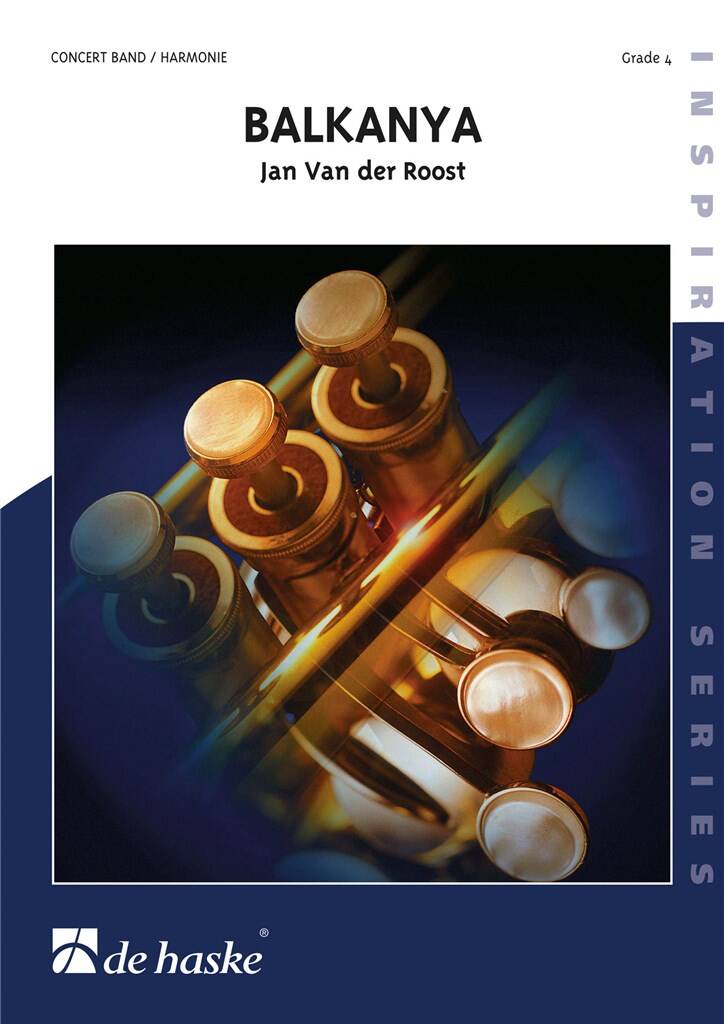
Balkanya - Jan Van der Roost
Balkanya, a suite in three parts composed by Jan Van der Roost, was commissioned by the Music School of Gaillon - Aubevoye (France) for the celebration of the twentieth anniversary of its creation. Jan Van der Roost dedicated the piece to the director of the school: Thierry Patel.As in his earlier work, Puszta, the composer makes no use of existing dances or themes in these three Balkan dances. This high-spirited suite takes its own approach to the folk music of the Balkan countries and is characterized by unique changes in tempo and spirit. Woodwinds, brass and percussion all have equal parts, making this suite attractive and enjoyable for the entire band.
Estimated dispatch 7-14 working days
-
 £76.99
Hymne an die Nacht - Ludwig van Beethoven
Hymne an die Nacht is a deeply moving theme by the master composer Ludwig van Beethoven. It is taken from his Sonata No. 23 in F minor, Op. 57 (Appassionata), which he composed between 1804-1806. This theme originates from the second movement of this famous sonata which Beethoven himself considered his best work in this genre. The passion of this sonata inspired Michael Bilkes to make this beautiful arrangement.
Estimated dispatch 7-14 working days
-
 £76.99
Silent Night - Franz Xaver Gruber
When the song Silent Night was fi_x005F_x001F_rst heard, at Christmas 1818 in the village church of Oberndorf, near Salzburg in Austria, no one could have dreamt of the success this Christmas carol would enjoy the world over. The village schoolteacher and organist Franz Gruber - the 150th anniversary of whose death is marked in 2013 - composed the melody for a poem by Franz Mohr shortly before Christmas. Today, Silent Night is sung in over 300 languages worldwide.
Estimated dispatch 7-14 working days
-
 £76.99
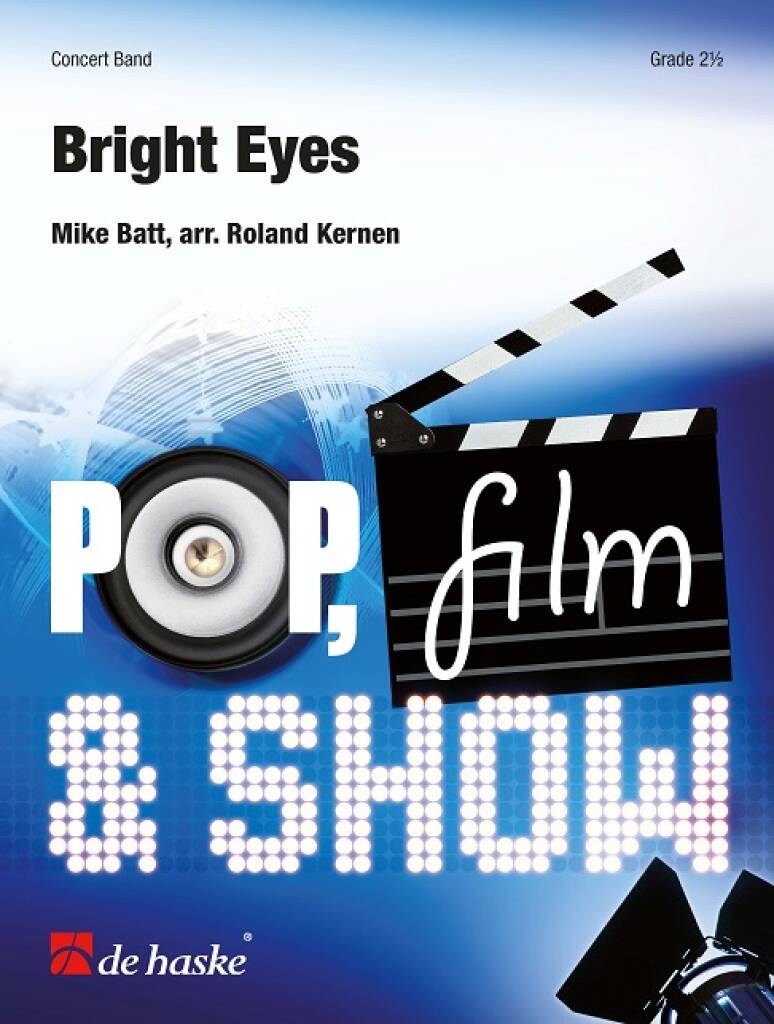
Bright Eyes
In 1976, Mike Batt wrote Bright Eyes especially for Art Garfunkel, of the duo Simon & Garfunkel, who sang it as the title song of the animated film Watership Down. At that time no one could guess at the global success that this classicmelancholy yet wonderful song would enjoy. 35 years, numerous chart appearances, cover versions and awards later, here's Roland Kernen's sensitive arrangement for a performance to fall in love with all over again!
Estimated dispatch 7-14 working days
 View Music