
Results
-
 £60.50
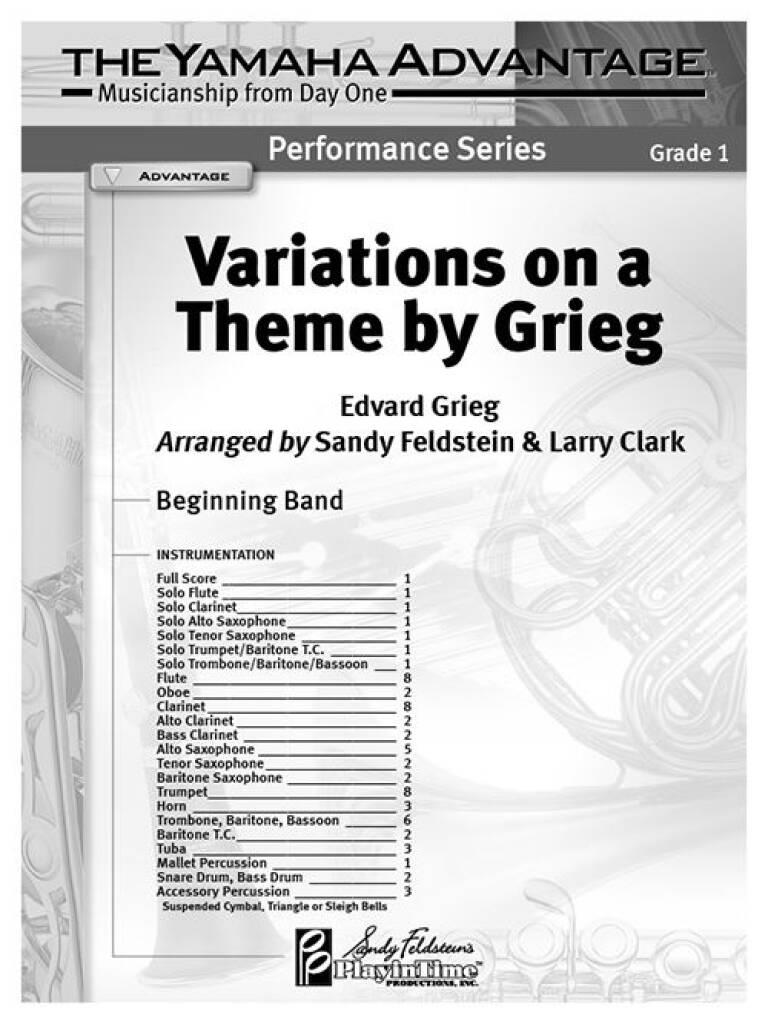
Variations On A Theme By Grieg - Sandy Feldstein
Designed to give your best players an opportunity to play a solo with Band accompaniment. Using the famous Morning theme from the popular Peer Gynt Suite as the basis, a new composition is created that is a set of variations on this theme.
Estimated dispatch 7-14 working days
-
 £60.99
Fortitude - Michael Oare
This one packs a lot of musical punch set up by dramatic builds and big impact moments. The piece opens with soft but intense percussion that quickly builds into a powerful brass fanfare, followed by contrasting woodwind lines. The perfecet way to make a strong opening statement at your next concert!
Estimated dispatch 7-14 working days
-
 £87.99
Dancing on the Sand - Etienne Crausaz
Dancing on the Sand immerses us in an unmistakable oriental atmosphere. A moderate introduction underscored by percussions sets the scene. A short clarinet cadenza leads to the second part of the piece, during which an oriental dance built upon irregular rhythms develops, accelerating continuously to reach a dazzling finale. This work will undoubtedly set your concert on fire! This music forms part of the musical tale La Maldiction d'Aragne (Aragne's Curse), commissioned by the Lyre de Courtion (conductor Dominique Morel) on the occasion of its 100th anniversary.
Estimated dispatch 7-14 working days
-
 £233.99
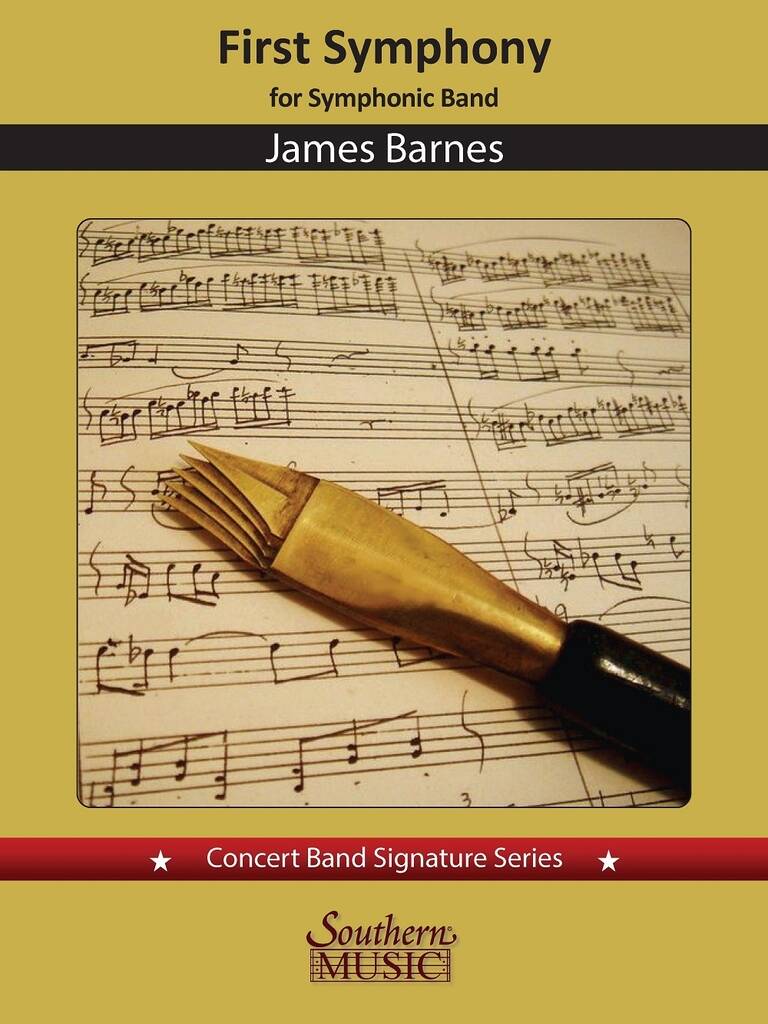
First Symphony, Op. 35 - James Barnes
Composed during the summer and fall of 1974, Barnes' FIRST SYMPHONY, Op. 35 was his master's thesis at The University of Kansas. It was premiered in the spring semester of 1976 by their Symphonic Band, Robert E. Foster conducting. The following year, the symphony was awarded the American Bandmasters Ostwald Composition prize, which led to a second performance (of only the first two movements) by the Northwestern Wind Ensemble at the American Bandmasters convention with Col. Jack Cline (U.S Marine Band) conducting. Following this performance, Barnes submitted the work to several publishers, all of which declined on the basis it was too long and difficult to be marketable. For this reason, Barnes set the work aside and there it remained until 2022, when an offer came from the Osaka Shion Wind Orchestra to record all nine of Barnes'_x001A_symphonies to help celebrate their 100th anniversary. Barnes seized the opportunity, engraving all four movements, with revisions and corrections, an effort that took seven days a week for two months to complete. As a result, after almost fifty years, all nine of the Barnes symphonies are finally available for performance.
Estimated dispatch 7-14 working days
-
 £79.99
Chorale for Peace - Thierry Deleruyelle
Chorale for Peace is a song of hope and peace for humanity. In commissioning this work, the wind band of Le Portel (France) wanted to pay tribute to the victims of 8 September 1943, when around 100 Allied planes dropped more than 5,000 bombs on the town of Boulogne and the surrounding area. In fact, this operation was nothing more than a diversion to make the enemy believe that a landing was imminent in the north of France. This music is slow, an adagio commemorating the human sacrifice of this operation. But more broadly, the composer also wanted to express his support for the peoples who, even today, suffer oppression. This set includes an optional choir part that offers the possibility of making an even deeper impression on the listener.
Estimated dispatch 7-14 working days
-
 £71.50
Jaffa Gate Overture - Laura Estes
Laura's music is always poignant and full of opportunities to teach across the curriculum. Jaffa Gate Overture is a wonderful new work for the contest & festival season with a simple and effective A-B-A form that will set them up for success!
Estimated dispatch 7-14 working days
-
 £54.99
Swarm - Tyler Arcari
The Swarm is here! Creepy crawlies with wings blot the sky in this exciting and sound-effect-filled new work for the earliest of ensembles. Using only the first 6 notes of the Bb scale, Tyler Arcari has brought us directly to the hive! Set them up for success and watch them ask to play it again and again!
Estimated dispatch 7-14 working days
-
 £127.30
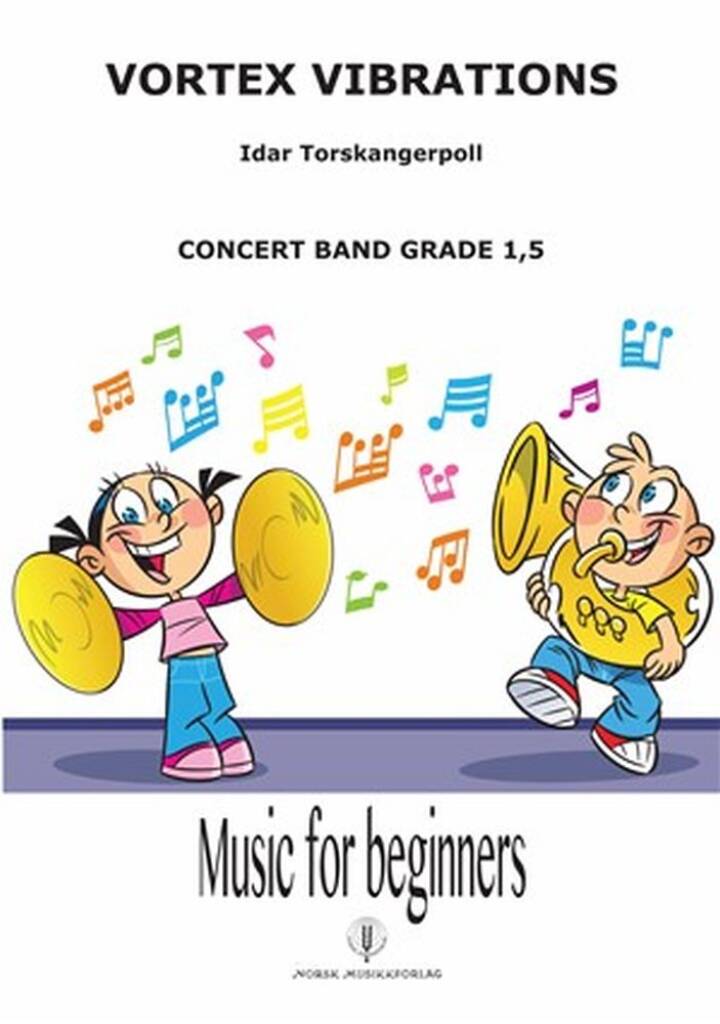
Vortex Vibrations - Idar Torskangerpoll
This piece for beginning band was written as a commission for Norsk Musikkforlag to their "Music for Beginners" serie.Vortex Vibrations is a up-tempo piece that enters the music and moves like a vortex within the band. The style is rock'n roll both in terms of groove and structure.The piece has an important Drum Set part that truly showcases the performer.
Estimated dispatch 7-14 working days
-
 £119.50
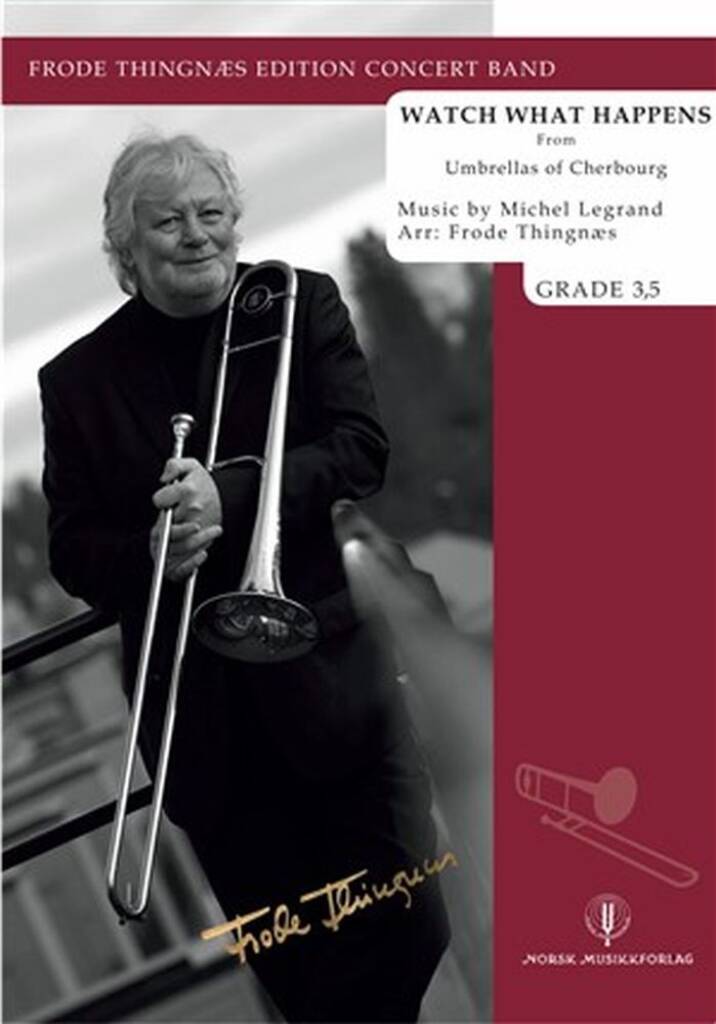
Watch What Happens - Michel Legrand
"Watch What Happens" is taken from the film score of "The Umbrellas of Cherbourg," composed by Michel Legrand in 1964. The music was nominated for a Grammy that same year, and the film itself won the Palme d'Or at the Cannes International Film Festival.This arrangement was written for Kampen Janitsjarorkester, a band conducted by Thingns for more than 30 years. They performed it at both indoor and outdoor concerts. Multiple percussion parts beyond the drum set are specifically designed for outdoor use and marching setups.
Estimated dispatch 7-14 working days
-
 £126.00
Romjulsdrm - Thoralf Borg
The poem Romjulsdrm ("Christmas Dream") was first published in Arbeiderbladet on January 3rd 1959, and became known when Thoralf Borg set a melody to it in 1968. Up until this, Alf Prysen had used a melody quite similar to the song Lijan uti dalen, when he sang the song in the TV program Ei vise vil jeg synge in 1964. At the same time that Borg's melody was written, the last four lines of text were also added to the poem, and the song took on the form we know today.The form and structure of this arrangement originates from a version for big band and vocals commissioned by stre Toten Storband, written in 2018 for one of their traditional midnight concerts on the day before Christmas. In an attempt to give the arrangement a nice calm and the text a lot of room, as is often the case in songs like this, it ended up in a relatively narrative style where the variation in tempo and the shifts between swing and straight eighth notes are particularly central.The song is about family, friendship and the quiet days of the Christmas holidays, which hopefully is something most people can recognise. The arrangement for the aforementioned midnight concert was ordered because my sister was to be the soloist for the concert, and since my father also played lead trombone - as he has done in this big band for as long as I can remember - it was natural to add a small trombone solo as well. It's always special to write and arrange music for people I know and appreciate, but it's extra special when it's also for two of my great role models.- David Stre Hveem -
Estimated dispatch 7-14 working days
 View Music