
Results
-
 £134.99
Aretha! (Concert Band - Score and Parts) - Tinner, Gilbert
Aretha Franklin - the 'Queen of Soul' - was an icon and inspiration for women all around the world, and the first female artist to enter the 'Rock and Roll Hall of Fame' in 1987. This medley by Gilbert Tinner contains Aretha Franklin's most famous hits: 'Respect', '(You Make Me Feel Like) A Natural Woman', 'Son of a Preacher Man' and of course 'Think', one of the greatest up-tempo tracks of all time.Duration: 7.45
Estimated dispatch 7-14 working days
-
 £54.99
Feel it Still (Flexible Ensemble - Score and Parts) - Brown, Michael
This unique pop hit from Portugal. The Man features a retro pop style with a catchy bass riff and strong melody. Easy to learn and scored for flexible instrumentation, this is a fun choice for any pops concert.
Estimated dispatch 7-14 working days
-
 £56.00
Feel It Still (Concert Band - Score and Parts) - Kamuf, Michael
Indie band Portugal. The Man has climbed to the top of the pop charts with this infectious and energetic tune that won the Grammy Award for Best Pop Duo/Group Performance. Driving and fun, this selection makes a perfect concert closer!Duration: 2.30
Estimated dispatch 7-14 working days
-
 £60.99
Sea Glass (Concert Band - Score and Parts) - Kirby, Rick
Worn by the waves and recycled by the ocean, sea glass is a product of both nature and man. Bottles and jars carelessly discarded are tumbled by sea and sand, magically creating colourful and smoothly polished gems. This lovely descriptive work uses shimmering effects in piano and percussion combined with beautiful melodies and lush harmonies. With effective emotional peaks and a nice variety in textures, this is a rewarding work for band.Duration: 3:45
Estimated dispatch 7-14 working days
-
 £77.50
Afterlife (Concert Band - Score and Parts) - Galante, Rossano
Since the beginning of time man has pondered what happens when we die. This composition starts delicately as peacefulness returns to the soul. It intensifies as we approach our new consciousness, constantly modulating between the two as we gain knowledge of our new surroundings.Duration: 4:45
Estimated dispatch 7-14 working days
-
 £58.50
Clouds (Concert Band - Score and Parts) - Sobiech, Zack - Bullock, Jack
Originally written by a strong young man with an incurable medical condition, this work provides a message that is clear and strong. Encourage your studnets to explore his lyrics to gain a greater understanding of the meaning. Although repetitive, the composition will serve as a tremendous introduction or reinforcement to alla breve time signature assisted by the teaching ideas that are shared in the preface to the conductor's score. This heartwarming composition will be one that many will never forget.Duration: 3.30
Estimated dispatch 7-14 working days
-
 £53.95
Nautical Bits and Pieces (Concert Band - Score and Parts) - Story, Michael
Based on Favourite Sea and River SongsAs the title suggests, this through-played medley contains short excerpts from eight well-known sea and river songs. Included are "Blow the Man Down," "Spanish Ladies," "My Bonnie Lies Over the Ocean," "Song of the Volga Boatmen," "Sloop John B," "Blow Ye Winds," "Haul Away Joe," and closing with "Anchors Aweigh." All aboard this charming nautical and musical voyage!Duration: 2:45
Estimated dispatch 7-14 working days
-
 £76.99
Yin Yang Serenade (Concert Band - Score and Parts) - De Haan, Jacob
The Chinese conceptions yin and yang represent the two contradicting principles of an object or phenomenon, such as day and night, light and dark, man and woman. In Yin Yang Serenade this can be found in the musical opposites, legato-staccato and minor-major, creating an work with great atmospheric contrast.Duration: 2:00
Estimated dispatch 7-14 working days
-
 £64.99
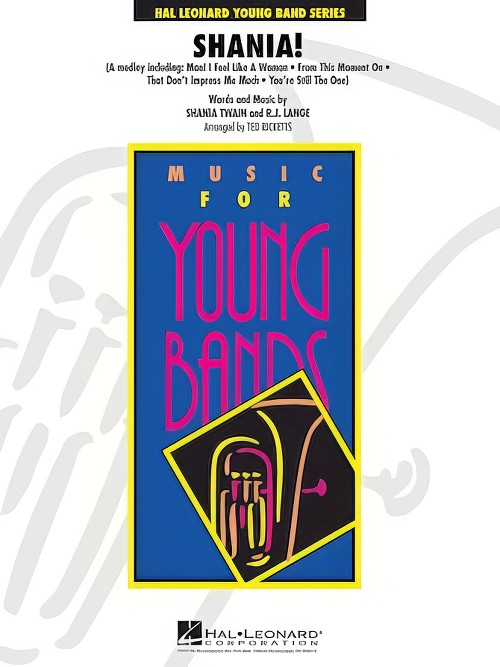
Shania! (Concert Band - Score and Parts) - Ricketts, Ted
One of the top crossover artists in recent years, Shania Twain has recorded hits that appeal to a wide range of audiences. Including Man! I Feel Like a Woman, You're Still the One, From This Moment On and That Don't Impress Me Much. A high-powered arrangement.
Estimated dispatch 7-14 working days
-
 £64.99
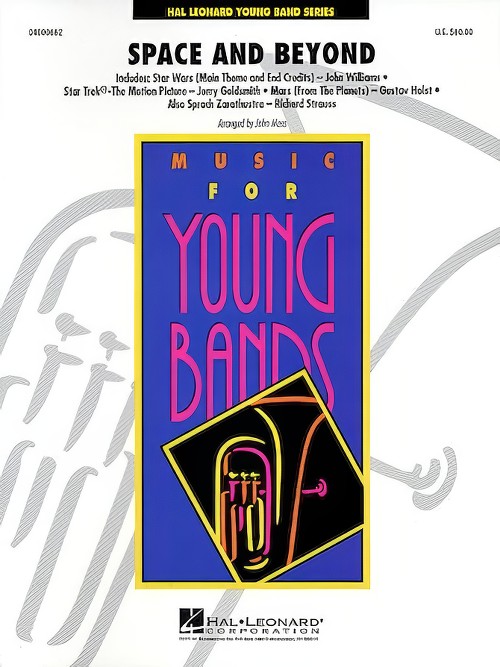
Space and Beyond (Concert Band - Score and Parts) - Moss, John
As man continues to be fascinated with the world outside his own, here's a new medley that will appeal to all audiences. John Moss' exciting collection includes four of the most recognized themes identified with the world beyond. Includes: Also Sprach Zarathustra, Star Trek, Mars (from The Planets), and Star Wars Main Title and Throne Room themes.
Estimated dispatch 7-14 working days
 View Music