
Results
-
 £64.99
Monarch Fanfare - Michael Oare
Utilizing an array of sparkling brass figures contrasted with brief lyric passages and dynamic shifts in texture, this work is equally effective as a concert opener or any type of celebratory event. Carefully paced for a dramatic and powerful impact.
Estimated dispatch 7-14 working days
-
 £64.99
Monarch Fanfare (Concert Band - Score and Parts) - Oare, Michael
Utilizing an array of sparkling brass figures contrasted with brief lyric passages and dynamic shifts in texture, this work is equally effective as a concert opener or any type of celebratory event. Carefully paced for a dramatic and powerful impact.
Estimated dispatch 7-14 working days
-
£69.99
Festive - Bertrand Moren
Bertrand Moren originally composed this march for the brass band Concordia of Bagnes in Switzerland, of which he is the conductor. Festive develops a sparkling and playful melodic line over a strong theme in the low brass section. This version for concert band is full of vitality and will bring a touch of liveliness to any concert. Festive is also suitable for an outdoor performance.
Estimated dispatch 7-14 working days
-
£184.99
Rubicon - Bert Appermont
The Rubicon is a river in Northern Italy which Julius Caesar crossed with his army in 49 BC in defiance of the leaders of Rome, who feared his power. A civil war against rival Pompey ensued, which culminated in Caesar seizing power as the absoluteruler of Rome. The phrase "crossing the Rubicon" therefore refers to any person committing himself irrevocably to a risky, decisive and irrevocable of course of action.The work consists of three parts that deal with this important moment in history.Part 1 (Meditation) symbolises Caesars request to the Gods to assist him in his difficult choice. In a slow introduction we hear the melancholy and beseeching sounds of the duduk (alternatively, this part can be played by a soprano saxophone)and of the soprano solo singer over the bourdon accompaniment. The soprano solo singer then sings "dona tibi pacem" (give him rest) in a melodious and probing theme.In Part 2 (Battle of Pharsalus) trumpets and trombones resound alternately ina stately Roman fanfare, producing a stereophonic effect. This develops into a martial theme in which Caesars impressive army goes to battle against the army of rival Pompey. While the theme of Caesars army fades away, Pompeys theme emerges as anaive dance in six-eight time. His army is definitely in the majority and it believes it can easily defeat the enemy. Suddenly trumpets and trombones clash on two sides of the orchestra: Caesars army advances and attacks. A fierce battle ensues inwhich the two themes are played alternately as well as simultaneously. Thanks to his shrewd battle tactics, Caesar manages to win this legendary battle after all: his theme resounds ever louder in trumpets and horns until everything dies out andchanges into a kind of reconciliation between the soldiers of the two armies. The melancholy "dona tibi pacem" from part 1 now serves as a reconciliation theme.Caesar is now the sole ruler of the New Roman Empire, which would be destined to leave itsmark on our Western civilisation to this day. The third part is a sparkling succession of dance music (Dance) with many Greek and Roman elements in which Caesars victory is praised and celebrated. It is common knowledge that the culture(arts, gods, etc.) of the Romans drew heavily on Greek culture. I have therefore used an authentic Greek theme (the Seikolos song) several times in this part (bar 17 in the euphonium, bar 60 in the base section, bar 68 in the sopranosaxophone) to suggest the music of that era and to evoke the right atmosphere. After a gradual increase in tempo in the entire orchestra, the opening melody gloriously resounds once more, surrounded by virtuoso dance music. The work ends withbombastic brass fanfares in which Caesars theme triumphs once more.NOTE FOR THE CONDUCTOR:The Armenian duduk and the monochord that are used in the introduction give a special tone to the music, but could be substituted (soprano saxophone instead ofthe duduk) or left out (monochord). The soprano solo is also doubled within the orchestra and could therefore also be left out if necessary, although it does provide the work with an extra dimension. The male voices in the introduction and the finalecould possibly be replaced with a synthesizer with choral setting.As a visual and acoustic element in part 2, the trumpets, the e-flat cornet, the small drum and trombones can be stood up and placed at two sides of the orchestra (bar 80).Seen fromthe point of view of the conductor, put the trumpets, the e-flat cornet and the small drum in the left section and the trombones in the right section of the orchestra. This also helps to create a visual contrast between the two themes of the secondpart. The players can be seated again at bar 97 or bar 121. The soprano soloist can be placed in or in front of the orchestra, depending on what gives the best result. For the conclusion of the work the soprano solo can be sung from afar (from thewings) to create additional atmosphere.This work was composed especially for the "St Joseph" brass band from Pey/Echt (Belgium) with conductor Mark Prils.
Estimated dispatch 7-14 working days
-
 £87.50
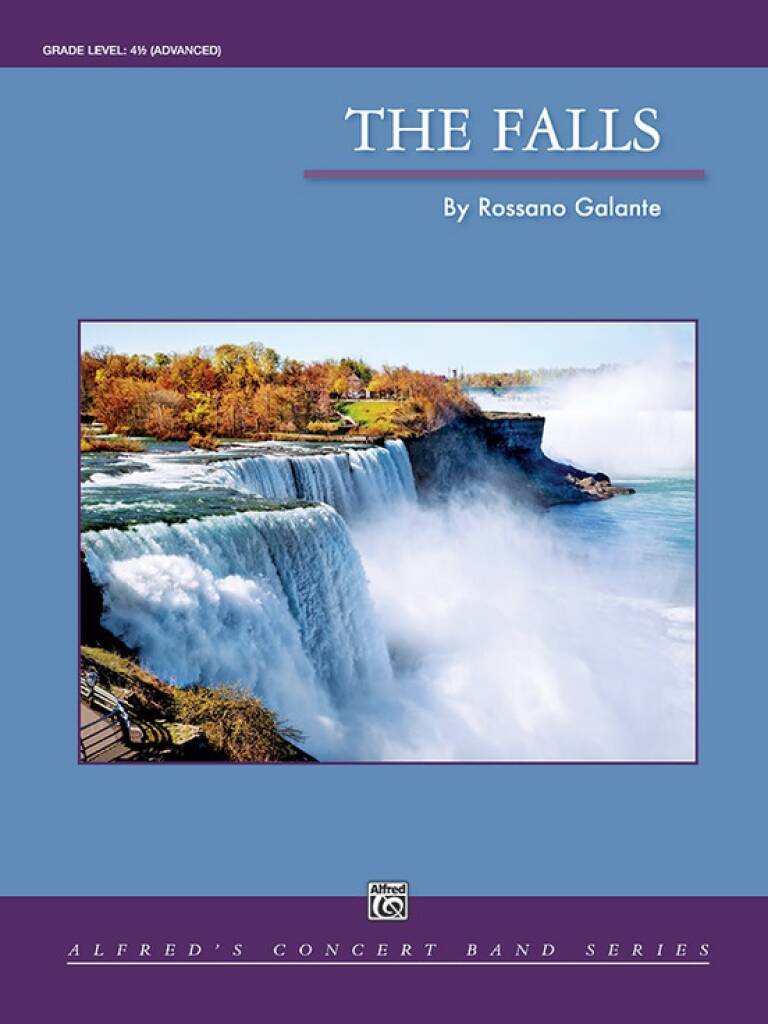
The Falls - Rossano Galante
Highlighting the falls as it cascades over rocky terrain, sparkling wind and brass fanfares depict the water as it rushes forward before exploding over the edge. Melodic lines transport the audience into the mysterious and rapturous wilderness as this remarkable piece evokes one of nature's most glorious creations.
Estimated dispatch 7-14 working days
-
 £82.95
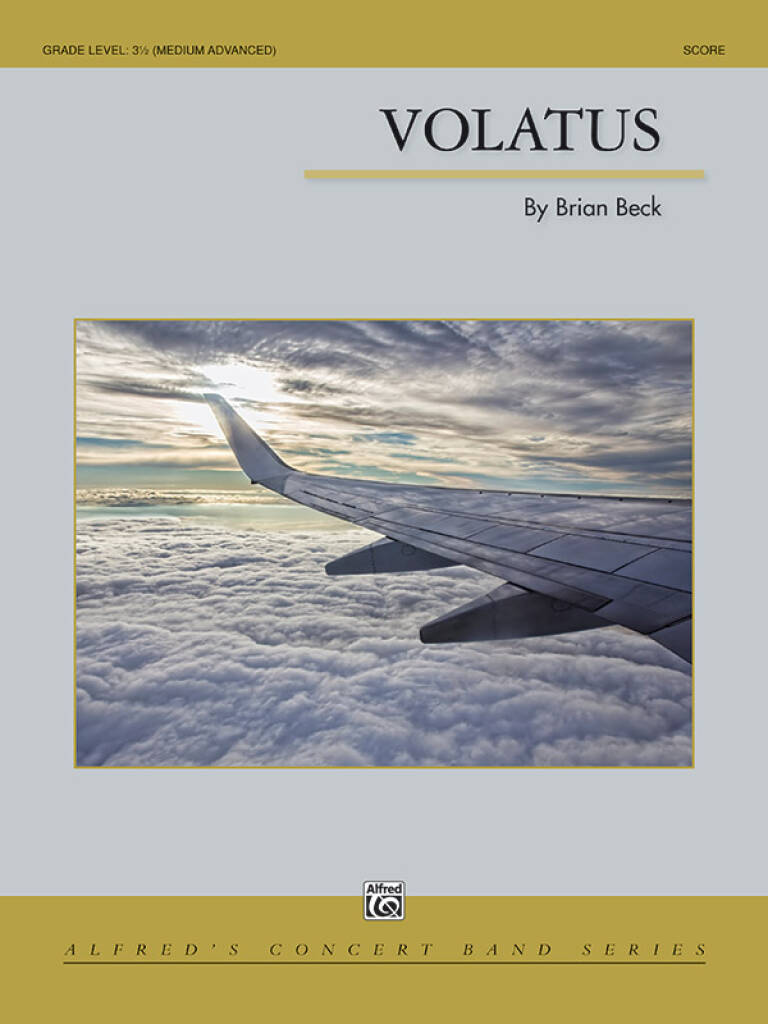
Volatus - Brian Beck
From the Latin word for flight, Volatus captures the art of soaring above the clouds. The higher one climbs, the more there is to see. Lift-off begins with stately brass motives and sparkling percussion, then it is up, up, and away with woodwind flourishes. With angular harmonies, driving rhythms in mixed meters, and static percussive effects, this piece has something for everyone to enjoy. (2:40)
Estimated dispatch 7-14 working days
-
 £104.99
Attention! - Filip Ceunen
This sparkling overture gets straight to the musical point with its majestic character. The theme starts out in the trumpets before moving through the entire brass section, which is subsequently passed on to the woodwinds and followed by a dazzlingallegro. The impressive conclusion makes for an opening work that will be truly electrifying! Attention guaranteed!
Estimated dispatch 7-14 working days
-
 £58.50
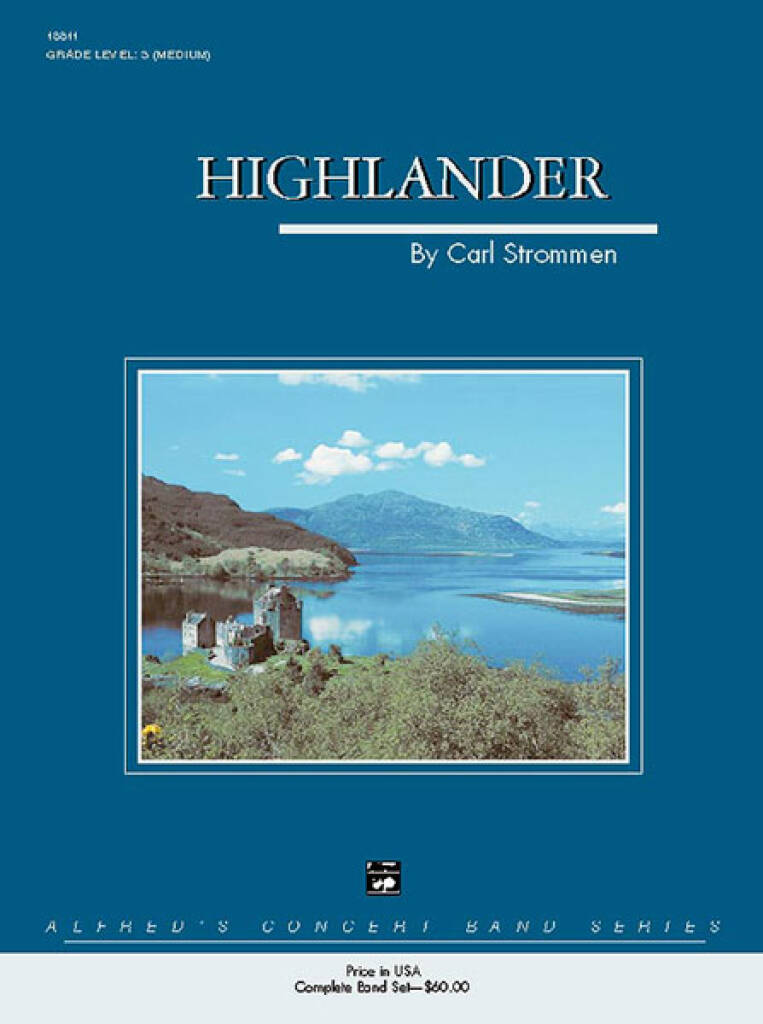
Highlander - Carl Strommen
This energetic concert or festival opener is sure to make your band sparkle! Highlander is full of bright melodies for the woodwinds and trumpets juxtaposed with bagpipe-like drones in the low brass, calling to mind images of old Scotland. Generous use of the piccolo adds to the Scottish flair. A lovely woodwind chorale provides for an interesting contrast in the middle section, only to be interrupted by the exciting main melody which modulates and brings Highlander to a fantastic finish. Highlander is another sparkling concert or contest showpiece by Carl Strommen!
Estimated dispatch 7-14 working days
-
£106.95
Exhilaration - Larry Clark
Sparkling woodwind flourishes, bold brass fanfares, and exciting melodies highlight this incredible new concert overture from popular composer Larry Clark. The lyrical middle section contains a beautiful heart-tugging theme that is book-ended by bold and aggressive music from the energetic first section. Destined to become a staple on contest/festival lists.
Estimated dispatch 7-14 working days
-
 £84.99
Hungarian Rondo - Árpád Balázs
The Hungarian Rondo by rpd Balzs is cheerful, good-humoured music, a finely formed work crafted withgreat professional skill. Its structure is clear: the double recurrence of the rondo theme results in a five-part form. The two episodes differ in character. The first consists of increasingly densely woven imitations that chase eachother playfully, the second evokes the mood of bagpipe tunes. In the latter, above the melody moving evenly in crotchets in the middle parts a pastel-tinted cloud of woodwind notes floats upwards, while the sound is extended downwards by the deep-toned brass stepping lower by semitones. A brilliant device by the composer! In thecourse of its repeats the rondo theme appears more and more richly garbed, particularly the sparkling semiquavers of the woodwind make it ever more decorative. The Hungarian Rondo is the kind of music that drives your cares away.
Estimated dispatch 7-14 working days
 View Music