
Results
-
 £128.80
Brass Rock Suite - Tohru Kanayama
This work contains three parts. The first part is a rock tune with 8 beat. There are written or improvisation solos on Trombone, Trumpet and Alto saxophone (order of appearance). The second part is a pop ballad featuring trombone solo. And the last part is a dance tune with 16 beat. The first performance of this work was in a version that added three soloists, Alto Saxophone, Trumpet and Trombone. Then I've rewrote to current version for publication.
Estimated dispatch 7-14 working days
-
£32.40
Arctic Landscape - Torstein Aagaard-Nilsen
Commissioned by the Military Band of Bergen for their 200-years Anniversary Concert in 1992.This edition represent an extended instrumentation of the original version for wind ensemble.Added parts are Flute2/Piccolo, Alto Saxophone 2and Baritone Saxophone.
Estimated dispatch 7-14 working days
-
 £154.99
Alternances - André Waignein
In 1984 the Corciano (Italy) Tourist Authority initiated a composition competition for wind band. For this event Andr WAignein composed "Alternances for Symphonic Band", a piece which won him the first prize in the competition. The opening of the work is based on a very tonal foundation. The English horn (or alto saxophone) introduces a rich and warm theme which is immediately taken up by the whole orchestra in a grandiose manner. The subsequent development shows off all the elements of the orchestra to the full. In the second movement, the English horn (or alto saxophone) comes to the fore again. A harmonic change gradually takes us back to the allegro of the firstmovement. The musical development is here dominated by exuberance, virtuosity and rhythm.
Estimated dispatch 7-14 working days
-
£72.99
Valse Caprice - Herbert L. Clarke
Herbert L. Clarke was a legendary composer and musician active in the early part of the 20th century, well-known for his solos for cornet, trombone, euphonium and combinations of brass instruments with band accompaniment. What is not as well-known is that Clarke also wrote three works for alto saxophone and band! Helen, Valse Caprice and Lavinia were written between 1918-1922 in Canada for Charles Shaw, saxophonist for the Anglo-Canadian Leather Company Band which Clarke directed at the time. Valse Caprice is a fine example of pure lyric elegance. Written in modified ABA form, the principal theme is followed by a more embellished variation in eighth notes. The contrasting middle section is a pensive meno mosso, which leads into a reprise with cadenza-like figures, building to a rousing conclusion. The historic publication of these three works by Southern Music represents a significant contribution to saxophone solo and band literature that will introduce generations of musicians to some of Herbert Clarke_x001A_s finest hidden gems.
Estimated dispatch 7-14 working days
-
£73.50
Careless Whisper - George Michael
The ultimate 80s throwback is here! It is time to bring George Michael's iconic hit, Careless Whisper, to your stage. In this fantastic arrangement by Chris M. Bernotas, your star alto saxophone soloist takes centre stage with that legendary, unmistakable hook. A guaranteed crowd-pleaser that adds a touch of 'cool' to your repertoire.
Estimated dispatch 7-14 working days
-
£98.50
Go Time! - Brian Balmages
Experience the rush of Go Time! This high-energy piece by Brian Balmages blends elements of rock, funk, and jazz. A relentless pulse combines with dynamic meter changes, a cooking percussion section, and a clever saxophone feature before building to an intense, celebratory finale. Get ready for the ultimate feel-good closer that will leave audiences breathless! (4:10)
Estimated dispatch 7-14 working days
-
 £159.20
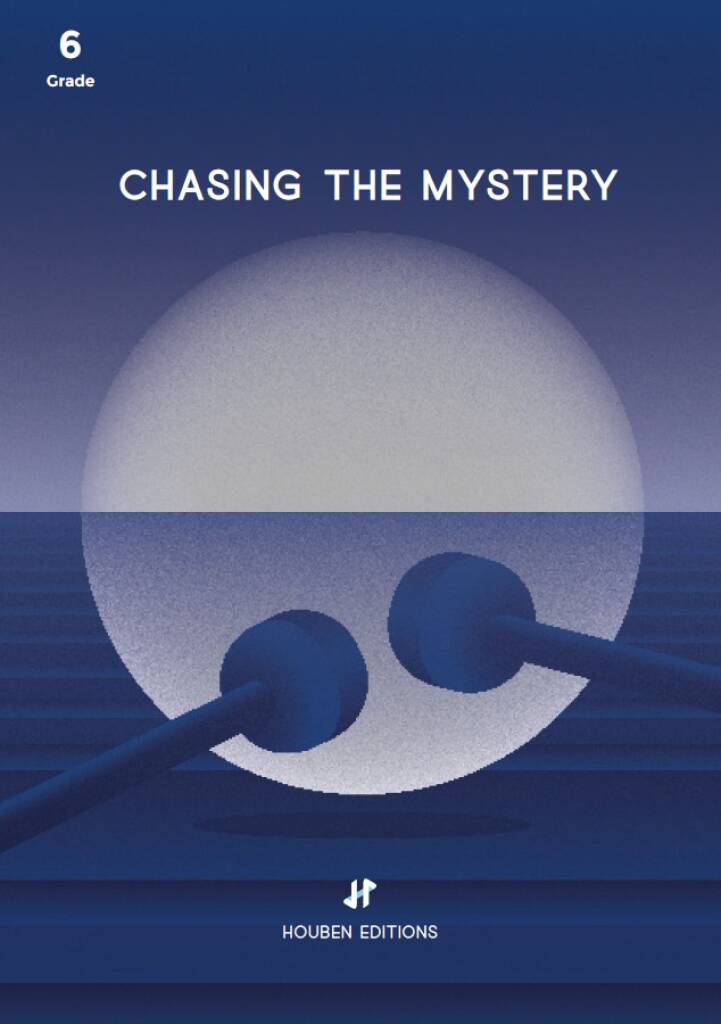
Chasing the Mystery - Kevin Houben
Commissioned by KU Leuven on the occasion of the 600th anniversary of KU Leuven.Chasing the MysteryKevin HoubenDedicated to the Wind Orchestra Universitair Harmonieorkest (UHO) of KU Leuven.Chasing the Mystery is the final movement of the triptych Beyond the Horizon of Thought.On the occasion of KU Leuven's 600th anniversary in 2025, the university commissioned Kevin Houben to compose a new work tailored to the Universitair Symfonisch Orkest, the Universitair Harmonieorkest and the Leuvens Universitair Koor. Maud Vanhauwaert, writer-in-residence during the 2023-2024 academic year, provided a poetic libretto.With Beyond the Horizon of Thought, Kevin Houben created not only a unique anniversary composition for more than 250 student musicians. The composition also conveys a universal message that perfectly reflects the spirit of the celebrating university: keep searching, keep developing yourself and keep hoping - even in turbulent times.From a compositional perspective, the work is built around themes and motifs with a clear symbolism. Kevin Houben explains: "I use a technique in which letters are converted into musical notes - a method also used by great masters such as Bach, Bartk and Shostakovich. This musical signature forms the basis of the melodic structure. In this way, 'KUL600' is represented by the notes D - G - E - F (re - sol - mi - fa)."The composition is conceived as a triptych: three movements that flow seamlessly into one another and are performed by different orchestral formations, yet together form a single whole. The work opens with the symphony orchestra, where the thematic 'KUL600' cells are introduced and explored. In this movement, Awakening the Wonder, several highlights establish a musical connection with the following movements.In the second movement, The Urge of Search, the choir sings a cappella to the poem Het is het by Maud Vanhauwaert, in which she reflects on the tireless quest for knowledge that has characterized the university for 600 years. Classical Gregorian techniques and traditional voice leading enter into dialogue with contemporary techniques, as the singers alternately whisper, call out and proclaim.Finally, the wind orchestra introduces the third movement, Chasing the Mystery. With a searching and anticipatory character, the orchestra presents the thematic cells in soloistic fashion, based on the main melody of the choral movement. References once again appear to the rhythmic 'KUL600' cells, which ultimately culminate in a grand apotheosis. A solitary soprano saxophone opens the finale with the 'KUL600' theme in its most intimate and meditative form. The expanded choir then joins the orchestra for an impressive final chord, musically preparing KU Leuven for the next 600 years.Beyond the Horizon of Thought premiered on Wednesday 23 and Thursday 24 April 2025 at LUCA Campus Lemmens, and was also performed on 9 May 2025 at Concertgebouw Brugge on the occasion of the 600th anniversary of KU Leuven. More than 250 musicians from the Universitair Symfonisch Orkest (USO) conducted by Edmond Saveniers, the Leuvens Universitair Koor (LUK) conducted by Kevin Hendrickx, and the Universitair Harmonieorkest (UHO) conducted by Erwin Scheltjens shared the stage.Cover illustration design: Grotezk Studio.
Estimated dispatch 7-14 working days
-
 £65.99
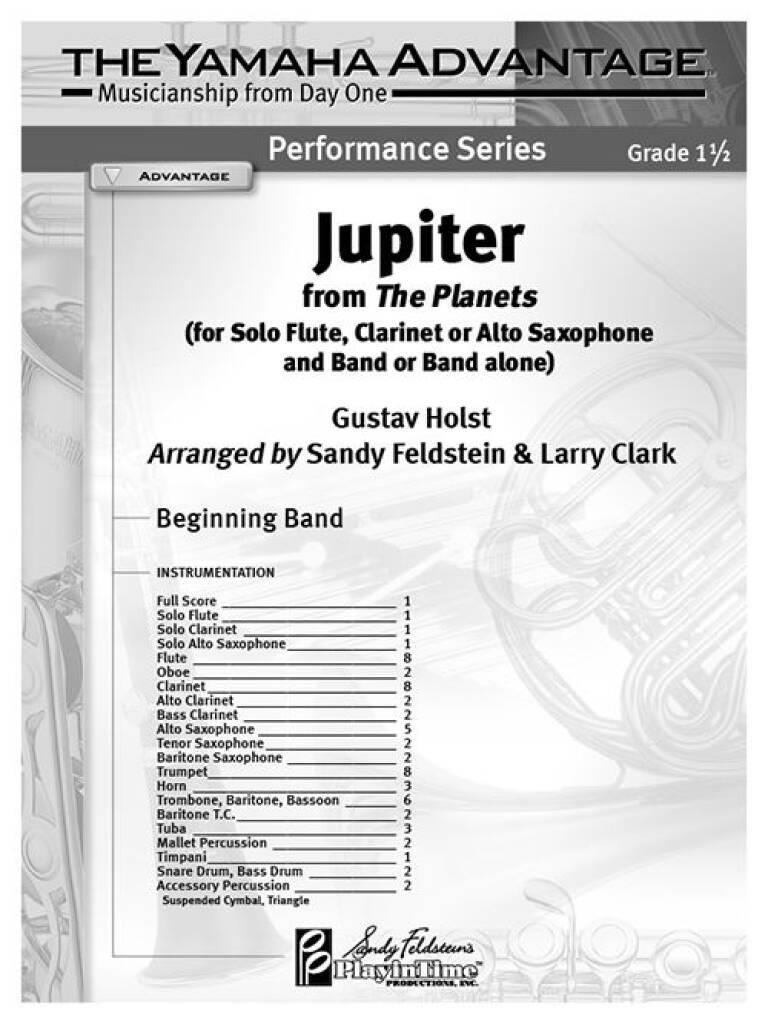
Jupiter - Sandy Feldstein
This famous Gustav Holst composition is accessibly arranged for Flute, Clarinet, or Alto Saxophone soloist with Band accompaniment. It can also be played by Band alone.
Estimated dispatch 7-14 working days
-
 £42.50
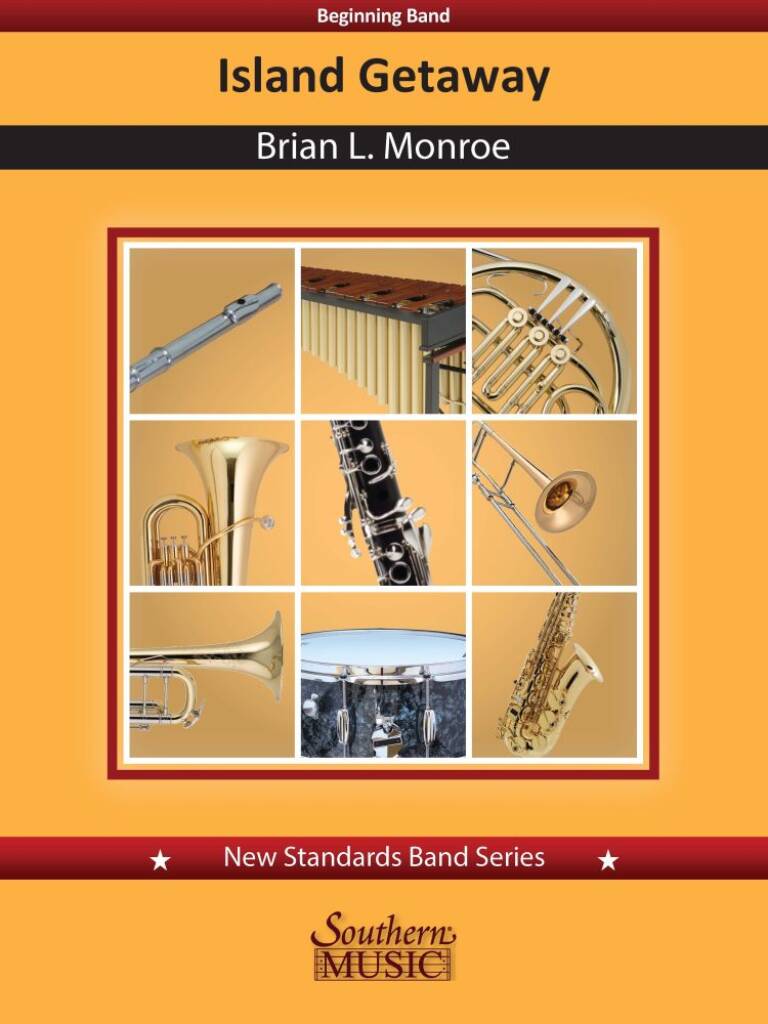
Island Getaway - Brian Monroe
A Latin-feel means you can use a lot of percussion players, all playing within grade level. Single parts for all instruments afford confidence and solidity to students. There are only a few divisi notes in clarinet, alto saxophone, and trumpet.
Estimated dispatch 7-14 working days
-
 £69.99
Sax Amore - Wim Laseroms
Sax Amore is a joyful, attractive work in which the saxophone section holds the spotlight, while it also has inviting material to offer for the remaining sections. Highly recommended for your next concert, this timeless composition has a tune that will linger in the heads of musicians and audience alike. Catchy and appealing!
Estimated dispatch 7-14 working days
 View Music