
Results
-
 £64.99
The Penny Whistle Song - Leroy Anderson
Imagine strolling along the trail through a bucolic countryside on a sunny spring day, whistling all the way. The Penny Whistle Song conjures that very mood, featuring a trio of flutes on the melody with a bouncy two-step accompaniment. This exclusive Southern band edition by Mark Rogers reintroduces Anderson's enchanting work to new generations of audiences.
Estimated dispatch 7-14 working days
-
£64.99
Phantom Regiment - Leroy Anderson
This work was written by Leroy Anderson in 1951 and premiered by him when he recorded it for Decca. Interestingly, in 1956 the Phantom Regiment Drum and Bugle Corps of Rockford, Illinois changed their original name from the Rockford Rangers after having heard the piece played by a different corps. The music emulates the sound of distant trumpets and soldiers marching, drawing closer to the listener bit by bit. As the music gains strength, the marching and trumpets get louder and after passing the audience, it slowly fades away as they disappear into the distance again. This exclusive Southern band edition by Mark Rogers reintroduces Anderson's enchanting work to new generations of audiences.
Estimated dispatch 7-14 working days
-
 £89.99
The Immovable Do - Percy Aldridge Grainger
First published in 1940, this work became a highly respected and widely performed Percy Grainger work. It is unique in that it employs a high drone on the note C, which is sounded throughout the entire piece. This new critical edition includes a full score and errata for the parts. (Grade 4-5) (4:15) This recording used with permission from the Mark Masters CD 1350-MCD. The Music of Percy Grainger - Vol. II University of Houston Wind Ensemble - Eddie Green, conductor
Estimated dispatch 7-14 working days
-
 £59.99
Cutting of the Hay - Percy Aldridge Grainger
Concert bands everywhere will be thrilled to perform these new editions of Percy Grainger folk song settings, arranged for band by Brian S. Wilson. Originally published for voice and piano, both have been scored for band with the distinctive orchestration techniques that create the Grainger sound.
Estimated dispatch 7-14 working days
-
 £76.99
Bloom - The Gift of Spring - Satoshi Yagisawa
A wonderful new work by Satoshi Yagisawa in which flowers are the focal point. This work honours the official registration of the Dendrobium 'Yishun Primary School' in The International Orchid Register. This flower was created by pupils of a Singaporean school. The dramatic mood of the piece is intended to inspire the next generation of students towards a hopeful future after overcoming difficulties and hardships.
Estimated dispatch 7-14 working days
-
 £60.99
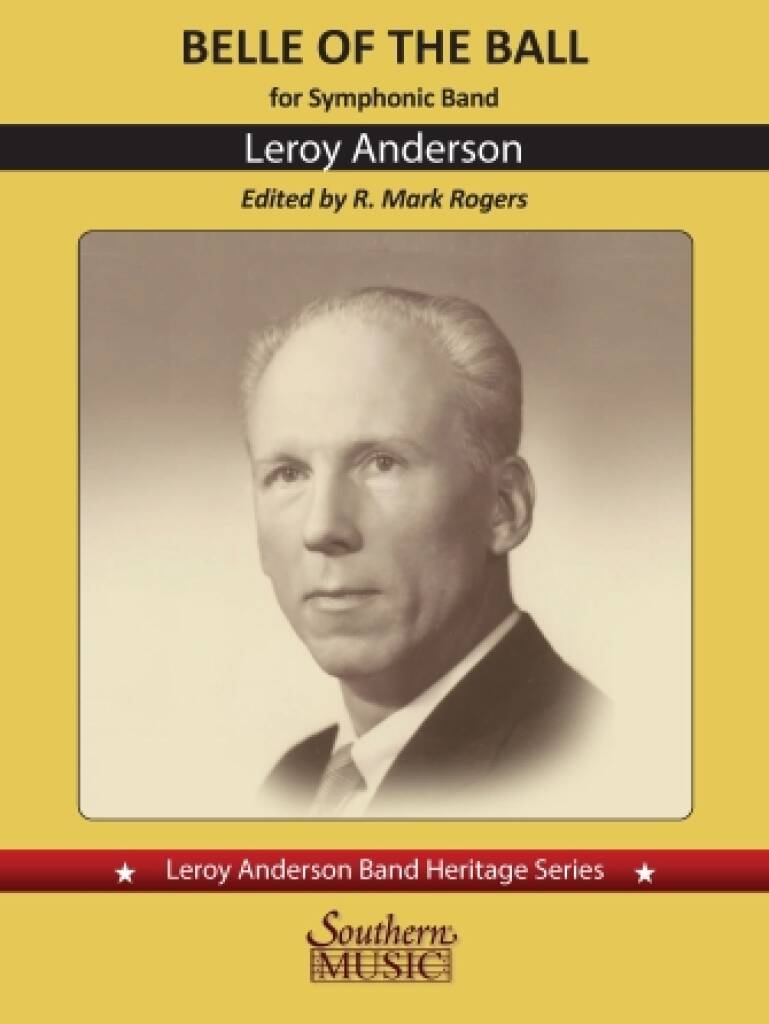
Belle of the Ball - Leroy Anderson
Like most of Leroy Anderson's efforts, Belle of the Ball is light, effervescent, and devoid of conflict or disharmony. Anderson looked upon the piece as a modern-day American revival -- or revitalization -- of the Viennese waltz tradition. Having said that, the main theme sounds rather unlike a Strauss waltz, but the voice of Tchaikovsky is evident in its playful, fantasy-like character. The melody is rhythmic and comes in short groups of notes, beginning with two notes, then three, then expanding further; the music skates along elegantly. The middle section features a delightful variation on the theme, in which Anderson's gentle-belled sonorities impart a playful innocence. This exclusive Southern band edition by Mark Rogers reintroduces Anderson's enchanting work to new generations of audiences.
Estimated dispatch 7-14 working days
-
 £57.50
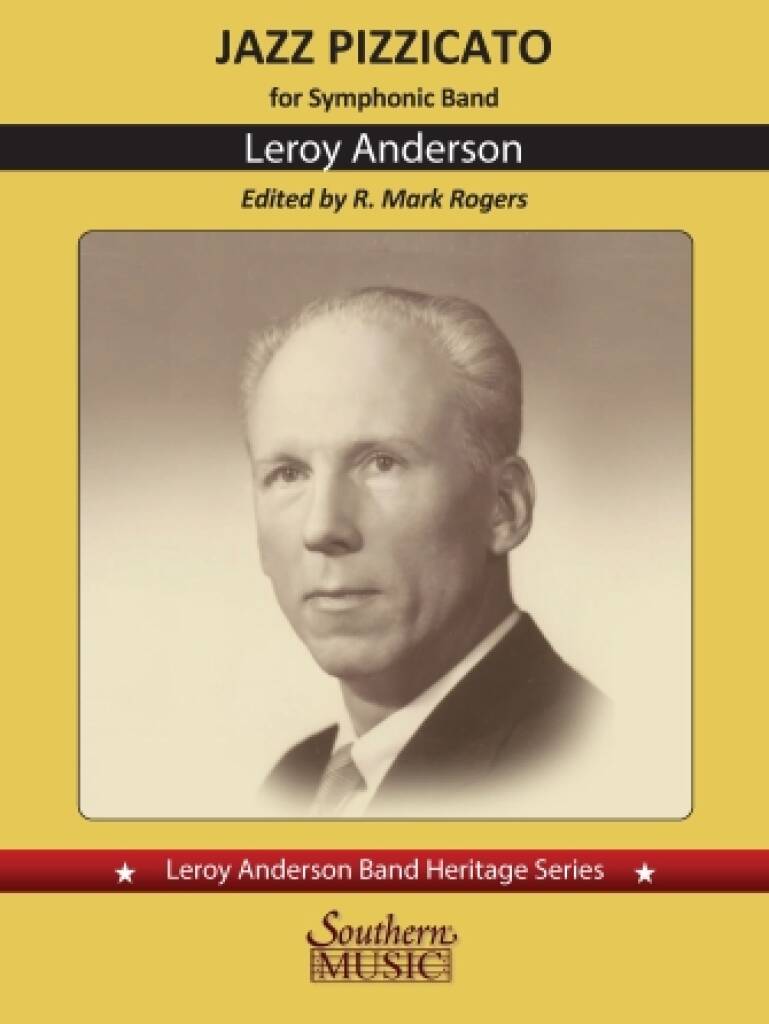
Jazz Pizzicato - Leroy Anderson
Leroy Anderson's Jazz Pizzicato is a quintessential proof of his legendary status as a composer of light music. With a nostalgic nod toward the traditional American dance form known as the cakewalk, this bright and cheerful tune will have the audience whistling and tapping their toes long after the final note of your concert! This exclusive Southern band edition by Mark Rogers reintroduces Anderson's enchanting work to new generations of audiences.
Estimated dispatch 7-14 working days
-
 £60.99
Luna - Yukiko Nishimura
The title Luna is the Latin word for moon, which is the subject of this lyrical work by composer Yukiko Nishimura, originally composed for string orchestra. In a lilting waltz style, the composer has described the inspiration as imagining the sky with the moon at daytime. Nishimura's gift for melody shines throughout, especially in the middle section which includes lush passages in the upper winds with a delicate accompaniment. This new arrangement by the composer makes this beautiful work accessible to symphonic bands.
Estimated dispatch 7-14 working days
-
 £102.99
Ed Sheeran EQUALS Smash Hits - Ed Sheeran
After his successful albums x (Multiply), + (Plus) and (Divide), the English singer-songwriter Ed Sheeran is back with his new album = (Equals), which at its release, towards the end of October 2021, was streamed over ten million times in the first twenty-four hours. Using the smash hits Bad Habits, Shivers, Overpass Graffiti and The Joker And The Queen from this album, Peter Kleine Schaars wrote a fantastic pop medley - an arrangement that will not just give your band members an adrenaline boost, but will also be enjoyed by your audience.
Estimated dispatch 7-14 working days
-
 £126.50
Variations on a Fourth - Philip Sparke
Variations on a Fourth was written for an innovative project initiated by the Siena Wind Orchestra from Tokyo. Four European and four Japanese composers created a new wind orchestra piece for a special concert held on 15 June 2019 in Bunkyo Civic Concert Hall, where all eight works - that were recorded for a CD release the previous day - were performed. Variations on a Fourth comprises four variations, all of which feature the musical interval of a fourth in much of their melodic and harmonic material. The result is a four-movement work of wide-ranging appeal that will be an absolute joy to play!
Estimated dispatch 7-14 working days
 View Music