
Results
-
 £42.50
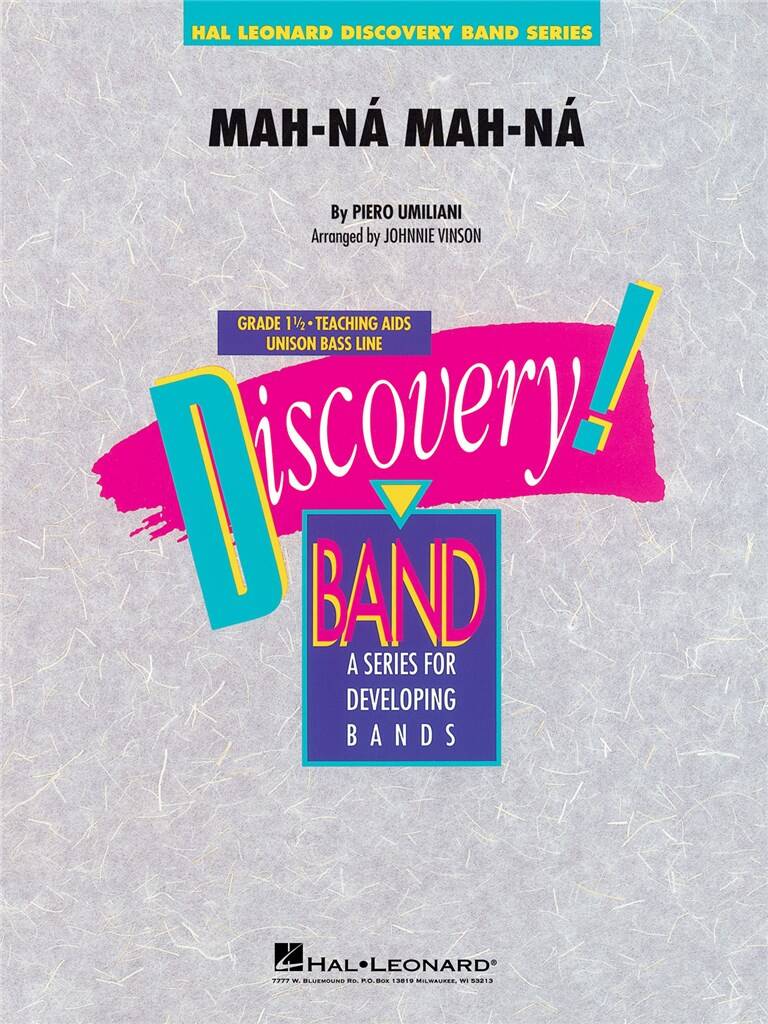
Mah-na Mah-na - Piero Umiliani
Made famous by the Muppets, but also recorded by a number of contemporary artists (including rock group Cake) this clever tune is sure to raise a smile. Arranged here in a straight 8th Latin style (rather than swing) the melody is cleverly passed from section to section. Sure to be a fun piece for your students.
Estimated dispatch 7-14 working days
-
 £99.99
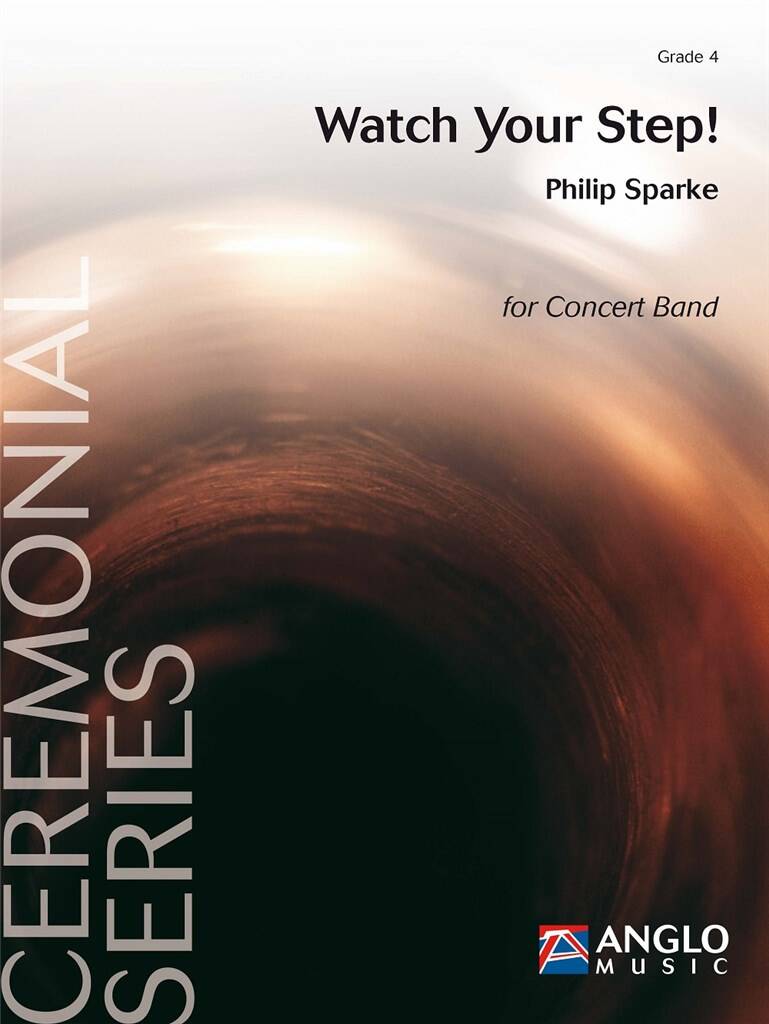
Watch Your Step! - Philip Sparke
Watch Your Step! was commissioned by Stadtmusik Biel from Switzerland and is dedicated to the mayor of Biel/Bienne, Erich Fehr. The title was chosen to represent Biel as the watch-making capital of Switzerland. Watch Your Step! is one part of a series of 'up tempo' Sparke marches such as Slipstream, The Bandwagon and Jubiloso. After a bright opening, a syncopated first theme is played, firstly by clarinets and saxophones, and then by the full band. A 'bass strain' is followed by a contrasting second subject, which is played twice. The bass melody returns to herald a truncated version of the main theme, before the opening fanfarereappears as a coda.
Estimated dispatch 7-14 working days
-
 £60.99
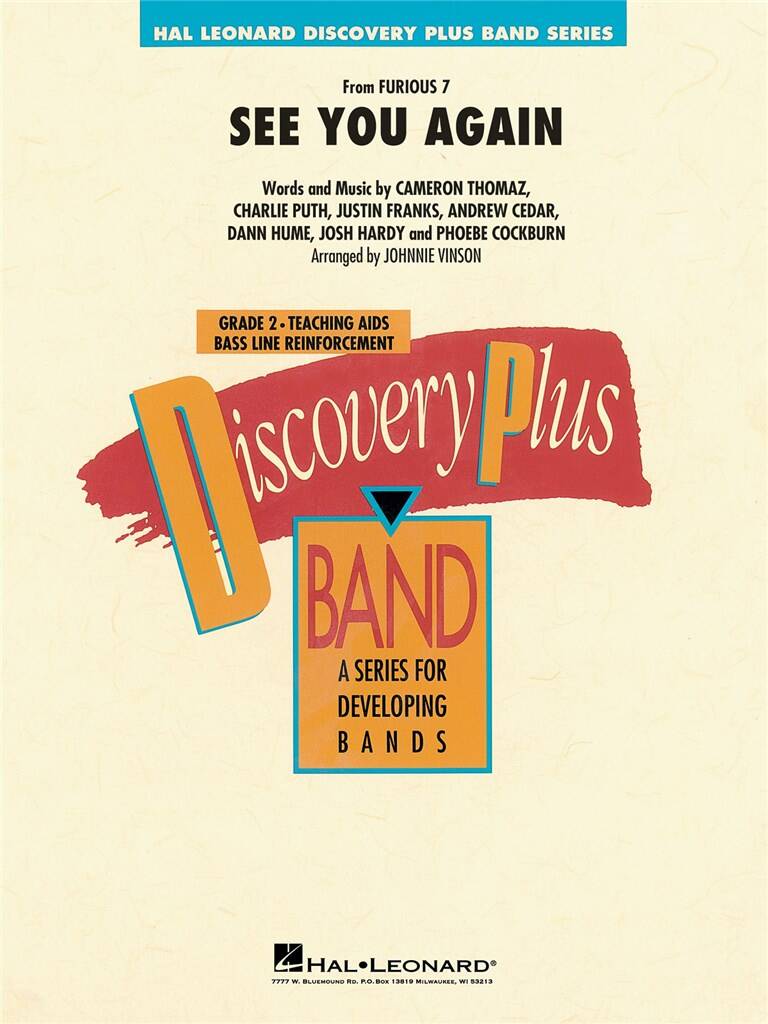
See You Again
Featured in the hit movie "Furious 7" and recorded by Wiz Khalifa featuring Charlie Puth, this rock ballad has a memorable melody and nice rhythmic feel. Here is a very effective setting for young band by Johnnie Vinson.
Estimated dispatch 7-14 working days
-
 £104.99
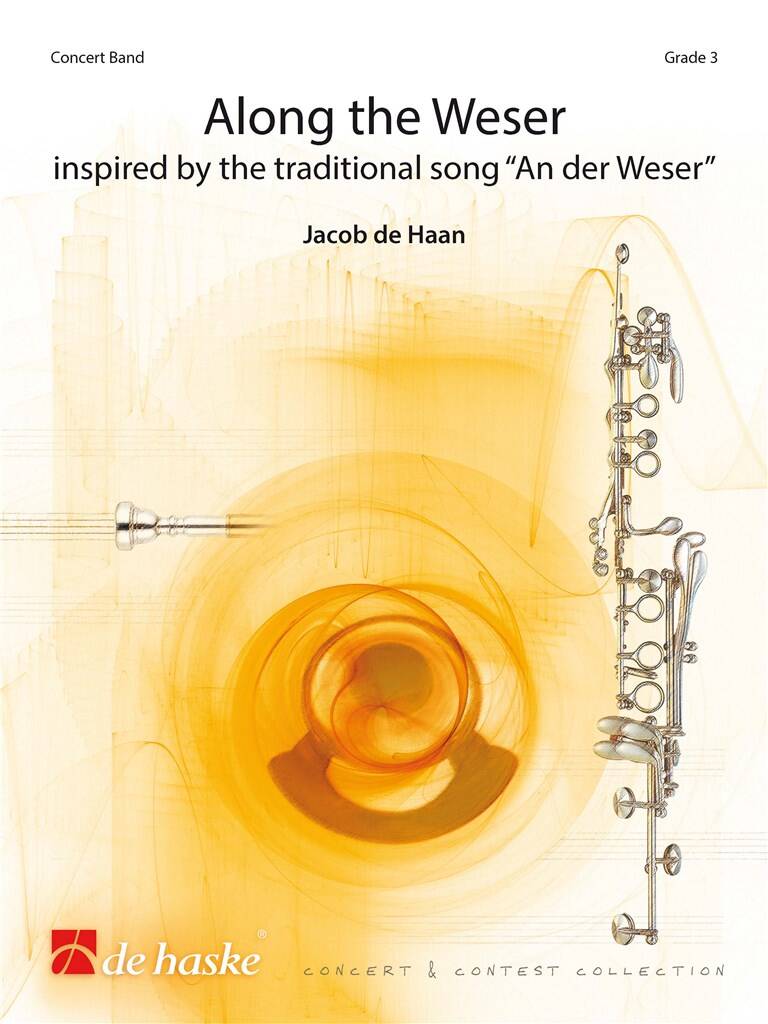
Along the Weser - Jacob de Haan
Along the Weser, as the title suggests, is an homage to the river Weser, the beautiful waterway that meanders through Northern Germany. With its exuberant rhythms and lyrical melodic lines, the work mirrors the strong bond between theinhabitants of the region and the river itself. The connecting thread is the melody of the well-known 'An der Weser', composed by Gustav Pressel to lyrics by Franz von Dingelstedt, which has been incorporated in three different ways. The result is acomposition that is sure to be enjoyed by both musicians and audience alike.
Estimated dispatch 7-14 working days
-
 £79.99
Lawrence of Arabia - Maurice Jarre
David Lean's epic film Lawrence of Arabia was nominated for ten Academy Awards and won seven, including Best Original Score for Maurice Jarre's masterful musical depiction of the exotic world through which T.H. Lawrence passed. Alfred Reed's setting of the music for concert band, available here for the first time in full score with newly edited parts, is built on two of the main themes: the Arabian motif, with its blazing color and almost-barbaric effects; and the Lawrence theme, a haunting, poignant melody that reflects both his love of the desert and his internal, psychological conflicts.
Estimated dispatch 7-14 working days
-
 £64.99
Jump in the Line - Harry Belafonte
Most famously recorded by legendary singer/entertainer Harry Belafonte in 1961, this Calypso-flavored hit enjoyed renewed popularity from the 1988 movie Beetlejuice. With a catchy melody and infectious dance beat, this entertaining arrangement brings life to the concert stage.
Estimated dispatch 7-14 working days
-
 £137.99
Morning Star Variations - Bert Appermont
This composition is based on the beautiful chorale melody Wie schn leuchtet der Morgenstern (How beautifully the morning star shines). Like the chorale fantasias by Bach and Buxtehude, this is a fantasia in which the original theme is usedand altered throughout the work in various ways. Slow passages are alternated with fast ones, and finally a grand tutti arrives in which the original chorale theme sounds joyfully in a majestic finale. For extra colour and dimension, an optionalorgan part has been added, that can be used when the circumstances are appropriate. On the full score, the various organ entries are indicated.
Estimated dispatch 7-14 working days
-
 £92.99
As One Listens to the Rain - Daniel French
As One Listens to the Rain is a marriage of two distinct musical ideas. The first, a solitary, solemn melody, is introduced in the trumpet and cloaked in an aura of slowly shifting transparent harmonies. This idea soon gives wayto flowing lines and falling gestures that invoke an image of cascading rainfall. A hymn-like interlude provides a brief respite before the return of the rain which, in this final form, spins and tumbles over itself. A stirringand evocative work for modern winds. Dur: 6:30
Estimated dispatch 7-14 working days
-
 £60.99
Alpine Adventure - Michael Oare
Portraying the thrill and speed of alpine skiers navigating the demanding Super-G (super giant slalom) downhill course, Alpine Adventure is composed using a single fast tempo and takes the listener through a variety of stylistic moods.The opening and closing segments feature a driving, syncopated style while the middle section features a more lyric melody in 3/4, but still at the energetic, fast pace. An exciting ride for players and listeners alike.
Estimated dispatch 7-14 working days
-
 £42.50
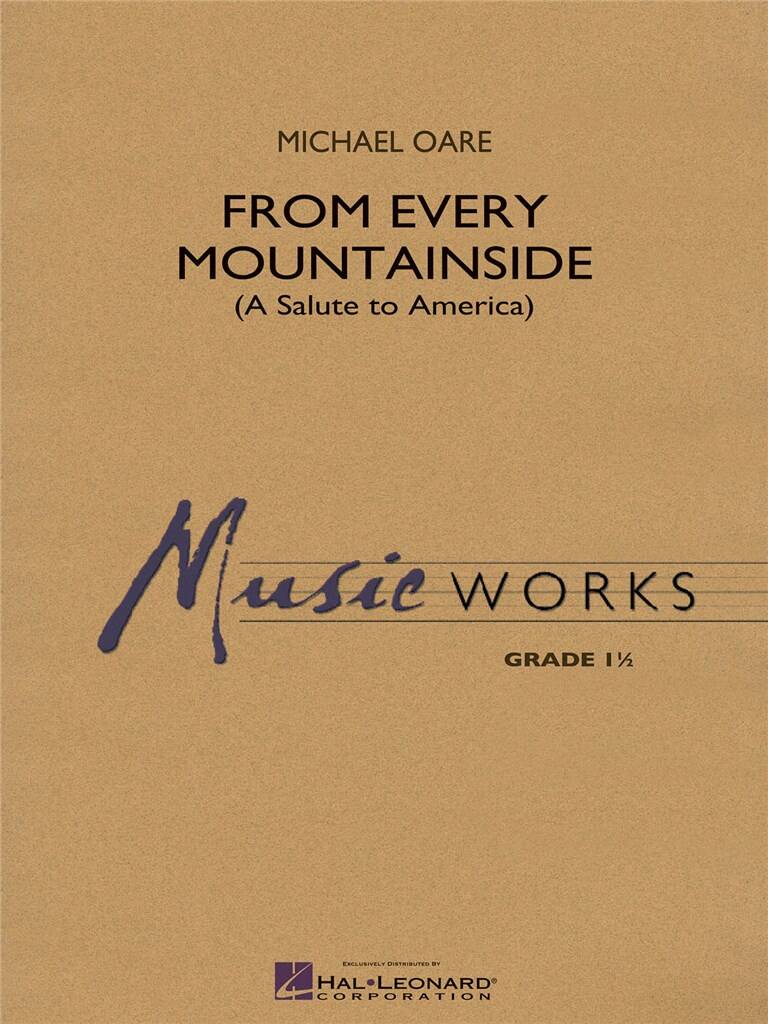
From Every Mountainside (A Salute to America) - Michael Oare
Here is a terrific patriotic medley for young players that uses fragments of several familiar melodies in a creative collage setting. Every section of the band gets a chance to play the melody at some point. Listen for strains ofThe Battle Cry of Freedom, The Star Spangled Banner, Yankee Doodle, America the Beautiful, Chester and America. Dur: 3:10
Estimated dispatch 7-14 working days
 View Music