
Results
-
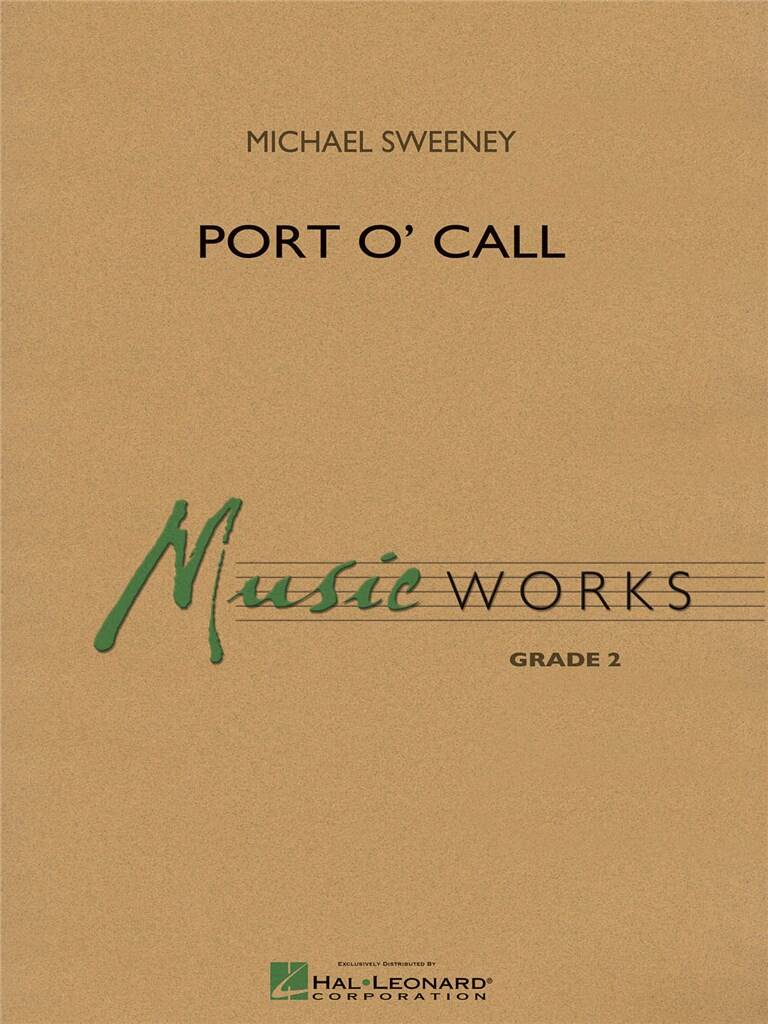
£65.00Red River - Rob Wiffin
Red River is a piece full of raw energy. The title is about the feeling engendered by the name rather than a reference to a specific place. In the composer's mind it is a river coloured red by the dust of the earth in a hot, sun-drenched landscape. Full of fiery rhythmic drive and syncopation carried along by Latin percussion, performers will enjoy the vigour and verve of the music. Suitable for intermediate level (Grade 3/4) symphonic wind band. Red River is a piece full of raw energy. The title is about the feeling engendered by the name rather than a reference to a specific place. In the composer's mind it is a river coloured red by the dust of the earth in a hot,sun-drenched landscape. Full of fiery rhythmic drive and syncopation carried along by Latin percussion, performers will enjoy the vigour and verve of the music. Suitable for intermediate level (Grade 3/4) symphonic wind band.
Estimated dispatch 7-14 working days
-
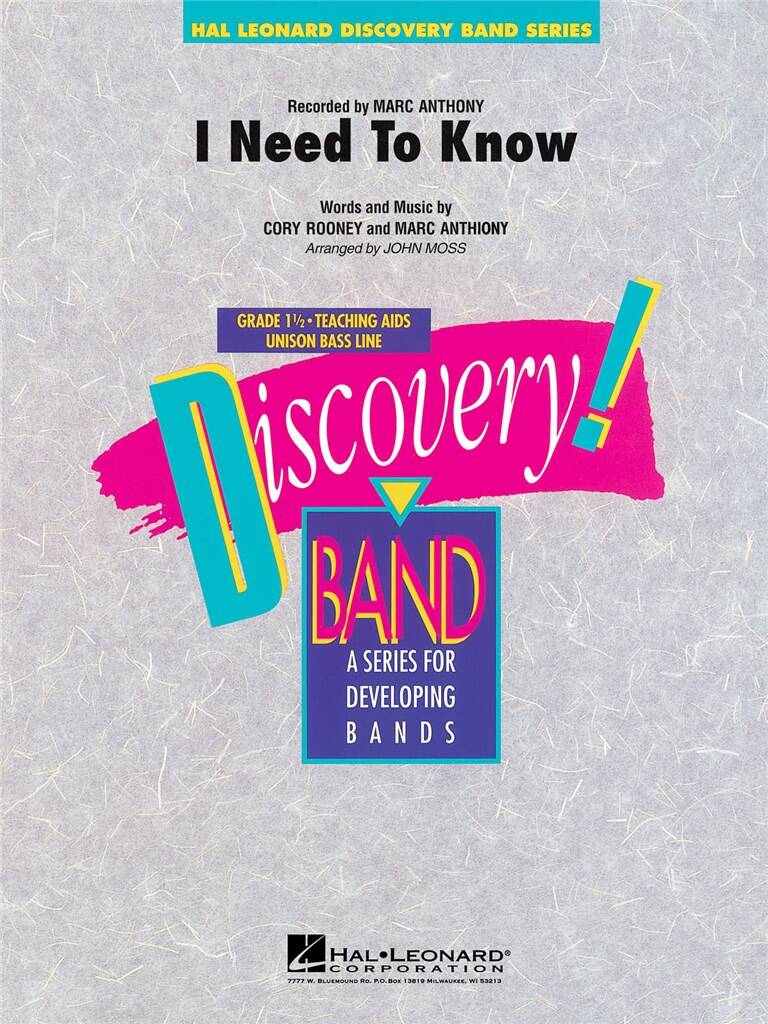
£47.50Caribbean Breeze - Victor Lopez
Take your ensemble on a musical tour of the Caribbean and let them experience the percussive breeze of the islands. This charming Latin piece will certainly engage the audience at your next concert. With a variety of options to bring out the Latin toys, they'll all have fun playing this easy cha-cha style tune. A definite winner for your next performance, with a multicultural flair. (1:30)
Estimated dispatch 7-14 working days
-
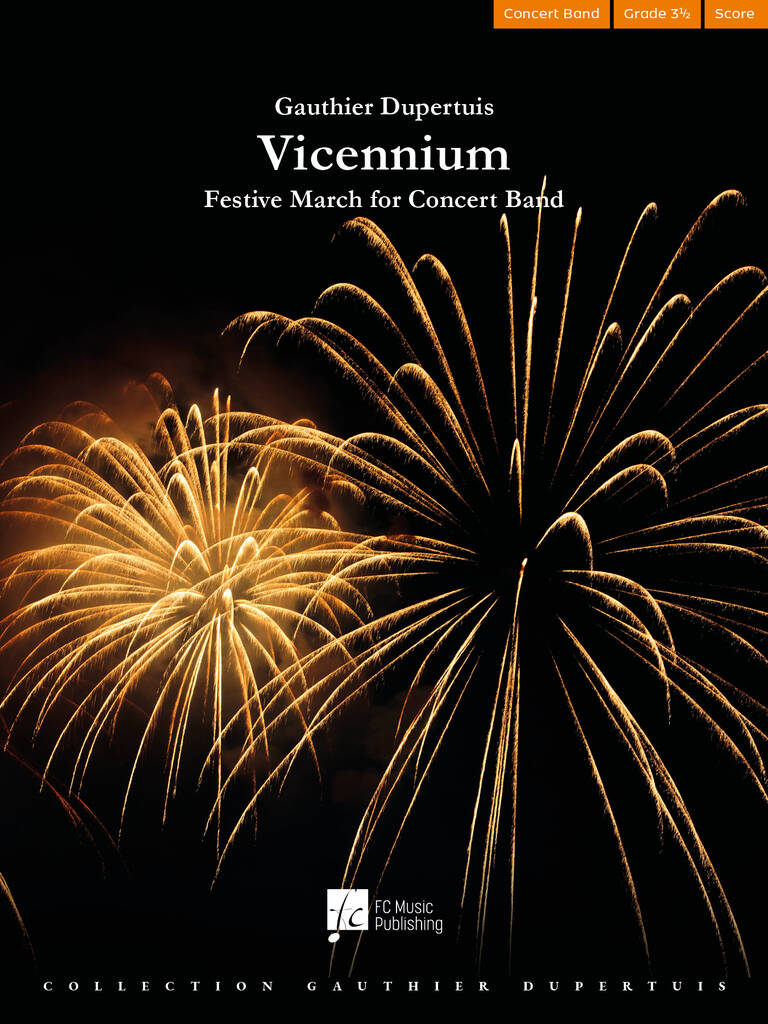
£202.99Gloriosa - Symphonic Poem for Band Movement 1 - Yasuhide Ito
A new acquisition by Bravo Music, this fresh printing of the 1990 masterwork by Yasuhide Ito features a newly engraved score, improved parts, good availability and value. This stirring and powerful homage to early Christianity in Japan profoundly and eloquently states the case of cross-cultural conflict and resolution.I. OratioThe Gregorian chant "Gloriosa" begins with the words, "O gloriosa Domina excelsa super sidera que te creavit provide lactasti sacro ubere." The first movement Oratio opens with bells sounding the hymn's initial phrases. The movement as a whole evokes the fervent prayers and suffering of the Crypto-Christians.II. CantusIII. Dies FestusCommissioned in 1989 and premiered in 1990 by the Sasebo Band of the Maritime Self-Defense Force of Kyushu, southern Japan.Gloriosa is inspired by the songs of the Kakure-Kirishitan (Crypto-Christians) of Kyushu who continued to practice their faith surreptitiously after the ban of Christianity, which had been introduced to that southern region in the mid-16th century by Roman Catholic missionary Francisco Xavier. The worship brought with it a variety of western music.Though Christianity was proscribed in 1612 by authority of the Tokugawa Shogunate in Edo (today Tokyo), Kakure-Kirishitan continued advocating sermons and disguised songs. Melodies and lyrics such as Gregorian chant were obliged to be "Japanized". For example, the Latin word "Gloriosa" was changed to "Gururiyoza." This adaptation of liturgy for survival inspired Ito to write this piece in order to reveal and solve this unique cultural mystery.The composer explains:"Nagasaki district in Kyushu region continued to accept foreign culture even during the seclusion period, as Japan's only window to the outer world. After the proscription of Christianity, the faith was preserved and handed down in secret in the Nagasaki and Shimabara areas of Kyushu region. My interest was piqued by the way in which the Latin words of Gregorian chants were gradually `Japanized' during the 200 years of hidden practice of the Christian faith. That music forms the basis of Gloriosa."Gloriosa, fusing Gregorian chant and Japanese folk music, displays the most sophisticated counterpoint yet found in any Japanese composition for wind orchestra.
Estimated dispatch 7-14 working days
-
£209.99
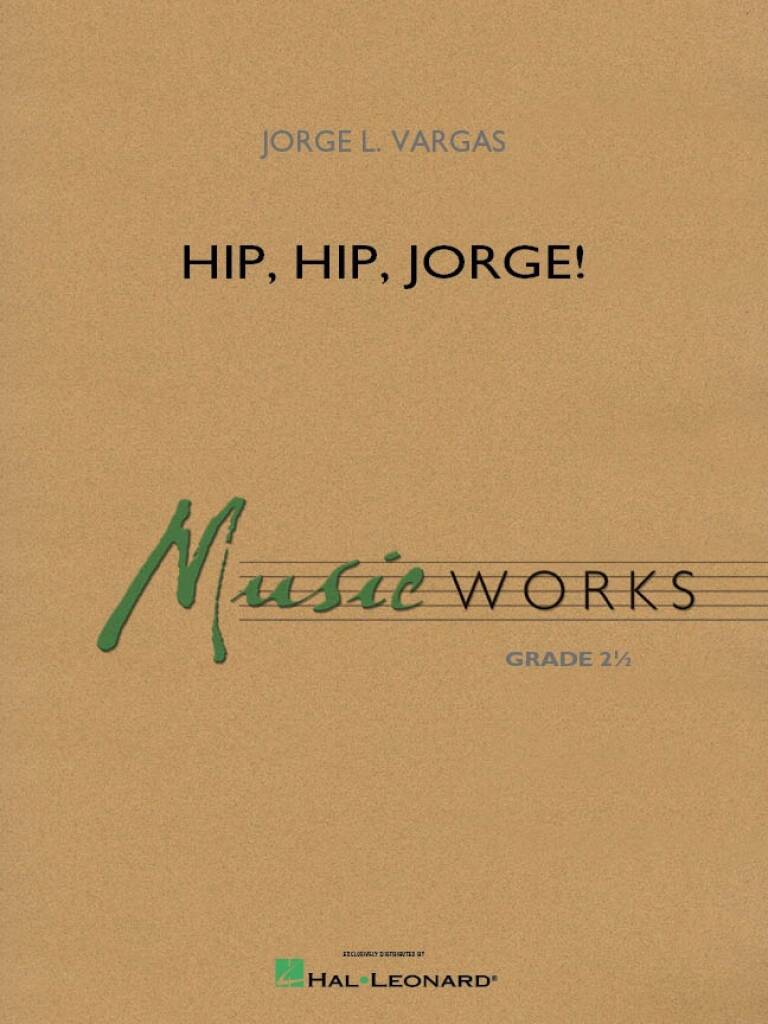
Gloriosa - Symphonic Poem for Band Mvt 2 & 3 - Yasuhide Ito
A new acquisition by Bravo Music, this fresh printing of the 1990 masterwork by Yasuhide Ito features a newly engraved score, improved parts, good availability and value. This stirring and powerful homage to early Christianity in Japan profoundly and eloquently states the case of cross-cultural conflict and resolution.I. OratioThe Gregorian chant "Gloriosa" begins with the words, "O gloriosa Domina excelsa super sidera que te creavit provide lactasti sacro ubere." The first movement Oratio opens with bells sounding the hymn's initial phrases. The movement as a whole evokes the fervent prayers and suffering of the Crypto-Christians.II. CantusIII. Dies FestusCommissioned in 1989 and premiered in 1990 by the Sasebo Band of the Maritime Self-Defense Force of Kyushu, southern Japan.Gloriosa is inspired by the songs of the Kakure-Kirishitan (Crypto-Christians) of Kyushu who continued to practice their faith surreptitiously after the ban of Christianity, which had been introduced to that southern region in the mid-16th century by Roman Catholic missionary Francisco Xavier. The worship brought with it a variety of western music.Though Christianity was proscribed in 1612 by authority of the Tokugawa Shogunate in Edo (today Tokyo), Kakure-Kirishitan continued advocating sermons and disguised songs. Melodies and lyrics such as Gregorian chant were obliged to be "Japanized". For example, the Latin word "Gloriosa" was changed to "Gururiyoza." This adaptation of liturgy for survival inspired Ito to write this piece in order to reveal and solve this unique cultural mystery.The composer explains:"Nagasaki district in Kyushu region continued to accept foreign culture even during the seclusion period, as Japan's only window to the outer world. After the proscription of Christianity, the faith was preserved and handed down in secret in the Nagasaki and Shimabara areas of Kyushu region. My interest was piqued by the way in which the Latin words of Gregorian chants were gradually `Japanized' during the 200 years of hidden practice of the Christian faith. That music forms the basis of Gloriosa."Gloriosa, fusing Gregorian chant and Japanese folk music, displays the most sophisticated counterpoint yet found in any Japanese composition for wind orchestra.
Estimated dispatch 7-14 working days
-
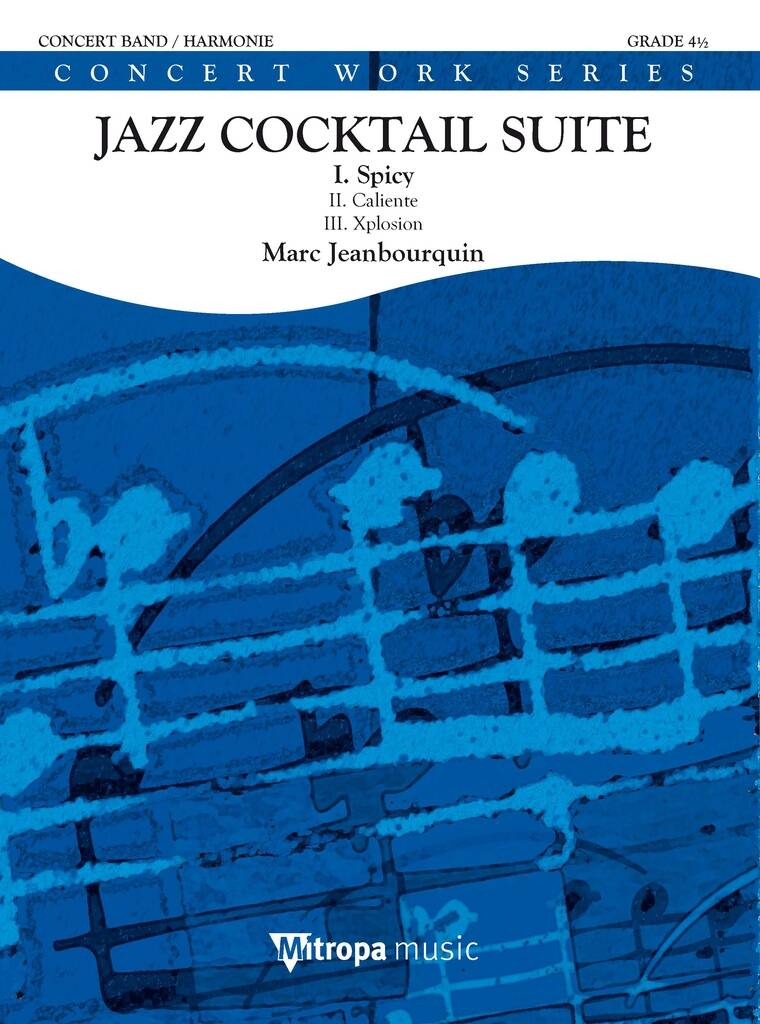
£67.95Spanish Rose - Joseph Compello
A wonderful original title from an expert young band writer, Spanish Rose has the flavor of a Latin-American Tango. The piece offers the developing band a great opportunity to experience the Latin Style and become familiar with different types offerticulation. Spanish Rose features the clarinets and characteristic Latin percussion instruments. Duration: 3'
Estimated dispatch 7-14 working days
-
£72.95
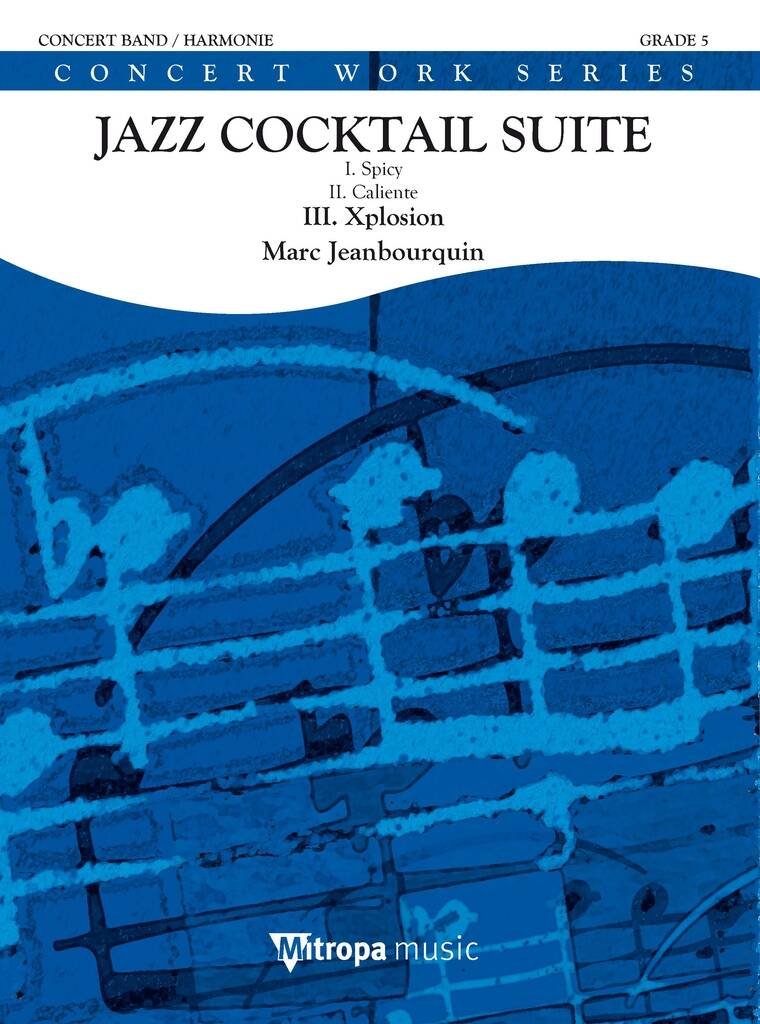
Syncopated Senorita - Joseph Compello
From the composer that brought you the popular pieces Spanish Rose and Tango Marianna comes his latest Latin infused piece, Syncopated Senorita. This piece is great for teaching syncopated rhythms to developing bands in a fun way with an infectious Latin groove. Joe knows that music for this level should be educational, but fun too, so that they will want to practice. This is one of those pieces they will ask to play everyday!
Estimated dispatch 7-14 working days
-
£65.50
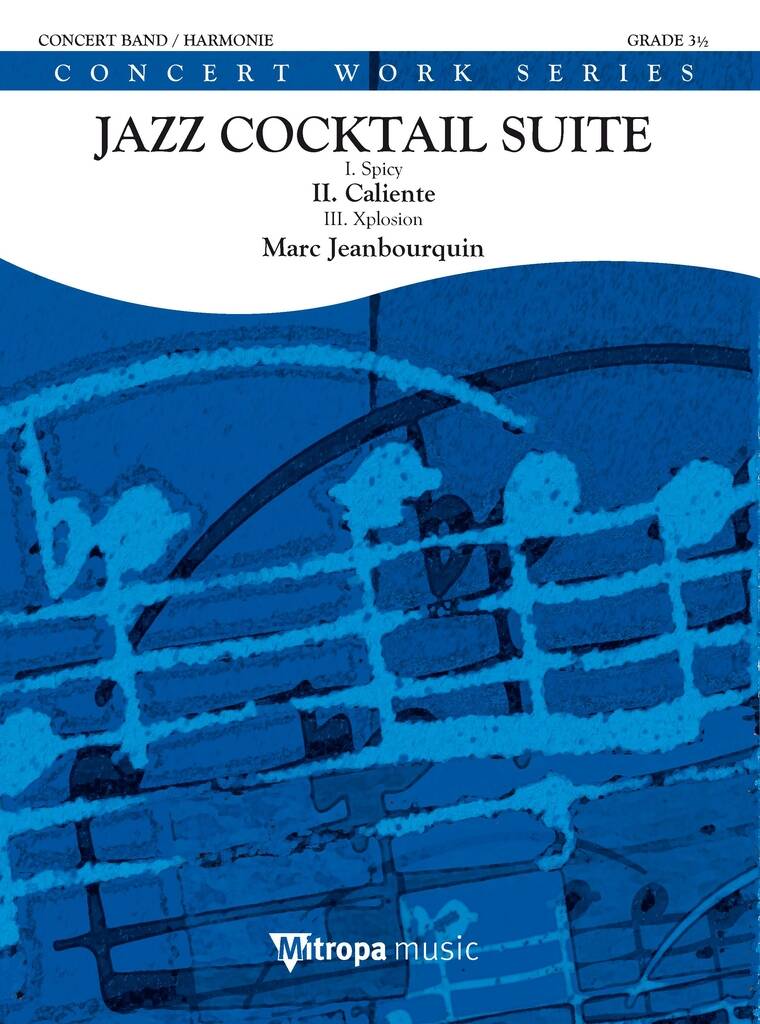
Flutes With A Flair - Joseph Compello
A light Latin style flute section feature that will have everyone praising this section for their wonderful skills. The delightful melody and light Latin beqat will have them dancing in the aisles. Joseph Compello writes the most effective novelty pieces in the business.
Estimated dispatch 7-14 working days
-
£42.50I Need To Know
Latin is hot and this is one of the best new Latin songs recorded by Marc Anthony. John Moss' easy arrangement is authentic sounding and fun to play.
Estimated dispatch 7-14 working days
-
£349.99Gloriosa - Symphonic Poem for Band (Complete) - Yasuhide Ito
A new acquisition by Bravo Music, this fresh printing of the 1990 masterwork by Yasuhide Ito features a newly engraved score, improved parts, good availability and value. This stirring and powerful homage to early Christianity in Japan profoundly and eloquently states the case of cross-cultural conflict and resolution.I. OratioThe Gregorian chant "Gloriosa" begins with the words, "O gloriosa Domina excelsa super sidera que te creavit provide lactasti sacro ubere." The first movement Oratio opens with bells sounding the hymn's initial phrases. The movement as a whole evokes the fervent prayers and suffering of the Crypto-Christians.II. CantusIII. Dies FestusCommissioned in 1989 and premiered in 1990 by the Sasebo Band of the Maritime Self-Defense Force of Kyushu, southern Japan.Gloriosa is inspired by the songs of the Kakure-Kirishitan (Crypto-Christians) of Kyushu who continued to practice their faith surreptitiously after the ban of Christianity, which had been introduced to that southern region in the mid-16th century by Roman Catholic missionary Francisco Xavier. The worship brought with it a variety of western music.Though Christianity was proscribed in 1612 by authority of the Tokugawa Shogunate in Edo (today Tokyo), Kakure-Kirishitan continued advocating sermons and disguised songs. Melodies and lyrics such as Gregorian chant were obliged to be "Japanized". For example, the Latin word "Gloriosa" was changed to "Gururiyoza." This adaptation of liturgy for survival inspired Ito to write this piece in order to reveal and solve this unique cultural mystery.The composer explains:"Nagasaki district in Kyushu region continued to accept foreign culture even during the seclusion period, as Japan's only window to the outer world. After the proscription of Christianity, the faith was preserved and handed down in secret in the Nagasaki and Shimabara areas of Kyushu region. My interest was piqued by the way in which the Latin words of Gregorian chants were gradually `Japanized' during the 200 years of hidden practice of the Christian faith. That music forms the basis of Gloriosa."Gloriosa, fusing Gregorian chant and Japanese folk music, displays the most sophisticated counterpoint yet found in any Japanese composition for wind orchestra.
Estimated dispatch 7-14 working days
-
£47.50Alegre - Tania León
Alegre is a Spanish word meaning joyful. Utilizing the style of a Latin groove, the piece is a showcase for rhythmic dexterity. It also demonstrates the inextricable link in Latin American cultures between music and dance. Tania Len incorporates the stylistic elements of ostinati with off-beat accents and improvisation to create a brilliant piece that excites both mind and body. BandQuest, an exciting series of new music and accompanying curricula for band, is a program published by the American Composers Forum. The series was started as a response to feedback from music educators that there is a pressing need for new, fresh band music. The heart of this program is new works written by a diverse group of leading American composers who have created challenging pieces that are a true departure from standard middle school repertoire. Every BandQuest project includes a residency component in which the composer works collaboratively with a middle school as they create their new piece. Many BandQuest pieces are accompanied by an interdisciplinary curriculum designed to assist students as they learn the music and to integrate each piece with non-music studies. Visit www.bandquest.org to learn more about this innovative series, and email [email protected] to request a free downloadable audio catalog.
Estimated dispatch 7-14 working days
