
Results
-
£144.99
Ukrainian Rhapsody - Franco Cesarini
Folk music plays an important role in the life of the Ukrainian people. Their country covers an area of over 600.000 square kilometres and has more than fifty million inhabitants. In the north there are vast woods, in the west one finds the picturesque Carpatian mountains and valleys, and in the centre and the south Ukraine has its famous steppes with fertile black soil. The river Dnjepr divides the country in two, forming a natural frontier between the western and eastern regions, which each have their own distinctively different musical folklore. This diversity forms the musical basis for Ukrainian Rhapsody. The work consists of three movements: the first one, in a moderatetempo, without a pause flows into a slow but very expressive middle movement, resulting in a powerful climax. The composition ends with the Gopak: a rousing dance.
Estimated dispatch 7-14 working days
-
 £144.99
Variations On A French Folksong - Franco Cesarini
The variation form is one of the oldest and most fundamental forms of musical technique. Franco Cesarini has chosen the well known French folk melody, Sur le pont d'Avignon as the basis for this piece. The piece begins with ashort introduction followed by the exposition and ten lively and contrasting variations. The final reminder of the main theme also included references to the famous French nursery songs J'ai du bon tabac and Alouette, which bringthe work to an expressive and brilliant close.
Estimated dispatch 7-14 working days
-
£109.99
Irish Sketches - Luc Gistel
As its title suggests this composition is a musical evocation of Ireland. The original themes of this work are strongly influenced by traditional Irish folk music. Each of the three movements reflects part of the Irish character. Following a solemn introduction the first movement springs into life showing the cheery side of the Irish character. The second movement is a ballad with a simple, natural and peaceful melody that inspires a feeling of fullness.The final movement introduces a lively Irish dance in 6/8 time. This joyous piece is a must for your concert band repertoire.
Estimated dispatch 7-14 working days
-
 £159.99
Solemnitas - Franco Cesarini
Each year on the last Monday in June, the German city of Burgdorf celebrates the holiday of youth, the so called 'Solennitat'. It is the most important event occurring in the city and consists of three processions walking through the centre of town to celebrate, at the city's expense, the good results achieved in school. This new work by Franco Cesarini takes it's inspiration from this event and leads us through contrasting variations of a Swiss folk tune.
Estimated dispatch 7-14 working days
-
 £84.99
Scherzpolka - Thomas Doss
In the somewhat sarcastic Scherzpolka (Joke Polka), the composer does not intend to make fun of Alpine traditions and music but rather of the typical social attitude that does not always do justice to the valuable folk music and culture. Imagine a band that has to play in a beer tent for hours. During the performance the guests treat the musicians to one beer after another. Gradually, the players and the conductor lose control over their instruments and their interpretation of the music. Finally, the performance comes to an end: the Scherzpolka is actually the last piece. There are no limits to the creativity in both the visual and musical aspects during a performance of theScherzpolka!
Estimated dispatch 7-14 working days
-
 £154.99
Piccola Suite Italiana - Franco Cesarini
With this new suite for concert band Franco Cesarini draws on the rich repertoire of folk songs from the Friuli Venezia Giulia region of northern Italy. Between the 16th and 17th Century this rural region developed the 'furlana', a brilliant dance in 6/8 time. This catchy dance soon spread throughout Europe and became more cultivated. Franois Couperin (1668-1733), Georg Philipp Telemann (1681-1767) and Johann Sebastian Bach (1685-1750) all composer of the 18th century composed 'furlane' and in the 20th Century Maurice Ravel used a 'furlana' dance his Tombeau de Couperin. Franco Cesarini follows this great tradition by using the 'furlana' as the basis for this major new concertwork.
Estimated dispatch 7-14 working days
-
 £159.99
Bulgarian Dances - Franco Cesarini
Bulgarian Dances is a free rhapsody, divided into four distinct movements based on famous Bulgarian folk songs. These songs have a very old tradition and stem from both the antique world of Byzantium and even earlier in the ancient and mysterious civilization of the Thrace region. In the beginning they were monodic songs, then diaphonic, with characteristic dissonances of major and minor seconds which make them unique. What also makes these songs so fascinating are seductive and complex irregular rhythms. The composer, while remaining faithful to the original spirit of the songs, has not hesitated to broaden the musical ideas, enriching them and making them more suitable tothe rich palette of colours of contemporary concert bands. A terrific modern addition to the band repertoire.
Estimated dispatch 7-14 working days
-
 £159.99
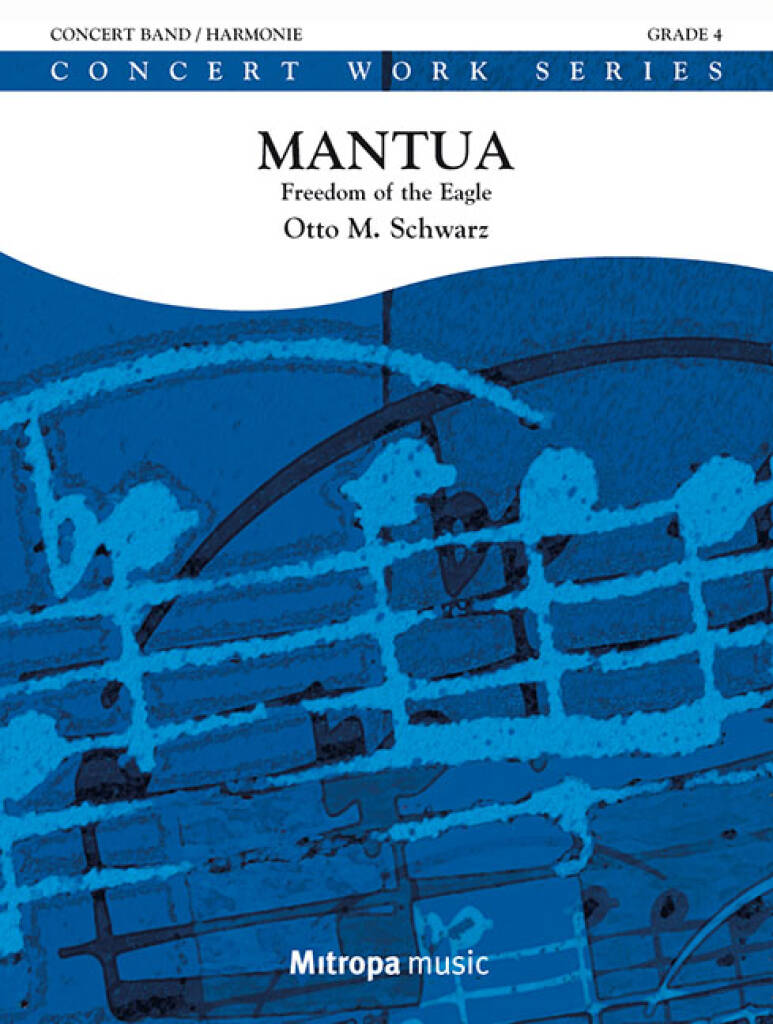
Mantua - Otto M. Schwarz
The city of Mantua holds significant historical importance for the southern Italy's region of Tyrol. In this dramatic work Otto M Schwarz tells the tale of the Tyrolian freedom fighter Andreas Hofer who was executed in Mantua in 1809. The composer follows the life of this great folk hero, from his humble beginnings as an innkeeper to his death. This piece has all the energy of an exciting adventure movie - just without the pictures, of course!
Estimated dispatch 7-14 working days
-
 £144.99
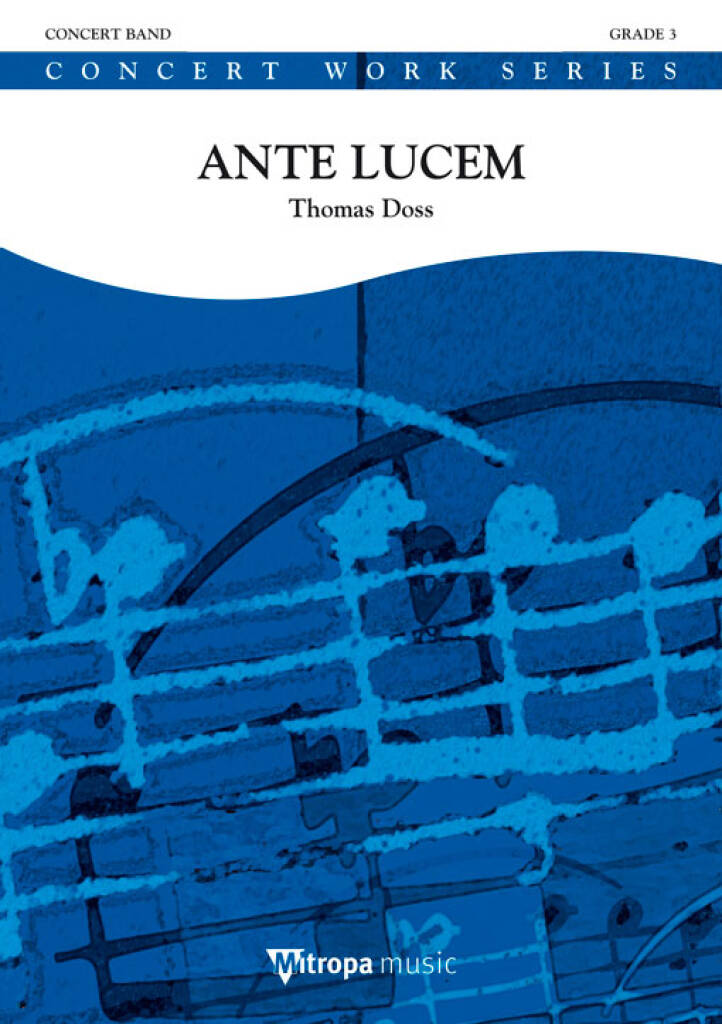
Ante Lucem - Thomas Doss
This meditative work describes the final minutes before the night slips away and officially turns to day, the last few moments before a new dawn. The composition is based on the old Austrian folk tune Auf dem Berg bin i gern which has been used as the main theme in a wonderfully atmospheric way. Calm yet effective!
Estimated dispatch 7-14 working days
-
 £102.99
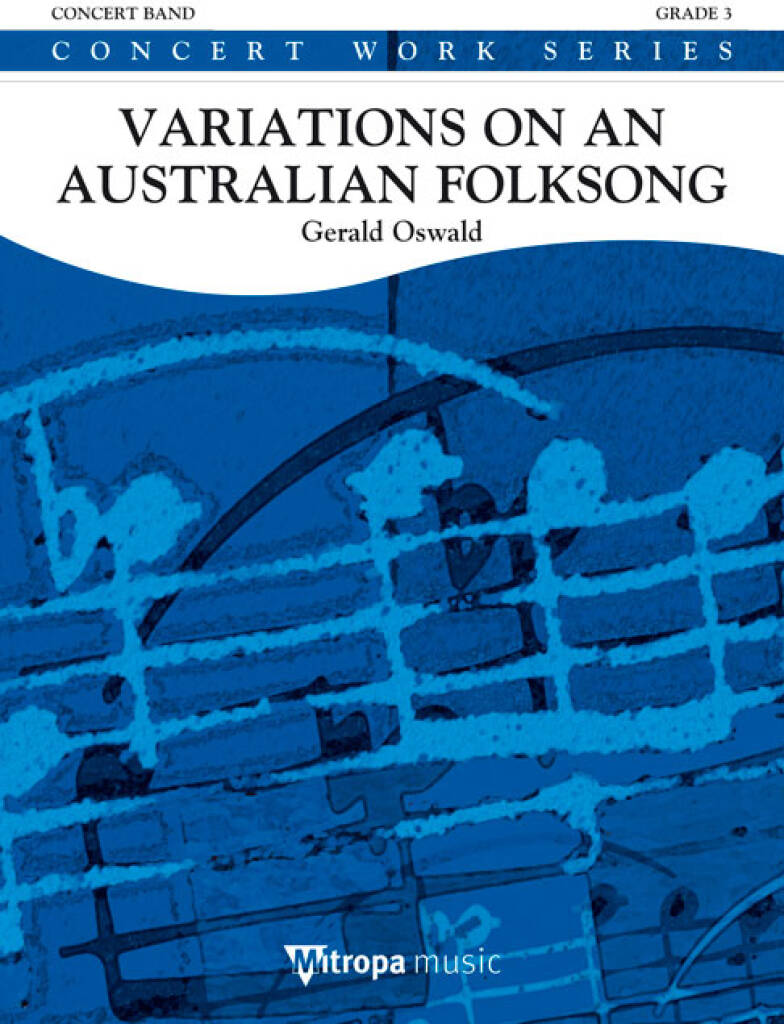
Variations on an Austrian Folksong - Gerald Oswald
Hot off the press! Composer Gerald Oswald bases this new work on an old Austrian folksong, O du lieber Augustin! The Augustin in questions is a ballad singer and an ad lib poet who apparently wrote this folksong about himself. His grim sense of humour and his attitude towards life, that humour can get you through anything, are readily apparent in this new piece. Gerald Oswald's Variations on an Austrian Folk Song received top honours at the 2010 Austrian Composition Contest.
Estimated dispatch 7-14 working days
 View Music