
-
 £76.99
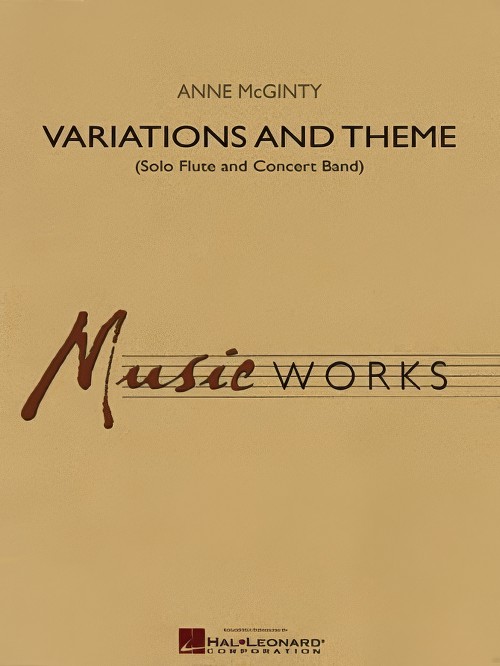
Variations and Theme (Flute Solo with Concert Band - Score and Parts) - McGinty, Anne
First published in 1979, this masterful work for solo flute and band is available again in this newly engraved edition. The solo part displays a variety of styles from beautifully expressive lyric lines to spirited faster passages, all supported wonderfully by the full ensemble.Duration: 8:30
Estimated dispatch 7-14 working days
-
 £118.99
Variations for Clarinet (Clarinet Solo with Concert Band - Score and Parts) - Rossini, Gioachino - Takahashi, Tohru
Duration: 9:30
Estimated dispatch 7-14 working days
-
 £89.95
Variations on 'Laudate Dominum' (Concert Band - Score and Parts) - Gregson, Edward - Wiffin, Rob
The theme is a noble hymn tune by Sir Hubert H. Parry, associated with the words 'O praise ye the Lord'. There are seven contrasting variations that will provide much interest to the player as well as the listener, the seventh of which is a fugato which leads into a triumphant finale where the theme is heard for the first time in its completion. This, we feel, will be a significant work for Wind Band as it has been for the brass band movement.
Estimated dispatch 7-14 working days
-
£17.95
Variations on 'Laudate Dominum' (Concert Band - Score Only) - Gregson, Edward - Wiffin, Rob
The theme is a noble hymn tune by Sir Hubert H. Parry, associated with the words 'O praise ye the Lord'. There are seven contrasting variations that will provide much interest to the player as well as the listener, the seventh of which is a fugato which leads into a triumphant finale where the theme is heard for the first time in its completion. This, we feel, will be a significant work for Wind Band as it has been for the brass band movement.
Estimated dispatch 7-14 working days
-
 £79.95
Variations on 'Was Lebet' (Concert Band - Score and Parts) - Wainwright, Andrew
Variations on 'Was Lebet' is based on the German chorale of the same name, the first line of which translates as 'O worship the Lord in the beauty of holiness!' The opening fanfare figure in the Trumpets should be supported by bold, organ-like sostenuto chords in the lower band. Ensure that the fanfare in the Trumpets and Trombones from bars 25 to 28 is given equal articulation and volume in the antiphonal parts. After this majestic introductory section, the first of five contrasting variations is presented, although the tune is never realised in full form until the final variation, with fragments gradually being revealed as the piece progresses.Variation I is somewhat classical in approach, with its energy coming from a regular contrast between cantabile references to the theme, set against lively staccato figures. Ensuring a lightness of touch will be important here; the music should be poised and never sound frantic. As a result, careful attention should be paid to the tempo marking, being no quicker than 136 beats per minute. Snippets of the chorale come and go, with the last phrase of the hymn completing the movement. This final statement, at bar 95, should be an immediate change in tempo and a separate statement to the music that comes before.Variation II is plaintive in mood, giving the listener the chance to reflect on the following words, which form part of the second verse: 'Comfort thy sorrows and answer thy prayerfulness, Guiding thy steps as may best for thee be.' There is opportunity for rubato in this movement, at the discretion of the conductor.Variation III is somewhat quirky and volatile in nature, and takes its inspiration from the 3rd and 4th verses which describe the fearful times in life that we must entrust to the Lord. Driven by the Percussion section in particular, there are references here to Variation I with its chorale-like figures and hurtling scalic figures, and there is a feeling of a lack of resolution. A somewhat abrupt ending suggests that our sense of completeness in Christ is yet to be resolved. It is important that clarity and tempo are maintained in the bass line between sections L and M. Aim for consistency of line in the bass parts, particularly with the trade-offs between players here.There is a French romantic feel to the waltz in Variation IV, with the opportunity for various soloists to display their musicianship. A sense of ironic humour pervades throughout. The Clarinet and Bassoon duet from section U should be playful and display a lightness of touch, with that sense of style continued throughout the movement.Variation V is fugal in nature, with each section of the band being handed the theme at various points. Again it is important that a steady tempo is set at Y in order to maintain control. The sense of momentum gradually increases to a grandiose presentation of the full theme, beginning at section CC, affirming our completeness in the Lord, with the words of the first and last verses reiterated: O worship the Lord in the beauty of holiness! Bow down before him, his glory proclaim; With gold of obedience and incense of lowliness, Kneel and adore him, the Lord is his name.Duration: 11.45
Estimated dispatch 7-14 working days
-
 £15.95
Variations on 'Was Lebet' (Concert Band - Score only) - Wainwright, Andrew
Variations on 'Was Lebet' is based on the German chorale of the same name, the first line of which translates as 'O worship the Lord in the beauty of holiness!' The opening fanfare figure in the Trumpets should be supported by bold, organ-like sostenuto chords in the lower band. Ensure that the fanfare in the Trumpets and Trombones from bars 25 to 28 is given equal articulation and volume in the antiphonal parts. After this majestic introductory section, the first of five contrasting variations is presented, although the tune is never realised in full form until the final variation, with fragments gradually being revealed as the piece progresses.Variation I is somewhat classical in approach, with its energy coming from a regular contrast between cantabile references to the theme, set against lively staccato figures. Ensuring a lightness of touch will be important here; the music should be poised and never sound frantic. As a result, careful attention should be paid to the tempo marking, being no quicker than 136 beats per minute. Snippets of the chorale come and go, with the last phrase of the hymn completing the movement. This final statement, at bar 95, should be an immediate change in tempo and a separate statement to the music that comes before.Variation II is plaintive in mood, giving the listener the chance to reflect on the following words, which form part of the second verse: 'Comfort thy sorrows and answer thy prayerfulness, Guiding thy steps as may best for thee be.' There is opportunity for rubato in this movement, at the discretion of the conductor.Variation III is somewhat quirky and volatile in nature, and takes its inspiration from the 3rd and 4th verses which describe the fearful times in life that we must entrust to the Lord. Driven by the Percussion section in particular, there are references here to Variation I with its chorale-like figures and hurtling scalic figures, and there is a feeling of a lack of resolution. A somewhat abrupt ending suggests that our sense of completeness in Christ is yet to be resolved. It is important that clarity and tempo are maintained in the bass line between sections L and M. Aim for consistency of line in the bass parts, particularly with the trade-offs between players here.There is a French romantic feel to the waltz in Variation IV, with the opportunity for various soloists to display their musicianship. A sense of ironic humour pervades throughout. The Clarinet and Bassoon duet from section U should be playful and display a lightness of touch, with that sense of style continued throughout the movement.Variation V is fugal in nature, with each section of the band being handed the theme at various points. Again it is important that a steady tempo is set at Y in order to maintain control. The sense of momentum gradually increases to a grandiose presentation of the full theme, beginning at section CC, affirming our completeness in the Lord, with the words of the first and last verses reiterated: O worship the Lord in the beauty of holiness! Bow down before him, his glory proclaim; With gold of obedience and incense of lowliness, Kneel and adore him, the Lord is his name.Duration: 11.45
Estimated dispatch 7-14 working days
-
 £104.95
Variations On A Bass Theme (Overture) (Concert Band - Score and Parts) - Lloyd, George - Brand, Geoffrey
Full of intrigue and mystery,?Variations on a Bass Theme?is a treat for the ears. A plethora of thematic material emerges out of tuba section in the opening bar, creating the jumping off point for the whole work. Lloyd takes the listener down numerous unexpected paths, conjuring many visual images along the way as if watching a movie.
Estimated dispatch 7-14 working days
-
£20.95
Variations On A Bass Theme (Overture) (Concert Band - Score Only) - Lloyd, George - Brand, Geoffrey
Full of intrigue and mystery,?Variations on a Bass Theme?is a treat for the ears. A plethora of thematic material emerges out of tuba section in the opening bar, creating the jumping off point for the whole work. Lloyd takes the listener down numerous unexpected paths, conjuring many visual images along the way as if watching a movie.
Estimated dispatch 7-14 working days
-
 £57.50
Variations on a Celtic Tune (Concert Band - Score and Parts) - Oare, Michael
The poignant lament "Mo Chile Mear" (My Gallant Hero) was authored after the defeat of the Scots and their Celtic allies at the Battle of Culloden in 1746, ending dreams of independence from English rule. Michael's emotional setting opens with a flute solo then builds gradually as layers of instrumental groups are added. The piece shifts to a lilting 6/8 style, propelled by the percussion section, and culminates in a majestic statement by the entire ensemble.
Estimated dispatch 7-14 working days
-
 £60.50
Variations on a Civil War Tune (Concert Band - Score and Parts) - Story, Michael
This traditional tune, "The Cumberland's Crew," was inspired by the historic gunship battle between the wooden Cumberland and the ironclad Virginia in 1862. The light and airy melody in 3/4 time develops a variety of textures and voicings and builds to a dramatic conclusion. This is an ideal choice to showcase the musicality of your developing band.Duration: 2:30
Estimated dispatch 7-14 working days
Searching for Brass Band Music? Visit the Brass Band Music Shop
 View Music